

Illusions, Optics, and an Uncertain Olympic Stage
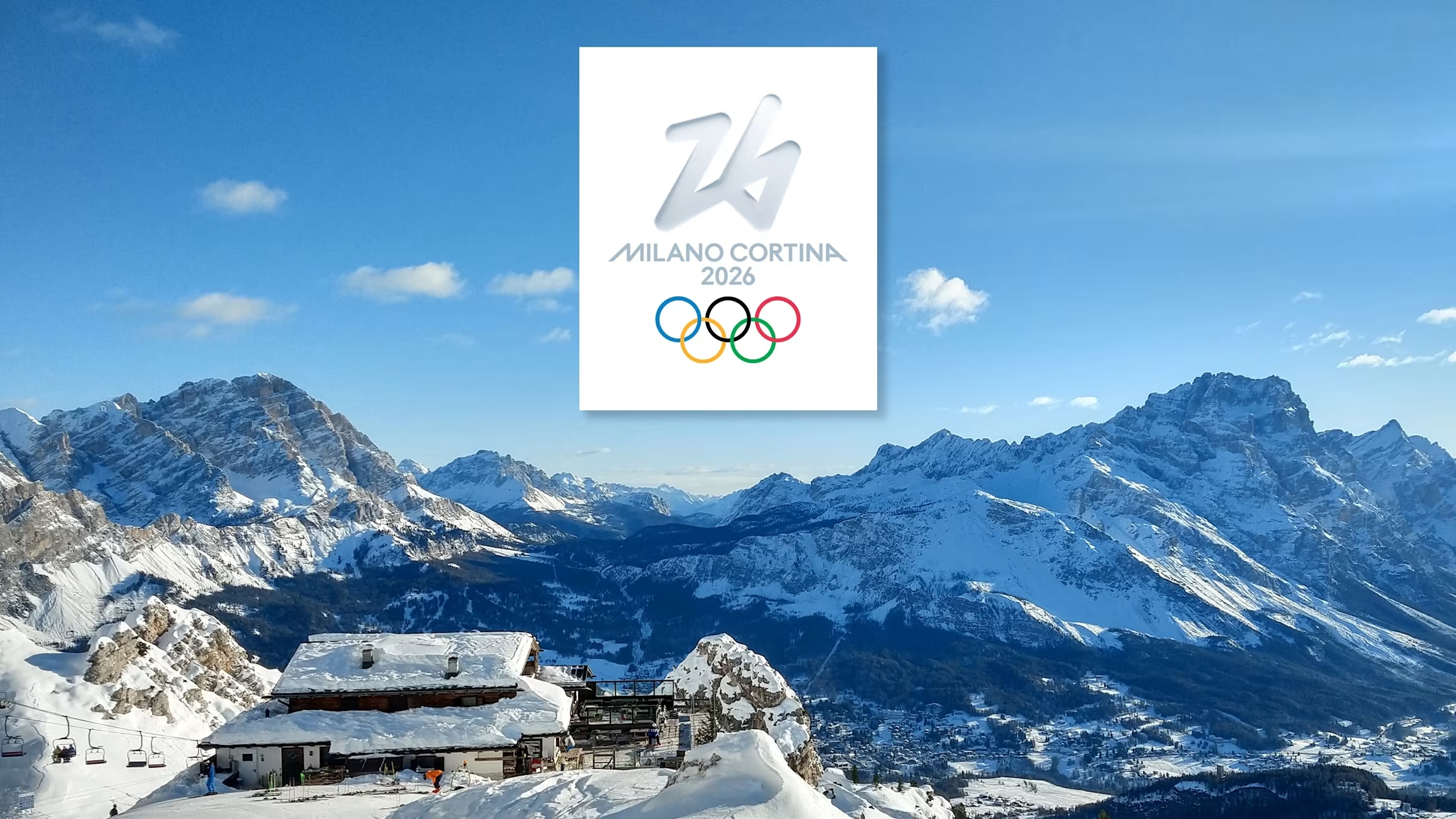
Just steps away from the Milan hotels hosting International Olympic Committee officials stands the Museum of Illusions—a space dedicated to distortion, shifting perspectives, and things not being quite what they seem. It is a fitting symbol for these Winter Olympics, which officially open in Italy on Friday, as the event unfolds amid confusion, contradiction, and political unease.
For the next two weeks, viewers will marvel at elite athletes: skiers charging downhill at blistering speeds, snowboarders twisting midair, and skaters performing with breath-taking elegance. Yet beneath the spectacle, a new cold war at the Olympics is quietly developing, shaped by global instability and unresolved conflicts.
Calls for Neutrality Clash with Reality
IOC president Kirsty Coventry has urged the sporting world to treat the Games as neutral ground, separate from government actions and international disputes. While the sentiment reflects Olympic ideals, it has struggled to survive contact with real-world events.
As Coventry spoke, US Olympic officials were already navigating political sensitivities by renaming their Milan hospitality venue. The original title, “Ice House,” was dropped after concerns were raised about its association with US Immigration and Customs Enforcement. Figure skater Amber Glenn welcomed the decision, explaining that certain words now carry heavy emotional and political weight.
Cybersecurity, Russia, and the Question of Return
Tensions escalated further when Italy’s foreign minister announced that authorities had blocked cyberattacks believed to have originated in Russia and aimed at Olympic-related websites. The revelation came as debate intensified over Russia’s partial return to Olympic competition.
Although Russian teams remain officially banned due to the war in Ukraine, 13 athletes are competing under the label of Authorised Neutral Athletes. In Moscow, optimism remains that rising stars like 18-year-old figure skating champion Adelia Petrosian can still leave a mark on the Games. Russian lawmaker and Olympic legend Irina Rodnina has framed their presence as a symbolic breakthrough.
Coaching Controversies and Lingering Questions
Petrosian’s participation has not gone unnoticed, particularly because she is coached by Eteri Tutberidze. The Georgian coach was harshly criticised at the Beijing Olympics after her response to Kamila Valieva’s emotional collapse following a failed drug test.
That incident led former IOC president Thomas Bach to describe Tutberidze’s conduct as “chilling.” Her role in Milan is expected to draw further scrutiny as the Games progress.
Ukrainian Anger and the Limits of Protest
For Ukrainian athletes, even a limited Russian presence is unacceptable. Skeleton racer Vladyslav Heraskevych, who protested the war during the Beijing Games, argues that the world is becoming desensitised to Ukraine’s suffering.
He describes daily life under bombardment, with civilians enduring freezing temperatures and infrastructure failures. Despite returning to competition in Italy, Heraskevych says the IOC has warned Ukrainian athletes against further protests, following demonstrations at a Europa Cup event involving multiple national teams.
Multiple Flashpoints Beyond Ukraine
Geopolitical tensions at Milano Cortina extend well beyond Eastern Europe. Pro-Palestinian activists plan to demonstrate during the Olympic flame’s arrival in Milan, objecting to Israel’s participation. Environmental groups are also preparing protests later in the week.
Meanwhile, the IOC has faced uncomfortable questions about senior figures, including the head of the Los Angeles 2028 Games and the recent appointment of Iran’s Soraya Aghaei to the IOC, shortly after violent crackdowns on protests in her home country.
When Politics Spill Onto the Ice
Even competition schedules are not immune. A Valentine’s Day ice hockey match between Denmark and the United States has gained unexpected political significance following remarks by US president Donald Trump concerning Greenland.
Public opinion in Denmark has shifted sharply, with recent polling showing a majority now viewing the US as an adversary. Asked whether American athletes might face boos, Coventry expressed hope that the opening ceremony would encourage respect rather than hostility.
Harmony Promised, Tension Expected
Friday’s opening ceremony at San Siro will feature global stars including Mariah Carey, Andrea Bocelli, and Snoop Dogg. Creative director Marco Balich has described harmony as the event’s central theme—a message Coventry echoed when addressing those planning protests.
She insisted the Olympics remain a reminder of humanity’s potential for unity and cooperation. Yet with so many unresolved conflicts converging in Milan, that vision faces a severe test.
As the Games begin, the new cold war at the Olympics threatens to linger just beneath the ice—challenging the idea that sport can ever truly exist apart from the world around it.