
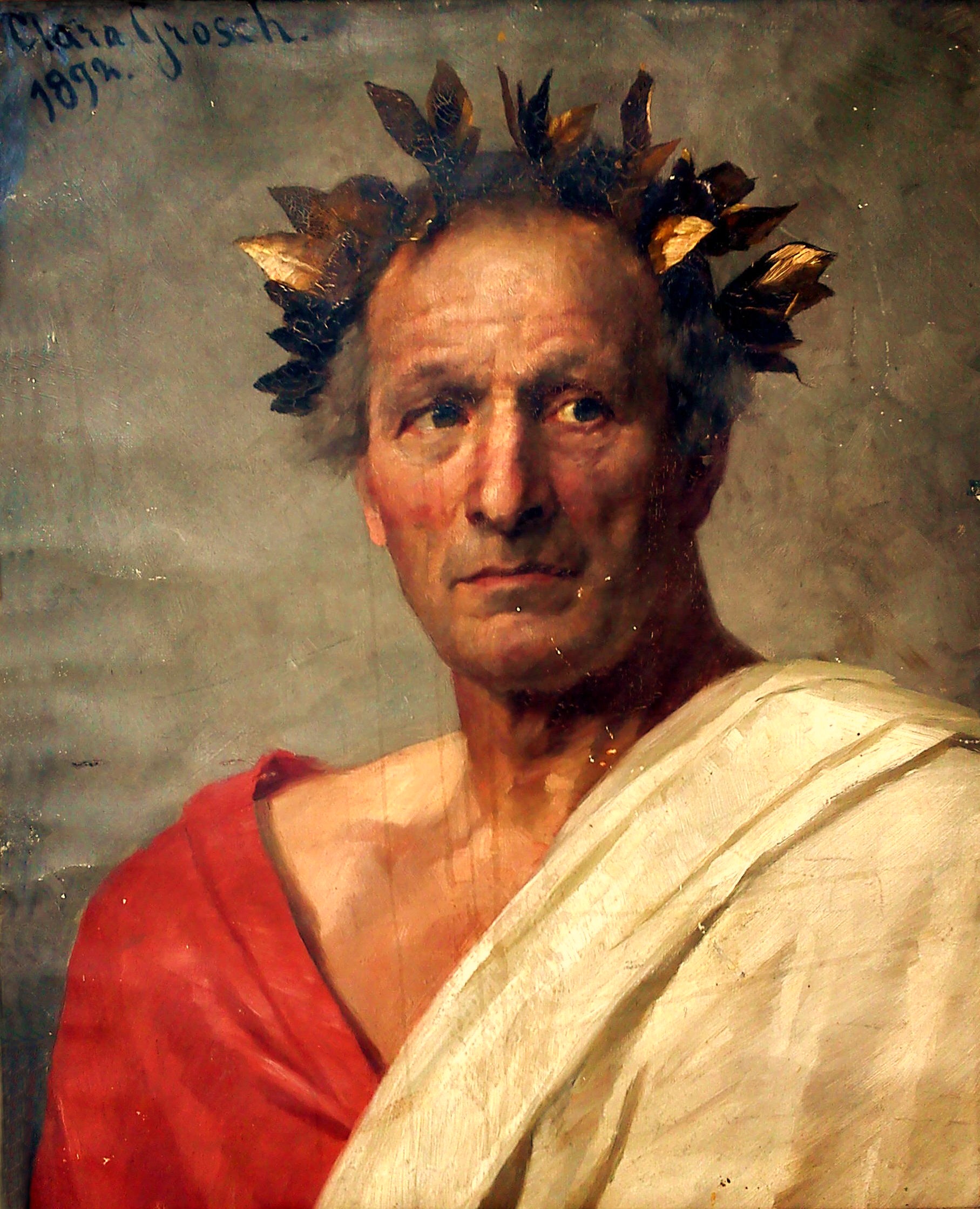
An interview with Julius Cesar gives us a rare chance to step inside the mind of one of history’s most influential rulers. Known to history as Julius Caesar, he transformed Rome through bold decisions, military genius, and political reform. Below is a fictional yet historically grounded conversation presented in a direct interview format.
Early Ambition and Formation
Interviewer: Julius Cesar, when did you first realize you were destined for greatness?
Julius Cesar: Destiny is not something one discovers—it is something one claims. As a young man, I studied the life of Alexander the Great. By my age, he had conquered much of the known world. I felt behind. That dissatisfaction fueled my ambition.
Interviewer: Did your noble background make success easier?
Julius Cesar: Noble birth opens doors, but it does not guarantee power. My family name carried respect, not dominance. I had to build influence through alliances, military success, and public support.
Military Command and Strategy
Interviewer: Your conquest of Gaul remains legendary. What was your guiding strategy?
Julius Cesar: Speed, intelligence, and adaptability. In Gaul, unity among tribes was their strength. I ensured they never united fully. I moved swiftly, built fortifications overnight, and struck decisively.
Interviewer: How did you inspire such fierce loyalty among your legions?
Julius Cesar: I marched with them. I endured the cold and hunger beside them. A commander must not command from comfort while his soldiers suffer. Loyalty grows from shared hardship.
Interviewer: Were you ever uncertain during battle?
Julius Cesar: Of course. Only fools claim no doubt. But doubt must not paralyze action. Decisions win wars, not hesitation.
Political Alliances and Power
Interviewer: Tell us about your alliance with Pompey and Crassus.
Julius Cesar: It was practical necessity. Pompey had military prestige. Marcus Licinius Crassus had immense wealth. I had popular support. Together, we balanced Rome’s political scales. It was not friendship—it was strategy.
Interviewer: What compelled you to cross the Rubicon River?
Julius Cesar: The Senate demanded I surrender command. To do so would have meant political destruction. Crossing that river was a declaration: Rome required change, and I would lead it.
Civil War and Authority
Interviewer: Did you believe civil war was unavoidable?
Julius Cesar: The Republic was fragile long before I marched on Rome. Corruption and rivalry weakened it. My conflict with Pompey merely exposed what was already broken.
Interviewer: After victory, you showed mercy to many enemies. Why?
Julius Cesar: Fear rules briefly. Mercy builds lasting authority. By forgiving opponents, I demonstrated confidence in my power.
Reforms and Governance
Interviewer: What reforms are you most proud of?
Julius Cesar: Stabilizing debt, expanding citizenship, and reforming the calendar. Time itself was chaotic before the Julian reform. Order strengthens civilization.
Interviewer: Some accused you of wanting to be king. Did you?
Julius Cesar: Rome despised kingship. I sought efficiency and unity, not a crown. Titles concern the insecure. Results define a ruler.
Betrayal and the Ides of March
Interviewer: Did you suspect a conspiracy against you?
Julius Cesar: Rumors exist around every powerful man. If I distrusted everyone, governance would become impossible.
Interviewer: What went through your mind when you saw Brutus among the conspirators?
Julius Cesar: Betrayal from strangers wounds the body. Betrayal from friends wounds the spirit. Marcus Junius Brutus believed he defended the Republic. I believed I strengthened it.
Interviewer: Do you believe your death preserved the Republic?
Julius Cesar: No. My death hastened its transformation. The Republic was already fading. After me came emperors.
Personal Reflections
Interviewer: What role did ambition play in your rise?
Julius Cesar: Ambition is energy. Without it, Rome would not expand. But ambition without discipline becomes tyranny.
Interviewer: How did you handle criticism from the Senate?
Julius Cesar: Achievement is the strongest argument. Victories silence many voices.
Interviewer: What defines true leadership?
Julius Cesar: Vision, decisiveness, and responsibility. A leader must accept consequences without complaint.
Lessons for Modern Leaders
Interviewer: What advice would you offer leaders today?
Julius Cesar:
Act swiftly when opportunity arises.
Build alliances, but trust cautiously.
Reward loyalty openly.
Understand that power invites resistance.
Interviewer: Is power worth its risks?
Julius Cesar: Power shapes history. But it demands sacrifice. Those who seek it must accept its cost.
Frequently Asked Questions (FAQs)
1. Was this interview with Julius Cesar real?
No. This dialogue is a fictional reconstruction based on historical accounts.
2. Why is Julius Cesar significant in history?
He transformed the Roman Republic and influenced the rise of the Roman Empire.
3. What was the First Triumvirate?
A political alliance between Caesar, Pompey, and Crassus.
4. Why was crossing the Rubicon important?
It marked open rebellion against the Senate and began civil war.
5. Who assassinated Julius Cesar?
A group of senators, including Brutus.
6. Where can I learn more about Julius Cesar?
You can explore detailed historical records through the Encyclopaedia Britannica.
Conclusion
This interview with Julius Cesar presents a leader driven by ambition, sharpened by conflict, and shaped by both loyalty and betrayal. His legacy remains a study in courage, strategy, and the dangers of concentrated power. More than two thousand years later, his influence continues to echo through politics, military theory, and leadership philosophy.