
Upcoming Festivities in Italy: Easter and National Holidays Guide
Italy’s cultural calendar is rich, diverse, and deeply intertwined with religion, history, and regional identity. As winter fades and spring emerges, the country comes alive with some of its most meaningful and visually stunning celebrations. From solemn religious rituals to lively outdoor festivals, this period offers a unique opportunity to experience authentic Italian culture.
Spring is particularly significant because it marks renewal—not only in nature but also in tradition. Locals gather with family, cities host historic ceremonies, and travelers can enjoy both cultural immersion and pleasant weather. Understanding these festivities can help you better plan your visit and fully appreciate Italy’s heritage.
Easter in Italy: Traditions, Events, and Cultural Significance
Easter is the most important religious celebration in Italy, reflecting the country’s strong Catholic roots. The holiday is not just a single day but part of a broader Holy Week filled with rituals, symbolism, and community participation.
When Is Easter Celebrated?
Easter Sunday falls between late March and April, depending on the lunar calendar. The celebrations begin earlier in the week, culminating in Easter Sunday, followed by Pasquetta (Easter Monday). This extended holiday period makes it one of the busiest travel times in Italy, both for locals and tourists.
Religious Processions and Ceremonies
One of the most striking aspects of Easter in Italy is the presence of deeply moving religious processions. These events often involve entire communities and can vary significantly by region.
In Rome, the Pope leads the Via Crucis at the Colosseum, attracting thousands of visitors and millions of viewers worldwide. In smaller towns, processions can be even more intimate, featuring participants in traditional robes, candlelit marches, and reenactments of biblical events.
In regions like Sicily and Tuscany, these processions often include dramatic performances and centuries-old rituals passed down through generations, making them both spiritual and cultural spectacles.
Traditional Easter Foods
Food plays a central role in Italian celebrations, and Easter is no exception. Each region offers its own specialties, but certain dishes are widely recognized across the country.
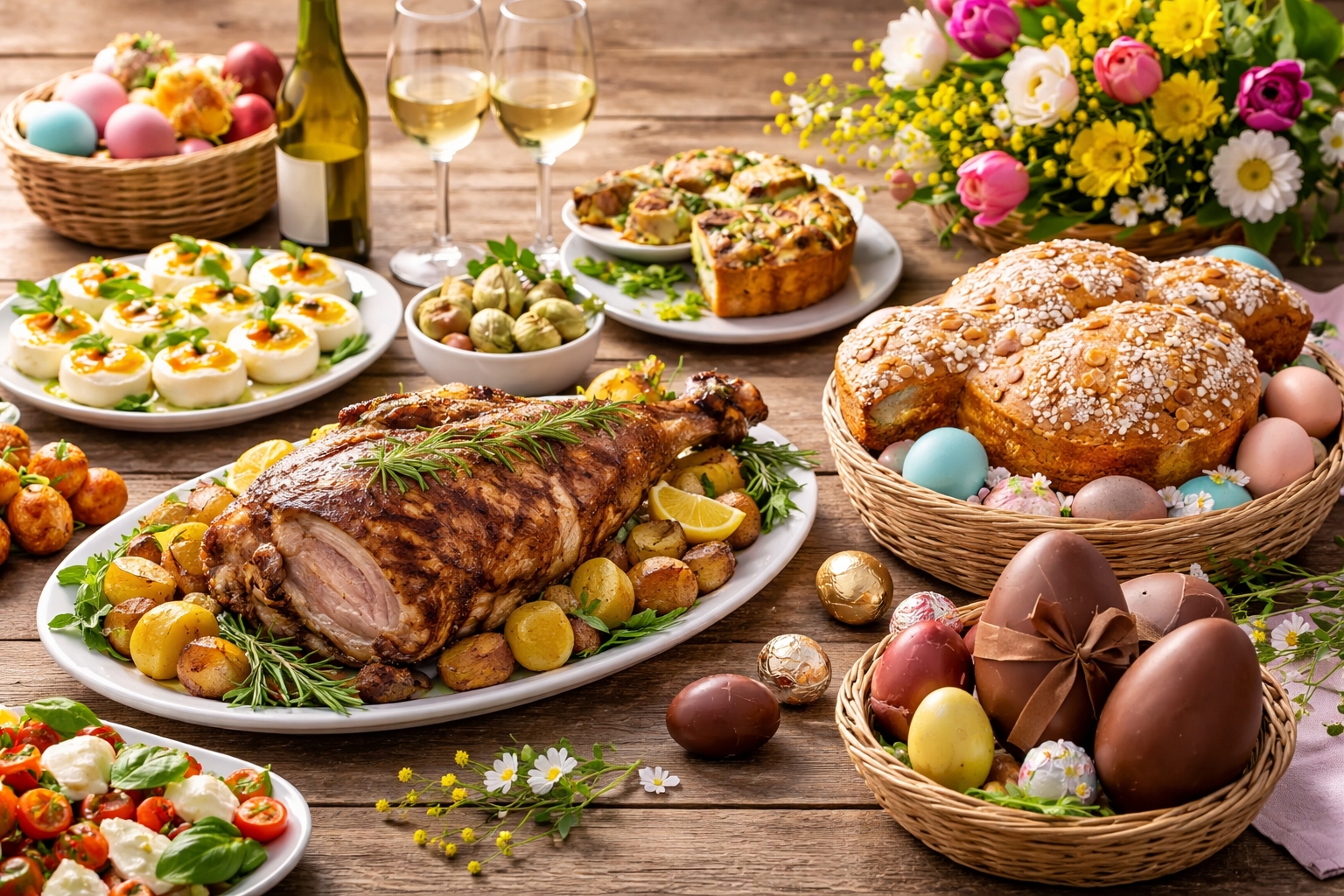
A traditional Easter meal often includes lamb, symbolizing sacrifice and renewal, alongside seasonal vegetables and rich pasta dishes. Desserts are particularly important, with the iconic Colomba di Pasqua taking center stage. This dove-shaped cake, similar in texture to panettone, represents peace and is often gifted among family members.
Chocolate eggs are another staple, especially popular with children. These eggs frequently contain surprises inside, adding an element of excitement to the celebration.
Pasquetta: Easter Monday Traditions
Pasquetta, or Easter Monday, shifts the focus from religious observance to relaxation and socializing. Italians traditionally spend this day outdoors, celebrating the arrival of spring.
Families and friends organize picnics in the countryside, head to the seaside, or explore parks and rural areas. It’s a day marked by simplicity, good food, and shared experiences. Because of this, transportation hubs, tourist attractions, and natural areas can become quite crowded.
For visitors, Pasquetta offers a chance to experience Italy in a more informal, joyful setting, away from the solemnity of Easter Sunday.
Key National Holidays in Italy (Spring–Summer 2026)
Italy’s national holidays reflect pivotal moments in its history and identity. These days are marked by official ceremonies, public events, and a general pause in daily work life, allowing citizens to reflect and celebrate.
Liberation Day (Festa della Liberazione)
Liberation Day (Italy) – April 25
This important holiday commemorates the end of Nazi occupation and Fascist rule in 1945. It represents freedom, resistance, and the foundation of modern democratic Italy.
Across the country, cities host parades, concerts, and memorial ceremonies. Political speeches and cultural events highlight the importance of remembering history. In many towns, locals gather in public squares to sing traditional songs and honor those who fought for liberation.
For travelers, this day provides insight into Italy’s modern identity and its collective memory.
Labour Day (Festa dei Lavoratori)
Labour Day – May 1
Labour Day celebrates workers’ rights and social progress. While it has political roots, it is also a day of leisure and public gatherings.
The highlight of the day is the massive open-air concert held in Rome, known as the “Concertone.” This event attracts top musical artists and thousands of attendees, creating a vibrant and energetic atmosphere.
Shops and businesses are typically closed, and many Italians take advantage of the day to relax, travel, or spend time outdoors.
Republic Day (Festa della Repubblica)
Republic Day (Italy) – June 2
Republic Day marks the 1946 referendum when Italians voted to abolish the monarchy and establish a republic. It is one of the most patriotic celebrations in the country.
The main event takes place in Rome, featuring a grand military parade and an impressive flyover by the Italian Air Force’s Frecce Tricolori, leaving trails of green, white, and red across the sky.
Additionally, many state museums and cultural sites offer free entry, making it an excellent day for visitors to explore Italy’s rich artistic heritage.
Local Festivals and Spring Celebrations
Beyond official holidays, Italy’s local festivals—known as sagre and historical reenactments—offer some of the most authentic cultural experiences.
Flower Festivals (Infiorata)
During spring, many towns host Infiorata festivals, where streets are transformed into intricate floral carpets. These artworks are created using petals, leaves, and natural materials, often depicting religious or artistic themes.
The level of detail and craftsmanship is remarkable, and the displays are typically temporary, lasting only a few days. This fleeting beauty makes them even more special.
Food Festivals (Sagre)
Sagre celebrate local cuisine and agricultural products. These festivals are deeply rooted in regional identity and provide a chance to taste authentic dishes prepared according to traditional recipes.
Visitors can enjoy specialties such as truffles, wild asparagus, artichokes, and regional wines, often accompanied by live music and communal dining experiences.
Medieval and Historical Festivals
Many Italian towns take pride in their history and celebrate it through elaborate reenactments. These festivals often include parades in period costumes, jousting tournaments, and traditional markets.
They offer a glimpse into Italy’s past and are particularly popular in central regions, where medieval architecture provides a perfect backdrop.
Why Visit Italy During These Festivities?
Traveling during this festive period allows visitors to experience Italy at its most dynamic and culturally rich.
Authentic Cultural Immersion
You’ll witness traditions that have been preserved for centuries, offering a deeper understanding of Italian life beyond typical tourist attractions.
Exceptional Food Experiences
Seasonal ingredients and festive recipes make this one of the best times to explore Italian cuisine in its most authentic form.
Unique Atmosphere
From solemn religious ceremonies to lively outdoor gatherings, the atmosphere is vibrant, emotional, and unforgettable.
Travel Tips for Holiday Periods
To ensure a smooth and enjoyable experience, consider the following:
- Book accommodations early: Demand is high during Easter and national holidays
- Plan ahead for closures: Many businesses close on major holidays
- Expect crowds: Popular destinations and transport systems can be busy
- Embrace local traditions: Participating respectfully enhances your experience
Conclusion
Italy’s spring festivities offer a perfect blend of spirituality, history, and celebration. From the profound traditions of Easter to the national pride of Republic Day (Italy), each event provides a unique window into the country’s identity.
Whether you’re planning a trip or creating content for SEO purposes, focusing on these celebrations allows you to capture the essence of Italy during one of its most beautiful and culturally rich seasons.