
Introduction to the Via Francigena
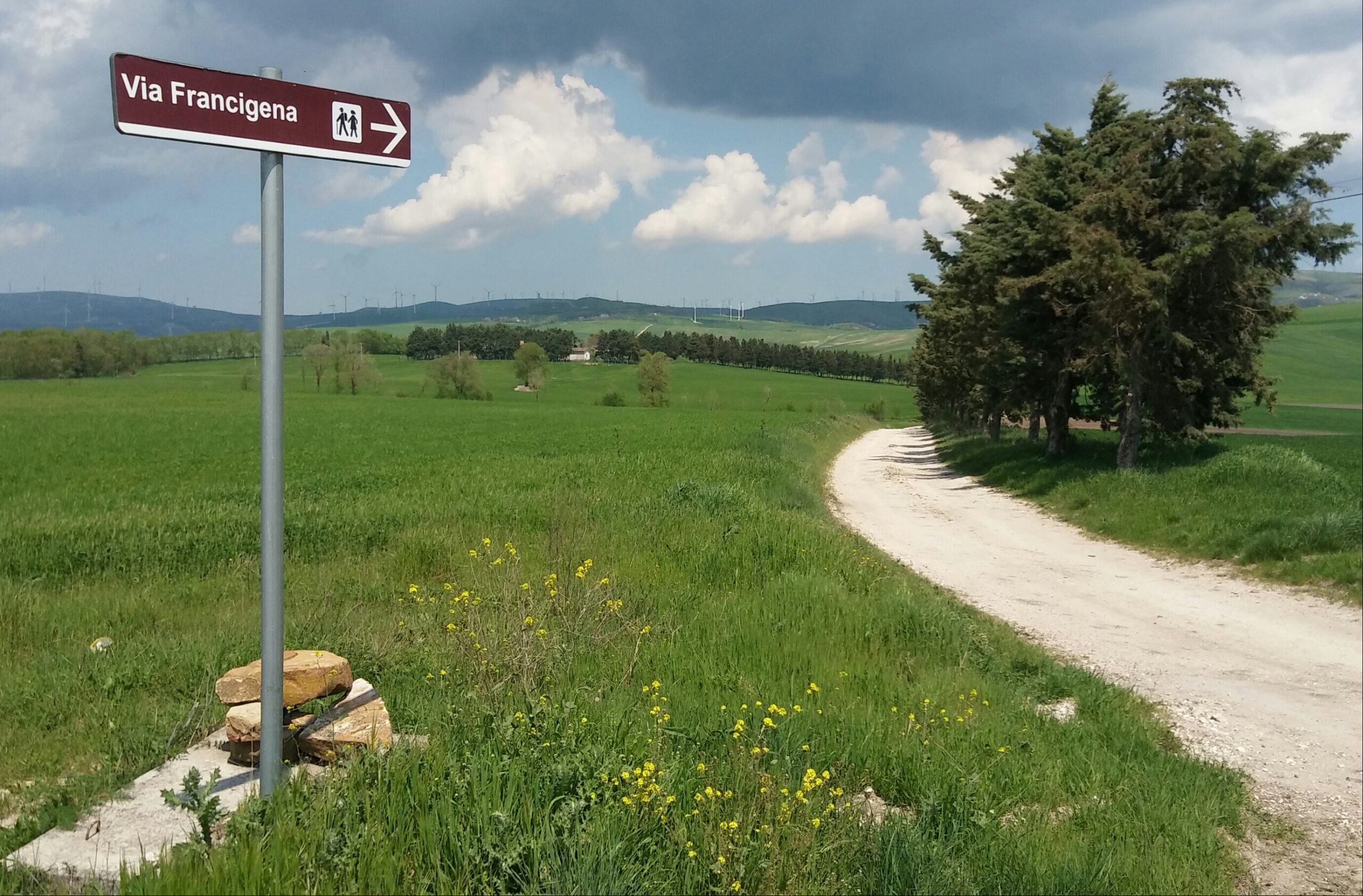
The Via Francigena is one of Europe’s most ancient and storied pilgrim routes, stretching from Canterbury (UK) to Rome (Italy) and historically onward toward Apulia and the Holy Land. In Italy, it enters from the Aosta Valley in the Alps and winds through some of the country’s most breathtaking landscapes—mountains, vineyards, medieval towns, cathedrals, and olive groves.
Unlike the Camino de Santiago, the Via Francigena is lesser-known but equally rich in culture, spirituality, and gastronomic delight. Whether you’re a hiker, a history lover, or a slow-travel explorer, this guide will walk you step-by-step through Italy’s best stops, where to stay, where to eat, and what to explore.
Preparing for the Journey
🥾 Best Time to Go
- Spring & Autumn are ideal (April–June, September–October) for milder weather and stunning scenery.
- Summer can be hot in central and southern Italy; early starts recommended.
- Winter may be snowy in the north.
🎒 Gear Essentials
- Lightweight backpack
- Good hiking shoes
- Water bottle + snacks
- First-aid kit
- Guidebook or offline map
- Pilgrim passport (for stamps and accommodation)
🛡️ Safety & Health
- Always check weather forecasts.
- Stay hydrated.
- Book stays in advance during peak seasons.
Northern Italy Entry: Aosta Valley
The journey begins in Great St Bernard Pass (on the Swiss–Italian border) and descends into the beautiful Aosta Valley, a region of rugged mountains, Roman ruins, and alpine hospitality.
📍 Key Stops
a. Aosta – A charming city with Roman theatre remains and cathedral.
- Stay: Hotel Milleluci – cozy, central, friendly for walkers.
- Eat: Locanda Avegno – traditional Valdostan cuisine (fontina cheese, polenta).
b. Saint-Rhémy-en-Bosses – Traditional village with alpine charm.
- Stay: Pilgrim hostel Maison du Prieuré.
- Eat: Café du Midi – great coffee and sandwiches.
c. Chatillon & Saint-Vincent
- Explore medieval castles.
- Tre Caffè in Chatillon for pizzas and pastas.
Piedmont & Lombardy Highlights
📍 Vercelli
A flat agricultural area known for rice fields.
- Stay: Albergo Tre Re
- Eat: Risotto al Baraggia (local specialty)
📍 Pavia
University city with a medieval center and amazing churches.
- Stay: Ostello San Siro
- Eat: Osteria dei Cavalieri – local wines + polenta.
📍 Milan (Detour)
Great for rest days, art, and culture (Duomo, Last Supper).
- Stay: Budget options near train station (B&B Hotel Milano).
Emilia-Romagna: Medieval Heart
This region is rich in food culture and art.
📍 Fidenza
- Stay: Relais Cattedrale
- Eat: Trattoria di San Giovanni – tortelli, lasagna.
📍 Parma
World-famous for Prosciutto and Parmigiano-Reggiano.
- Explore: Parma Cathedral, Teatro Regio.
- Stay: Hotel Torino
- Eat: La Forchetta.
Tuscany: Rolling Hills & Culture
Arguably the most scenic part of the Via Francigena.
📍 San Miniato
- Stay: Albergo Tre Capannelle
- Eat: Truffles and white wine.
📍 Siena
A medieval jewel with the Piazza del Campo.
- Stay: Antica Torre
- Eat: Osteria Le Logge
📍 San Gimignano
Famous for its towers and Vernaccia wine.
- Stay: Hotel L’Antico Pozzo
- Eat: Cum Quibus
📍 Monteriggioni
A perfectly preserved walled village.
- Stay: La Rocca – boutique & historic.
- Eat: Ristorante La Bottega.
Central Italy Wonders
📍 Radicofani
Dominated by an ancient fortress.
- Stay: Albergo La Terrazza
- Eat: Rustic pasta and local wines.
📍 Acquapendente
Lovely baths and churches.
- Stay: Ostello San Francesco
- Eat: Pizzeria Il Gatto Rosso
📍 Viterbo
The “City of Popes.”
- Stay: Albergo Ristorante Da Mario
- Eat: Osteria del Vecchio Orologio
Lazio & Rome’s Eternal Pull
📍 Vetralla
- Medieval center, thermal baths nearby.
- Stay: Country House Torre Sant’Angelo
- Eat: Olive oil-based Tuscia cuisine.
📍 Rome
The spiritual end for most pilgrims—St. Peter’s Basilica.
- Stay: Pilgrim hostels (e.g., Domus Australia), budget hotels.
- Eat: Classic Roman trattorie — carbonara, cacio e pepe.
Southern Lazio to Campania
While Rome is the traditional end in Italy, many extend pilgrimages southward through Lazio and into Campania—especially for routes connecting to Puglia.
📍 Minturno
- Roman ruins and coastal views.
- Stay: Hotel Serapo
- Eat: Seafood by the sea.
📍 Monte Cassino
Historic abbey and WWII history.
- Stay: On-site guesthouse
- Explore: Abbey & museum.
Final Italian Stretch: Puglia?
Officially the Via Francigena ends in Rome (or if extended to Santa Maria di Leuca, this section covers the deep south). Many travelers combine paths like the Francigena del Sud through Campania into Puglia’s olive groves and white towns.
One of the greatest strengths of the Via Francigena is its wide range of accommodation options, suitable for every budget and travel style. From simple pilgrim hostels to elegant agriturismi and boutique hotels, Italy offers warm hospitality throughout the route.
Where to Stay Along the Via Francigena in Italy
🛏️ Pilgrim Hostels (Ostelli & Foresterie)
These are affordable, communal lodgings often run by religious institutions or municipalities.
- Typical cost: €10–25 per night
- Often require a pilgrim credential
- Examples:
- Ostello San Francesco (Acquapendente)
- Foresteria del Pellegrino (Siena)
- Abbazia di San Miniato al Monte (near Florence, detour)
🏡 B&Bs and Guesthouses
Ideal for comfort without breaking the budget.
- Cost: €40–80 per night
- Often include breakfast
- Highly pilgrim-friendly and flexible with check-in times
🌾 Agriturismi
Rural farm stays offering local food and peaceful settings.
- Especially common in Tuscany and Lazio
- Home-cooked meals using regional ingredients
- Excellent rest stops after long walking days
🏨 Hotels
Best for rest days or city stops like Milan, Siena, or Rome.
- Budget hotels near train stations are common
- Advance booking recommended in peak season
Best Local Eats Along the Way
Food is one of the most rewarding parts of walking the Via Francigena in Italy. Each region brings its own flavors, traditions, and specialties.
🍽️ Regional Highlights
- Aosta Valley: Fontina cheese, polenta, cured meats
- Piedmont: Risotto, bagna cauda, truffles
- Emilia-Romagna: Fresh pasta, Parmigiano-Reggiano, prosciutto
- Tuscany: Ribollita, bistecca alla fiorentina, pecorino
- Lazio: Carbonara, amatriciana, cacio e pepe
- Campania: Mozzarella di bufala, pizza, seafood
🍷 Pilgrim Dining Tips
- Look for menu del pellegrino (fixed-price pilgrim meals)
- Eat where locals eat—avoid tourist traps near landmarks
- Carry snacks like bread, cheese, and fruit for remote stretches
- Respect Italian dining times (lunch 12:30–2:30, dinner after 7)
Hidden Gems Not to Miss
While major towns draw attention, the true magic of the Via Francigena often lies in its quieter corners.
✨ Lesser-Known Highlights
- Castello di Monteriggioni (at sunset) – Magical medieval atmosphere
- Thermal Baths of Viterbo – Free natural hot springs
- Abbazia di San Pietro al Monte (Lombardy detour) – Romanesque masterpiece
- Tuscia countryside – Etruscan tombs and ancient roads
- Montecassino Abbey – Spiritual and historical depth
These hidden gems offer moments of reflection, solitude, and unexpected beauty.
Practical Tips for Walking the Via Francigena
🗺️ Navigation
- Use GPX tracks or official Via Francigena apps
- Waymarking varies by region—don’t rely solely on signs
💰 Budgeting
- Average daily cost: €35–70 (hostels/B&Bs + food)
- Cash is useful in rural areas
- ATMs are generally available every 1–2 days
🚆 Transport & Rest Days
- Trains run parallel to much of the route
- Ideal for skipping dangerous road sections or resting injuries
- Major cities like Pavia, Siena, and Rome are perfect for rest days
🧼 Laundry
- Hand wash at accommodations
- Laundromats common in towns and cities
Frequently Asked Questions (FAQs)
❓ Is the Via Francigena suitable for beginners?
Yes. The Italian section offers varied terrain, good infrastructure, and flexible stages.
❓ How long does it take to walk the Via Francigena in Italy?
From the Swiss border to Rome: approximately 45–60 days, depending on pace and rest days.
❓ Do I need a pilgrim passport?
Not mandatory, but highly recommended for hostels and as a meaningful souvenir.
❓ Is the route safe?
Generally very safe. Some road sections require caution—high-visibility clothing is advised.
❓ Can I walk only part of the route?
Absolutely. Many walkers choose Tuscany or Lazio sections only.
❓ Is Rome the official end of the Via Francigena?
Yes, Rome is the traditional endpoint in Italy, though some continue south via the Francigena del Sud.
Conclusion: Why the Via Francigena in Italy Is a Journey of a Lifetime
Walking the Via Francigena in Italy is far more than a hike—it’s a journey through time, culture, and self-discovery. From the dramatic Alps of the Aosta Valley to the spiritual heart of Rome and beyond, this ancient route offers unmatched diversity in landscapes, cuisine, history, and human connection.
Whether you walk for faith, adventure, or slow travel, the Via Francigena rewards every step with unforgettable moments: sunrise over vineyards, shared meals with strangers, silent abbeys, and the quiet pride of moving forward under your own power.
If you are searching for a pilgrimage that blends authentic Italy, meaningful travel, and rich experiences, the Via Francigena is calling.