
Introduction to Christmas markets in Italy
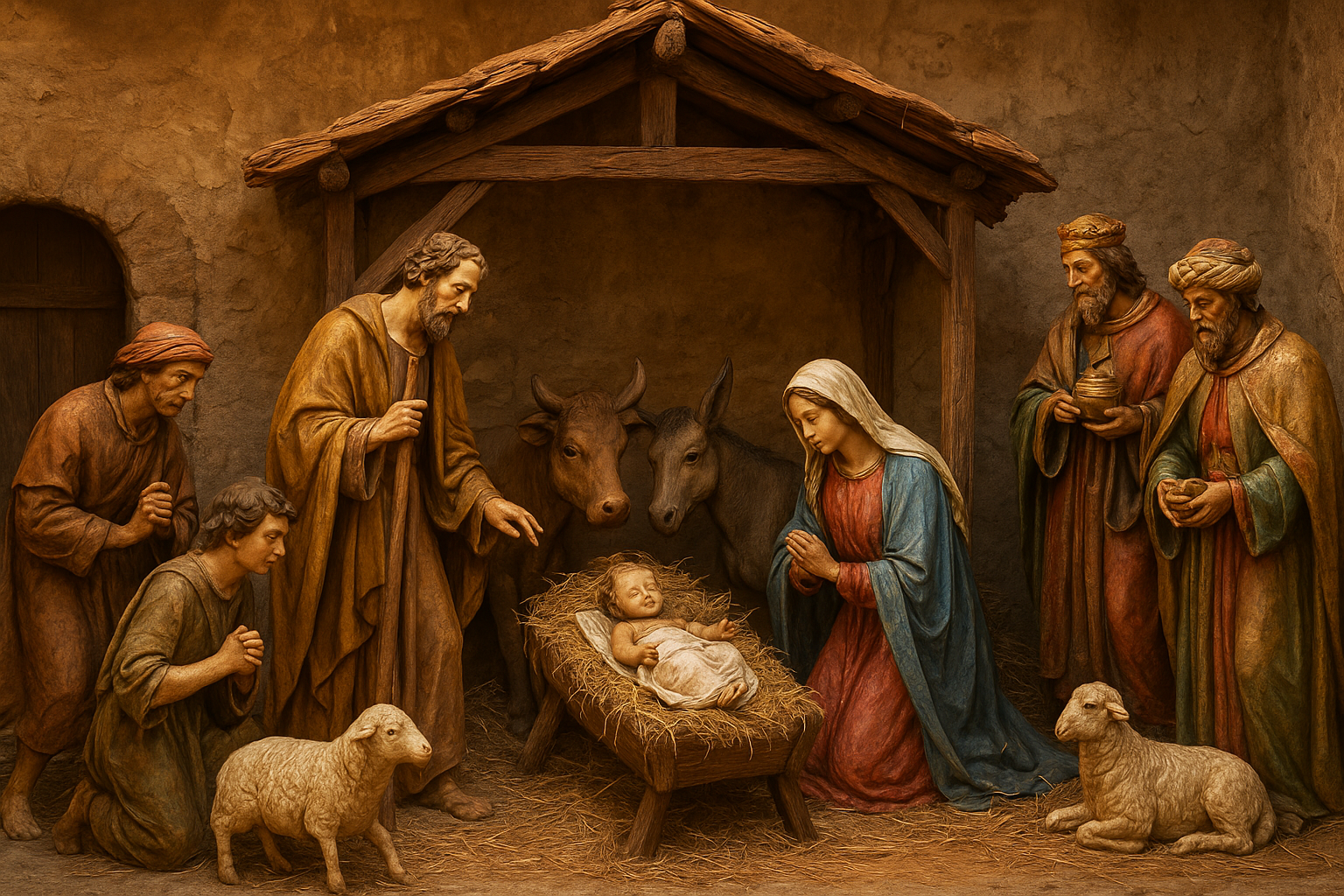
If you’re dreaming of a winter holiday filled with twinkling lights, warm treats, and magical traditions, then Christmas markets in Italy offer an unforgettable experience. From the snow-dusted Alps to the sun-kissed south, Italy transforms into a festive wonderland each December. These markets blend European holiday charm with deep Italian traditions, especially the famous Nativity scenes (presepi) that make the season feel truly sacred and special.
Christmas markets in Italy are more than simple shopping destinations—they’re cultural celebrations where history, community, and joy meet. Visitors find handcrafted ornaments, lively music, delicious seasonal dishes, and richly detailed displays that honor centuries-old holiday customs.
History of Christmas Markets in Italian Culture
Medieval Roots of Festive Market Traditions
While Christmas markets are widely associated with Germany and Austria, Italy embraced the concept in medieval times. Markets were initially practical gatherings where villagers bought winter supplies. Over the centuries, these events transformed into December celebrations with crafts, sweets, and religious displays.
Evolution Into Modern Holiday Attractions
By the 20th century, Italian cities began adopting northern European market styles, blending them with regional art and culinary specialties. Today, nearly every region in Italy hosts at least one major Christmas market, attracting millions of visitors each year.
Famous Christmas Market Locations in Northern Italy
Bolzano Christmas Market (South Tyrol)
Bolzano is home to Italy’s most famous market—deeply inspired by German Christmas traditions due to the region’s unique cultural blend.
Local Crafts & Alpine Culinary Treats
Visitors enjoy handmade candles, wooden ornaments, wool products, and treats like strudel and aromatic mulled wine.
Trento Christmas Market
Located in the heart of Trentino, this market spreads across several piazzas and offers a cozy, alpine atmosphere.
Wooden Toys, Decor & Vin Brulé
Artisans showcase their local woodworking traditions, while food stalls serve hot soups, cheeses, and spiced vin brulé.
Turin Christmas Market
Turin’s elegant piazzas and boulevards glow with festive installations.
Piazzas, Light Festivals & Regional Foods
The “Luci d’Artista” light show adds a magical touch, and visitors enjoy chocolate specialties, pasta dishes, and regional gifts.
Top Christmas Markets in Central Italy
Florence Weihnachtsmarkt (Piazza Santa Croce)
Florence hosts a German-style market each year.
German-Style Stalls & Tuscan Gifts
You’ll find pretzels and bratwurst alongside Tuscan ceramics, leather goods, and beautiful ornaments.
Rome’s Piazza Navona Market
Rome’s most iconic Christmas market blends tradition with entertainment.
Street Performers, Sweets & Traditional Decor
Expect everything from carousel rides and puppet shows to handmade decorations and Italian nougat (torrone).
Magical Christmas Markets in Southern Italy
Naples Christmas Alley (Via San Gregorio Armeno)
This street is the global capital of Nativity art.
Handcrafted Nativity Figures & Artisan Workshops
Here, talented artisans carve and paint figures of every shape and size—from traditional shepherds to humorous celebrity figurines.
Salerno Luci d’Artista Market
A spectacular market surrounded by one of Italy’s most impressive holiday light displays.
Illuminated Installations & Local Products
Visitors wander past glowing sculptures, tasting pastries and browsing regional crafts.
Iconic Nativity Scenes in Italy (Presepi)
Presepi Viventi (Live Nativity Scenes)
Many towns stage live reenactments with costumes, music, and village participation.
Artistic Nativity Sculptures of Naples
Naples’ artisans are world-renowned for their detailed, expressive figures.
Church & Community Nativity Displays
Every region displays intricate presepi in churches, squares, and even caves.
Popular Attractions at Italian Christmas Markets
Food & Seasonal Delicacies
Panettone, roasted chestnuts, biscotti, cured meats, polenta, hot chocolate, and mulled wine are market staples.
Handmade Gifts & Traditional Crafts
Expect ornaments, wooden toys, ceramics, leather goods, candles, jewelry, and handwoven textiles.
Music, Festive Lights & Family Activities
Choirs, folk bands, nativity plays, children’s workshops, and light shows create a joyful atmosphere for all ages.
Travel Tips for Visiting Christmas Markets in Italy
Best Time to Visit
Most markets run from late November to January 6 (Epiphany).
What to Wear & Weather Expectations
Northern Italy can be snowy and freezing; southern markets are milder but still chilly at night.
Money-Saving Tips & Local Etiquette
Travel by train when possible, bring cash for small stalls, greet vendors warmly, and try regional specialties.
Frequently Asked Questions
1. When do christmas markets in Italy usually start?
Most open in late November and continue until early January.
2. Are Italian Christmas markets expensive?
Prices vary, but many markets offer affordable food and handmade gifts.
3. Which city has the biggest Christmas market in Italy?
Bolzano hosts the largest and most famous market.
4. Is it safe to visit Christmas markets at night?
Yes, markets are well-lit and patrolled, but normal travel safety is advised.
5. What foods should I try at Italian Christmas markets?
Panettone, polenta, strudel, roasted chestnuts, and regional pastries.
6. Are pets allowed at Christmas markets?
Many markets allow dogs, but crowds can be overwhelming during peak hours.
Conclusion
Christmas markets in Italy offer a heartwarming blend of tradition, artistry, and festive joy. Whether you’re exploring snowy Alpine towns or strolling through historic city piazzas, each market fills the season with magic. From delicious seasonal treats to world-famous Nativity scenes, there’s no better way to experience Italian holiday culture.
For additional travel inspiration, check resources like Italia.it for updated holiday information.