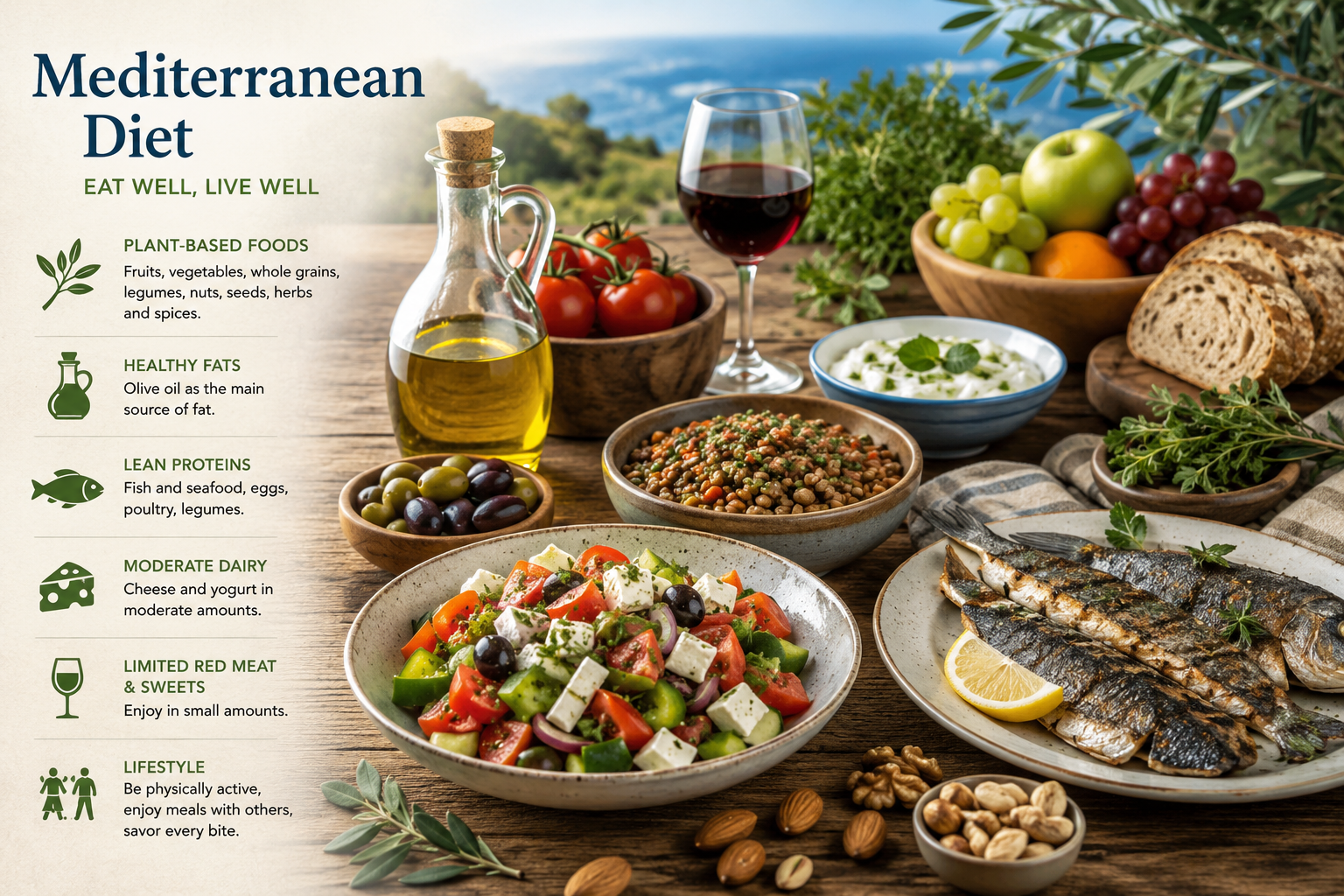
If the internet had existed centuries ago, Italians probably would have been arguing in the comments about whether adding extra burrata still counted as “traditional.” Which feels fitting, because the modern Mediterranean diet online can look more like a food festival than an actual way of eating. In reality, it was never about piling richness onto every plate. Traditional Mediterranean meals were often simple, repetitive in the best way, and centered around balance: vegetables, olive oil, legumes, bread, fish, fruit, and just enough pasta to make dinner feel complete.
The Internet Loves the “Luxury” Version of Italian Food
Most viral Italian recipes focus on rich ingredients because they instantly grab attention online. Melted cheese stretches well in videos. Creamy sauces grab attention. Giant portions make people stop scrolling.
But historically, many Italian families have not eaten like that every day. Traditional Italian cooking came from farming communities, fishing villages, and mountain towns where ingredients were seasonal and practical. Meat often played a smaller role. Vegetables filled most plates. Beans appeared constantly. Bread was never wasted. Olive oil carried flavor without needing heavy sauces. That older style of eating has looked less flashy online, but it actually matched many modern nutrition recommendations for decades.
Pasta Was Never the Main Character
One of the biggest internet myths is that Italians have always eaten giant bowls of pasta at every meal. In reality, traditional portions were usually much smaller than what shows up online today. Pasta functioned more like one part of the meal instead of the entire event. In many regions, it was paired with lentils, chickpeas, olive oil, anchovies, tomatoes, and plenty of seasonal vegetables, especially during colder months when hearty greens, squash, cabbage, and beans became staples. That seasonal approach mattered nutritionally too. Produce eaten in season is often fresher, more nutrient-dense, and naturally more satisfying, which helped meals feel filling without needing extreme portions. Combined with fiber-rich legumes and slower-burning carbohydrates, dishes like Pasta e Fagioli created balanced meals that kept people full for hours. It may never trend as fast as a five-cheese baked pasta, but nutritionally, it is doing a lot more heavy lifting.
Traditional Italian Food Has Been Surprisingly Plant-Forward
Modern food trends often market plant-based eating as something brand new, but Italian regional cooking solved that puzzle generations ago without needing labels or hashtags. In southern Italy especially, meals frequently centered around eggplant, zucchini, bitter greens, bread, and olive oil. Animal products appeared more like supporting ingredients rather than the foundation of the plate. A little pecorino on vegetables or a few anchovies in sauce added depth without overwhelming the meal. That approach naturally lowered saturated fat while still keeping food satisfying, and the funny part is that many “healthy eating influencers” have recently recreated meals Italian grandmothers perfected decades ago.
Dessert Was More of a Moment Than a Lifestyle
Social media often presents Italian culture as an endless stream of tiramisu, cannoli, pistachio cream, and gelato runs at midnight. Those foods absolutely belong to Italian culinary tradition, but they were historically tied to celebrations, Sundays, festivals, or special occasions. Daily life looked much simpler. Fresh fruit often finished meals. Nuts and dried figs served as snacks. Espresso closed out lunch. Sweets existed, though they did not dominate every single day.
Walking Has Been Part of the Formula
One detail constantly disappears online when people talk about the Mediterranean diet: movement. Traditional Italian lifestyles included walking almost everywhere. Markets, bakeries, schools, and town centers stayed connected by foot. Farming communities involved physical labor from morning until evening. Food never existed separately from daily activity, and that context changes everything. A plate of pasta hits differently when it follows hours of movement instead of an entire day sitting indoors watching recipe videos.
The Mediterranean Diet Has Never Been About “Cheat Meals”
The internet loves extremes. One week everybody fears carbohydrates. The next week everybody films “cheat day” feasts loaded with fried food and desserts. Traditional Mediterranean eating has never operated that way. There has usually been room for bread, pasta, wine, vegetables, seafood, legumes, and desserts in moderation. The focus stayed on consistency instead of dramatic cycles. That mindset may actually explain why the Mediterranean diet has remained one of the most researched eating patterns in the world. It feels realistic because it was built around real life.
Forgotten Foods Have Started Making a Comeback
Interestingly, many overlooked Italian foods have recently returned to the spotlight because nutrition experts now recognize their value. Ancient grains like Farro contain fiber and minerals that refined products often lose. Bean-based soups provide affordable protein. Sardines and anchovies deliver omega-3 fatty acids without requiring expensive supplements. Even stale bread found a second life in dishes like Panzanella, proving that traditional Italian cooking understood sustainability long before it became trendy. The old recipes have started looking surprisingly modern again.
The Real Secret Has Been Simplicity
The Mediterranean diet has survived centuries because it never depended on perfection. It adapted to seasons, local ingredients, and ordinary routines. That is the part social media sometimes misses.
The healthiest Italian meals have usually been the dishes built from humble ingredients that worked together naturally. Once you strip away the viral food trends, you discover something much more interesting. Traditional Italian eating has never tried to impress the internet, it has simply helped people eat well, enjoy life, and come back to the table tomorrow.