

Key Takeaways
- New Year celebrations in Italy blend food, family, superstition, music, and hope, spanning several days from preparation to New Year’s Day.
- The cenone, a grand dinner on New Year’s Eve, features symbolic foods like lentils and seafood, representing abundance and prosperity.
- Spumante, a sparkling wine, plays a key role in midnight toasts, signifying joy and renewal as fireworks light up the night sky.
- Regional variations enrich the celebrations, with northern festivities feeling reserved and southern ones being more vibrant and loud.
- Superstitions like wearing red underwear and eating lentils reflect Italy’s cultural connection to luck and prosperity during New Year celebrations.
New Year celebrations in Italy
New Year celebrations in Italy are more than a date on the calendar. They are a vivid blend of food, family, superstition, music, and hope. As the year ends, Italy does not simply say goodbye. Instead, it celebrates loudly, passionately, and with meaning. From elegant dinner plates filled with symbolic dishes to glasses of spumante raised at midnight, the country welcomes the upcoming year with rituals shaped by centuries of tradition.
Unlike many places where the celebration is limited to one night, New Year celebrations in Italy stretch across several days. They begin with preparation, peak on New Year’s Eve, and gently settle into New Year’s Day. Each region adds its own flavor, yet the heart of the celebration remains shared. Italians believe that how you start the year matters deeply. What you eat, who you are with, and even what you wear can shape the months ahead.
This belief explains why the cenone, the grand New Year’s Eve dinner, is treated with such care. It also explains why fireworks light up city squares, why concerts fill historic piazzas, and why ancient customs still survive in modern homes. Italy greets the future with optimism, noise, and a full table. In short, it welcomes the new year the Italian way.
The meaning behind New Year celebrations in Italy
To understand New Year celebrations in Italy, one must understand the Italian relationship with time. Italians respect the past, live intensely in the present, and look toward the future with cautious hope. New Year’s Eve, known as Capodanno or San Silvestro, becomes a symbolic bridge between what has been and what is yet to come.
The celebration is rooted in Roman history. Ancient Romans honored Janus, the god of beginnings and endings, during this time. He had two faces, one looking backward and one forward. Even today, this symbolism remains strong. Italians reflect on the year that passed while actively preparing for a better one.
Moreover, New Year celebrations in Italy are deeply social. Being alone on New Year’s Eve is often seen as unlucky. Families, friends, and sometimes even strangers gather together. The shared experience matters more than perfection. Laughter, conversation, and togetherness are considered essential ingredients for good fortune.
The cenone: the heart of Italian New Year’s Eve
At the center of New Year celebrations in Italy stands the cenone di Capodanno. This is not a casual dinner. It is a long, rich, and carefully planned meal that often lasts for hours. The cenone is usually eaten late in the evening, slowly building toward midnight.
Dinner plates during the cenone are filled with foods that carry symbolic meaning. Lentils are perhaps the most famous. Their round shape resembles coins, and they are believed to bring wealth and prosperity in the upcoming year. They are often served with cotechino or zampone, traditional pork sausages that symbolize abundance and continuity.
Seafood is also common, especially in southern Italy. Dishes may include baccalà, fried calamari, shrimp, or elaborate seafood pasta. In contrast, northern regions may favor richer meats and stuffed pastas. Despite regional differences, the goal remains the same. The meal should be plentiful. An empty table is thought to invite bad luck.
Desserts play a crucial role as well. Panettone and pandoro appear on nearly every Italian table. These sweet breads are often accompanied by mascarpone cream, chocolate, or fresh fruit. Sharing dessert is seen as a sweet promise for the year ahead.
Spumante and the midnight toast
No discussion of New Year celebrations in Italy would be complete without spumante. As midnight approaches, bottles of sparkling wine are chilled, glasses are set out, and anticipation fills the room. When the clock strikes twelve, Italians raise their glasses and toast to buon anno, meaning “happy new year.”
Spumante is more than a drink. It represents celebration, joy, and renewal. Prosecco, Asti, and Franciacorta are among the most popular choices, each reflecting its region of origin. The popping of corks often blends with the sound of fireworks outside, creating a moment that feels both intimate and grand.
The midnight toast is usually accompanied by kisses, hugs, and warm wishes. Some families exchange small gifts, while others focus on words of hope. In that moment, the worries of the past year are set aside, at least briefly, in favor of optimism.
Fireworks and noise as symbols of renewal
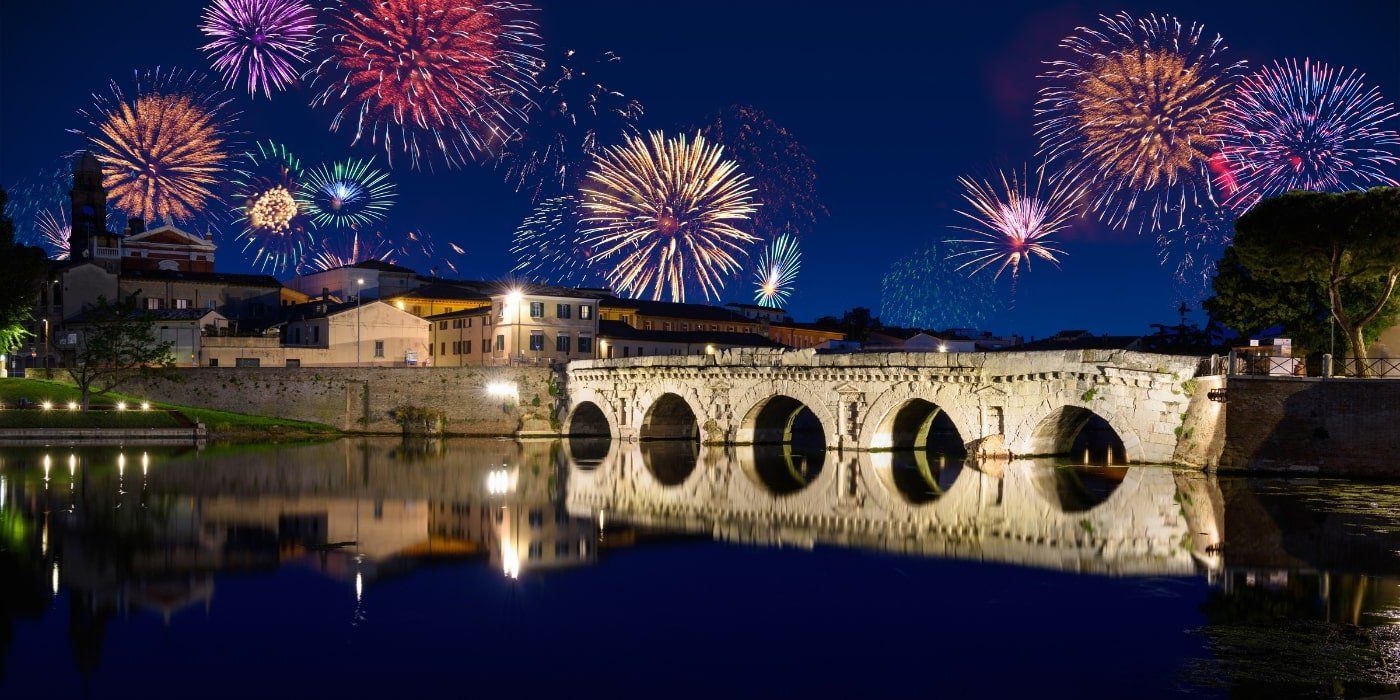
Fireworks are a defining feature of New Year celebrations in Italy. Cities and towns compete to create the most impressive displays, while private fireworks light up balconies and streets. The noise is intentional. It is believed to scare away evil spirits and negative energy from the old year.
Rome, Naples, Florence, and Milan are especially famous for their public fireworks. Historic landmarks become dramatic backdrops for colorful explosions in the sky. The combination of ancient architecture and modern celebration creates a unique atmosphere.
In some areas, people also bang pots, ring bells, or shout loudly at midnight. While these customs may seem playful, they are rooted in superstition. Noise, according to tradition, cleanses the space and makes room for new beginnings.
Concerts, events, and public celebrations
Beyond the home, New Year celebrations in Italy spill into the streets. Major cities organize free concerts in central piazzas, attracting thousands of people. These events often feature popular Italian musicians, orchestras, or DJs, depending on the city and audience.
Rome’s concert near the Circus Maximus is among the most famous. Milan, Florence, Venice, and Naples also host large-scale events. These gatherings turn historic squares into open-air parties where locals and visitors celebrate together.
Smaller towns organize their own festivities. Local bands perform, food stalls open, and communities come together. The sense of belonging is strong. Even tourists are welcomed warmly, often invited to join in traditions they may not fully understand yet quickly enjoy.
Regional differences in New Year celebrations in Italy
While there are shared customs, New Year celebrations in Italy vary significantly by region. In the north, celebrations may feel more reserved, focusing on family dinners and cultural events. In contrast, the south often celebrates with greater intensity, louder fireworks, and longer parties.
In Naples, for example, fireworks are taken to another level. The city becomes a continuous display of light and sound, lasting well into the night. In Venice, the celebration is more romantic, with fireworks reflected in the canals and couples sharing midnight kisses in Piazza San Marco.
In rural areas, traditions remain deeply tied to local history. Some villages light bonfires, while others perform symbolic acts meant to release the past. These regional variations add richness to New Year celebrations in Italy, making each experience unique.
Superstitions and symbolic traditions
Italian New Year celebrations are filled with superstition. One of the most famous customs is wearing red underwear on New Year’s Eve. Red is associated with luck, love, and vitality. It must be new and ideally gifted to be effective.
Another tradition involves what you do right after midnight. Some Italians believe that stepping into the new year with the right foot brings good luck. Others make sure to have money in their pocket to attract financial success.
Food-related superstitions are equally strong. Lentils must be eaten. Leaving food on the plate is discouraged. Even the order of dishes can matter. These rituals may seem small, yet they carry emotional weight and connect modern Italians to their ancestors.
Letting go of the old year
New Year celebrations in Italy are not only about welcoming the future. They are also about releasing the past. In some parts of southern Italy, there was once a tradition of throwing old objects out of windows at midnight. While this practice is now mostly symbolic or discouraged for safety reasons, the idea remains powerful.
Today, letting go often takes a quieter form. People write down what they want to leave behind and symbolically discard the paper. Others clean their homes thoroughly before New Year’s Eve, believing that a clean space invites positive energy.
This act of release creates emotional space. It allows people to enter the new year lighter, both mentally and spiritually.
New Year’s Day in Italy
The celebration does not end at midnight. New Year’s Day, known as Capodanno, is a public holiday. Streets are quieter, and the pace slows. Families often gather again for lunch, enjoying leftovers from the cenone or simpler comfort foods.
Many Italians take walks, visit friends, or attend cultural events. In some cities, New Year’s Day concerts are held, offering a calmer yet elegant continuation of the festivities. Religious traditions also play a role, with some attending church to give thanks and seek blessings.
This slower rhythm reflects balance. After the excitement of the night before, New Year celebrations in Italy gently shift toward rest and reflection.
The role of family and friendship
At its core, New Year celebrations in Italy revolve around relationships. Family ties are honored, friendships are strengthened, and shared memories are created. Even when celebrations are large and public, the emotional center remains personal.
For Italians living abroad, recreating these traditions becomes especially important. The cenone, the spumante, and the midnight toast become ways to stay connected to home. In this sense, New Year celebrations in Italy extend beyond borders.
Modern influences and evolving traditions
Like all traditions, New Year celebrations in Italy continue to evolve. Younger generations may mix classic customs with modern parties, international music, or travel. Social media has also influenced how celebrations are shared and remembered.
Yet despite these changes, the essence remains. Food is still central. Togetherness still matters. Hope still defines the moment. Modern Italy does not abandon its traditions. Instead, it adapts them, allowing each generation to find meaning in familiar rituals.
Why New Year celebrations in Italy feel unique
What makes New Year celebrations in Italy truly special is their emotional depth. They are joyful yet reflective, festive yet meaningful. Every element, from the dinner plates to the fireworks, carries intention.
Italy does not rush into the new year. It welcomes it thoughtfully, with a full heart and a full table. The celebration honors life, continuity, and the belief that tomorrow can be better than today.
Frequently asked questions
What is the cenone in New Year celebrations in Italy?
The cenone is a large, traditional New Year’s Eve dinner featuring symbolic dishes meant to bring luck, prosperity, and happiness in the upcoming year.
Why are lentils important during Italian New Year celebrations?
Lentils symbolize wealth and financial success because their shape resembles coins. Eating them is believed to attract prosperity.
What do Italians drink at midnight on New Year’s Eve?
Spumante, a sparkling wine such as Prosecco or Asti, is traditionally used for the midnight toast.
Are fireworks common during New Year celebrations in Italy?
Yes, fireworks are extremely common and symbolize the removal of negative energy from the old year.
Do Italians celebrate New Year’s Day as well?
Yes, New Year’s Day is a public holiday marked by family lunches, relaxation, and sometimes cultural events.
Is wearing red underwear really a tradition in Italy?
Yes, wearing red underwear on New Year’s Eve is believed to bring good luck and love in the upcoming year.
Conclusion
New Year celebrations in Italy offer a powerful reminder of how tradition and joy can coexist. Through the cenone, spumante, fireworks, concerts, and quiet moments of reflection, Italians welcome the upcoming year with intention and warmth. These celebrations are not just events. They are expressions of culture, history, and hope.
Whether experienced in a bustling city square or around a family table, the Italian way of celebrating the new year leaves a lasting impression. It teaches that food can carry meaning, noise can cleanse the spirit, and togetherness can shape the future. As the clock strikes midnight, Italy does not merely mark time. It celebrates life itself.