
Christmas in Italy is not marked by one single menu, but by dozens of local traditions that change from region to region, and sometimes even from family to family. What unites them all is the importance of food as a moment of togetherness, memory, and celebration. From seafood-based Christmas Eve dinners to rich meat dishes on Christmas Day, Italian holiday cuisine reflects geography, history, and deep-rooted customs.
On Christmas Eve, many families still observe a meat-free meal, focusing instead on fish, vegetables, and simple preparations. Christmas Day, however, is all about abundance: pasta in broth, slow-cooked meats, festive sides, and indulgent desserts take center stage.
Christmas Traditions in Northern Italy
In Northern Italy, the holiday table is shaped by colder weather and mountain or countryside ingredients.
In the Alpine regions, dishes are hearty and warming. Beef braised in red wine, cured meats, aged cheeses, and bread-based preparations often open the meal. Bread dumplings, known as canederli, are common in areas near Austria, usually served in broth or with melted butter.
Piedmont is famous for filled pastas such as agnolotti, paired with rich sauces or served simply with butter. Christmas meals often include bollito misto, a selection of boiled meats accompanied by traditional sauces made with herbs, garlic, or anchovies.
Along the Ligurian coast, seafood plays a more prominent role. Stuffed vegetables, ravioli filled with herbs, and elaborate fish-based salads appear on festive tables. In Lombardy and Veneto, polenta is frequently served with salt cod, eel, or slow-cooked meats.
Further east, fermented vegetables, sausages, and rustic dishes are common, while desserts often include fruit-filled breads and spiced cakes that reflect Central European influence.
Christmas Dishes in Central Italy
Central Italy balances rich flavors with simplicity. Pasta is the undisputed star of Christmas lunch, especially when served in broth.
In Emilia-Romagna, tiny filled pastas like tortellini or cappelletti are traditionally served in a clear meat broth. Lasagna, tagliatelle, and stuffed pasta with pumpkin or herbs are also common. The region’s renowned cured meats often appear as appetizers.
In Lazio, Christmas Eve is usually dedicated to fish dishes, while Christmas Day brings roasted lamb, pasta in broth, and seasonal vegetables. Tuscany leans toward rustic elegance, offering chicken liver crostini, roasted poultry, and sausages flavored with fennel.
In the Marche, Umbria, and Abruzzo regions, hand-rolled pastas, layered lasagne, roasted meats, and rich soups dominate the menu, reflecting a strong connection to rural traditions.
Southern Italian Christmas Specialties
Southern Italy embraces bold flavors and festive abundance.
In Campania, Christmas dishes may include capon broth, pasta with clams, and elaborate vegetable side dishes preserved in vinegar or oil. Desserts play an essential role, with honey-coated fritters and spiced cookies appearing in almost every home.
Molise and Calabria favor simple yet intense flavors: baked salt cod with breadcrumbs, garlic, and herbs; homemade pasta topped with anchovies or chili; and generous platters of cured meats. Roasted goat or lamb often marks Christmas Day.
In Puglia, bitter greens, fried dough fritters, and rustic vegetable dishes are staples of the holiday table. Sardinia celebrates with filled pasta and small gnocchi served with sausage sauce, while Sicily offers one of the most diverse Christmas spreads in Italy, combining seafood, vegetables, baked dishes, and iconic sweets.
Classic Italian Christmas Desserts
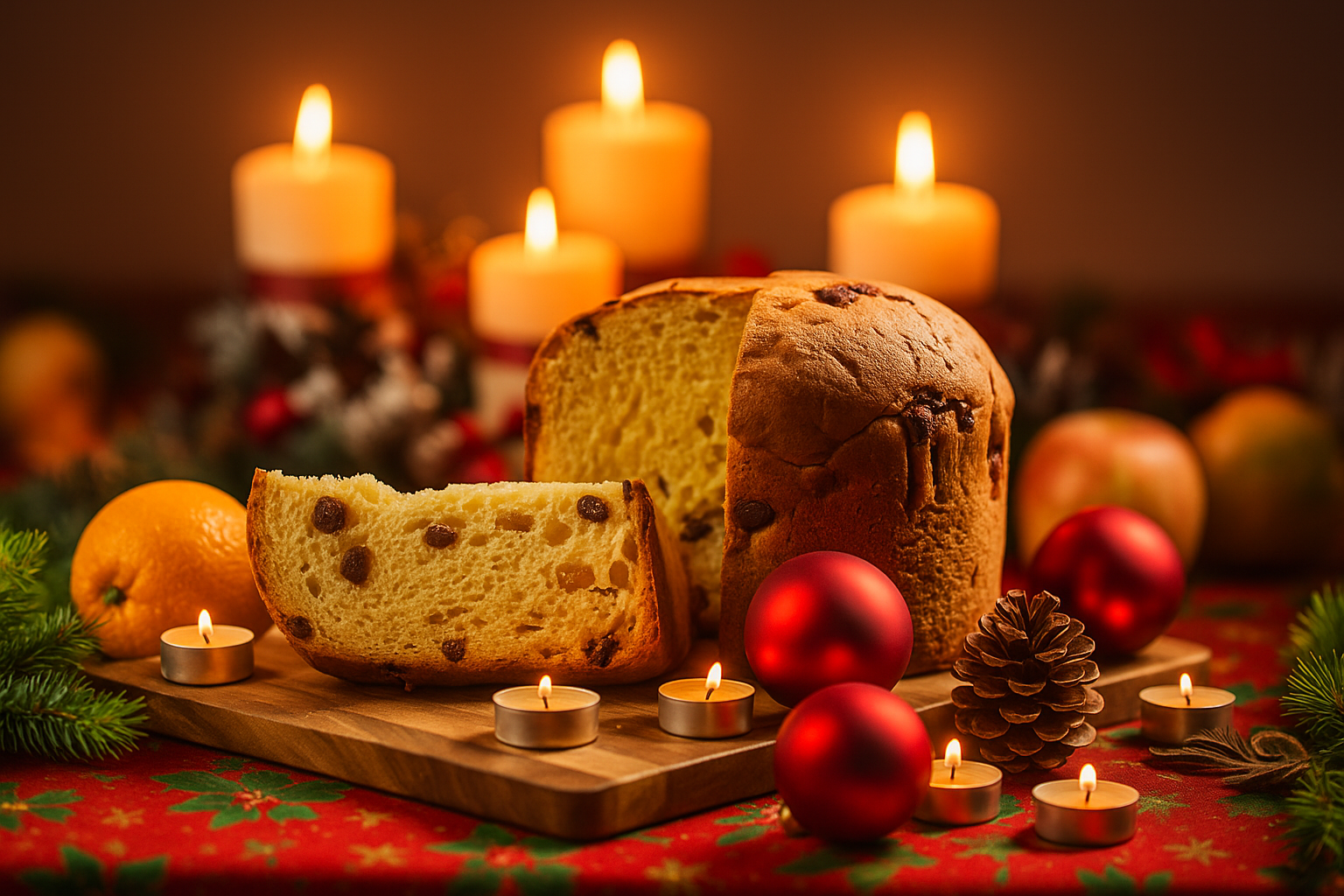
No Italian Christmas meal is complete without dessert. Panettone and pandoro dominate tables across the country, often served with sweet wines or cream. Regional specialties, from fruit-filled breads to almond-based pastries, add local character to the final course.
These desserts are rarely rushed. Christmas in Italy is about lingering at the table, sharing stories, and enjoying one last slice before coffee or liqueurs.
A Celebration Beyond Food
Italian Christmas cuisine is not just about recipes. It is about tradition, identity, and family. Each dish tells a story of place and season, passed down through generations. Whether simple or elaborate, every meal reflects the joy of gathering together and honoring the past while celebrating the present.
Original article appeared on La Cucina Italiana: https://www.lacucinaitaliana.it/news/trend/piatti-di-natale-italiani/