
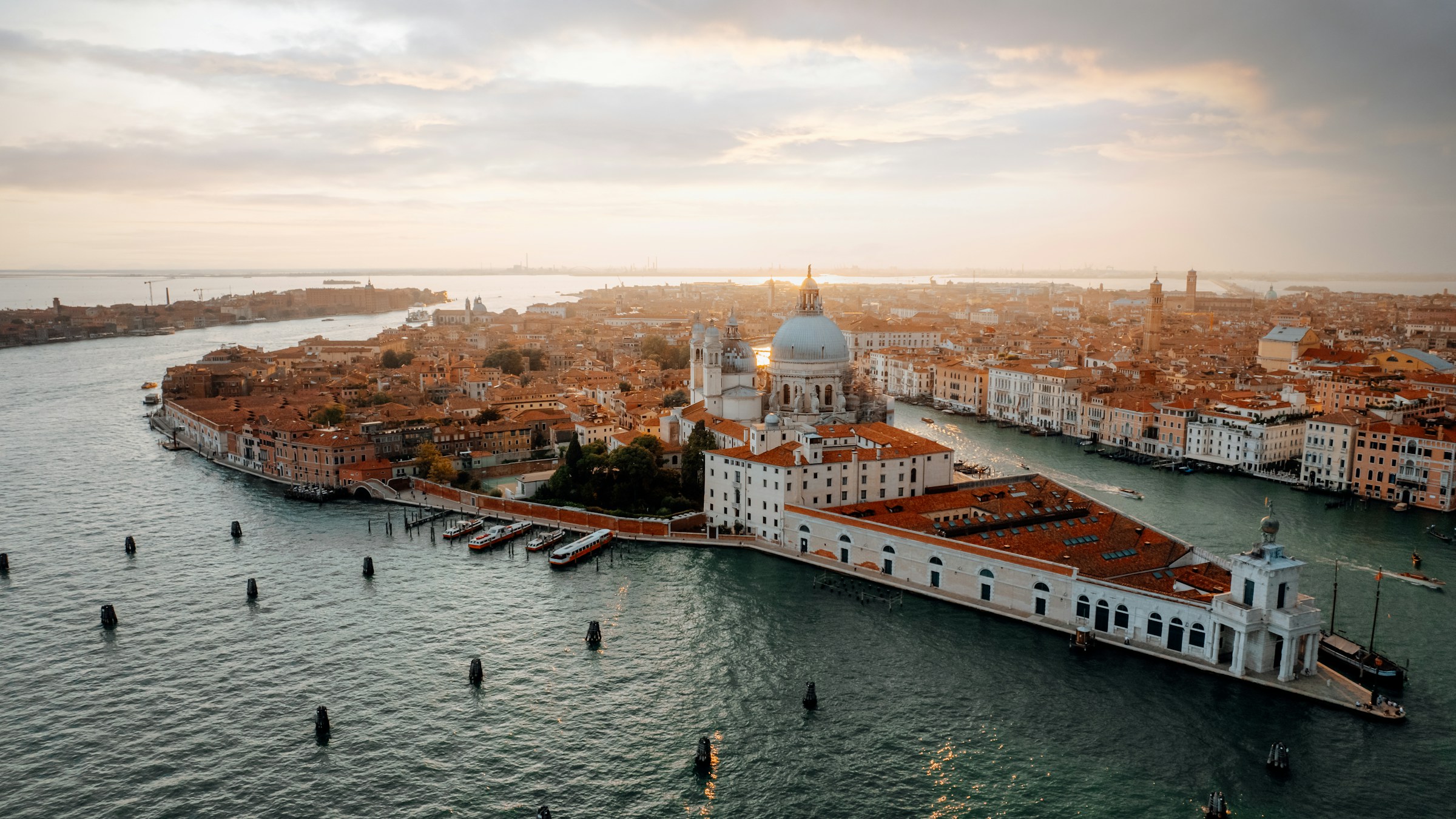
When you walk into a modern casino or play online, you are at the end of a rich history and tradition that started centuries ago. While the city of Las Vegas may now be the one most synonymous with the casino, here you’ll see how it all started in Venice, Italy.
It’s easy to think of the casino as a fairly modern invention. In reality, it has been shaped and evolved through politics, culture and economics. The human desire to have fun while gambling is far from a modern phenomenon.
If you love casino games today, all you need to do is click on a platform such as Jackpot City and choose from a seemingly countless number of games available. However, that accessibility is the culmination of a history that has stretched back nearly 400 years.
The Birth of the Casino in Venice
Various forms of gambling have been going on for as long as humans have existed. Yet the modern casino, as we know it, started to take shape back in 1638 in Italy. This was when the Venetian government opened the Ridotto. Instead of being a rowdy and lawless place, it was strictly controlled by the government and exclusive.
To enter, you would have needed to wear both a mask and formal attire. This was a response to the gambling that was already a part of Venetian culture. It helped turn it from something that was chaotic and hard to control into something the government could supervise and collect money from.
The games played inside weren’t quite what you know today. However, they did include variations that would develop into modern baccarat and other table games. Instead of banning gambling, it was contained. The idea to legalize, regulate and then profit from gambling is a core part of what shaped the casino industry.
There are many incredible sites to visit in Venice but the Ridotto casino isn’t one of them. That’s because it has been closed down since 1774. The building that housed the casino still stands today as the Hotel Monaco & Grand Canal but nothing remains of the gambling that once buzzed around its walls.
The Spread Across Europe
Over the 18th and 19th centuries, gambling houses spread across Europe as the same idea that inspired the Venetian casino caught on. These were often seen by aristocrats and elites as a part of high society.
The first major casino that is still in operation today is the Monte Carlo Casino in Monaco. This was opened in 1863, and it showcases the thought that remains today, where casinos are places of glamour and prestige.
By this time, many of the games you enjoy today had evolved into their current form, such as roulette. Along with the games, you could also see chandeliers, opera performances and luxury architecture. Here, the casino was a symbol of prestige.
Over time, travel became more accessible and wealth spread more deeply into society. This led to casino access being broadened, too. In places such as Monaco, casino tourism became more widespread, making gambling both an entertainment and travel experience.
The Worldwide Transformation
Gambling in early America was widespread but it mostly existed in frontier towns and riverboats. Regulation was loose but the biggest turning point came in 1932 when Nevada legalized casino gambling. As you may know, Las Vegas at this time was a small town with modest gambling halls.
Over the decades, Vegas transformed into a global icon with many of the most famous casinos in the world. Casinos became integrated resorts, making them a full vacation experience. Atlantic City soon followed, along with Native American casinos becoming widespread.
Similar expansion followed in parts of Asia, with Macau now having the biggest casino market in the world. Singapore followed with other countries, such as the Philippines and South Korea being able to attract international gambling tourism.
The formula from that original Venice idea still holds true today. It turned gambling from a shady and unregulated practice to something safe to play for everyone, while also being an economic development tool.
The Digital Revolution
The final stage of casino expansion has been the move away from physical buildings. With the rise of the internet in the 90s, internet casinos began appearing. What once were basic interfaces have not been transformed into immersive experiences.
You no longer needed to travel to a casino and could instead enjoy it from your own home. Regulators have adapted with this change, ensuring that the casinos you play online are ones you can trust with fairness testing and cybersecurity.
In some ways, nothing has changed from the gambling that was once confined to the Ridotto’s masked halls. The core principles remain the same, what’s different it where and how you play the games you love. What started as a controlled experiment in a beautiful Italian city has become an incredible global industry.