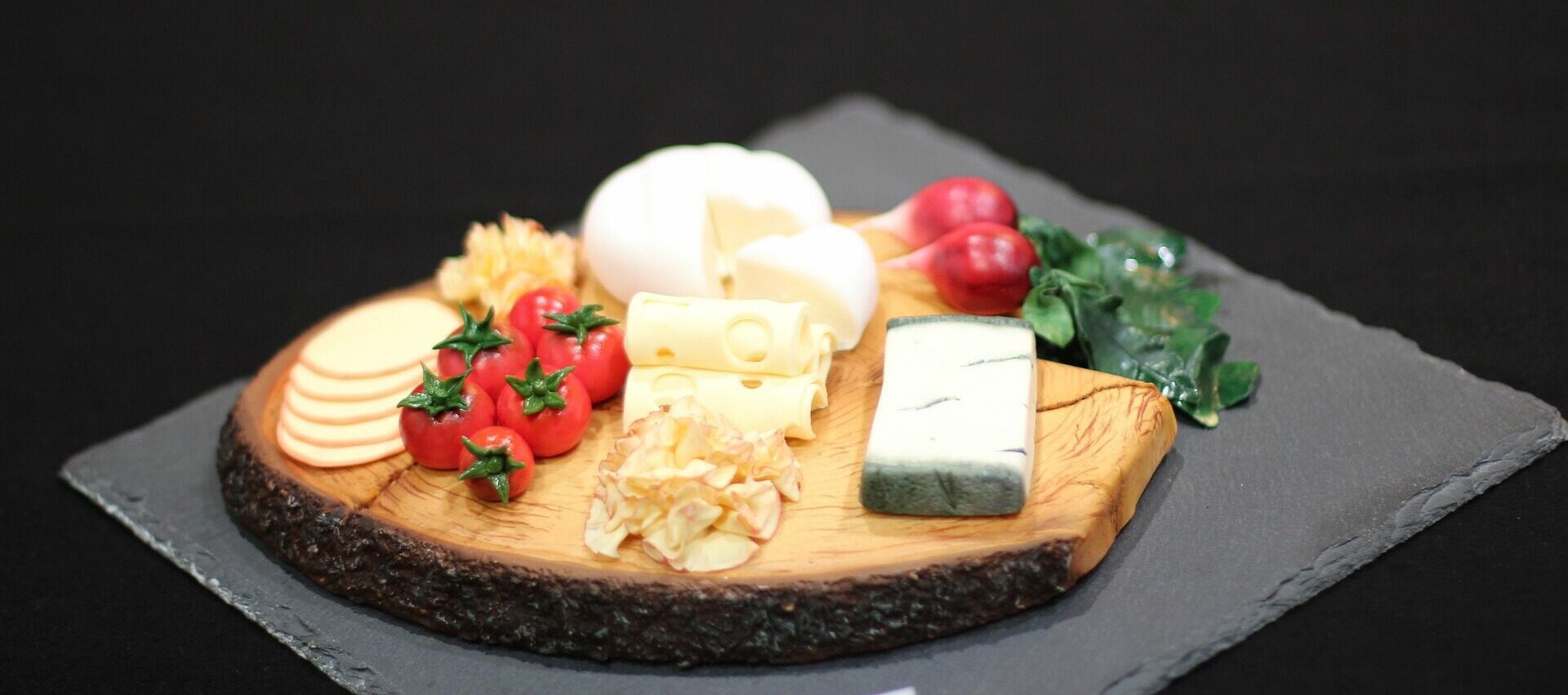
Italian cheese offers a delicious introduction to the country’s regional food traditions. Alpine valleys produce supple cow’s-milk cheeses, while sheep’s-milk specialties play a central role in Tuscany, Sardinia and Sicily. Meanwhile, southern Italy has a strong tradition of stretched-curd cheeses, from fresh mozzarella to mature caciocavallo.
Even familiar names deserve a closer look. Young Asiago tastes quite different from an aged wedge. Similarly, Pecorino Sardo comes in distinct Dolce and Maturo varieties, while robiola describes a family of cheeses.
This selection brings together 20 internationally familiar names and regional specialties. Rather than ranking them by popularity, it explains their origins, flavors and uses. Pairings offer starting points, because producers, seasons and maturity all influence the cheese you bring home.
For practical advice, see our Italian cheese buying, cooking and storage guide.
1. Parmigiano Reggiano
Parmigiano Reggiano comes from Parma, Reggio Emilia and Modena, plus defined parts of Bologna and Mantua. Producers use cow’s milk and mature the cheese for at least 12 months.
As it ages, the paste becomes more crumbly and its aromas grow more concentrated. Depending on maturity, you may notice flavors suggesting milk, nuts, fruit or broth. Small crystals also develop naturally during aging.
Serve broken chunks with pears or walnuts, or grate the cheese over pasta and soup. For a regional wine pairing, consider Lambrusco.
2. Grana Padano
Northern Italy’s Po Valley provides the setting for Grana Padano, another protected cow’s-milk cheese. Although it resembles Parmigiano Reggiano, it follows its own production rules.
The minimum maturation is nine months. Riserva cheese, however, requires at least 20 months and must meet additional standards. Younger wedges tend to taste gentler, while longer aging brings greater depth.
Grate it over risotto or shave it onto vegetables. Alternatively, enjoy small pieces with bread and a dry sparkling wine.
3. Mozzarella di Bufala Campana
Campania has a strong association with this fresh buffalo-milk cheese. However, its protected production area also includes defined parts of Lazio, Puglia and Molise.
A smooth white surface surrounds a moist, milky interior with gentle acidity. The full name matters because buffalo mozzarella from elsewhere does not automatically qualify as Mozzarella di Bufala Campana DOP.
Pair it with ripe tomatoes, basil and olive oil, or taste it alone. Before cooking with it, drain it appropriately to limit excess moisture. Falanghina makes an appealing wine accompaniment.
4. Gorgonzola
Cheesemakers in defined areas of Lombardy and Piedmont produce Gorgonzola from cow’s milk. Its blue-green veins develop during maturation.
Dolce generally offers a softer texture and milder flavor. Piccante, by contrast, feels firmer and tastes more assertive. The word “Dolce” describes the gentler character rather than added sugar.
Spread Dolce on bread or stir it into a sauce. For Piccante, serve smaller portions with pears or walnuts. A rounded white wine or a sweet wine can provide contrast.
5. Taleggio
Taleggio takes its name from Lombardy’s Val Taleggio, although its protected production area extends into Piedmont and Veneto. Cheesemakers shape this cow’s-milk cheese into squares and wash its rind during maturation.
Despite its assertive aroma, the interior can taste surprisingly gentle. As it ripens, the paste becomes creamy and develops savory, milky or earthy notes.
Melt Taleggio over polenta or combine it with mushrooms. Pears also complement its creamy texture, while a dry white wine offers a refreshing accompaniment.
6. Provolone Valpadana
Provolone belongs to Italy’s stretched-curd cheese family. Within that broader tradition, Provolone Valpadana DOP identifies a specific northern Italian cow’s-milk cheese.
Dolce and Piccante provide different experiences. The former generally tastes milder and feels more supple; the latter develops greater intensity and a piquant character.
Use Dolce in sandwiches or suitable melted dishes. Meanwhile, thin slices of Piccante work well with bread and olives. Consider a medium-bodied red wine alongside a mature piece.
7. Asiago
Asiago comes from defined areas of Veneto and Trentino. Its fresh and aged forms show how strongly maturation can change a cow’s-milk cheese.
Asiago Fresco has a springy texture, noticeable holes and a gentle, milky flavor. The aged version, also associated with the name d’allevo, becomes firmer and more savory.
Choose fresh Asiago for sandwiches or a simple fruit plate. A mature wedge suits tasting or grating, depending on its age. Light Valpolicella can accompany a moderately aged example.
8. Fontina
Aosta Valley cheesemakers produce Fontina DOP using milk from local Valdostana cattle breeds. Therefore, check the full name when comparing it with similarly named cheeses from elsewhere.
Its supple paste and scattered small holes distinguish this mountain cheese. Flavors can suggest butter, pasture or nuts, depending on the producer and maturity.
Fontina melts beautifully in fonduta valdostana. It also works with polenta or in a warm sandwich. Alongside a rich melted dish, a dry white wine provides balance.
9. Ricotta
Ricotta plays an essential role in Italian cooking, although technically it is a whey dairy product rather than a conventional milk-curd cheese. Producers throughout Italy use whey from different milk types.
Fresh ricotta usually tastes delicate and has a lightly granular texture. Salted, dried and smoked versions, however, offer quite different flavors and uses.
Spoon fresh ricotta into pasta fillings or serve it with fruit. Sheep’s-milk ricotta features prominently in Sicilian sweets, while ricotta salata can add a savory finishing touch to suitable dishes.
10. Burrata
Puglia’s burrata combines a stretched-curd shell with a filling of stracciatella: strands of cheese mixed with cream. That creamy center distinguishes it from mozzarella.
Burrata di Andria IGP identifies a protected product from Puglia. Accounts of its invention in the early twentieth century come from oral tradition, so a precise origin story deserves cautious wording.
Serve burrata with tomatoes, roasted vegetables or good bread. Simple accompaniments let the filling take center stage. Vermentino offers one possible wine pairing.
11. Scamorza
Southern Italy produces several traditions of scamorza, usually from cow’s milk. Its pear-like shape and tied neck make it easy to recognize.
Plain and smoked versions offer different aromas. Compared with fresh mozzarella, scamorza has a firmer texture and less moisture, which makes it useful in baked dishes.
Add it to vegetables or melt it in a sandwich. Smoked scamorza also complements mushrooms and potatoes, particularly when you want a more pronounced flavor.
12. Robiola
Robiola describes a family of cheeses associated especially with Piedmont and Lombardy. Milk types, textures and ripeness vary, so the name alone does not tell the whole story.
Some examples taste fresh and mild. Others develop a rind and stronger aromas. Roccaverano DOP, also known as Robiola di Roccaverano, is a specific goat’s-milk cheese from Piedmont.
Spread fresh robiola on bread. More mature examples suit a tasting board with simple accompaniments. A dry white wine makes a useful starting point.
13. Montasio
Montasio comes from Friuli-Venezia Giulia and defined areas of Veneto. Producers use cow’s milk and offer several maturities, including Fresco, Mezzano, Stagionato and Stravecchio.
Younger cheese has a gentler milky character. With longer aging, the texture becomes firmer and the flavor grows more concentrated.
Montasio features in frico, the cheese-based Friulian specialty. Choose the maturity your recipe calls for, or enjoy a wedge with polenta. A dry Friulian white wine provides a regional pairing.
14. Caciocavallo
Caciocavallo encompasses several southern Italian stretched-curd traditions, generally using cow’s milk. Caciocavallo Silano DOP is one protected example.
Its production area includes defined parts of Calabria, Campania, Molise, Puglia and Basilicata. Young examples can taste mild and feel elastic; mature cheeses become firmer and more piquant.
Slice it with bread or use it in baked dishes. Some varieties also suit grilling. For a mature wedge, consider a medium-bodied southern Italian red wine.
15. Pecorino Romano
Despite its name, Pecorino Romano comes from Sardinia and Lazio as well as Tuscany’s province of Grosseto. This protected sheep’s-milk cheese has a notably salty, savory character.
Producers mature table cheese for at least five months. Cheese for grating requires at least eight months, allowing greater intensity to develop.
Pecorino Romano gives cacio e pepe and carbonara their characteristic flavor. For tasting, serve small pieces with bread or fresh broad beans in season. Because it contributes salt, taste your dish before adding more.
16. Pecorino Toscano
Pecorino Toscano comes from Tuscany and specified neighboring areas of Lazio and Umbria. Producers make this sheep’s-milk cheese in fresh and aged forms.
The fresh version offers a supple texture and delicate flavor. In contrast, aging creates a firmer, more aromatic cheese. It generally tastes different from the more assertive Pecorino Romano.
Enjoy young Pecorino Toscano with pears or bread. A mature wedge works well with walnuts, while Sangiovese offers a familiar regional wine pairing.
17. Pecorino Sardo
Sardinia produces Pecorino Sardo DOP in two distinct varieties. Dolce matures for 20–60 days, while Maturo undergoes longer aging.
Dolce has a softer texture and gentler flavor. Maturo, however, becomes firmer and more piquant. Consequently, the name Pecorino Sardo does not always indicate a hard, sharply flavored cheese.
Serve Dolce with grapes, pears or vegetables. Maturo suits bread or grating where appropriate. Vermentino can accompany a younger cheese, while Cannonau provides another option for a mature wedge.
18. Pecorino Siciliano
Sicilian cheesemakers produce this protected sheep’s-milk cheese in three maturities. Fresco ages for 20–30 days, Semistagionato for 60–90 days, and Stagionato for at least 120 days.
Its basket-marked surface provides a recognizable detail. Meanwhile, maturation changes the flavor from a gentler table cheese to a firmer, more piquant product.
Combine fresh or semi-mature pieces with bread and olives. Mature cheese also suits grating or tasting in small portions. Nero d’Avola can accompany a more assertive wedge.
19. Stracchino
Stracchino has a strong association with northern Italy. The familiar fresh version usually uses cow’s milk and offers a soft, creamy texture with gentle acidity.
You may also encounter the closely related name Crescenza. However, local terminology and products vary, and traditional cheeses bearing the stracchino name can differ from supermarket versions.
Spread fresh stracchino on bread or add it to focaccia. Its mild flavor also works well with vegetables, making it an approachable introduction to Italian soft cheeses.
20. Castelmagno
Castelmagno DOP comes from three municipalities in Piedmont’s province of Cuneo: Castelmagno, Pradleves and Monterosso Grana.
Producers use predominantly cow’s milk, with a permitted proportion of sheep’s or goat’s milk. The cheese can have a crumbly texture, while maturity brings a stronger flavor. Some older examples develop blue veining, although not every piece has it.
Serve Castelmagno with gnocchi or polenta, or offer a small portion on a tasting board. A structured Piedmontese red can accompany a mature example.
How to Taste Italian Cheeses
Begin with a few contrasting cheeses rather than trying all 20 at once. For example, compare fresh Asiago with an aged wedge, or Pecorino Sardo Dolce with Maturo. These comparisons reveal how much maturation changes texture and flavor.
Move from milder cheeses toward stronger aged or blue varieties. Before adding honey or preserves, taste each cheese alone. Bread, seasonal fruit and water can provide all the accompaniments you need.
Wine pairings offer suggestions rather than fixed rules. Choose combinations you enjoy, and let the cheese remain the focus.
For help shopping, cooking and keeping different varieties fresh, return to our practical Italian cheese guide.
External Sources
Qualigeo: Italian and European Protected Food Products
Qualigeo: Parmigiano Reggiano PDO
Qualigeo: Mozzarella di Bufala Campana PDO
Qualigeo: Burrata di Andria PGI
Qualigeo: Pecorino Siciliano PDO
Italia.it: Typical Foods and Dishes in Puglia
Italia.it: The Traditional Cheeses of Lombardy