

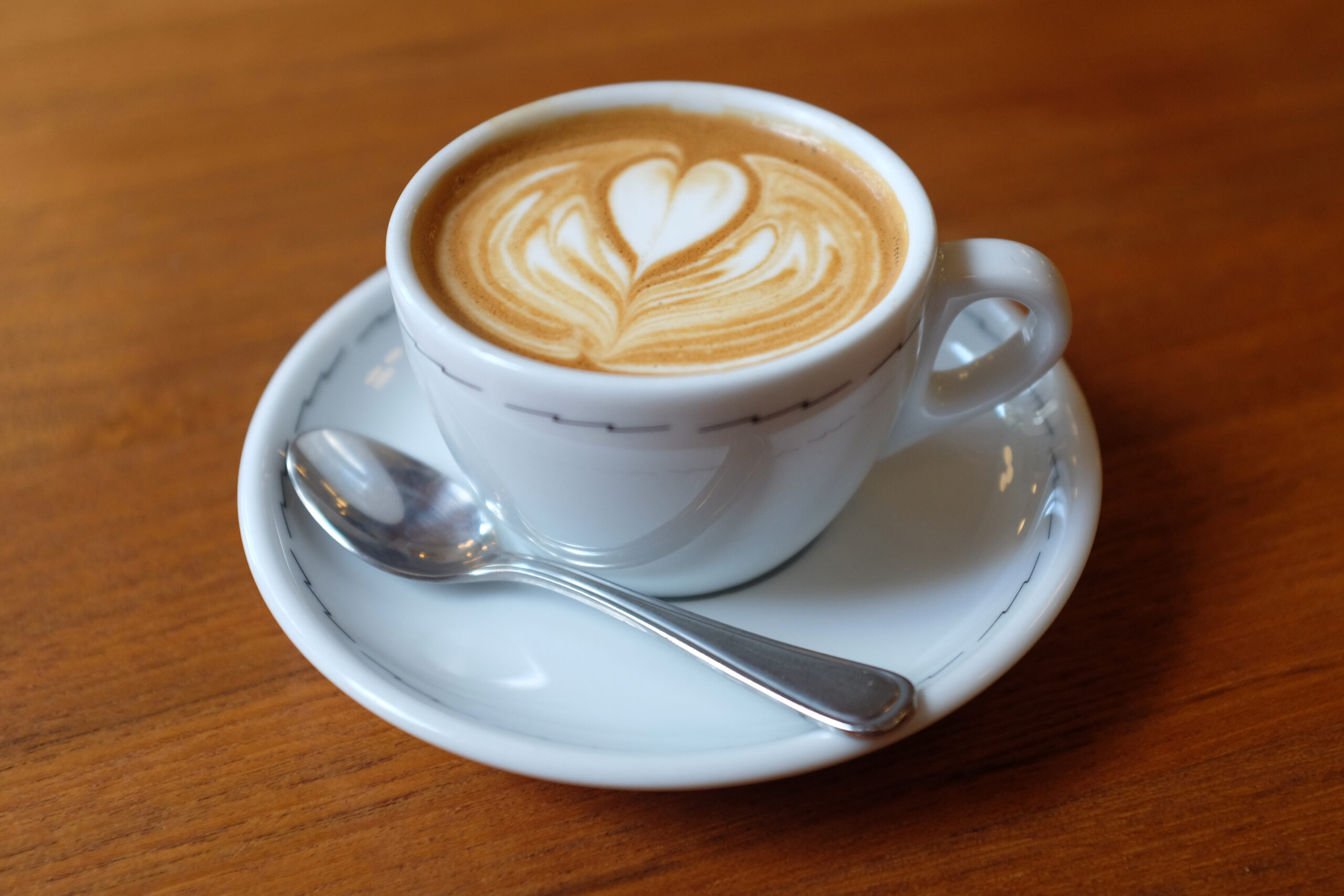
Cappuccino in Italy: Debunking a Persistent Myth
One of the most common stereotypes about Italian coffee culture is the idea that cappuccino is only allowed in the morning, and that ordering one after breakfast is somehow “wrong.”
This belief has been repeated so often in travel guides that many visitors assume it is a strict cultural rule.
In reality, Italian coffee habits are much more flexible. While cappuccino is indeed most commonly associated with breakfast, the idea that Italians avoid it later in the day is more myth than fact.
Where the “Morning-Only Cappuccino” Idea Comes From
The stereotype has a real origin, but it has been overly simplified:
- Cappuccino is traditionally a breakfast drink
- It is often paired with a cornetto (Italian pastry)
- Milk-based drinks are considered heavier and less typical after meals
Because of this, many Italians prefer espresso after lunch or dinner.
However, these are long-standing habits—not rigid rules.
The Reality: Italians Drink Cappuccino All Day
In everyday life, cappuccino is widely consumed beyond breakfast.
You will commonly see Italians ordering cappuccino in:
- City cafés in Milan, Rome, and Florence
- Train stations and urban coffee bars
- Tourist areas
- Highway service stations (autogrill) along the autostrada
These are everyday environments, not exceptions—showing that cappuccino is not restricted to morning hours.
The Strongest Evidence: Autogrill Culture
One of the clearest examples that breaks the myth is Italy’s highway service areas.
At any time of day, you’ll find:
- Travelers ordering cappuccino in the afternoon
- Families taking coffee breaks during long drives
- Workers and commuters choosing cappuccino over espresso
If cappuccino were truly socially restricted after breakfast, it would not be one of the most commonly served drinks in these locations throughout the day.
City Life and Changing Habits
In Italian cities, coffee culture is even more flexible.
Many Italians:
- Drink cappuccino as an afternoon break (“merenda”)
- Order it based on preference, not time rules
- Enjoy it casually during work breaks or social moments
Younger generations especially tend to ignore strict traditional timing and focus more on personal taste.
A Modern Evolution: Plant-Based Milk Options
Another important shift in Italy’s coffee culture is the growing popularity of milk alternatives.
Today, it is increasingly common to order cappuccino with:
- Soy milk
- Oat milk
- Almond milk
- Other plant-based beverages
This reflects broader lifestyle changes, including dietary preferences, lactose intolerance awareness, and vegan or health-conscious choices.
Many cafés in cities now offer these options as standard, making cappuccino even more adaptable to modern habits.
Why the Myth Still Exists
Despite the reality, the stereotype persists for a few reasons:
- Travel guides often simplify cultural habits into strict “rules”
- Older traditions still associate cappuccino strongly with breakfast
- Espresso culture dominates after meals, reinforcing the idea
Together, these factors create a misleading but widely repeated narrative.
What Actually Matters in Italy
Rather than strict rules, Italian coffee culture is shaped by:
- Personal preference
- Context (light snack vs. full meal)
- Social setting
- Daily habit rather than etiquette enforcement
Coffee in Italy is about enjoyment, not regulation.
When Cappuccino Is Less Common (But Still Fine)
It’s true that:
- Espresso is more typical after lunch and dinner
- Cappuccino is less common late at night
- Milk-based drinks are still more associated with mornings
But these are tendencies, not prohibitions.
No one will be shocked if you order a cappuccino at 4 p.m.
Conclusion: A Myth That Doesn’t Match Reality
The belief that Italians never drink cappuccino after breakfast is outdated.
While cappuccino is most popular in the morning, it is regularly consumed throughout the day—especially in cities, cafés, and highway service areas.
Modern Italian coffee culture is also evolving, with many people choosing soy, oat, and other plant-based milk alternatives, making cappuccino even more versatile.
In the end, there is no strict rule. Ordering a cappuccino in Italy at any time of day is simply a matter of preference—not a cultural mistake.