

Driving in Italy: An Experience Unlike Anywhere Else
Driving in Italy is one of the best ways to discover the country. A rental car allows visitors to explore medieval villages, coastal roads, mountain landscapes, vineyards, and countryside areas that are often difficult to reach by train or public transportation.
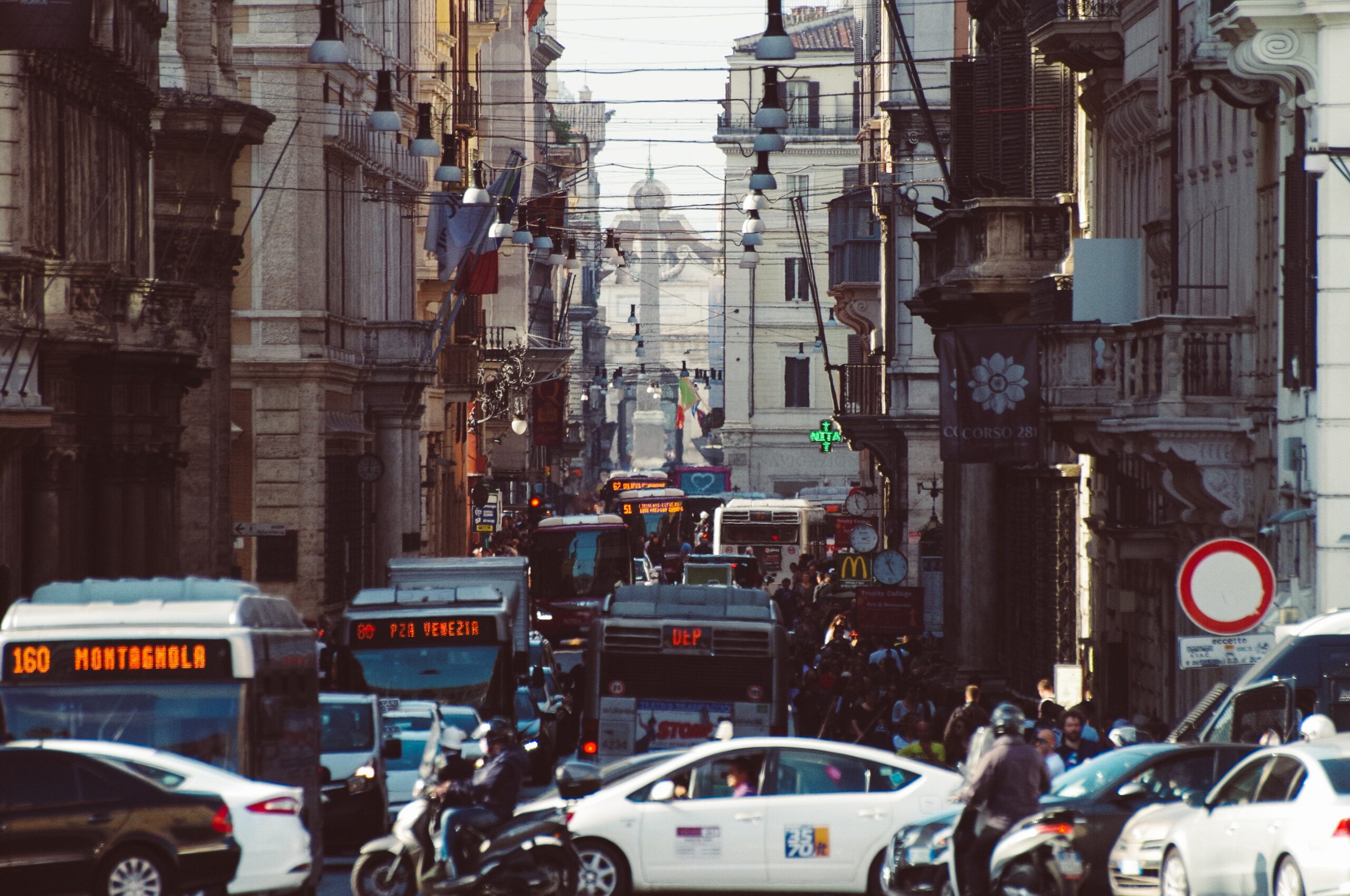
However, for first-time visitors, driving in Italy can also be surprising. The roads are different, the traffic culture is different, and Italian drivers often have a style that seems much more aggressive compared with what many Americans are used to.
A visitor from the United States may quickly notice:
- Cars driving closer together
- Faster lane changes
- More frequent use of the horn
- Scooters passing between vehicles
- Narrow streets built centuries before automobiles
- Drivers overtaking in situations that may appear risky
What looks chaotic at first often follows an unwritten system that experienced Italian drivers understand.
The key to driving safely in Italy is not trying to imitate local driving habits but learning how traffic works and remaining predictable.
Italian Drivers: Fast, Confident, and Assertive
Italian drivers have a reputation throughout Europe for being among the most energetic behind the wheel.
Many Italians drive with confidence and make decisions quickly. Compared with American driving habits, Italian motorists often:
- Accelerate quickly after traffic lights
- Change lanes with little warning
- Drive closer to the vehicle ahead
- Expect slower drivers to move aside
- Use the horn as communication rather than anger
- Overtake frequently
This style can seem aggressive, especially in large cities such as Rome, Naples, Milan, Palermo, or Florence.
However, many Italian drivers are also highly skilled at reading traffic. They are accustomed to sharing roads with scooters, pedestrians, bicycles, buses, delivery vehicles, and cars in extremely limited spaces.
The most important rule for visitors is simple:
Do not panic and do not react aggressively.
Drive defensively, keep your distance, and allow faster drivers to pass.
Driving in Italian Cities: Organized Chaos
City driving is usually the most challenging part of driving in Italy.
Historic Italian cities were designed long before cars existed. Streets that were originally created for pedestrians, horses, and carts are now shared with thousands of vehicles every day.
Expect:
- Narrow streets
- One-way roads
- Limited parking
- Pedestrians crossing unexpectedly
- Motorcycles filtering through traffic
- Delivery trucks blocking roads
- Historic areas with restricted access
Cities such as Rome, Naples, Florence, Venice, and Bologna can feel overwhelming during busy hours.
For tourists, the best strategy is often to park outside the historic center and use walking or public transportation.
Scooters and Motorcycles: The Italian Traffic Phenomenon
One of the biggest differences between driving in Italy and driving in the United States is the number of scooters and motorcycles.
In cities, scooters are everywhere.
They are used because they are:
- Easy to park
- Efficient in traffic
- Affordable
- Practical on narrow streets
However, visitors must adjust quickly to their presence.
Common behaviors include:
- Scooters passing between lanes
- Motorcycles moving alongside stopped cars
- Riders filtering to the front of traffic lights
- Sudden overtaking on either side
At a red light, it is completely normal for several scooters to stop directly in front of your car.
When the light turns green, they may accelerate immediately.
Always:
- Check mirrors before changing lanes
- Look carefully before turning
- Expect motorcycles to appear quickly
Many accidents involving tourists happen because drivers are not accustomed to looking for two-wheel vehicles.
Cyclists on Italian Roads
Cycling is extremely popular in Italy.
From professional riders training in the mountains to weekend cycling groups, bicycles are a common sight.
Visitors may encounter cyclists:
- Riding on narrow rural roads
- Traveling in groups
- Occupying significant portions of the lane
- Climbing mountain roads slowly
Some groups ride two abreast, which can surprise drivers from countries where cyclists usually stay closer to the edge.
The correct approach is patience.
Never pass a cyclist on a blind curve or where visibility is limited.
The Autostrada: Italy’s High-Speed Motorway System
Italy’s Autostrada system connects the major cities and regions of the country.
It is generally modern, efficient, and well maintained.
The Autostrada offers:
- Fast connections between cities
- Excellent service areas
- Restaurants and coffee stops
- Fuel stations
- Beautiful scenery
Unlike many American highways, most Italian motorways require toll payments.
When entering the Autostrada, you normally receive a ticket. You pay when exiting based on the distance traveled.
Italian Highway Driving Habits
The biggest adjustment for American drivers on the Autostrada is lane discipline.
In Italy:
- The right lane is for normal driving
- The left lane is mainly for overtaking
Remaining in the left lane after passing another vehicle is considered poor driving behavior.
Faster drivers may approach quickly from behind and may flash headlights to indicate they want to pass.
The safest method:
- Check mirrors.
- Pass efficiently.
- Return to the right lane.
Speeding and Risky Overtaking
One of the most discussed aspects of Italian driving is that some motorists do not always respect road markings.
Examples include:
- Passing over continuous lines
- Crossing double solid lines
- Overtaking near curves
- Driving above the posted speed limit
This behavior is illegal and should never be copied by visitors.
Rural roads, especially in southern Italy and mountain areas, may have drivers who take more risks.
Tourists should assume that other vehicles may make unexpected moves.
Maintain extra space and avoid being pressured into driving faster than is comfortable.
Tailgating: A Common Experience for Visitors
Many foreign drivers notice that Italian cars often follow more closely than expected.
A driver may appear very close behind even when you are already driving at the speed limit.
The correct response:
- Stay calm
- Do not brake suddenly
- Do not speed unnecessarily
- Move right when possible
Tailgating can feel intimidating, but it is usually not personal—it is simply part of a more aggressive driving culture.
ZTL Zones: The Expensive Mistake Tourists Make
The Zona a Traffico Limitato (ZTL) is one of the most important things tourists need to understand.
Many Italian cities restrict vehicle access in historic centers.
These areas protect:
- Ancient streets
- Historic monuments
- Pedestrian areas
Electronic cameras record license plates.
Visitors often receive fines weeks or months after returning home because they accidentally entered a restricted zone.
Always look for:
- ZTL signs
- Electronic restrictions
- Local parking rules
Rental cars are not automatically exempt.
Autovelox: Italy’s Speed Cameras
The word every driver in Italy should know is:
Autovelox.
These are automated speed cameras placed throughout the country.
They can be found on:
- City streets
- Rural roads
- Provincial highways
- Motorways
Many are announced with warning signs, but drivers should never rely only on knowing where cameras are located.
Italy also uses average-speed monitoring systems on some motorway sections.
These systems calculate your average speed between two points.
A common tourist mistake is speeding between cameras after slowing down temporarily.
Parking in Italy: A Challenge for Visitors
Parking can be one of the most frustrating parts of driving in Italy.
Parking markings:
- Blue lines: paid parking
- White lines: free parking where available
- Yellow lines: reserved spaces
In historic towns, parking spaces are limited.
Italian drivers are famous for their ability to fit into extremely small spaces.
Rental car users should:
- Take photos before leaving the rental agency
- Check the vehicle carefully
- Avoid very narrow spaces if uncomfortable
Driving Differences Between Italy and the United States
| Italy | United States |
|---|---|
| Smaller cars dominate | Larger vehicles are common |
| Manual transmission is common | Automatic transmission dominates |
| Motorcycles and scooters everywhere | Fewer scooters |
| Narrow historic roads | Wider planned roads |
| More roundabouts | More traffic lights |
| Toll motorways | Many free highways |
| Aggressive traffic style | More distance between vehicles |
| More compact cities | More suburban driving |
American visitors often find that Italian roads require more concentration because traffic is denser and spaces are smaller.
Renting a Car in Italy: Important Advice
Before renting:
- Reserve an automatic car early if needed
- Check insurance coverage
- Understand fuel policies
- Inspect the car carefully
- Learn basic Italian road signs
Useful words:
- Benzina = gasoline
- Gasolio = diesel
- Uscita = exit
- Entrata = entrance
- Pedaggio = toll
- Autovelox = speed camera
An International Driving Permit may also be required depending on your nationality and rental company requirements.
Best Tips for First-Time Drivers in Italy
For a comfortable experience:
- Avoid driving in historic city centers
- Use GPS but follow road signs
- Keep to the right except when passing
- Watch constantly for scooters
- Expect motorcycles at traffic lights
- Do not enter ZTL areas without permission
- Respect speed limits
- Leave extra time for travel
- Stay calm when other drivers are aggressive
- Enjoy the scenery
Is Driving in Italy Difficult?
Driving in Italy is not necessarily dangerous, but it requires adjustment.
The biggest challenge is cultural: Italian roads operate with a different rhythm.
Once visitors understand the environment, many discover that driving in Italy is one of the most rewarding travel experiences.
A car allows you to reach places that many tourists never see:
- Small Tuscan villages
- Alpine mountain passes
- Coastal roads
- Hidden beaches
- Historic towns
- Countryside restaurants
With patience and awareness, driving in Italy becomes less stressful and more enjoyable—and may become one of the highlights of your trip.