

Best Italian Olive Oil in 2026: Top Brands, Regions, and How to Choose
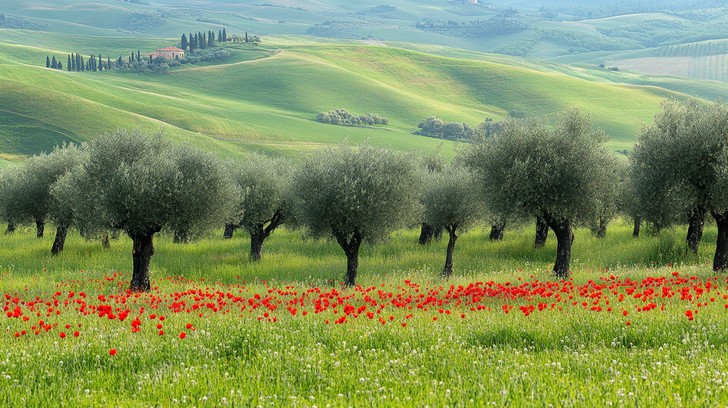
Italy has spent centuries perfecting the art of the olive harvest, and it shows. From the peppery, grassy oils of Tuscany to the fruity, almond-toned pressings of Sicily and the wild, herbal oils of Sardinia, Italian extra virgin olive oil remains the benchmark against which the rest of the world is measured. But “Italian olive oil” is not one thing — it is dozens of regional styles, cultivars, and production philosophies, and the label alone doesn’t guarantee quality. This guide walks through what actually makes an Italian olive oil great, the regions and producers worth seeking out in 2026, and how to avoid the mislabeled, blended oils that crowd supermarket shelves.
What Makes an Italian Olive Oil Truly “the Best”
Quality in olive oil comes down to a handful of measurable factors: the olive cultivar, how quickly the fruit is pressed after harvest, acidity level, and how the oil is stored and bottled. Extra virgin olive oil (EVOO) must have free acidity below 0.8%, be extracted mechanically without heat or chemicals, and pass both a lab test and a sensory panel free of defects like rancidity or mustiness.
Italy’s advantage lies in its sheer diversity of native cultivars — Coratina, Frantoio, Leccino, Moraiolo, Nocellara del Belice, and Sardinia’s own Bosana among them — each contributing distinct notes of artichoke, fresh-cut grass, almond, or pepper. Producers who harvest early and press within hours, rather than days, tend to produce the most vivid, complex oils, though this comes at a cost: lower yields and higher prices.
Award-Winning Producers to Know
Two competitions dominate the conversation each year: the New York International Olive Oil Competition (NYIOOC) and Flos Olei, the influential Italian-curated guide. Both offer a useful shortcut for identifying producers who consistently deliver quality, rather than relying on marketing alone.
At the 2026 Flos Olei awards in Rome, five Italian companies earned a place in the prestigious Hall of Fame: Comincioli in Lombardy, Frantoio Bonamini in Veneto, Frantoio Franci in Tuscany, Azienda Agraria Viola in Umbria, and Americo Quattrociocchi in Lazio. Italy also led the broader “Best” ranking with 13 awards, well ahead of Spain’s three. The overall Company of the Year title went to Fonte di Foiano, a Tuscan producer that has been making oil since 1979, and it continues to be regarded as one of the country’s most reliable estates.
The same 2026 Flos Olei guide also singled out several category winners worth seeking out: Le Tre Colonne in Puglia for best light-fruity monovarietal, Cioccolini in Lazio for medium-fruity single variety, Terre di Poesia in Puglia for intense-fruity single variety, the Gaudenzi Oil Mill in Umbria for light-fruity blends, and Frantoio di Croci in Tuscany for intense-fruity blends. In the PDO/PGI category, Accademia Olearia’s Tenute Fois line from Sardinia took Best DOP/IGP for medium-fruity oils, while Tuscany’s Pruneti won the intense-fruity equivalent.
On the more accessible end of the market, Umbria’s Monini remains one of Italy’s most recognizable names. Founded in 1920 and now led by third-generation family member Zefferino Monini, the company produces around 32 million liters a year while still collecting international awards, including four Gold Awards at the 2025 NYIOOC. Since 2020 it has also planted more than 800,000 new olive trees across Umbria and Tuscany, a sign of investment in long-term quality rather than short-term yield.
A few other brands worth knowing by name:
- Filippo Berio — one of Italy’s oldest and most globally recognized names, though it has shifted over time from artisan roots to large-scale, multi-country blending, making it a decent everyday oil rather than a top-tier one.
- Lucini Italia — founded in 1997 with a focus on small-batch Tuscan oils, and part of California Olive Ranch since 2015. Its Premium Select and Premium Select Organic lines have each taken gold awards at NYIOOC, made from cold-pressed olives grown on Italian estates with trees over a century old.
- Frantoio Franci, Frantoio Bonamini, Azienda Agraria Viola, Comincioli, and Americo Quattrociocchi — smaller estates whose repeated Hall of Fame placements make them reliable picks for anyone chasing the very top tier of Italian EVOO.
- Pruneti — a Tuscan producer recognized for its intense-fruity DOP/PGI oil, a good option for anyone who wants a bolder, more peppery finishing oil.
- Le Tre Colonne and Terre di Poesia — two Puglian estates whose single-variety oils regularly place among the most refined examples of Coratina-based production.
Regions Worth Seeking Out
- Tuscany — Peppery, grassy, and robust, built around the Frantoio and Moraiolo cultivars. A classic pairing for grilled meats and bruschetta.
- Umbria — Balanced and versatile, often slightly milder than Tuscan oils, with a long history of family-run mills.
- Puglia — Italy’s largest producing region by volume, known for Coratina-based oils with real bite and bitterness.
- Sicily — Fruit-forward oils with notes of green almond and tomato leaf, thanks to cultivars like Nocellara del Belice.
- Calabria and Lazio — Smaller in volume but home to several small-batch producers that regularly place in national rankings.
- Sardinia — An island style built around the native Bosana cultivar, prized for its aromatic intensity, spiciness, and grassy, herbal edge.
Spotlight: Sardinian Olive Oil
Sardinia doesn’t produce olive oil at the volume of Puglia or Tuscany, but its island terroir and native cultivars give it a distinct identity. The Bosana variety, grown almost exclusively there, produces oils with pronounced fruitiness and a spicy, herbal finish that stands apart from mainland styles.
Two producers based around Alghero, in the island’s northwest, anchor the region’s reputation. Accademia Olearia farms its own groves across more than 250 hectares near the sea, pressing olives immediately after harvest to preserve their fresh aromas, and produces monovarietal Bosana oils known for pronounced aromatic intensity and grassy, spicy notes. Its Tenute Fois line was recognized among the best DOP/IGP oils at Flos Olei 2026, as noted above.
San Giuliano, meanwhile, traces its roots to 1916 and was formally established as a brand in 1975 by the Manca family, who farm more than 150 hectares planted predominantly with the native Bosana variety. Its oils, made from Bosana and Semidana olives grown on estates for over a century, have been rated top Italian olive oil by Forbes Italy and awarded the maximum four-leaf rating by Gambero Rosso, Italy’s leading food and wine authority. If you want to try a genuinely Sardinian profile, either of these two names is a solid place to start.
How to Buy Real Italian Olive Oil (and Avoid Fakes)
Olive oil fraud is a persistent problem, and “Italian” on a label doesn’t always mean the olives were grown in Italy. A few checks help:
- Look for a harvest date, not just a “best by” date. Oil is at its best within 12–18 months of pressing.
- Check for a PDO or PGI seal (Protected Designation of Origin / Protected Geographical Indication) if you want a guarantee tied to a specific region, such as Toscano IGP or Terra di Bari DOP.
- Read the origin line carefully. Phrases like “imported from Italy” or “packaged in Italy” can mean the olives themselves came from elsewhere, especially Spain, Greece, Tunisia, or Morocco, before being blended and bottled in Italy.
- Favor dark glass or tin over clear plastic. Light and heat degrade oil quality quickly.
- Buy in quantities you’ll use within a couple of months once opened, and store away from the stove and direct sunlight.
Budget vs. Splurge: What You’re Actually Paying For
Not every meal calls for a rare, single-estate oil. A reliable, mid-range blend from a reputable Umbrian or Sardinian producer is perfectly suited for everyday cooking, roasting, and sautéing, where its finer aromatic notes would be lost anyway. Reserve the more expensive, small-batch, early-harvest oils — the kind that place in Flos Olei or NYIOOC rankings — for finishing dishes: drizzled over caprese salad, grilled fish, a bowl of white beans, or simply good bread. That’s where the difference between an average oil and an exceptional one actually shows up on the palate.
Frequently Asked Questions
Is Italian olive oil always better than Spanish or Greek oil? Not necessarily. Italy produces some of the world’s most awarded oils, but Spain and Greece both field highly competitive producers, and in recent international rankings oils from Greece and Croatia have taken top honors ahead of many Italian entries. Origin is a useful signal, not a guarantee.
What’s the difference between extra virgin and virgin olive oil? Extra virgin has stricter chemical and sensory standards, including lower acidity, and must be free of any taste defects. Virgin olive oil allows for minor imperfections and slightly higher acidity.
Does a higher price always mean better quality? Generally price tracks with harvest timing, yield, and small-batch production costs, but it’s not an absolute rule. Checking for competition awards, harvest dates, and PDO/PGI seals is a more reliable indicator than price alone.
What makes Sardinian olive oil different from mainland Italian oil? Sardinia’s oils lean on the native Bosana cultivar, which tends to produce a more intensely aromatic, spicy, and herbal oil than the milder blends common on the mainland. Its island climate and proximity to the sea also shape the flavor profile.
How should I store olive oil at home? Keep it in a cool, dark cupboard away from the stove, tightly sealed, and try to finish a bottle within two to three months of opening for the best flavor.