
Italy offers stunning cities like Rome and Florence, but for travelers seeking ancient mystery, artistic heritage, and spectacular landscapes, the Etruscan towns of central Italy are unmatched. From necropolises carved into limestone hills to museums filled with golden artifacts, exploring these sites is like walking into pre-Roman history. In this comprehensive guide, we’ll explore the Etruscans, the ancient people who shaped early Italy, then guide you through the best towns, museums, sites, itineraries, and travel tips for an unforgettable journey.
📜 Introduction to Etruscan Italy
The Etruscans dominated large parts of central Italy (especially modern-day Tuscany, Umbria, and Lazio) from roughly the 9th to the 1st century BCE. Their influence on early Roman culture was powerful — from religion and urban planning to art and metalworking. Yet, much about them remains mysterious because their language wasn’t fully deciphered.
In many towns, Etruscan ruins blend with medieval and Renaissance architecture, creating a unique mix of antiquity and later Italian culture. Today these towns celebrate their heritage with museums, festivals, and archaeological parks that showcase the best of Etruscan civilization.
🏛️ A Brief History of the Etruscans
Origins and Geography
The exact origins of the Etruscans are debated. Herodotus claimed they came from Lydia (in modern Turkey), while others argue they were indigenous to Italy. Their territory — known as Etruria — covered today’s Tuscany, parts of Umbria, and northern Lazio.
Society, Culture & Language
Etruscan society was advanced, with organized cities, powerful rulers (lucumones), and a social structure that included influential women — far more visible in public life than in many contemporary societies. Their language, written in an alphabet derived from Greek, survives in inscriptions but remains only partially understood.
Religion, Art & Architecture
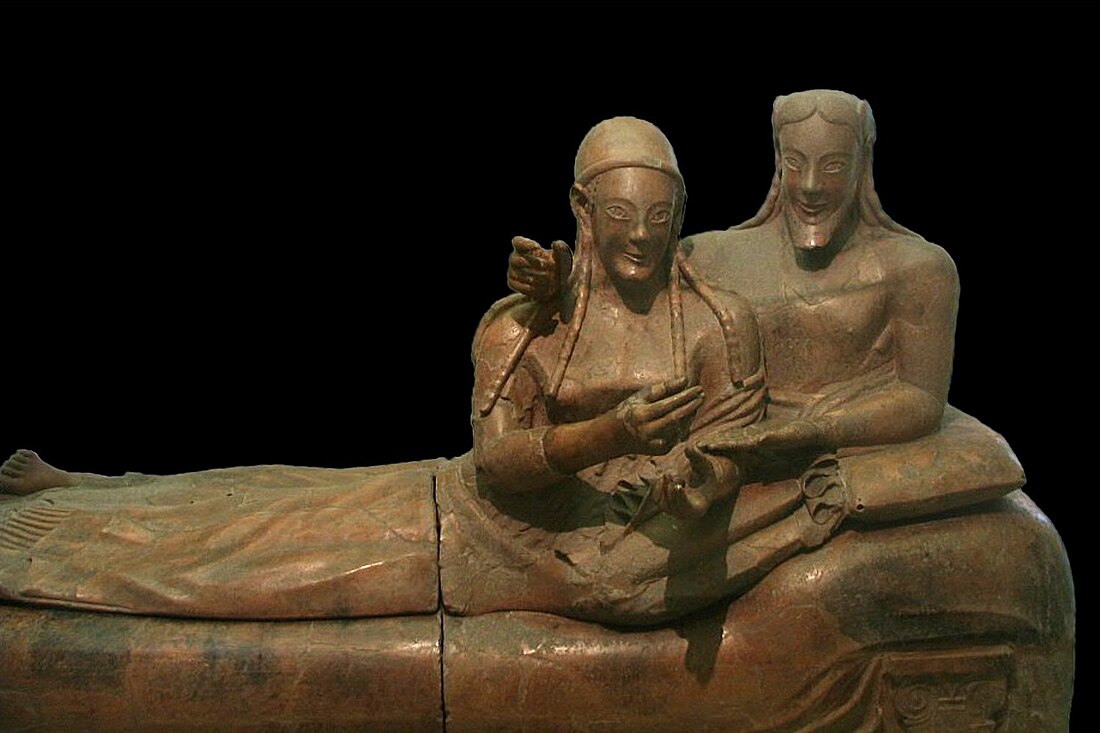
Religion was central: Etruscans practiced elaborate rituals and haruspicy (divination by examining animal entrails), which Romans later adopted. They excelled in sculpture, metalwork, and pottery. Etruscan tombs are among their most remarkable creations — decorated with frescoes and treasures designed to accompany the dead into the afterlife.
Etruscans vs. Romans
Although powerful in their era, the Etruscans eventually succumbed to Roman expansion. By around 100 BCE, Rome had absorbed most Etruscan cities. However, their cultural imprint endured, especially in religion, engineering, and urban living.
Legacy in Modern Italy
Artifacts, urban layouts, and even elements of Roman culture have roots in Etruscan traditions. Today, Italian towns proudly preserve these remnants, making them accessible to visitors.
🏙️ Best Etruscan Towns to Visit
Below are the most compelling Etruscan towns and why they deserve a place on your itinerary.
🏛️ Tarquinia (Lazio)
UNESCO World Heritage Burials
Tarquinia is home to the celebrated Tarquinia Necropolises, which UNESCO listed for their richly painted tombs. The frescoes — scenes of banquets, athletics, and daily life — offer rare insight into Etruscan culture.
National Archaeological Museum
The Museo Archeologico Nazionale di Tarquinia displays tomb findings, pottery, and artifacts, plus interpretive exhibits that help travelers understand Etruscan society.
🏺 Cerveteri (Lazio)
Necropolis of Banditaccia
This expansive burial ground is one of the most important in the Mediterranean. Its beehive-shaped tombs and monumental burial mounds create a landscape unlike any other.
Etruscan Tomb Monuments
Alongside rare tomb frescoes, visitors see chamber tombs shaped like houses — symbolic of the Etruscan belief in life after death.
🏞️ Orvieto (Umbria)
Duomo & Underground City
While Orvieto’s Gothic cathedral is an architectural highlight, its Etruscan roots lie beneath the surface: a labyrinth of tunnels, cisterns, and chambers carved by Etruscan engineers.
Albornoz Fortress
From viewpoints here, panoramic vistas over the surrounding countryside recall the strategic importance of Orvieto’s hilltop location.
🛕 Chiusi (Tuscany)
Labyrinth of Tombs
Chiusi’s Etruscan heritage is deep underground — with necropolises like La Scataglini and the Crocifisso del Tufo park offering fascinating burial sites.
Museo Nazionale Etrusco
One of the most important museums for Etruscan artifacts, it houses bronze mirrors, jewelry, sarcophagi, and inscriptions.
🏰 Volterra (Tuscany)
Etruscan Acropolis Ruins
Volterra’s archaeological park preserves the remains of Etruscan city walls and urban spaces. The museum here, too, is rich with local finds.
Guarnacci Etruscan Museum
One of Italy’s oldest museums, its collection of urns and tomb artifacts is one of the most impressive in the region.
🌅 Populonia & Baratti (Tuscany)
Coastal Etruscan Settlement
Unlike most inland Etruscan towns, Populonia overlooks the sea. It was a major iron-working center, and visitors can explore both the hilltop necropolis and coastal archaeological park.
Park of Baratti & Populonia
This park blends natural beauty with ruins — from quarries to ancient city remnants.
🏜️ Vetulonia (Tuscany)
Tombs on the Plains
Vetulonia’s tumulus tombs dot the landscape, each once filled with precious grave goods now displayed nearby.
Local Museums & Excavations
The town’s museum houses finds from local necropolises and offers context for these lesser-visited sites.
🏺 Best Museums and Archaeological Sites in Etruscan Italy
Visiting museums enhances your understanding of Etruscan culture. Here are top museum picks:
🏛️ National Archaeological Museum of Florence
Located in the Pitti Palace, this museum features an extraordinary Etruscan collection — jewelry, bronzes, sarcophagi, and ceremonial objects — that illustrate Etruscan artistry and daily life.
🖼️ Museo Archeologico Nazionale di Tarquinia
As noted above, this museum’s displays augment the nearby necropolis with artifacts spanning centuries of Etruscan rule.
🏺 Museo Archeologico Nazionale di Siena
This regional museum presents finds from across southern Tuscany — including rare votive offerings and weaponry.
🕳️ Chiusi’s Labyrinth (Underground Etruscan Caves)
Beyond standard museums, Chiusi’s underground Etruscan excavations offer a tangible sense of how Etruscans lived, stored water, and moved beneath the city.
🎭 Local Experiences & Cultural Tips
To make your trip richer:
Guided Tours & Workshops
Look for specialists who explain Etruscan iconography, funeral rites, and excavation history.
Etruscan Festivals
Many towns celebrate their heritage with festivals featuring ancient music, artisan markets, and historical reenactments — especially in summer and autumn.
Food & Wine
Etruscan areas are known for rich Tuscan wines like Morellino di Scansano and traditional cuisine rooted in local farming and grazing.
🗺️ Planning Your Trip: Practical Information
Best Time to Visit
Spring (April-June) and Autumn (September-October) offer mild weather and fewer crowds.
How to Get Around
Most towns are reachable by train or bus from Rome, Florence, or Pisa — but car rental provides flexibility, especially for scenic countryside routes.
Where to Stay
Consider agriturismi (farm stays) or historic B&Bs near archaeological sites for authentic experiences.
✈️ Safety, Accessibility & Travel Tips
Walking in ancient ruins requires sturdy shoes and awareness of uneven terrain. Some sites are more accessible than others — call ahead for details if you have mobility needs.
📅 Suggested Itineraries
3-Day Essentials
- Day 1: Rome → Cerveteri & Tarquinia
- Day 2: Orvieto exploration
- Day 3: Volterra & Chiusi
7-Day Deep Dive
Add Populonia, Vetulonia, Siena’s museums, and wine regions for a full Etruscan-centered vacation.
❓ Frequently Asked Questions (FAQs)
1. What is the Etruscan Civilization?
A pre-Roman, advanced culture in central Italy known for art, engineering, and burial rites.
2. Can you see Etruscan ruins for free?
Many necropolises are open to the public, but museums and guided sections often require tickets.
3. How far are Etruscan towns from Rome?
Many are 1–2.5 hrs by train or car from Rome. Tarquinia and Orvieto are popular day trips.
4. When is the best time to visit?
Spring and Autumn offer ideal weather.
5. Are guided tours worth it?
Yes — they bring archaeological context alive.
6. How do you get around Tuscany & Lazio?
Trains, regional buses, and rental cars are all good options.
🧡 Conclusion – Why Etruscan Italy Should Be on Your Bucket List
Italy’s Etruscan towns offer a uniquely ancient layer beneath the Renaissance and Roman facade most tourists see. From prehistoric art to rolling vineyards, this journey connects past and present in unforgettable ways.