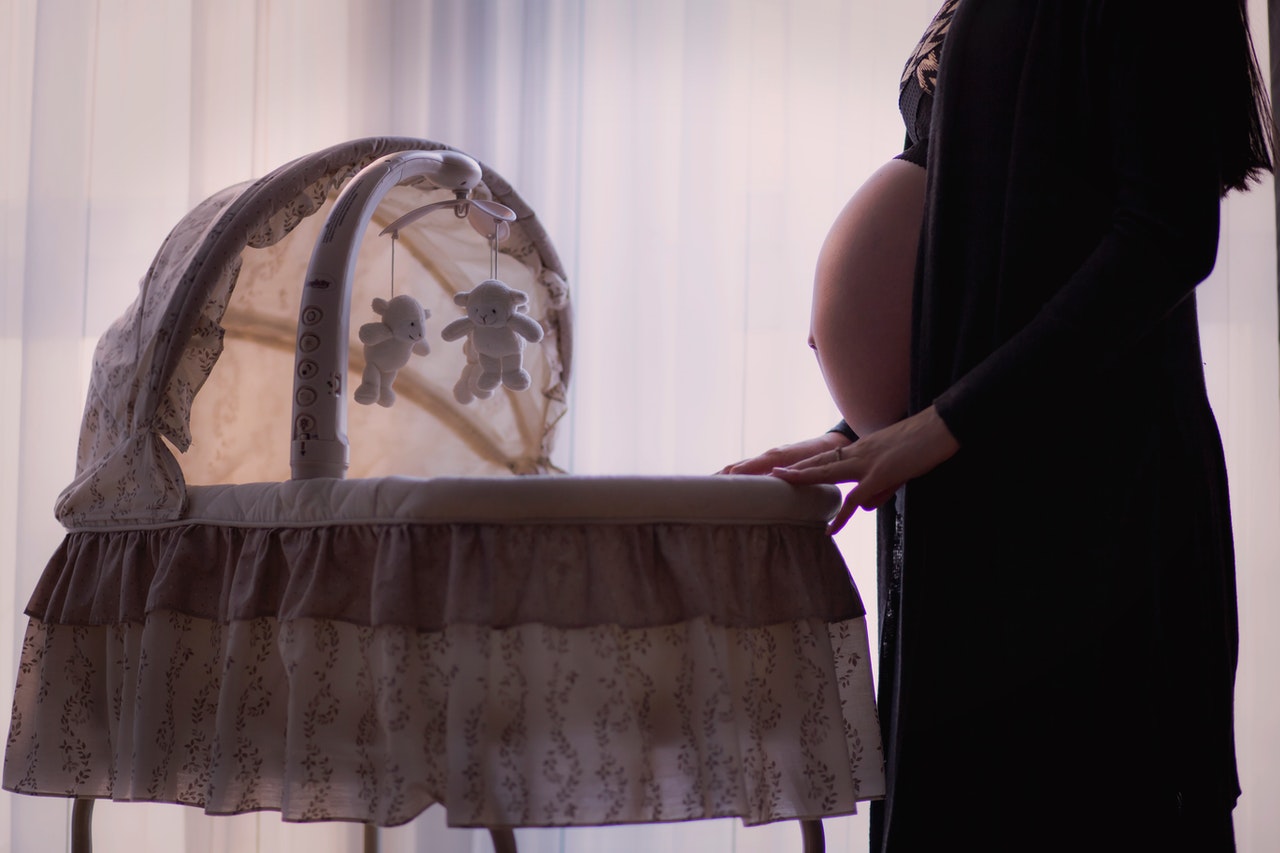
Having a baby in another country can be exciting, but it also raises practical questions. Can you use Italy’s public health service? Which pregnancy examinations are free? Where should the birth be registered? Does a baby born in Italy automatically become Italian?
The answers depend partly on your residence status, nationality, employment and municipality. The Italian system can provide excellent maternity care, but procedures are not always explained clearly in English and regional administration varies.
This guide explains the essential medical and administrative steps for foreign parents expecting a baby in Italy.
This article provides general information, not medical, immigration, legal or tax advice. Rules and benefits can change, so confirm your personal eligibility with your local health authority, Comune, patronato or INPS.
Your First Steps After Confirming the Pregnancy
Once a pregnancy has been confirmed, the first practical step is usually to contact one of the following:
- Your family doctor, known as the medico di medicina generale
- A public family counselling centre, or consultorio familiare
- A public hospital’s obstetrics department
- A private gynecologist
A doctor or midwife can confirm the pregnancy, estimate the expected delivery date and explain which examinations should be scheduled.
Italy’s consultori familiari provide reproductive, pregnancy and family services. They can be particularly useful for newcomers who have not yet chosen a gynecologist or do not understand the regional healthcare system. Depending on the facility, services may include pregnancy monitoring, prenatal classes, breastfeeding support, psychological assistance and help from social workers.
Ask your local ASL—Azienda Sanitaria Locale—which consultorio serves your address and whether language assistance is available.
Can Expats Use Italy’s Public Healthcare System?
Access to the Servizio Sanitario Nazionale, or SSN, depends on your legal and employment position rather than simply on being pregnant or living in Italy.
Foreign residents who are registered with the SSN generally receive the same essential healthcare services as Italian residents. Registration is commonly available to people employed or self-employed in Italy and to many non-EU residents holding qualifying residence permits.
Non-EU citizens with an eligible residence permit can normally register through the ASL responsible for their municipality of residence—or their declared address when formal residency has not yet been completed. The exact documents may include:
- Passport or identity document
- Italian tax identification number, or codice fiscale
- Residence permit or evidence that an application or renewal is pending
- Proof of residence or declared address
- Employment or family-status documentation when applicable
EU, EEA and Swiss citizens do not automatically qualify for permanent SSN registration solely because they are present in Italy. Eligibility may derive from employment, family status, permanent residence, an S1 form or another recognized basis. People staying temporarily may instead receive necessary treatment through the European Health Insurance Card, although the EHIC is not a replacement for registering as a resident when that registration is required.
Some residents who are not entitled to mandatory registration may be able to register voluntarily by paying an annual contribution. Private health insurance may be required in other circumstances.
Because documentation practices can vary, contact the ASL before relying on a general eligibility assumption. The Italian Ministry of Health explains healthcare access for non-EU residents.
Pregnancy Care Without Regular Immigration Status
Pregnant women should not avoid medical treatment because of an unresolved immigration position.
Non-EU nationals who are not legally resident can obtain necessary healthcare through an STP identification code—Straniero Temporaneamente Presente. The code is generally valid for six months and can be renewed.
Italian law protects access to essential maternity services, including pregnancy monitoring and childbirth. Foreign nationals should contact a public hospital, consultorio, ASL office or an organization offering migrant health assistance for local instructions.
Healthcare and immigration situations can be complex. Anyone without valid residence documentation should obtain individualized advice from a qualified immigration professional or an accredited support organization.
Which Pregnancy Services Are Free?
Italy’s national healthcare rules provide exemptions from patient charges for specified pregnancy-related services. These include scheduled obstetric and gynecological appointments, particular laboratory tests, diagnostic examinations and prenatal courses when provided under the applicable SSN pathway.
Additional examinations may be covered when medically indicated, including services required because of a high-risk pregnancy.
A doctor or authorized healthcare professional must normally issue the correct prescription and pregnancy exemption code. Not every privately requested test, specialist appointment or ultrasound is automatically free.
The official list and conditions are explained by the Italian Ministry of Health’s pregnancy exemption guidance.
Public and Private Maternity Care
Parents in Italy frequently combine public and private care.
Under the public system, eligible services are provided through consultori, ASL clinics and hospitals. Care is generally free or subject to the normal regional rules, but waiting times and continuity with the same doctor may vary.
A private gynecologist can offer longer consultations, more flexible appointment times and continuity with one specialist. Private fees are normally paid by the patient unless reimbursed by insurance. Seeing a private gynecologist does not necessarily mean that the same doctor will attend the hospital birth.
Before selecting a hospital, ask about:
- Distance from your home
- Neonatal intensive-care facilities
- Epidural availability and how it is requested
- Policies concerning partners or support people
- Prenatal classes
- Birth-plan procedures
- Private rooms and their cost
- Interpretation or cultural-mediation services
- Breastfeeding and postnatal support
Emergency and clinically necessary decisions will always take priority over a birth plan.
Language During Pregnancy and Childbirth
English-speaking medical staff are common in larger cities and major hospitals, but they are not guaranteed. Knowing some basic Italian language can make appointments and administrative procedures easier.
Useful words include:
- Gravidanza — pregnancy
- Ostetrica — midwife
- Ginecologo/ginecologa — gynecologist
- Data presunta del parto — expected delivery date
- Ecografia — ultrasound
- Analisi del sangue — blood tests
- Travaglio — labor
- Parto naturale — vaginal birth
- Taglio cesareo — cesarean section
- Allattamento — breastfeeding
- Pediatra — pediatrician
Ask the hospital whether it provides an interpreter or cultural mediator. Do not assume that a partner or friend will be allowed to interpret during every medical procedure.
Registering a Birth in Italy
Every child born in Italy must have the birth formally declared.
According to the Ministry of Health, a parent can generally make the declaration:
- Within three days at the health directorate of the hospital or clinic where the child was born
- Within ten days before the civil-status officer of the Comune where the birth occurred or, in permitted cases, the parents’ municipality of residence
The hospital supplies the birth attestation needed for the declaration.
Ask the hospital which documents it requires before the delivery. These commonly include the parents’ identity documents, tax codes and, where applicable, marriage or civil-status documents. Requirements may differ when the parents are unmarried, one parent is absent or foreign documents must be translated or legalized.
After registration, request copies or extracts of the birth record if needed for consular, immigration or benefit applications.
Does a Baby Born in Italy Become Italian?
Birth in Italy does not ordinarily give a child automatic Italian citizenship.
Italian nationality is based primarily on descent—ius sanguinis. A child is normally Italian from birth if at least one parent is an Italian citizen. A child born in Italy to two foreign parents generally receives the nationality or nationalities available under the parents’ countries’ laws.
Limited exceptions apply, including certain cases involving stateless or unknown parents or when the child cannot acquire a parent’s nationality.
A person born in Italy to foreign parents may have a route to Italian citizenship after reaching adulthood if the legal conditions are satisfied, including uninterrupted legal residence in Italy from birth. This is not automatic in every case, and deadlines can apply.
The parents should contact their embassy or consulate promptly to determine how to register the child and obtain a foreign passport. They should also ask the Questura or a qualified immigration adviser how the child’s residence status must be recorded.
The Ministry of the Interior confirms that Italian citizenship is primarily based on descent and that birth on Italian territory grants citizenship only in limited circumstances.
The Baby’s Codice Fiscale and Healthcare Registration
The baby will need an Italian codice fiscale for healthcare, benefits and many administrative procedures. In some cases, the tax code is generated through the birth-registration process; in others, additional contact with the Comune or Agenzia delle Entrate may be required.
Once the necessary records are available, parents should contact the ASL to register the baby for healthcare and select a pediatra di libera scelta, or community pediatrician.
Do not postpone pediatric care while waiting for paperwork. Ask the hospital or ASL how urgent or necessary treatment is handled locally if registration has not yet been completed.
Maternity and Paternity Leave
Employment protections depend on the parent’s work category, contribution history and contract.
For most employed mothers, statutory maternity leave covers five months. The standard arrangement is two months before the expected birth and three months afterward, although qualifying employees may use different arrangements with the required medical approval, including one month before and four months after or, in suitable cases, all five months after the birth.
Employed fathers generally have ten working days of compulsory paternity leave, increased to twenty days for a multiple birth. The leave can be used from two months before the expected delivery date until five months after the birth and is normally paid at 100 percent of salary.
Self-employed workers, freelancers registered with the INPS Gestione Separata, domestic workers and unemployed parents are governed by different requirements.
Parents should consult their employer, collective labor agreement, accountant, patronato or INPS rather than assuming that the rules for salaried employees apply to every type of work.
Financial Support for New Parents
The old €800 Premio alla nascita, often called Bonus Mamma Domani, should no longer be presented as a current benefit. Families should instead check the programs presently administered by INPS and their municipality.
Assegno Unico e Universale
The Assegno Unico e Universale is a recurring payment for dependent children. It can be recognized beginning during pregnancy, from the seventh month, with payment processed after the birth and registration of the child.
Eligibility includes nationality, residence, tax and qualifying immigration-status conditions. The amount normally depends on the family’s ISEE, although an eligible family can receive a minimum amount without submitting an ISEE.
Bonus Nuovi Nati
For children born or adopted during 2026, INPS provides a one-time €1,000 newborn payment to qualifying families with an eligible ISEE not exceeding €40,000. Citizenship, residence and residence-permit requirements also apply. Because annual funding and conditions can change, verify the rules for the child’s year of birth before publishing or applying.
Municipal Maternity Allowance
A parent without sufficient maternity insurance may qualify for the assegno di maternità dei Comuni. The application is made through the municipality, while INPS makes the payment. Income, residence, immigration-status and application-deadline requirements apply.
Nursery Support
Families paying for an authorized nursery or certain forms of home assistance for a child with a qualifying serious medical condition may be eligible for the INPS Bonus asilo nido. Amounts and documentation requirements depend on the applicable rules and the family’s ISEE.
A patronato can often help families review eligibility and submit applications without charging for standard assistance.
A Practical Post-Birth Checklist
During the first days and weeks after the birth, parents may need to complete several separate procedures:
- Make sure the birth declaration has been submitted within the applicable deadline.
- Obtain the child’s birth record and codice fiscale.
- Register the child with the SSN and choose a pediatrician.
- Notify the parents’ embassy or consulate when required.
- Obtain the child’s passport or national identity documentation.
- Complete the child’s Italian residence or immigration formalities.
- Add the child to the family’s registered household where applicable.
- Update the ISEE or obtain an ISEE for benefits involving the child.
- Apply for the Assegno Unico and any other eligible benefits.
- Notify employers and complete maternity, paternity or parental-leave procedures.
Keep digital and paper copies of every application, appointment confirmation and receipt.
Regional Differences Matter
Italy’s core healthcare and maternity protections are national, but the practical experience differs between regions and municipalities. Booking systems, prenatal courses, hospital procedures, ticket exemptions and document requirements may be organized differently.
Someone living in Milan may receive different administrative instructions from a parent in Palermo, Florence or a small town. Use national sources to understand your rights, but obtain procedural instructions from the ASL, hospital and Comune serving your address.
If you are still choosing where to establish your family, our Living in Italy guides explore residency, daily life and the practical differences between Italian communities.
External Links and Official Resources
- Italian Ministry of Health: Pregnancy ticket exemptions
- Italian Ministry of Health: Healthcare for non-EU citizens in Italy
- Italian Ministry of Health: Childbirth and birth declarations
- Italian Ministry of the Interior: Citizenship
- INPS: Maternity and alternative paternity leave for employees
- INPS: Bonus Nuovi Nati
- INPS: Family and Parenting Portal