

Sport in Italy is often pictured outdoors: football matches under floodlights, cyclists climbing Alpine roads and runners crossing the historic centers of Italian cities. Yet some of the country’s strongest sporting traditions developed inside gymnasiums, arenas and local sports halls.
Indoor sports occupy an important place in Italian life. Volleyball and basketball attract professional crowds and extensive television coverage, while futsal, fencing, gymnastics, martial arts and table tennis sustain thousands of local clubs. For many young Italians, the neighborhood palazzetto dello sport—the multipurpose indoor arena—is where organized sport begins.
Italy’s relationship with indoor competition also extends well beyond recreation. Italian clubs and national teams have achieved international success across several disciplines, creating celebrated athletes, influential coaches and some of Europe’s most passionate arena crowds.
Why Indoor Sports Are Popular in Italy
Italy’s indoor-sports culture is built around local associations. Municipal gymnasiums, parish recreation centers, schools, university facilities and privately operated clubs provide places to train and compete.
This network is especially important during the colder and wetter months, but climate is only part of the explanation. Indoor sports are relatively easy to organize in densely populated towns and cities where full-size outdoor fields may be scarce or expensive. A single sports hall can accommodate volleyball, basketball, futsal, gymnastics and martial-arts classes during the same week.
The club itself often becomes a small community. Children may enter through introductory courses, progress into youth competitions and remain connected as adult players, coaches, referees or volunteers. Parents also become involved, helping with transportation, tournaments and club events.
This community structure helps explain why Italy’s sporting identity is much broader than Serie A football. Our guide to the most popular sports in Italy explores that wider national landscape.
Volleyball: One of Italy’s Great Sporting Traditions
Volleyball is arguably the clearest example of Italy’s success in an indoor team sport. It is played extensively in schools and local clubs, by both men and women, and the Italian professional championships have long attracted prominent international players.
The Italian Volleyball Federation was established in 1946, although organized versions of the sport had already appeared in Italy during the earlier decades of the twentieth century. The postwar development of local clubs and national leagues transformed volleyball into a major competitive sport.
Italy’s men’s national team became particularly influential during the 1990s, when the celebrated generation sometimes called the Generazione di Fenomeni—the “generation of phenomena”—won three consecutive men’s world championships in 1990, 1994 and 1998. Later generations continued that tradition.
Italian women’s volleyball has also reached the highest international level. The national team won its first world championship in 2002 and its first Olympic gold medal at the Paris Games in 2024. These achievements helped give women’s volleyball an especially visible position in contemporary Italian sport.
At club level, matches range from major professional fixtures to weekend competitions in modest municipal gyms. The atmosphere can be intense even at regional level, with supporters standing close to the court and following clubs that represent individual towns and neighborhoods.
Basketball and the Culture of the Palazzetto
Basketball has been established in Italy for more than a century. The Italian Basketball Federation was founded in 1921, and the sport developed through schools, military organizations and city clubs before establishing a national professional structure.
Italy’s top men’s competition, Lega Basket Serie A, has featured historic clubs from cities including Milan, Bologna, Varese, Venice, Treviso, Pesaro and Rome. Several Italian teams have also made a lasting impact in European club tournaments.
The national men’s team has won two EuroBasket championships, in 1983 and 1999, as well as Olympic silver medals in 1980 and 2004. The women’s game has its own long history, beginning with Italy’s victory in the first European women’s championship in 1938.
Basketball culture in Italy is often strongly local. In some cities, the basketball club is an important expression of civic identity, with rivalries passed from one generation to another. Bologna is one of the best-known examples, but passionate basketball communities exist throughout northern, central and southern Italy.
The Italian style has traditionally valued tactical organization, disciplined defense and technically skilled guards. At youth level, however, the social dimension matters just as much as competitive results. Local basketball programs provide regular exercise, teamwork and a structured meeting place for children and teenagers.
Futsal Is Not Simply Indoor Football
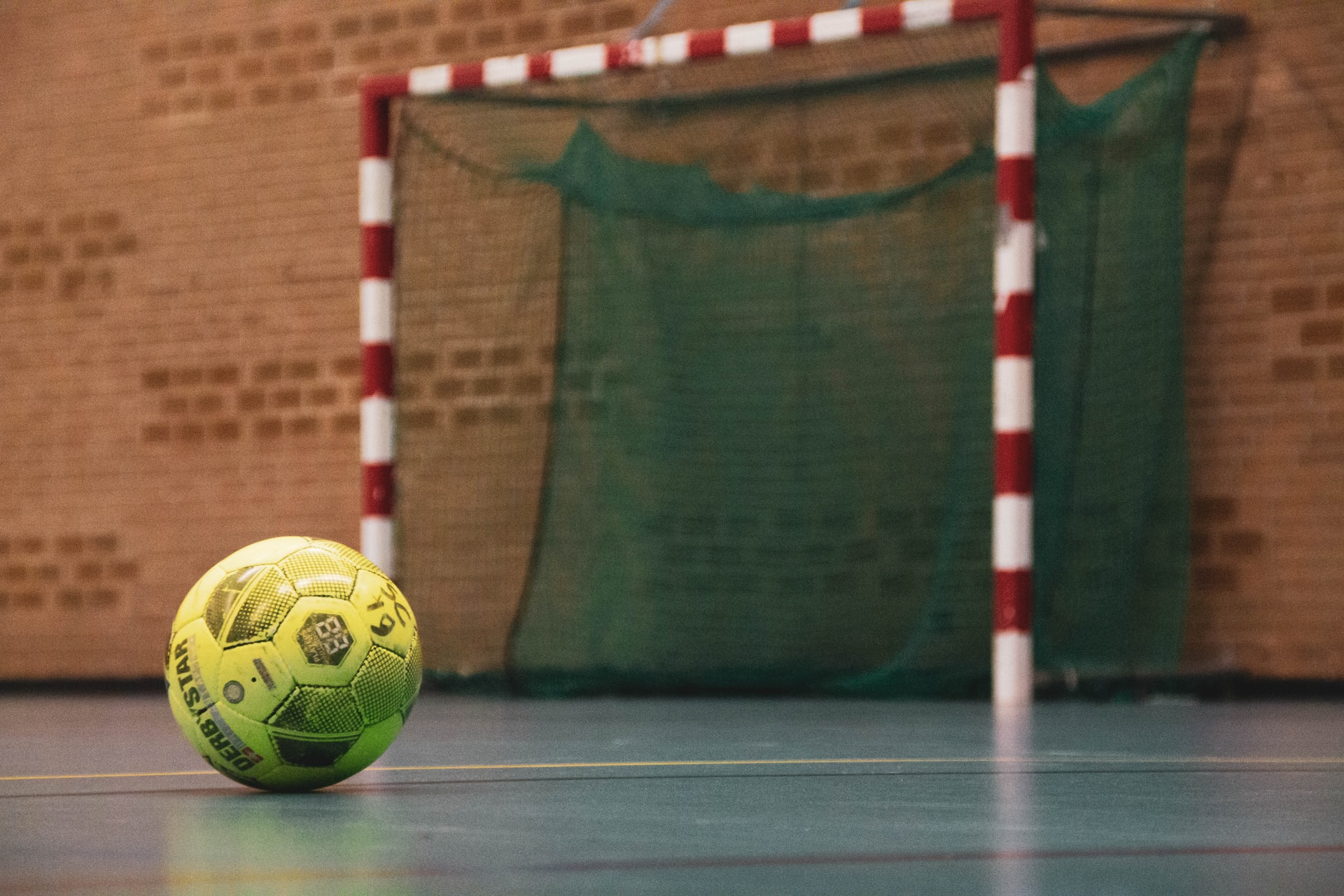
Futsal is sometimes casually described as indoor football, but it is a distinct sport with its own rules, tactics and international competitions. It is generally played five against five on a hard court with a smaller, low-bounce ball.
The reduced playing area produces rapid changes of possession and places considerable emphasis on close control, passing, positioning and quick decision-making. Players have less space and less time than they would on a conventional football pitch.
In Italy, organized futsal operates within the football system overseen by the Italian Football Federation. National championships exist at several levels, while amateur five-a-side matches are a familiar part of social life.
Italy won the UEFA European Futsal Championship in 2003 and again in 2014. These were European titles in futsal, not in the outdoor UEFA European Football Championship. Making that distinction is essential when discussing Italy’s international record.
The sport’s appeal is easy to understand. A futsal match requires fewer players than eleven-a-side football, and courts can be found in urban sports centers where a full-size pitch would be impossible. Many Italians play informal five-a-side football without joining an official league, booking a court with friends for an evening match.
Fencing: An Indoor Sport With Deep Italian Roots
Fencing has a unique place in Italian sporting history. Its vocabulary, teaching traditions and technical development are closely connected to Italian schools of swordsmanship.
Modern competitive fencing includes foil, épée and sabre. Although the three weapons share the same basic contest between two opponents, they have different target areas, scoring conventions and tactical characteristics.
Italian fencers have achieved extraordinary success at the Olympic Games and world championships. Names such as Edoardo Mangiarotti, Valentina Vezzali, Giovanna Trillini, Aldo Montano and Elisa Di Francisca became familiar far beyond specialist fencing circles.
Much of the sport’s strength comes from local fencing clubs, or sale d’armi. These clubs combine physical preparation with highly technical instruction, teaching balance, timing, distance, concentration and respect for an opponent. Fencing may receive less weekly media attention than football or basketball, but it remains one of the disciplines most closely associated with Italy’s Olympic heritage.
Gymnastics, Martial Arts and Combat Sports
Italian indoor-sports facilities also host artistic gymnastics, rhythmic gymnastics, judo, karate, taekwondo, boxing and other combat disciplines.
Gymnastics clubs frequently introduce children to coordination, flexibility and body awareness before they specialize in a particular discipline. Italy has built especially notable traditions in artistic and rhythmic gymnastics, with successful athletes and teams increasing public interest.
Martial-arts clubs have a similarly broad role. Some members train for competition, while others participate for fitness, confidence, discipline or self-defense. Judo, karate and taekwondo are practiced across the country through both specialist schools and larger multisport associations.
Boxing has a long Italian history as well. Traditional boxing gyms have produced Olympic and professional champions while also serving as important community institutions, particularly in major cities.
Table Tennis, Badminton, Darts and Other Indoor Games
Not every indoor sport attracts large television audiences. Table tennis and badminton have organized federations and competitive structures, but their public profile in Italy remains smaller than that of volleyball or basketball.
They are nevertheless accessible sports that can be played by people of widely different ages. Equipment requirements are limited, and recreational versions can be offered in schools, clubs, holiday centers and community facilities.
Darts also has an Italian competitive scene, including associations, regional events and players who participate internationally. However, it should be described as a developing niche activity rather than one of Italy’s leading indoor sports. Its popularity does not approach that of volleyball, basketball or futsal.
Bowling, billiards and cue sports occupy another part of the indoor landscape. Their classification as sports or games is occasionally debated by casual observers, but competitive versions demand precision, consistency, concentration and many hours of practice.
Professional Arenas and Local Gymnasiums
Italy’s indoor-sports venues range from school gyms with a few rows of seats to arenas capable of hosting major international events. Large facilities may stage basketball and volleyball matches, tennis tournaments, gymnastics competitions, concerts and exhibitions.
The experience of attending an indoor match differs from watching sport in a stadium. Spectators are closer to the court, chants echo from the roof and momentum can change the mood of the entire building within seconds.
Yet the foundations of Italian indoor sport are found primarily in smaller venues. Thousands of athletes train after school or work in facilities that rarely appear on television. These local gyms produce coaches, officials, volunteers and lifelong supporters as well as elite competitors.
How Visitors Can Experience Indoor Sport in Italy
Travelers interested in Italian sporting culture can look beyond the country’s famous football stadiums. During the regular season, professional volleyball, basketball and futsal matches offer an accessible and often affordable evening experience.
Schedules vary by sport and competition, so tickets and match information should always be checked through the relevant league, federation or club website. Local tourism offices may also provide information when a city is hosting an international tournament.
Visitors staying for an extended period can search for a nearby polisportiva, a community-based multisport club. Many offer adult courses, amateur leagues or trial sessions. Useful Italian search terms include pallavolo for volleyball, pallacanestro for basketball, calcio a cinque for futsal, scherma for fencing and palestra for a gym or training facility.
Anyone planning a sports-centered trip should also remember that Italy hosts important outdoor and winter competitions. Our guide to the Milano Cortina Winter Olympics examines another side of the country’s diverse sporting identity.
More Than an Alternative to Football
Indoor sports are not merely a substitute for outdoor activity or something Italians do when the weather is poor. They are an established part of the country’s social and competitive culture.
Volleyball fills arenas and creates national heroes. Basketball sustains historic city rivalries. Futsal adapts Italy’s passion for football to a faster and more compact game. Fencing connects modern Olympic competition with centuries of Italian sporting tradition. Gymnastics, martial arts and smaller indoor disciplines bring people into local clubs every day.
Together, these sports reveal an important aspect of Italian life: sporting culture is created not only in famous stadiums, but also in neighborhood gymnasiums where communities meet, children learn and lifelong loyalties begin.
External Sources and Official Organizations
- Italian National Olympic Committee — CONI
- Italian Volleyball Federation — FIPAV
- Italian Basketball Federation — FIP
- Lega Basket Serie A
- FIGC Divisione Calcio a Cinque
- UEFA Futsal EURO history
- Italian Fencing Federation
- Italian Gymnastics Federation
- Italian Table Tennis Federation