

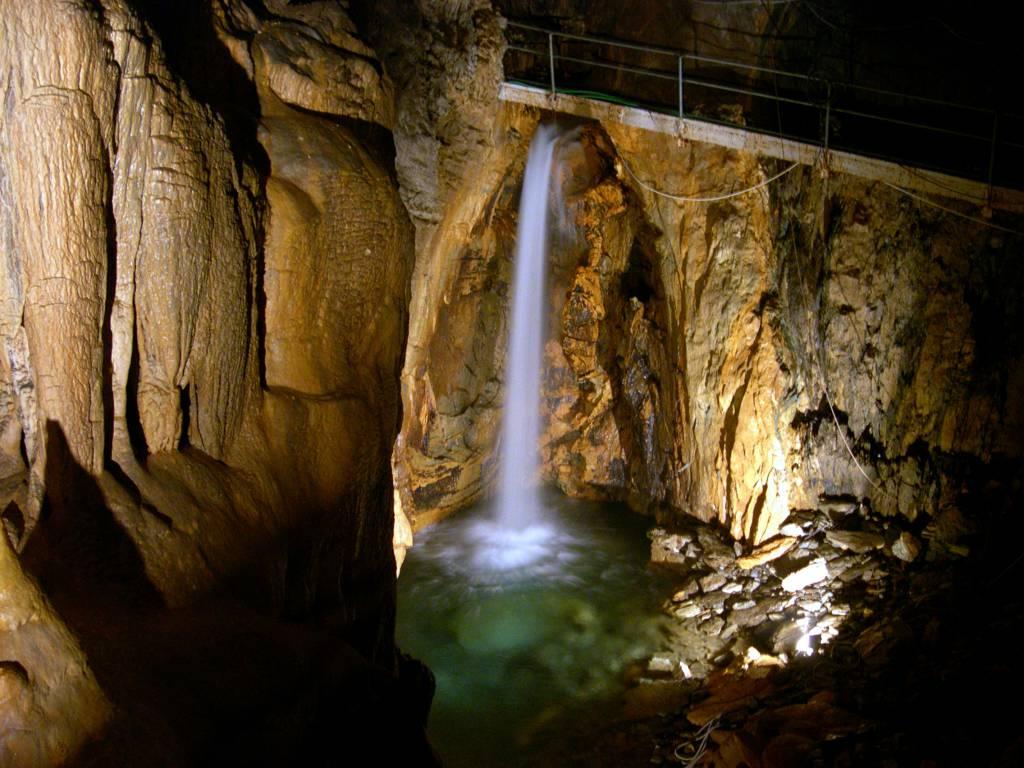
Italy is famous for its Roman ruins, Renaissance cities, spectacular mountains, and Mediterranean coastline. Hidden beneath its landscapes, however, lies another extraordinary world: thousands of caves carved over millions of years by water, volcanic activity, glaciers, and tectonic forces.
From enormous cathedral-like chambers filled with towering stalactites to underwater sea caves glowing brilliant blue, Italy offers one of Europe’s richest collections of accessible caverns. While places such as the Frasassi and Castellana caves attract hundreds of thousands of visitors each year, many lesser-known caves remain hidden gems waiting to be discovered.
This guide travels from north to south through every Italian region, highlighting both the famous attractions and the secret underground treasures.
Valle d’Aosta
Although Valle d’Aosta is better known for glaciers and Alpine peaks than caves, several underground sites are worth visiting.
Saint-Marcel Mining Galleries
Rather than natural caverns, these historic mining tunnels date back centuries and reveal how miners extracted iron and copper from the mountains.
Highlights include:
- ancient mining passages
- mineral formations
- guided geological tours
- alpine scenery
Busserailles Gorge
Near Cogne, water has carved spectacular rock tunnels through limestone over thousands of years.
Piedmont
Bossea Caves (Cuneo)
Discovered in the nineteenth century, Bossea is among Italy’s oldest tourist caves.
Features include:
- underground waterfalls
- rivers
- fossil remains
- huge chambers over 60 meters high
One of its most impressive attractions is the constant sound of flowing underground water.
Caudano Caves
Much less visited than Bossea, these caves feature spectacular limestone formations and adventurous guided routes.
Liguria
Toirano Caves
Among Italy’s most important prehistoric caves, Toirano contains:
- prehistoric human footprints
- cave bear remains
- impressive stalagmites
- archaeological discoveries
Borgio Verezzi Caves
Known as Italy’s most colorful show caves thanks to unusually rich mineral deposits.
Visitors admire:
- red formations
- orange calcite
- white columns
- underground lakes
Lombardy
Lombardy has relatively few tourist caves but several remarkable underground systems.
Buco del Piombo (Como)
An enormous cave entrance overlooking Lake Como.
It served as:
- prehistoric shelter
- medieval refuge
- military hideout
Grotte di Rescia
Near Lake Lugano, these caves combine waterfalls with illuminated chambers.
Trentino-Alto Adige
One of Italy’s most spectacular waterfall caves.
Water plunges nearly 100 meters through a narrow limestone canyon carved over 20,000 years.
Grotta del Calgeron
An impressive cave system famous for:
- crystal-clear streams
- narrow passages
- stalactites
- adventurous excursions
Veneto
Covolo di Camposilvano
Often called “The Bell of the Alps,” this enormous sinkhole resembles an underground cathedral.
Oliero Caves
Located in the foothills of Monte Grappa, these water-filled caves can even be explored by boat.
Friuli Venezia Giulia
Grotta Gigante
One of the largest accessible cave chambers in the world.
The main hall measures approximately:
- 280 meters long
- 65 meters wide
- nearly 100 meters high
Its enormous scale has earned several international records.
Torri di Slivia
A magnificent cave with elegant limestone columns and excellent guided tours.
Emilia-Romagna
Onferno Caves
Located within a protected nature reserve.
The caves are famous for:
- one of Italy’s largest bat colonies
- underground streams
- educational nature tours
Spipola Cave
Near Bologna, this cave is popular with experienced speleologists.
Tuscany
Antro del Corchia
The Corchia mountain contains over 70 kilometers of explored passages.
Visitors experience:
- gigantic chambers
- crystal formations
- underground rivers
- advanced lighting installations
Equi Terme Caves
These caves combine geology with archaeology and paleontology, including Ice Age animal remains.
Marche
The undisputed queen of Italian caves.
Discovered in 1971, Frasassi contains chambers so enormous they could hold Milan Cathedral.
Highlights include:
- Ancona Abyss
- Giant Hall
- Crystal Lake
- spectacular calcite formations
The cave complex stretches for more than 30 kilometers.
Umbria
Monte Cucco Cave System
Among Italy’s premier destinations for technical caving.
Only experienced visitors with guides may explore many sections.
Lazio
Collepardo Caves (Grotte di Collepardo)
Known as the “Caves of Wonders.”
Visitors admire delicate limestone curtains and columns.
Nearby lies the fascinating Certosa di Trisulti monastery.
Abruzzo
Stiffe Caves
Unlike many dry caves, Stiffe is an active resurgence cave.
Visitors encounter:
- underground waterfalls
- rivers
- echoing chambers
- dramatic lighting
Molise
Pozzo della Neve
A fascinating cave historically used to preserve snow throughout the summer before refrigeration.
Campania
Blue Grotto (Grotta Azzurra)
Perhaps Italy’s most famous sea cave.
Sunlight entering beneath the water creates its legendary electric-blue glow.
Small rowing boats carry visitors through the narrow entrance.
Pertosa-Auletta Caves
Unique because visitors begin part of the tour aboard boats navigating an underground river.
The cave also preserves archaeological remains from prehistoric settlements.
Apulia (Puglia)
Castellana Caves
Italy’s longest tourist cave route extends about 3 kilometers.
The spectacular White Cave is frequently described as one of the world’s most beautiful cave chambers.
Other highlights include:
- enormous domes
- deep sinkholes
- brilliant white calcite
- dramatic lighting
Zinzulusa Cave
Near Castro, overlooking the Adriatic Sea.
Its name comes from limestone formations resembling hanging rags (“zinzuli” in local dialect).
The cave features:
- sea water pools
- impressive stalactites
- marine biodiversity
Basilicata
Castelcivita Caves (border with Campania)
Although often associated with Campania, these spectacular caves extend close to Basilicata and are frequently included in regional cave itineraries.
Their chambers display magnificent limestone formations over several kilometers.
Calabria
Romito Cave
One of Italy’s most significant prehistoric archaeological sites.
Visitors can see:
- Paleolithic rock engravings
- ancient human burials
- remarkable stone carvings
Sicily
Grotta del Gelo
Located on Mount Etna, it is Europe’s southernmost glacier cave.
Ice persists year-round despite Sicily’s warm climate.
Grotta del Genovese
Located on Levanzo Island.
This prehistoric cave contains exceptional:
- rock paintings
- engravings
- Neolithic artwork
Grotta Mangiapane
A huge cave transformed into a traditional Sicilian village museum.
Sardinia
Neptune’s Grotto
Near Alghero, this spectacular sea cave is reached by boat or via the famous Escala del Cabirol staircase with more than 650 steps.
Inside visitors discover:
- giant stalactites
- saltwater lakes
- immense chambers
Bue Marino Cave
Once inhabited by the endangered Mediterranean monk seal.
Boat excursions explore its marine passages and prehistoric rock engravings.
Su Mannau Cave
A paradise for serious cavers.
The cave extends for over 10 kilometers and combines archaeological importance with stunning limestone formations.
Italy’s Hidden Cave Gems
Many visitors know only Frasassi or Castellana, but these lesser-known caves reward adventurous travelers:
- Caudano Caves (Piedmont)
- Torri di Slivia (Friuli Venezia Giulia)
- Onferno Caves (Emilia-Romagna)
- Equi Terme (Tuscany)
- Stiffe Caves (Abruzzo)
- Collepardo Caves (Lazio)
- Su Mannau (Sardinia)
- Grotta del Calgeron (Trentino)
- Zinzulusa (Puglia)
- Romito Cave (Calabria)
Best Caves for Different Interests
| Interest | Recommended Cave |
|---|---|
| Largest chambers | Frasassi (Marche) |
| Best sea cave | Blue Grotto (Capri) |
| Most colorful | Borgio Verezzi (Liguria) |
| Best archaeological cave | Toirano (Liguria) |
| Best prehistoric art | Grotta del Genovese (Sicily) |
| Best waterfall cave | Varone (Trentino) |
| Best underground river | Pertosa-Auletta (Campania) |
| Best family destination | Castellana (Puglia) |
| Best for geology | Antro del Corchia (Tuscany) |
| Best for experienced cavers | Monte Cucco (Umbria) |
Planning Your Underground Adventure
Italy’s caves can be visited throughout the year, making them ideal destinations even during the hottest summer months. Temperatures inside most caves remain constant between 10°C and 16°C (50°F–61°F), so bringing a light jacket and comfortable, non-slip shoes is always recommended.
If you have time for only a few, the country’s true underground masterpieces are Frasassi in Marche, Castellana in Puglia, Grotta Gigante in Friuli Venezia Giulia, Antro del Corchia in Tuscany, Neptune’s Grotto in Sardinia, and the magical Blue Grotto on Capri. Together, they showcase the astonishing geological diversity hidden beneath Italy’s surface, from Alpine karst systems to volcanic ice caves and shimmering Mediterranean sea grottos. These remarkable sites reveal that some of Italy’s greatest natural wonders are not found on mountain peaks or along its famous coastlines—but deep underground, waiting to be explored.