 Choosing where to stay in Italy is not simply a matter of finding the most famous city. Each of Italy’s 20 regions has its own geography, transportation network and travel rhythm. In some regions, the capital is the most practical base. Elsewhere, a smaller town, coastal resort or countryside property offers a much better experience.
This region-by-region guide identifies the most convenient bases for first-time visitors while also suggesting quieter alternatives. Before booking, compare current room rates and locations through Trip.com’s Italy hotel listings.
Northern Italy
Valle d’Aosta: Aosta or Courmayeur
Best overall base: Aosta
Aosta is the most practical choice for travelers who want Roman ruins, restaurants, shops and road access to several Alpine valleys. Its historic center is compact, while nearby cable cars provide quick access to mountain scenery.
Choose Courmayeur if your priority is Mont Blanc, skiing, hiking or a polished Alpine-resort atmosphere. It is more expensive than Aosta but places you directly beneath some of Europe’s most dramatic peaks.
Also consider: Cogne for Gran Paradiso National Park, Saint-Vincent for thermal spas and Breuil-Cervinia for skiing beneath the Matterhorn.
Compare hotels across Italy with Trip.com.
Piedmont: Turin
Best overall base: Turin
Turin combines royal residences, historic cafés, museums and excellent food with a comparatively relaxed urban atmosphere. It is the region’s best base for travelers relying on public transportation.
The city also works well for day trips to the Savoy residences, the Langhe wine country and several smaller Piedmontese towns. Wine-focused visitors may prefer Alba, while travelers seeking lakeside scenery should consider Stresa on Lake Maggiore.
Also consider: Barolo or La Morra for vineyards, Orta San Giulio for romance and mountain villages in the Val di Susa for outdoor activities.
Browse Turin museums, tours and cultural experiences through Weekend in Italy.
Lombardy: Milan, Como or Bergamo
Best overall base: Milan
Milan is the logical choice for art, fashion, nightlife, shopping and transportation. Its high-speed railway connections make it one of Italy’s easiest cities from which to continue toward Turin, Bologna, Florence or Venice.
Travelers mainly interested in the lakes should stay in Como, Varenna or Bellagio rather than commuting from Milan every day. Varenna is especially useful without a car because it has a railway station and ferry connections.
For a smaller historic city with convenient airport access, Bergamo is an excellent alternative.
Reserve cultural experiences through Weekend in Italy’s Milan listings.
Trentino-Alto Adige: Bolzano or Trento
Best overall bases: Bolzano and Trento
Choose Bolzano for the Dolomites, South Tyrolean food and a blend of Italian and Austrian influences. It provides access to areas such as Val Gardena, the Alpe di Siusi and the Renon plateau.
Choose Trento for Renaissance architecture, museums, castles and excursions toward Lake Garda. Its railway connections make it particularly convenient for travelers without a car.
For a mountain holiday, stay closer to the landscape you intend to explore. Ortisei, Canazei, Madonna di Campiglio and San Candido are better than the regional cities when hiking or skiing is the main purpose of the trip.
Veneto: Venice or Verona
Best overall base: Venice
Visitors traveling to Veneto for the first time should spend at least a few nights in Venice itself. Staying in the historic city allows you to experience its canals and squares after many day-trippers have departed.
For better train connections and easier access to Lake Garda, choose Verona. It is an attractive base for visiting Vicenza, Padua, Mantua and the eastern shore of Lake Garda.
Travelers who want both city and beach can consider Lido di Venezia, while wine enthusiasts may prefer the hills around Valdobbiadene.
Book Venice museums, tours and experiences through Weekend in Italy.
Friuli-Venezia Giulia: Trieste
Best overall base: Trieste
Trieste is unlike any other Italian regional capital. Its Habsburg architecture, historic coffeehouses, Adriatic waterfront and Central European character give it a distinct identity.
The city is a good base for Miramare Castle, the Karst plateau and excursions toward the Slovenian border. For a quieter stay, consider Grado, which combines beaches with a historic center, or Cividale del Friuli for medieval streets and access to wine country.
Also consider: Udine for a smaller urban base and Tarvisio for lakes, hiking and mountain scenery.
Liguria: Genoa or the Riviera
Best overall base: Genoa
Genoa offers the widest range of museums, restaurants and transport connections in Liguria. It is also more authentic and often better value than the region’s famous resort towns.
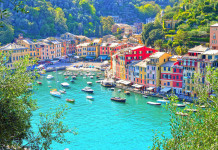
For the eastern Riviera, Santa Margherita Ligure is a convenient base for Portofino, Camogli and coastal walks. Levanto is a practical alternative for visiting the Cinque Terre because it has direct trains and more space than the five villages.
On the western Riviera, consider Finale Ligure, Alassio or Sanremo.
Find accommodation for your Ligurian itinerary through Trip.com.
Emilia-Romagna: Bologna
Best overall base: Bologna
Bologna is one of the best bases anywhere in Italy. Its historic center, famous food traditions and central railway station make it ideal for visiting Modena, Parma, Ferrara, Ravenna and even Florence.
For Byzantine mosaics and a slower pace, stay in Ravenna. Food lovers may prefer Parma or Modena, while beach travelers should look toward Rimini, Cesenatico or Milano Marittima.
Bologna is particularly suitable for visitors who want to explore several destinations without renting a car.
Central Italy
Tuscany: Florence, Siena or Lucca
Best overall base: Florence
Florence is the natural choice for a first visit to Tuscany, particularly for travelers interested in Renaissance art and architecture. It also has good train connections to Pisa, Lucca, Arezzo and other Tuscan cities.
For medieval towns and the southern Tuscan countryside, Siena is a more atmospheric base. Travelers seeking a quieter walled city with convenient railway access should consider Lucca.
A countryside agriturismo is ideal for vineyards, hill towns and relaxation, but a car is usually necessary. Areas around Pienza, Montepulciano, San Gimignano and the Chianti hills are especially rewarding.
Reserve Florence museums, Uffizi tickets and Tuscan experiences through Weekend in Italy.
Umbria: Perugia, Assisi or Spoleto
Best overall base: Perugia
Perugia offers a lively historic center, restaurants, cultural events and useful transport connections. It is a sensible base for visiting Assisi and several towns in northern and central Umbria.
Choose Assisi for spiritual heritage and evening tranquillity after the day-trip crowds leave. Spoleto is better for exploring southern Umbria, including the Valnerina and nearby hill towns.
Travelers with a car might prefer an agriturismo near Todi, Montefalco or Orvieto, particularly if food, wine and countryside are central to the trip.
Marche: Ancona, Urbino or Ascoli Piceno
Best base depends on the itinerary
Stay in Ancona for railway connections, ferries and access to the beaches of Monte Conero. Nearby Sirolo and Numana are better choices for a seaside holiday.
Choose Urbino for Renaissance art and a beautifully preserved hill-town setting, although reaching it is easier by car or bus than by train.
Ascoli Piceno makes an appealing base in the south, combining an elegant historic center with access to both the Sibillini Mountains and the Adriatic coast.
Lazio: Rome
Best overall base: Rome
Rome is the obvious base for a first visit to Lazio. Staying near a Metro station or within walking distance of the historic center can greatly simplify sightseeing.
Neighborhoods such as Monti, Prati, Testaccio and Trastevere offer different balances of atmosphere, restaurants and access to major attractions. Visitors planning day trips can reach Tivoli, Ostia Antica, Orvieto and Castelli Romani from the capital.
For a quieter Lazio experience, consider Viterbo, Frascati or one of the towns around Lake Bolsena.
Book Rome attractions, Vatican experiences and guided tours through Weekend in Italy.
Abruzzo: Pescara, Sulmona or Santo Stefano di Sessanio
Best overall base: Pescara
Pescara is the region’s most convenient base for travelers arriving by train or plane. It offers beaches, restaurants and transportation connections, although it does not provide the medieval atmosphere associated with inland Abruzzo.
Choose Sulmona for historic streets and access to mountain landscapes. For a quiet village stay, consider Santo Stefano di Sessanio, while hikers may prefer locations closer to Gran Sasso or Majella National Park.
A car is extremely useful for exploring Abruzzo’s mountain villages, castles and national parks.
Molise: Campobasso or Termoli
Best overall bases: Campobasso and Termoli
Stay in Campobasso for inland villages, traditional cuisine and access to the region’s mountainous interior. It is the more practical base for travelers interested in Molise’s rural identity.
Choose Termoli for beaches, a charming old town and summer ferry services to the Tremiti Islands. It is also conveniently positioned on the Adriatic railway line.
Molise rewards slow travel. Rather than attempting a checklist of attractions, allow time for small towns such as Agnone, Sepino and Scapoli.
Southern Italy
Campania: Naples, Sorrento or the Amalfi Coast
Best overall base: Naples
Naples is the region’s transportation and cultural center. It is the most practical base for Pompeii, Herculaneum, Caserta and several islands, while also offering some of Italy’s most distinctive food and street life.
Choose Sorrento for a more relaxed base with connections to Pompeii, Capri and the Amalfi Coast. For a romantic coastal holiday, stay directly in Positano, Amalfi or Ravello, keeping in mind that prices and transportation demands can be considerably higher.
Explore Naples tours, museums and Campania experiences through Weekend in Italy.
Puglia: Bari or Lecce
Best overall bases: Bari and Lecce
Choose Bari for transportation, food and access to central and northern Puglia. From here, travelers can visit Polignano a Mare, Monopoli, Trani and parts of the Valle d’Itria.
Choose Lecce for Baroque architecture and the Salento peninsula. It is the better base for reaching Otranto, Gallipoli and the beaches of southern Puglia.
Travelers with a car may enjoy staying in a masseria near Ostuni, Fasano or Martina Franca. For a coastal holiday, Monopoli offers a particularly attractive combination of beaches, restaurants and historic character.
Basilicata: Matera
Best overall base: Matera
Matera is the region’s most memorable place to stay. Sleeping in a restored cave dwelling in the Sassi can be part of the experience, although visitors with limited mobility should examine the property’s location carefully before booking.
Matera works well for a short cultural stay, but travelers exploring the wider region may also need a base near Potenza, Maratea or the Pollino area.
Choose Maratea for beaches and dramatic Tyrrhenian scenery. A car is recommended for reaching Basilicata’s smaller inland communities and natural areas.
Calabria: Tropea, Reggio Calabria or Cosenza
Best leisure base: Tropea
Tropea is an excellent choice for beaches, sunsets and access to the Costa degli Dei. It becomes busy during summer, so nearby towns may provide better value in July and August.
Choose Reggio Calabria for museums, the waterfront and views across the Strait of Messina. Cosenza is more suitable for exploring the Sila mountains and inland northern Calabria.
For the Ionian coast, consider Soverato, Scilla or smaller historic communities near the sea. Calabria is much easier to explore with a car.
Sicily: Palermo, Catania or Ortigia
Best bases: Palermo and Catania
Stay in Palermo for Arab-Norman architecture, markets, street food and excursions to Monreale and Cefalù.
Choose Catania for Mount Etna, the eastern coast and transportation toward Taormina and Syracuse. For a more beautiful and relaxed historic setting, stay on Ortigia, the ancient heart of Syracuse.
Western Sicily can also justify a separate stay in Trapani, while travelers focused on Baroque towns should consider Noto or Ragusa.
Browse Sicily tours, attractions and cultural experiences through Weekend in Italy.
Sardinia: Cagliari, Alghero or Olbia
Best base depends on the coast
Choose Cagliari for urban life, archaeology, restaurants and access to southern beaches. It is the best option for combining culture with the sea.
Stay in Alghero for a walkable historic center, Catalan heritage and excursions along Sardinia’s northwestern coast. Choose Olbia for access to the Costa Smeralda, the Maddalena area and northeastern beaches.
Beach travelers should select accommodation close to the part of the coast they intend to explore. Distances are longer than they appear, and crossing the island every day is rarely enjoyable.
How to Choose the Right Italian Base
The best place to stay depends on how you intend to travel.
- Without a car: Favor cities with major railway stations, such as Turin, Milan, Verona, Bologna, Florence, Rome, Naples, Bari, Palermo and Catania.
- For beaches: Stay on the coast instead of commuting daily from a regional capital.
- For countryside: Book an agriturismo or rural hotel, but confirm whether a car is essential.
- For short visits: Choose one well-connected base rather than changing hotels every night.
- For major attractions: Stay close enough to visit early in the morning or during the quieter late afternoon.
- For summer travel: Reserve coastal and island accommodation well ahead of arrival.
- For winter travel: Verify seasonal transportation, opening hours and mountain-road conditions.
Booking Hotels, Activities and Guidebooks
Use Trip.com to compare hotels and accommodation across Italy. Check the map carefully before booking: a property described as being “near” a famous destination may actually require a car or lengthy bus journey.
For advance admission, guided visits and cultural activities, browse Weekend in Italy’s museums, tours and experiences. The service includes experiences in major destinations such as Florence, Milan, Naples, Rome, Sicily, Siena, Turin and Venice.
A regional guidebook can be particularly helpful when exploring rural areas or traveling by car:
- Italy regional travel guidebooks — compare guides covering the entire country or individual regions.
- Northern Italy travel guidebooks — useful for the Alps, lakes, major cities and northern rail routes.
- Tuscany, Umbria and Central Italy guidebooks — ideal for art cities, hill towns and countryside itineraries.
- Southern Italy travel guidebooks — covering Campania, Puglia, Basilicata and Calabria.
- Sicily travel guidebooks — helpful for planning routes across the island.
- Sardinia travel guidebooks — useful for beaches, archaeological sites and driving itineraries.
Whether you choose a grand regional capital, a seaside town or a quiet countryside property, location matters more than luxury. The right base reduces travel time and lets you experience the character of each Italian region beyond its most photographed attractions.
Disclosure: This article contains affiliate links. Italia Mia may receive a commission from qualifying reservations or purchases, at no additional cost to the reader.