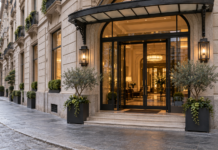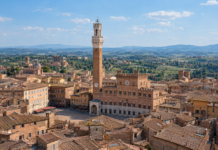
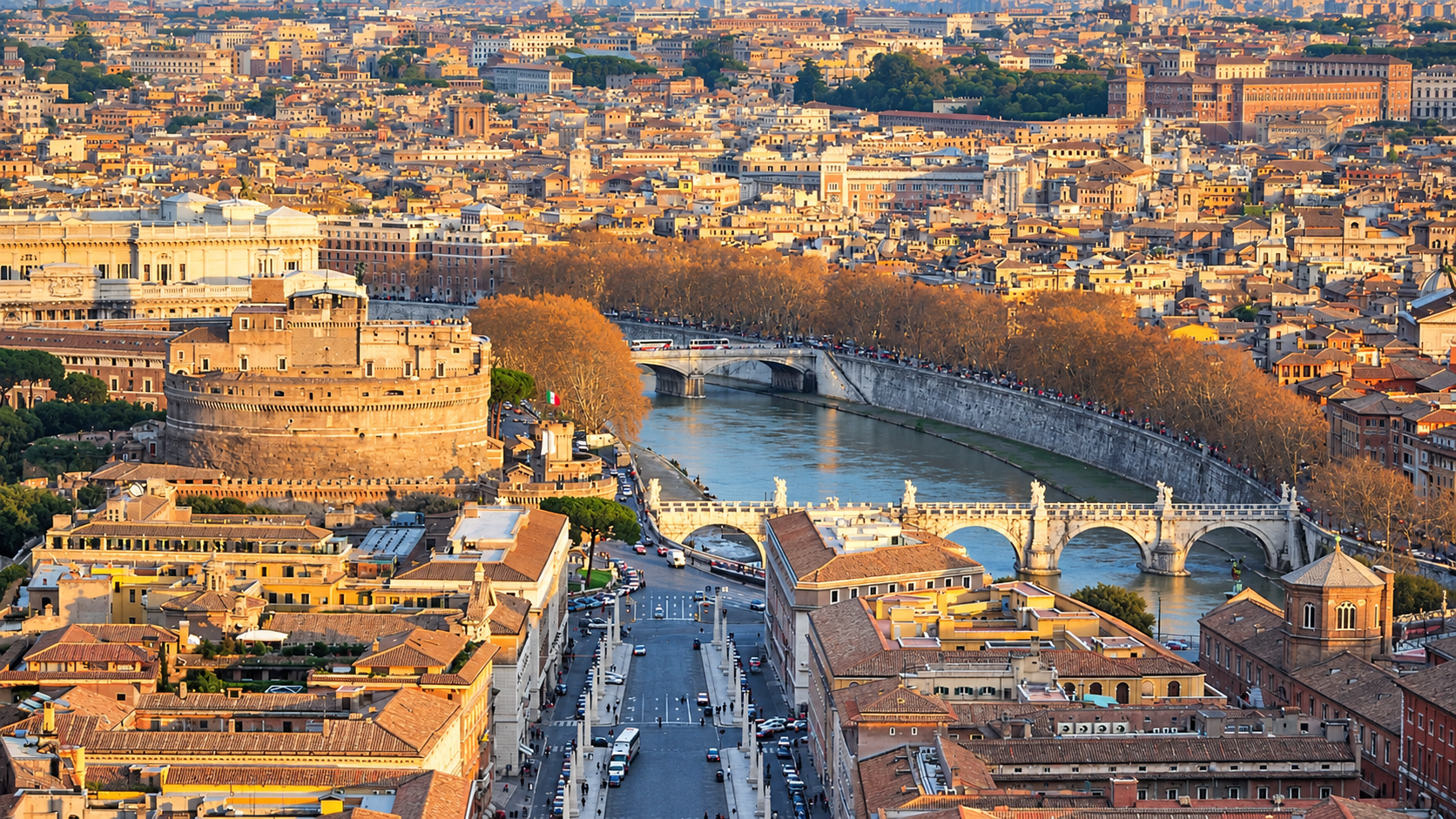
 Choosing where to stay in Rome can shape your entire visit. A hotel beside the Pantheon puts you among historic squares and walkable sights. A room in Monti brings ancient Rome closer. Trastevere offers lively evenings, while Prati makes a Vatican-focused itinerary easier.
For most first-time visitors, my recommendation is the historic center around the Pantheon and Piazza Navona. If prices are too high, start your search in Monti or Prati. The best choice depends on what you want to do each day, how much walking you enjoy, and whether you prefer quiet nights or restaurants outside your door.
Use this guide alongside Italia Mia’s Rome travel guide to match your accommodation to your sightseeing plans.
Affiliate disclosure: This article contains affiliate links. Italia Mia may earn a commission from qualifying bookings made through these links, at no extra cost to you.
The Best Rome Neighborhoods at a Glance
These recommendations compare the experience of staying in each area. They are editorial judgments, rather than official rankings, and individual streets can feel quite different.
| Area | Best for | Main advantage | Main tradeoff |
|---|---|---|---|
| Pantheon and Piazza Navona | Most first-time visitors | Walking between central sights | Popular locations can be expensive and noisy |
| Monti | Ancient Rome and neighborhood atmosphere | Convenient for the Forum and Colosseum | Hills, cobbles and lively streets |
| Trastevere | Restaurants and evenings out | Atmospheric lanes and plenty of dining | Noise and less convenient metro access |
| Prati | Vatican visits and a more orderly base | Shopping streets and Metro A access | Longer journeys to ancient Rome |
| Spanish Steps and Piazza del Popolo | Shopping and higher-end stays | Central setting with Metro A nearby | Premium addresses often carry premium prices |
| Termini and Repubblica | Train connections and practical stays | Rail and metro convenience | Street character varies considerably |
| Testaccio and the Aventine | Food-focused or slower visits | Markets, residential streets and viewpoints | Less convenient for a packed first itinerary |
Pantheon and Piazza Navona: Best Overall for a First Visit
If you picture stepping out of your hotel into a small piazza, stopping for coffee, and exploring Rome on foot, this is the area to consider first.
The streets around the Pantheon, Piazza Navona and Campo de’ Fiori provide a useful base for discovering the historic center. You can arrange a day around nearby monuments and churches, then return to your room before dinner without making a long journey across the city.
“Centro Storico,” however, is a broad accommodation label. Always check the exact address. A property near the Pantheon gives you a different daily route from one at the outer edge of the center.
For a short visit, I would prioritize a quieter side street within easy reach of the main squares. Rooms overlooking popular gathering places can be appealing, but restaurant terraces, deliveries and evening crowds may disturb light sleepers.
This area suits couples, independent travelers and anyone who values location over extra facilities. It also works well if your first visit is only three nights and you want to spend most of your time sightseeing.
Booking tip: Open the map when comparing Rome hotels on Expedia, then concentrate your search around the Pantheon and Piazza Navona. Compare the final total for your dates rather than the headline nightly price.
Monti: Best for Ancient Rome and Neighborhood Atmosphere
Monti combines a central setting with small streets, independent shops and places to linger over an aperitivo. Piazza della Madonna dei Monti is a useful reference point when checking accommodation locations.
The neighborhood is particularly attractive if the Colosseum and Roman Forum are high on your list. Rome’s official tourism guide places these ancient landmarks within its account of Monti’s varied historic landscape.
Choose the location carefully. Accommodation toward Via dei Serpenti and the Forum offers a different setting from properties nearer the busy roads around Termini. Monti also has slopes and uneven paving, so a short distance on a map may require more effort than expected.
Cavour station on Metro B is useful for many addresses in the area. Check walking directions from your particular property before relying on a station described as “nearby.”
For a property to investigate, Nerva Boutique Hotel on Trip.com has a location close to the Roman Forum. Its position makes it worth comparing if ancient Rome is your priority. Check current room choices, guest feedback and cancellation conditions before booking.
Monti is my strongest alternative to the Pantheon area for a balanced first visit.
Trastevere: Best for Restaurants and Lively Evenings
Trastevere lies across the Tiber from much of the historic center. Its narrow lanes, small squares and trattorias make it an appealing place to return to after sightseeing.
The neighborhood also offers cultural visits, including Santa Maria in Trastevere, Santa Cecilia and Villa Farnesina. Staying here can give your itinerary a pleasant rhythm: explore during the day, then spend the evening close to your accommodation.
The main tradeoff is noise. Streets around busy bars and gathering places can remain lively late into the evening. Read recent reviews for comments about soundproofing and the actual room location.
For travelers who enjoy evenings out, central Trastevere is a good fit. If sleep matters more, investigate a side street and request a room away from street activity.
Hotel Santa Maria on Trip.com is one property to compare in this area. Treat it as a starting point for your search rather than a guarantee of quiet or availability.
Remember that Roma Trastevere railway station is separate from the neighborhood’s best-known historic lanes. Check the hotel’s address and your arrival route, especially if you are traveling with luggage.
Prati: Best for Vatican Visits and a Comfortable Base
Prati is worth considering if the Vatican Museums and St. Peter’s Basilica are central to your plans. Its broader streets and shopping avenues offer a different setting from the narrow lanes around Piazza Navona.
Rome’s tourism office highlights the district’s boutiques, restaurants and Via Cola di Rienzo shopping area. For visitors who prefer a more orderly street layout, Prati can be an appealing base.
Ottaviano and Lepanto stations provide Metro A connections, although their usefulness depends on the hotel’s exact location. A listing described as “near the Vatican” may still involve a substantial walk.
Also check which Vatican entrance you need. The Vatican Museums entrance and St. Peter’s Square are different destinations, so a hotel convenient for one is not necessarily equally convenient for the other.
You can check Vatican Museums ticket options through Weekend in Italy. Read the booking terms carefully: the product page states that a preferred entry time may be replaced by the closest available time.
Prati is a sensible choice for families and visitors who plan to use public transport. Compare room size and facilities directly, since the neighborhood name alone does not guarantee either.
Spanish Steps and Piazza del Popolo: Best for Shopping and a Special Stay
The area around the Spanish Steps suits visitors who want shopping, elegant surroundings and a central address. Piazza del Popolo provides another useful reference point, with access toward Villa Borghese.
Metro A serves Spagna and Flaminio, making this part of the city practical for some cross-city journeys.
The main consideration is price. A prestigious address may cost more without providing a larger room. Compare room categories, breakfast arrangements and amenities before paying extra for the location.
This is an attractive option for a celebration or a first visit with a generous accommodation budget. Look beyond the best-known streets if you want a quieter setting.
Termini and Repubblica: Best for Train Connections
Termini is a practical base if Rome is one stop on a longer journey through Italy. It provides rail connections and access to Metro A and Metro B. Nearby Repubblica and the streets toward Via Nazionale offer additional hotel choices.
I would choose this area for a short stay involving train travel, an early departure, or a hotel that offers clearly better value for your dates.
Inspect the exact location and recent reviews. Two properties advertised as “near Termini” can have quite different surroundings, arrival routes and noise levels.
Avoid judging the whole district from a single description. Focus instead on the entrance, lighting, reception arrangements and walking route from the station.
If your main priority is wandering through historic squares each evening, compare Termini with Monti before deciding. A slightly different address can change the feel of your stay.
Testaccio and the Aventine: Best for a Slower Visit
Testaccio appeals to travelers who want to make food and everyday neighborhood life part of their itinerary. Its market and Roman dining traditions make it an interesting area to explore beyond the main monument circuit.
Nearby, the Aventine offers a different atmosphere, with residential streets and viewpoints such as the Orange Garden.
These areas deserve separate consideration when booking. Testaccio’s flatter streets and the Aventine’s hillside setting do not offer the same walking experience.
For a first visit lasting five nights or more, either may suit travelers happy to use transport and explore at a slower pace. For a brief stay with a full sightseeing schedule, I would start with the historic center, Monti or Prati.
Check access to Piramide station for the exact address you are considering. On the Aventine, include the uphill return in your decision.
What to Check Before Booking a Rome Hotel
Start with three questions: Where will you go most often? How will you return in the evening? What will make the room comfortable?
Check these details before paying:
- The full stay total: Include taxes, fees, breakfast and any charges payable at the property.
- Air conditioning: Confirm availability and any seasonal restrictions for your travel dates.
- Elevator access: Ask whether steps remain between the entrance, elevator and room.
- Room position: A courtyard room may suit light sleepers better than a street-facing room.
- Reception and check-in: Guesthouses and apartments may have limited staffed hours.
- Bed arrangements: Verify the setup if you need separate beds or a family room.
- Cancellation terms: Compare the same level of flexibility across booking sites.
Travelers using wheelchairs or with limited mobility should request specific information about entrances, door widths, bathrooms and nearby paving. A general “accessible” label may not answer the questions that matter for your stay.
For budget planning beyond accommodation, read Italia Mia’s Italy on a Budget guide.
Book Your Rome Stay and Experiences
Once you have selected two suitable neighborhoods, compare accommodation for the same dates, occupancy and room conditions.
Browse Rome accommodation on Expedia and compare Rome hotels on Trip.com. Use the map to assess the exact address rather than relying on the neighborhood label.
For sightseeing, explore Weekend in Italy’s Vatican Museums ticket options. Confirm the date, entry arrangements, booking fees and cancellation policy before organizing the rest of that day.
For most first-time visitors, I would book near the Pantheon or Piazza Navona if the right room fits the budget. Monti is my next choice for a balanced sightseeing trip. Choose Trastevere for evenings out, Prati for a Vatican-focused stay, and Termini when rail convenience matters most.
External Sources
- Turismo Roma: Monti
- Turismo Roma: Trastevere
- Turismo Roma: Prati
- Turismo Roma: Trastevere, Tiber Island and Testaccio
- ATAC: Rome public transport maps