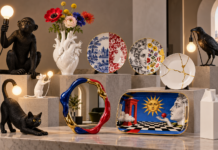
The first Thun object many people recognize is an angel: a small face, rounded cheeks, soft colors and an expression that seems to belong in a family home. I have always thought the appeal lies in how familiar these figures feel. They are decorative objects, but people often give them to mark a birth, a wedding, Christmas or another moment they want to remember.
Thun began in Bolzano in 1950, and its angels remain central to the brand. Today its range extends well beyond figurines to seasonal decorations, tableware and accessories for the home. Here is how I would approach its collections, whether choosing a gift or starting one of your own.
How Thun began in Bolzano
According to Thun’s account of its history, Countess Lene Thun modeled the first Angelo di Bolzano in 1950 after looking at her sleeping children. That origin explains much of the style that followed: gentle faces, rounded forms and subjects drawn from family life, nature and celebration.
Lene and her husband, Count Otmar Thun, developed the enterprise in Bolzano, in South Tyrol. It grew from those early ceramic figures into a recognizable Italian gift and home décor brand. The angel still provides a useful starting point for anyone encountering Thun for the first time. It tells you immediately whether the brand’s warm, sentimental style suits the person you are buying for.
The angels and the pleasure of collecting
Thun makes angels in different poses, sizes and themes. Some work as a single keepsake on a shelf; others invite collecting over time. I would start with one figure that has a particular meaning for its recipient, rather than buying several simply because they belong to a range.
That personal connection is what makes an angel a considered gift. It might commemorate a new home, thank someone for their kindness or become part of a family’s Christmas decorations. Before ordering, I would check the dimensions carefully. A figure that looks substantial in a photograph may be quite small in person.
Collectors may also be interested in older or discontinued pieces. Thun has published guidance on its collecting history, but an asking price alone does not establish that a figure is rare or valuable. If buying secondhand, inspect photographs of the base and any marks, ask about chips or repairs, and compare the piece with reliable examples.
Animals, seasonal figures and the Christmas crib
Angels are only one part of the Thun world. Animal figures and seasonal designs give the same soft style a different character. I find the seasonal collections especially interesting because they can become part of a household ritual: one decoration comes out each December, or a new figure joins the crib as a family grows.
Thun says its Presepe Classico collection began in 1997. Its nativity figures and settings can be assembled gradually, which makes them suitable for someone who enjoys building a Christmas display over several years. Check the scale and collection name before adding a figure to an existing crib so that the pieces look right together.
The selection changes with the season. If a particular Christmas decoration matters to you, check current availability rather than relying on a photograph from an older collection. Browse Thun’s current selection through the official store.
Thun beyond figurines
Thun also sells items for the table and home, including pieces made from ceramic or porcelain alongside products in other materials. That wider range makes gift buying easier if your recipient likes the brand’s designs but has little room for another figurine.
For someone who uses a small Italian coffee cup every day, I would look at the espresso sets. For someone arranging a new home, a frame or decorative piece may make more sense. I would choose an item for the way the person lives, then check its material, size and care instructions on the individual product page. A decorative ceramic object and a piece of tableware do not necessarily have the same intended use.
This distinction matters when giving a practical gift. Check whether a cup or serving piece is described as suitable for food, and follow Thun’s instructions for washing and handling it. The design may catch your eye first, but the product details should make the final decision.
Is every Thun product Made in Italy?
Thun’s story and creative identity are firmly connected to Bolzano. That does not mean every item bearing the name is manufactured in Italy. Thun’s customer information says it works with more than 130 suppliers located across Europe and Asia.
I would therefore avoid using “Made in Italy” as a description of the entire catalog. If Italian manufacture is essential to your purchase, inspect the origin information for the specific product or ask Thun’s customer service before ordering. “Italian brand” accurately describes the company; a manufacturing-origin claim needs evidence for the item itself.
The same care applies to craftsmanship. Thun describes hand decoration or hand modeling for particular creations, but it is too broad to promise that every product in a varied catalog is both sculpted and painted by hand. Read the listing for the piece you have chosen.
What about sustainability?
Thun is a Società Benefit, an Italian corporate designation that includes stated public-benefit aims. Its published commitments address people, communities and the environment, and it makes impact reports available.
Those commitments are useful information about the company, but they do not establish that every Thun item uses sustainable materials or has a particular environmental footprint. If that question is central to a purchase, look for evidence about the specific material and product rather than relying on a general description of the brand.
How I would choose a Thun gift
I would begin with the occasion and the recipient. A classic angel is a natural introduction to the brand. A Christmas figure suits someone who already has a seasonal display. A cup or home accessory may suit a person who prefers useful gifts.
Then I would check three practical details: size, material and delivery location. Some collections are seasonal, and availability can change. For a collector, I would also note the exact collection and product name so that a future gift can fit what they already own.
The official Thun store is a sensible place to see the current catalog and product descriptions. If you are ordering from outside Italy, confirm that the store serves your destination and review shipping costs and returns before paying.
Affiliate disclosure: Italia Mia may earn a commission if you purchase through a Thun link in this article, at no additional cost to you.
Why Thun remains a distinctive Italian gift brand
What interests me most about Thun is its continuity. The first angel made in Bolzano still gives the brand its visual language, even as the catalog changes. You can choose a single object for a particular moment or add to a collection over many years.
The best purchase is the one with a reason behind it. Pick a figure, decoration or household item that suits someone’s taste, verify its details, and let that choice carry the sentiment.
External Sources
Thun: Product Care and Manufacturing FAQ
Thun: Benefit Company and Impact Reports