 Few fashion objects say “Italy” as immediately as a beautifully made handbag. Italian bags can be discreet or flamboyant, traditional or experimental, but the best of them share something deeper: attention to leather, proportion, construction and detail.
Italy’s relationship with the handbag also goes well beyond the great luxury houses. Florence and Tuscany have centuries-old traditions of leatherworking. Milan is one of the world’s fashion capitals. Veneto has developed its own extraordinary leather craftsmanship, while workshops and manufacturers across the country continue to produce bags for both famous designers and smaller independent labels.
That is why an Italian handbag should not be judged simply by the logo on its clasp.
Some of the most interesting bags made in Italy are internationally recognizable status symbols. Others come from brands that cost a fraction of luxury-house prices. And some of the best purchases are relatively understated bags whose appeal comes from good leather and careful construction rather than a prominent name.
Here is a closer look at Italian handbags, the houses that made them famous, and what to consider when buying one.
Why Italy Became Famous for Handbags
Italy did not become a center of luxury leather goods by accident.
Leatherworking has deep roots in several Italian regions, but Tuscany is especially important. Florence became associated with leatherworkers, saddlers, shoemakers and other specialized artisans long before the modern fashion industry existed.
That tradition eventually intersected with international luxury.
Guccio Gucci, for example, founded Gucci in Florence in 1921. The business began as an artisanal luggage atelier after Gucci had been inspired by the elegant luggage he saw while working at London’s Savoy Hotel. The house combined Tuscan materials and craftsmanship with the sophisticated travel aesthetic Guccio had observed abroad.
Italian handbag production eventually expanded from traditional leather goods into a vast spectrum of design. Today it encompasses everything from hand-finished luxury bags costing thousands of dollars to practical crossbody bags, totes, travel bags and contemporary accessories.
This diversity is one reason Italian handbags remain so interesting.
They are not one style.
A structured Florentine leather bag, a woven Bottega Veneta design and a playful Moschino bag may look completely different, yet each belongs to the larger story of Italian fashion.
For more background on the country’s influence on clothing and design, see Italia Mia’s guide to Italian Fashion, as well as our articles on Italian Fashion Designers and Italian Leather.
Gucci: From Florentine Luggage to Iconic Handbags
Few brands demonstrate the connection between Italian leather craftsmanship and international luxury better than Gucci.
Founded in Florence in 1921, Gucci began with luggage. The house’s travel origins remain important because bags were not an accessory added later to an established clothing business: leather goods were part of Gucci’s identity from the beginning.
Some designs have become chapters in fashion history.
The Bamboo bag emerged in 1947, when postwar material shortages encouraged experimentation. Its curved bamboo handle became instantly recognizable. The house still crafts the handle using heat to shape the bamboo.
Then there is the Jackie, associated with Jacqueline Kennedy Onassis, and the Horsebit family, which transformed an equestrian-inspired detail into another unmistakable Gucci code.
These bags demonstrate something important about successful Italian handbag design: functionality and decoration often become inseparable. A handle, closure or piece of hardware can eventually become the visual signature of an entire fashion house.
For this article, Gucci is important primarily for its history and design influence. I would buy current luxury pieces through Gucci or an established authorized luxury retailer rather than choosing an uncertain marketplace listing simply to obtain an affiliate commission.
Prada: Intellectual, Modern Italian Luxury
Prada represents a different side of Italian bag design.
The Milanese house has repeatedly demonstrated that luxury does not have to mean elaborate decoration. Prada bags can be exceptionally restrained, allowing shape, material and proportion to carry the design.
Leather remains central to the brand, but Prada also helped transform nylon into a luxury material. That decision challenged conventional ideas about what an expensive handbag was supposed to be.
This combination of practicality and sophisticated design is part of Prada’s enduring influence.
A Prada bag can work precisely because it does not need to announce itself loudly. That restraint has influenced generations of designers and helped establish a distinctly modern interpretation of Italian luxury.
Bottega Veneta: When Craftsmanship Becomes the Logo
Bottega Veneta provides perhaps the clearest example of craftsmanship itself becoming a recognizable design language.
Its famous Intrecciato technique involves weaving strips of leather by hand. Bottega Veneta identifies the technique as a signature of the house since 1975, and its artisans continue to preserve and reinterpret it.
The result is remarkable because a Bottega bag can be recognizable without relying on an obvious printed logo.
The weave is the identity.
Intrecciato can also be adapted to different dimensions, materials, colors and structures, giving designers room to experiment while retaining a connection to the house’s heritage.
For anyone trying to understand why Italian leather goods command international respect, Bottega Veneta is an important case study. The value is not simply the material. It is what skilled craftspeople can do with it.
Fendi: Roman Creativity and the Baguette
Fendi brings Rome into the story.
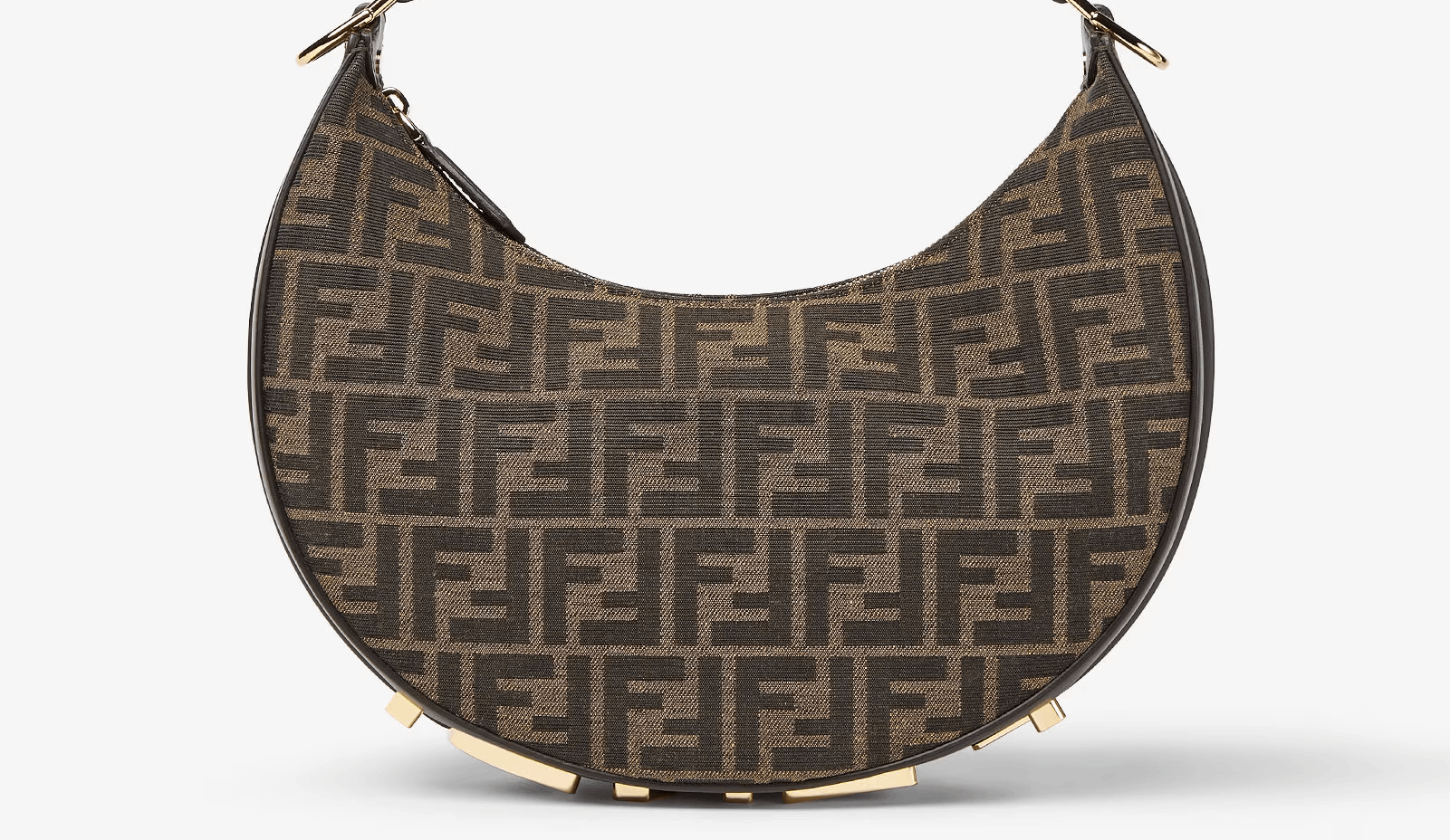
Founded in Rome in 1925, the house developed a powerful reputation for craftsmanship and leather goods. Its handbags eventually produced one of the most recognizable designs of the late twentieth century: the Fendi Baguette.
Introduced in the 1990s, the compact shoulder bag demonstrated how a relatively simple silhouette could become a platform for extraordinary variation.
Fendi continues to emphasize Italian craftsmanship. Its “Hand in Hand” project, for example, invited ateliers from Italy’s twenty regions to reinterpret the Baguette using regional craft traditions.
That project says a great deal about Italian fashion.
“Made in Italy” is not one homogeneous tradition. Italy contains highly localized skills, materials and techniques that developed in different regions and communities. A contemporary fashion house can preserve those traditions while also putting them into an entirely modern context.
Ferragamo: Florentine Elegance Beyond Shoes
Salvatore Ferragamo will always be strongly associated with footwear, but stopping there misses an important part of the house’s modern identity.
Ferragamo’s leather goods and handbags translate many of the same principles associated with Italian luxury footwear: quality materials, careful proportions, recognizable hardware and a balance between practicality and elegance.
The brand also reinforces Florence’s importance to Italian luxury.
This makes Ferragamo particularly interesting for someone who wants an Italian designer handbag that feels sophisticated without necessarily choosing the most obvious logo-heavy option.
What Actually Makes a Good Italian Handbag?
The words “Italian” and “leather” alone do not guarantee exceptional quality.
When I evaluate a bag, I would look first at construction.
Check whether the stitching is straight and consistent. Examine where handles attach to the body because those areas take considerable stress. Look at the edges of leather panels and the quality of the finishing. Open and close the zipper several times. Test clasps and other hardware.
Then look inside.
A beautiful exterior can hide an inexpensive interior. A well-made bag should feel considered even in areas that are not immediately visible.
Leather deserves particular attention. High-quality leather should feel appropriate for the bag’s intended structure. A rigid briefcase and a soft shoulder bag require different characteristics, so “soft leather” is not automatically synonymous with better leather.
Hardware matters too. Zippers, buckles, clasps, feet and chains are functional components, not merely decoration. Cheap hardware can make an otherwise attractive bag feel disappointing very quickly.
Finally, consider whether the design works for your life.
A €2,000 bag that you are afraid to use is not necessarily a better purchase than a €300 Italian leather bag you carry several times a week.
“Made in Italy” and Italian Brands Are Not Exactly the Same Thing
This distinction is worth making.
An Italian brand does not automatically mean that every component of every product is made entirely in Italy. Large fashion businesses operate global supply chains, and manufacturing arrangements can vary by collection and product.
Conversely, some bags manufactured in Italy are sold by companies that are not Italian.
If Italian production matters to you, examine the information for the particular bag rather than relying only on the nationality of the brand.
Look for clear origin information on the product itself and in the manufacturer’s description.
Be cautious about vague marketplace descriptions such as “Italian style,” “Italian design” or “genuine Italian leather.” None of those phrases necessarily means that the finished handbag was made in Italy.
Italian Handbags You Can Buy Online
You do not have to spend several thousand dollars to own a bag from an established Italian fashion company.
For shoppers looking below the highest luxury tier, several brands are worth knowing.
Affiliate disclosure: Italia Mia may earn a commission from qualifying purchases made through some links in this section, at no additional cost to you. Availability, colors and prices can change.
Furla
Furla is one of the first brands I would consider for someone who wants recognizable Italian design without entering Gucci or Bottega Veneta price territory.
Its collections typically include crossbody bags, totes, shoulder bags, mini bags and more structured leather designs. The styling tends to be polished enough for work or evenings while remaining practical for everyday use.
For American shoppers:
Shop Furla handbags on Amazon.com
For shoppers in Italy:
Shop Furla handbags on Amazon.it
Coccinelle
Coccinelle occupies another attractive position between mass-market accessories and very expensive luxury houses.
The brand is particularly worth considering if you like contemporary leather bags that are feminine without being overly ornate. Crossbody and shoulder bags are especially useful starting points.
For American shoppers:
Shop Coccinelle handbags on Amazon.com
For shoppers in Italy:
Shop Coccinelle bags on Amazon.it
The Bridge
The Bridge is particularly appealing if what attracts you to Italian bags is traditional leather rather than fashion logos.
Its aesthetic often feels closer to classic Tuscan leather goods: warm leather tones, restrained styling and bags designed to develop character through use.
This makes The Bridge a natural choice for an article about Italian craftsmanship because it provides a different perspective from Milan’s runway-driven fashion houses.
For American shoppers:
Shop The Bridge Italian bags on Amazon.com
For shoppers in Italy:
Shop The Bridge bags on Amazon.it
Mandarina Duck
Mandarina Duck offers yet another interpretation of Italian bag design.
Instead of concentrating exclusively on traditional leather luxury, the brand is known for practical contemporary bags, backpacks and travel-oriented accessories. It is a good example of why Italian design should not be reduced to brown leather and gold hardware.
If you travel frequently, this may be one of the more practical brands in this guide.
For American shoppers:
Shop Mandarina Duck on Amazon.com
For shoppers in Italy:
Shop Mandarina Duck bags on Amazon.it
Love Moschino
Love Moschino is the choice for readers who want more visible fashion personality.
Where The Bridge can feel traditional and understated, Love Moschino is more likely to play with prominent lettering, decorative hardware, bold silhouettes and recognizable branding.
It can also provide an accessible entry into the wider Moschino fashion universe without the prices associated with the highest tier of Italian luxury.
For American shoppers:
Shop Love Moschino handbags on Amazon.com
For shoppers in Italy:
Shop Love Moschino handbags on Amazon.it
Amazon availability changes frequently, so I prefer these brand searches to recommending a particular color or seasonal model that may disappear within weeks.
Which Italian Handbag Brand Is Right for You?
There is no single “best” Italian handbag brand because these companies are trying to achieve very different things.
If heritage and international luxury are the priorities, start with Gucci, Prada, Fendi, Bottega Veneta or Ferragamo.
If craftsmanship without conspicuous branding attracts you, explore The Bridge.
For accessible contemporary Italian fashion, Furla and Coccinelle are logical places to begin.
For something younger and more playful, look at Love Moschino.
And if functionality, travel and lightweight everyday use matter more than traditional leather luxury, Mandarina Duck deserves consideration.
That range is precisely what makes the Italian handbag industry interesting.
Buying an Italian Handbag in Italy
Buying a handbag while traveling in Italy can add another dimension to the experience.
Florence is the obvious destination for anyone interested in leather craftsmanship. Milan offers everything from global luxury flagships to contemporary Italian designers. Rome combines the great fashion houses with independent boutiques, while other Italian cities often reveal smaller shops that receive far less international attention.
But be selective.
Tourist areas can contain excellent leather shops and mediocre ones within a few meters of each other. A sign advertising “Italian leather” should be the beginning of your questions, not the end of them.
Ask where the bag was manufactured. Examine the stitching and hardware. Feel the leather. Look inside. If the shop emphasizes local or artisanal production, ask who makes the bags and where the workshop is located.
A serious retailer should be comfortable answering.
And do not assume that the most expensive bag is automatically the best-made bag in the store.
The Future of the Italian Handbag
Italian handbag design continues to evolve because the industry has never depended entirely on nostalgia.
Traditional leatherworking remains important, but designers are experimenting with alternative materials, new production techniques, lighter constructions and changing ideas about luxury.
At the same time, consumers increasingly want to know more about where products come from and how they are made.
That scrutiny may ultimately benefit Italy’s strongest manufacturers. Genuine craftsmanship is easier to appreciate when shoppers learn to distinguish it from branding alone.
The future of Italian handbags therefore lies in an interesting balance: preserving specialist skills while allowing designers to reinterpret them.
Bottega Veneta’s Intrecciato is a perfect example. A hand-weaving technique associated with the house since 1975 remains recognizable, but it can continually change in scale, shape, color and application.
The tradition survives because it evolves.
More Than a Designer Name
The most important lesson from Italian handbags is that the label is only part of the story.
Gucci demonstrates the enduring influence of Florence’s leather tradition. Prada shows how unconventional materials can redefine luxury. Bottega Veneta turns a hand-weaving technique into a design signature. Fendi connects Roman fashion with craft traditions from across Italy. Ferragamo carries Florentine elegance from footwear into leather accessories.
Below those famous luxury houses is another world of Italian bags: Furla, Coccinelle, The Bridge, Mandarina Duck, Love Moschino and many smaller producers.
That is where shopping becomes particularly interesting.
You can spend thousands on an Italian handbag, but you do not have to. The better objective is to understand what you are buying: the material, the construction, the place of manufacture, the reputation of the producer and, most importantly, whether the bag is something you will genuinely enjoy using.
A great Italian handbag should not merely carry a famous name.
It should carry the tradition of good Italian design.
External Sources
Bottega Veneta — Intrecciato craftsmanship
Fendi — Craftsmanship and Innovation
Fendi — Hand in Hand craftsmanship project