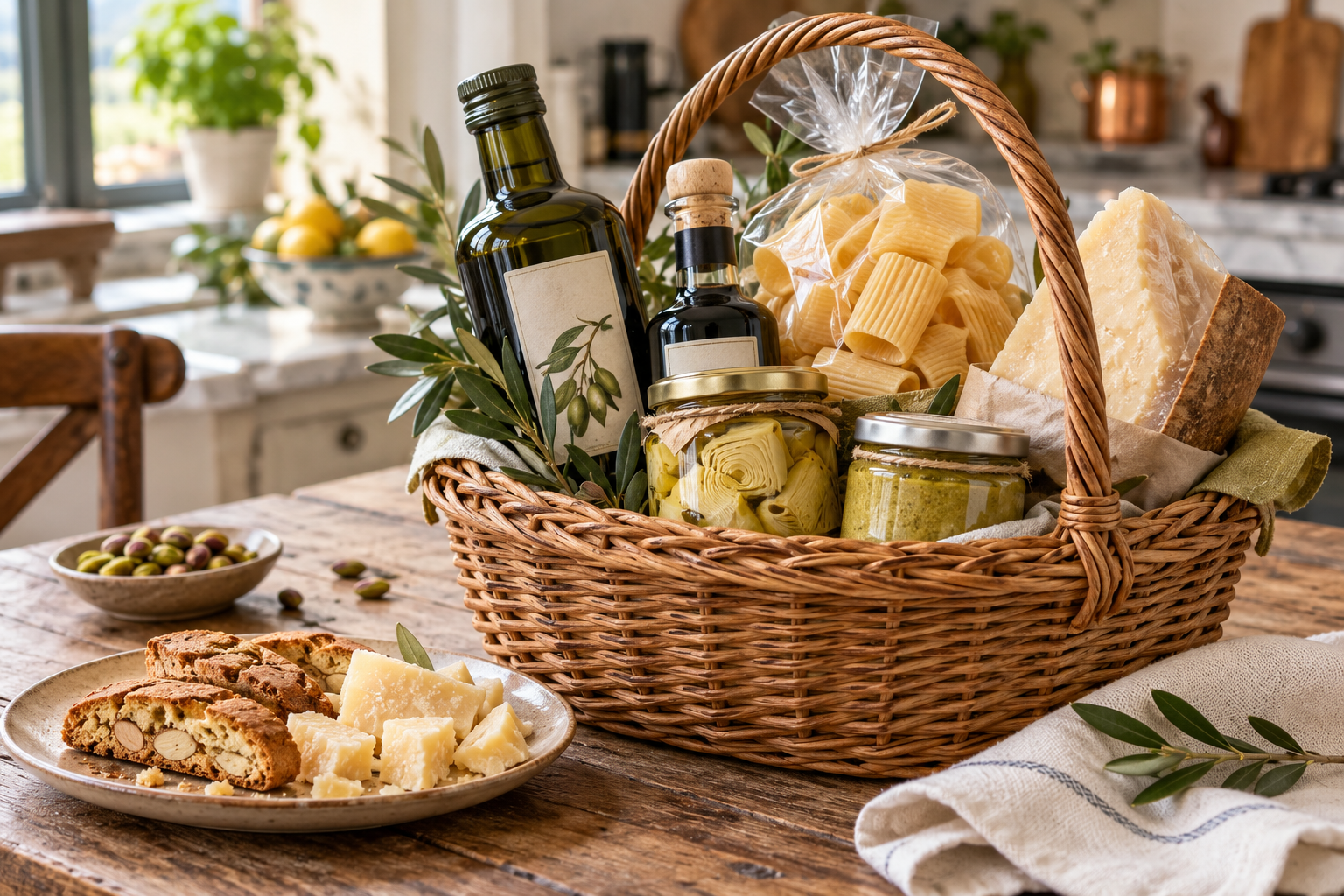
 What Makes Italian Food Gourmet?
When I choose Italian gourmet food, I look for something more meaningful than an elegant box or a famous name. I want ingredients with character: olive oil that brings a slice of bread to life, cheese worth tasting slowly, or pasta that makes a simple sauce feel complete.
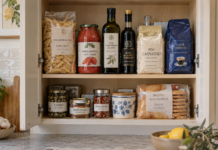
Italy’s finest foods often begin with everyday ingredients. Their appeal comes from the quality of the raw materials, the care taken in production, and the connection to a particular place. A small wedge of well-aged cheese or a carefully chosen jar of preserved vegetables can be more satisfying than a large assortment assembled mainly for presentation.
The pleasure is in knowing what you are buying—and giving each ingredient enough space to shine.
Regional Flavors Worth Bringing Home
Italian food changes considerably from region to region. Emilia-Romagna offers Parmigiano Reggiano and balsamic vinegar; Liguria is associated with basil pesto; Tuscany contributes almond biscuits and distinctive olive oils; Sicily brings pistachios, citrus, and a wonderful variety of sweets.
These regional traditions make gourmet shopping especially enjoyable. You can build a pantry around the dishes you already love or choose a few unfamiliar ingredients and let them suggest your next meal.
For everyday cooking essentials, our guide to authentic Italian pantry staples you can buy in America offers a useful starting point. The selections below focus on foods that also deserve a place at a special dinner or in a thoughtful gift.
How to Recognize Quality and Origin
Start with the label rather than the packaging. Look for a clearly identified producer, country of origin, ingredient list, and any relevant information about harvest, maturation, or production.
DOP, known in English as PDO, and IGP, known as PGI, identify protected geographical names. PDO products have a particularly strong connection to their designated production area; PGI requires at least one production, processing, or preparation stage to take place there. These schemes protect origin and production standards, although many excellent Italian foods do not carry either designation.
An Italian brand name alone does not tell you where every ingredient comes from. With olive oil, for example, check the stated origin of the olives or oil rather than assuming that “bottled in Italy” means an entirely Italian product.
I also compare quantities carefully. A beautifully presented jar may contain much less food than expected, and a large package offers little value if it will sit open for months.
Enjoying Gourmet Food Without Complicated Recipes
Good ingredients rarely need elaborate preparation. Serve olive oil with bread, break Parmigiano Reggiano into small pieces, or spoon preserved artichokes onto an antipasto plate.
For dinner, choose a good pasta and one main flavor: tomato, pesto, mushrooms, or anchovies. Finish with the appropriate cheese or a little olive oil rather than adding everything in the cupboard.
A food gift can follow the same principle. Pasta, a jar of sauce, olive oil, and biscuits make a useful assortment with a clear purpose. Check allergens and storage instructions, and arrange suitable chilled delivery if you include cheese or other perishable foods.
Selected Italian Gourmet Food
The following selections cover cooking, entertaining, and gifting. Shopping links lead to Amazon searches, where you can compare sellers, sizes, origin, and current availability.
Affiliate disclosure: As an Amazon Associate, Italia Mia earns from qualifying purchases.
1. Italian Extra Virgin Olive Oil
This would be my first purchase for a gourmet pantry. Choose an oil with clearly stated Italian origin, preferably with harvest information, in a dark bottle or tin.
Use it to finish soups, dress vegetables, or serve with bread. A smaller bottle is often the better choice if you use finishing oil occasionally: freshness matters more than having an impressive quantity.
Shop on Amazon.com | Shop on Amazon.it
2. Parmigiano Reggiano DOP
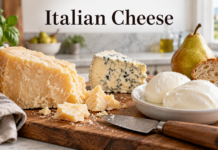
A wedge of Parmigiano Reggiano works equally well as an ingredient and a food to enjoy on its own. Its minimum maturation is 12 months; around 24 months, it develops a particularly useful balance of flavor and crumbly texture. Longer maturation generally brings a more pronounced character.
I would choose a 24-month wedge for versatility and serve small pieces alongside pears or walnuts. For more buying and serving ideas, see our Italian cheese guide.
Shop on Amazon.com | Shop on Amazon.it
3. Traditional Balsamic Vinegar of Modena DOP
For a special gift, look for the full name Aceto Balsamico Tradizionale di Modena DOP. It is made from cooked grape must and aged for at least 12 years; Extra Vecchio is aged for at least 25 years. It is a different product from Aceto Balsamico di Modena IGP and balsamic glaze.
Use a few drops to finish cheese, risotto, or strawberries. This is a tasting ingredient, so a small bottle can provide many occasions to enjoy it.
Shop on Amazon.com | Shop on Amazon.it
4. Bronze-Die Italian Pasta
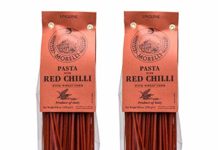
A carefully chosen pasta is an affordable way to improve a familiar meal. Look for Italian production, a shape suited to your sauce, and clear information about the flour and manufacturing process.
Spaghetti is useful for olive oil, garlic, or seafood sauces; ridged tubes work well with more substantial sauces. I would include two contrasting shapes in a gift rather than several nearly identical packets.
Shop on Amazon.com | Shop on Amazon.it
5. Dried Porcini Mushrooms
Dried porcini bring a deep mushroom flavor to risotto, pasta, and soups. Compare the mushroom species, origin, and proportion of intact pieces; an Italian package does not necessarily mean the mushrooms were harvested in Italy.
Rehydrate and cook according to the package instructions. If using the soaking liquid, filter it carefully to remove grit. A modest packet makes a useful gift for someone who enjoys cooking.
Shop on Amazon.com | Shop on Amazon.it
6. Italian Artichokes Preserved in Oil
Preserved artichokes are one of the easiest ways to assemble an inviting antipasto. Serve them with olives, cheese, and bread, or add them to a sandwich or warm grain salad.
Check which oil is used and whether the jar contains whole hearts, quarters, or smaller pieces. Follow the refrigeration and use instructions after opening.
Shop on Amazon.com | Shop on Amazon.it
7. Sicilian Pistachio Cream
For someone with a sweet tooth, pistachio cream makes an appealing alternative to another box of chocolates. Spread it on toast, use it in pastry fillings, or spoon a little over ice cream.
Compare pistachio percentages and ingredient lists: sweet spreads vary considerably. Check any claim about Sicilian or Bronte origin on the actual label, and distinguish sweet cream from unsweetened pistachio paste.
Shop on Amazon.com | Shop on Amazon.it
8. Cantucci and Italian Almond Biscuits
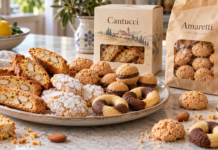
Almond biscuits provide a simple finish to a meal and travel well in a food hamper. I would choose a clearly labeled product with a useful best-before date and packaging that protects the biscuits from breaking.
Serve them with coffee or tea, or offer a small plate after dinner. Our guide to Italian cookies and biscotti introduces more varieties to try.
Shop on Amazon.com | Shop on Amazon.it
External Sources
European Commission: Geographical Indications for Food and Drink
Parmigiano Reggiano Consortium: Frequently Asked Questions
Parmigiano Reggiano Consortium: Maturation and Sensory Characteristics
Balsamic Vinegar of Modena Consortium: Traditional Balsamic Vinegar