Updated October 27, 2026
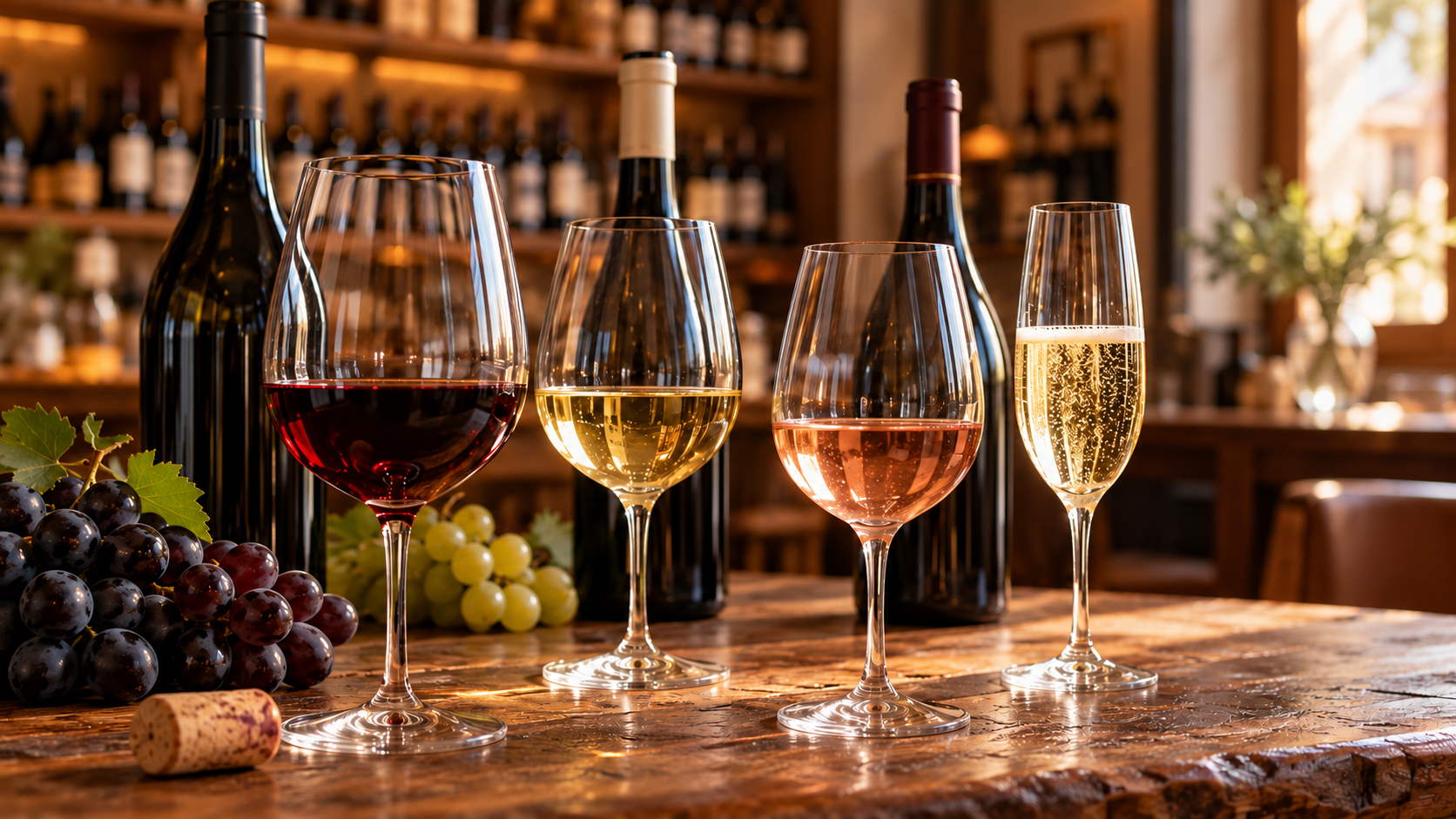
Italy’s most famous wines include Barolo and Barbaresco from Piedmont, Prosecco and Amarone from Veneto, Chianti Classico and Brunello di Montalcino from Tuscany, and the distinctive reds and whites of the south and islands. Together, they explain why Italian wine cannot be reduced to one grape, one style or one price bracket.
A journey through the country might begin with mountain whites, move through the aromatic Nebbiolo vineyards of the northwest, continue into Tuscany’s Sangiovese country and finish with Carricante grown on Mount Etna. Along the way are sparkling reds, ageworthy whites, sweet wines and collector bottles whose prices can reach thousands of euros.
This guide follows that regional journey, then examines Italy’s most expensive wines and the trends shaping the market in 2026. Famous appellations provide the starting points; the most rewarding discoveries often lie just beyond them.
Italian wines at a glance
| Area | Famous wines | Principal grapes | Typical character |
|---|---|---|---|
| Piedmont | Barolo, Barbaresco, Barbera, Gavi, Moscato d’Asti | Nebbiolo, Barbera, Cortese, Moscato Bianco | Structured reds, fresh whites and aromatic sweetness |
| Lombardy | Franciacorta, Valtellina Superiore | Chardonnay, Pinot Nero, Nebbiolo | Traditional-method sparkling wines and mountain reds |
| Trentino-Alto Adige | Trentodoc, Pinot Grigio, Gewürztraminer | Chardonnay, Pinot Nero, Pinot Grigio, Gewürztraminer | Alpine freshness and expressive aromatics |
| Veneto and Friuli | Prosecco, Amarone, Soave, Collio whites | Glera, Corvina, Garganega, Friulano | Everything from bright bubbles to concentrated reds |
| Emilia-Romagna and Liguria | Lambrusco, Romagna Sangiovese, Vermentino | Lambrusco varieties, Sangiovese, Vermentino | Food-friendly sparkling reds, savory reds and coastal whites |
| Tuscany | Chianti Classico, Brunello, Vino Nobile, Bolgheri | Sangiovese, Cabernet Sauvignon, Merlot | Bright traditional reds and internationally celebrated blends |
| Central Adriatic and Umbria | Verdicchio, Sagrantino, Montepulciano d’Abruzzo | Verdicchio, Sagrantino, Montepulciano | Serious whites, firm reds and accessible everyday bottles |
| Campania and Basilicata | Taurasi, Fiano, Greco, Aglianico del Vulture | Aglianico, Fiano, Greco | Structured reds and whites with aging potential |
| Puglia and Calabria | Primitivo, Salice Salentino, Cirò | Primitivo, Negroamaro, Gaglioppo | Generous reds, savory styles and characterful rosés |
| Sicily and Sardinia | Etna, Nero d’Avola, Cannonau, Vermentino di Gallura | Nerello Mascalese, Carricante, Nero d’Avola, Cannonau, Vermentino | Volcanic, Mediterranean and island expressions |
How to read an Italian wine label
Italian labels can name a grape, a place, a producer or a proprietary wine. Barolo is a place-based appellation made from Nebbiolo. Pinot Grigio names the grape. Sassicaia identifies a particular wine from Tenuta San Guido, within its dedicated Bolgheri Sassicaia appellation.
DOC and DOCG indicate protected origins and production rules. IGT provides a broader geographical framework and greater flexibility. These designations help identify what a wine is, but they do not rank every bottle by drinking quality or price. Some of Italy’s most prestigious wines carry an IGT designation.
Riserva refers to additional requirements defined by the individual appellation, often including longer aging. Classico generally identifies an established historical production area. Neither word replaces the need to consider the producer, vintage and style.
Sweetness deserves attention too. In sparkling wine, Extra Dry is sweeter than Brut. A wine smelling of ripe cherries or dried plums may still taste dry: fruit aromas and residual sugar are different things.
Northern Italy: Nebbiolo, alpine whites and celebrated sparkling wines
Piedmont: Barolo and Barbaresco
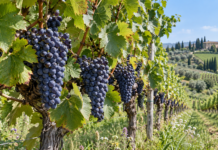
Piedmont’s most prestigious reds come from Nebbiolo, a grape capable of combining pale color with substantial tannin, bright acidity and unusually complex perfume. Roses, red cherries, orange peel and, with development, earthy or truffle-like notes are common reference points.
Barolo is the better-known international name, while Barbaresco offers its own range of powerful, graceful and long-lived interpretations. Both reward attention to vineyard, village and producer. Describing all Barbaresco as light and all Barolo as heavy misses much of their character.
Giacomo Conterno, Bartolo Mascarello, Giuseppe Rinaldi and Bruno Giacosa are important names for understanding Barolo’s prestige. Gaja, Produttori del Barbaresco and Roagna provide different routes into Barbaresco. Their wines vary considerably in availability and price.
For the table, consider braised beef, mushroom dishes or aged cheese. Delicate truffle preparations need a wine whose tannins will not overwhelm them. Langhe Nebbiolo can offer an earlier-drinking introduction to the grape without requiring a collector’s budget.
Piedmont beyond its two great reds
Barbera d’Asti and Barbera d’Alba bring juicy fruit and lively acidity to everyday meals. Dolcetto often offers darker fruit, a pleasingly bitter edge and a direct affinity with antipasti, pasta and roast meat.
White-wine drinkers should look for Gavi, made from Cortese, and Roero Arneis. They provide a different view of a region often associated almost exclusively with serious reds.
Moscato d’Asti belongs in any account of Italy’s famous wines. Its fragrant sweetness, gentle sparkle and relatively low alcohol make it a natural partner for fruit desserts and simple cakes. It should not be confused with dry sparkling wine merely because both have bubbles.
Valle d’Aosta, Lombardy and the mountain alternative
Valle d’Aosta’s small production offers a fascinating detour through mountain varieties such as Petit Rouge and Prié Blanc. These wines are less internationally familiar, but they expand the idea of what northern Italian wine can taste like.
In Lombardy, Valtellina expresses Nebbiolo under its local name, Chiavennasca. Valtellina Superiore can show floral fragrance, savory detail and a sense of lightness supported by firm structure. Sforzato uses dried grapes to produce a more concentrated interpretation.
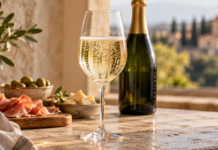
Franciacorta, near Lake Iseo, is one of Italy’s leading traditional-method sparkling wines. Secondary fermentation takes place in the bottle, followed by aging on the lees. Chardonnay and Pinot Nero are central grapes, with others permitted under the production rules.
Berlucchi, Bellavista and Ca’ del Bosco are well-known reference points. Franciacorta works with seafood, risotto and fried dishes, and deserves consideration throughout a meal rather than only at the opening toast.
Trentino-Alto Adige: freshness with substance
Trentino-Alto Adige produces some of Italy’s most recognizable mountain wines. Pinot Grigio can have considerably more texture and character here than the neutral versions that dominate supermarket shelves. Pinot Bianco, Sauvignon and Gewürztraminer offer further variety.
Gewürztraminer is particularly expressive, often suggesting rose petals, spice and exotic fruit. Those aromas do not automatically mean the wine is sweet.
Red options include Lagrein, Schiava and Teroldego. Schiava is especially appealing when the meal calls for a lighter red, while Teroldego can offer deeper color and firmer structure.
Trentodoc adds another major traditional-method sparkling tradition. Ferrari is its most internationally recognizable producer. Comparing Trentodoc with Franciacorta is an enjoyable way to investigate how place and house style influence Italian bubbles.
Veneto: Prosecco, Amarone and Soave
Few Italian wines are as globally familiar as Prosecco. Predominantly made from Glera, it usually emphasizes apple, pear, flowers and a fresh, approachable sparkle.
Prosecco DOC covers parts of Veneto and Friuli-Venezia Giulia. Conegliano Valdobbiadene Prosecco Superiore DOCG and Asolo Prosecco DOCG offer more geographically specific identities. In Conegliano Valdobbiadene, Rive and Cartizze are useful terms for readers ready to explore further.
Most Prosecco develops its bubbles in pressurized tanks, helping preserve its fresh fruit character. This differs from Franciacorta and Trentodoc, whose second fermentation occurs in the bottle.
Around Verona, Amarone della Valpolicella presents another side of Veneto. Grapes including Corvina, Corvinone and Rondinella are dried before fermentation, concentrating the resulting wine. Amarone is a dry red, despite its association with dried-fruit aromas and substantial richness.
Giuseppe Quintarelli and Dal Forno Romano are celebrated luxury names. Valpolicella Classico offers a fresher alternative, while Ripasso introduces another production approach and generally more body. Soave, based principally on Garganega, completes the picture with whites that can combine floral delicacy, texture and impressive development.
Friuli-Venezia Giulia: white wine with personality
Friuli is essential to understanding Italian whites. Collio and Friuli Colli Orientali offer expressive examples of Friulano, Ribolla Gialla, Sauvignon and Pinot Grigio, alongside distinctive blends.
Friulano can suggest orchard fruit, herbs and almond. Ribolla Gialla ranges from crisp, refreshing wines to textured versions made with extended skin contact.
The borderland traditions around Oslavia are particularly important to amber, or orange, wine: white grapes fermented with their skins. The resulting color, tannin and savory character can be striking. Orange describes a method and resulting style; it does not mean the wine contains oranges.
Gravner and Radikon are influential names in that conversation. For newcomers, a carefully chosen glass with food is often a better introduction than purchasing an unfamiliar bottle solely because the category is fashionable.
Emilia-Romagna and Liguria: wines made for the table
Lambrusco deserves a place beside Italy’s better-known luxury wines. It is a family of grapes and wines, and good examples can be dry, fragrant and wonderfully refreshing.
Lambrusco di Sorbara often shows a lighter color and bright acidity; Grasparossa commonly brings deeper fruit and more body. Pairing either with cured meats and rich regional cooking explains their enduring appeal.
Romagna adds another important expression of Sangiovese, while Liguria turns attention toward coastal whites such as Vermentino and Pigato. These are appealing companions for fish, vegetables and pesto-based dishes.
For more regional context, continue through Italia Mia’s Wine & Drinks collection.
Central Italy: Sangiovese country and remarkable whites
Tuscany: Chianti and Chianti Classico
Chianti is among Italy’s most recognizable wine names, but Chianti and Chianti Classico are separate appellations. Chianti Classico comes from the historic area between Florence and Siena and is identified by its black rooster symbol.
Sangiovese gives these wines their central character: cherry fruit, lively acidity, savory detail and tannins that suit food. Younger bottles can be excellent with tomato-based pasta, grilled vegetables and pork; more structured examples work with steak or slow-cooked dishes.
Riserva and Gran Selezione provide additional categories within Chianti Classico. Geographic names associated with the UGA system add another layer of origin information to eligible Gran Selezione labels. They help readers investigate place rather than treating the whole area as stylistically uniform.
Fèlsina, Fontodi, Castello di Ama, Ricasoli and Isole e Olena are established names to investigate. The most expensive bottle is not automatically the best match for a simple dinner.
Brunello di Montalcino and Vino Nobile di Montepulciano
Brunello di Montalcino is made exclusively from Sangiovese. Its appeal lies in the combination of structure, fragrance and the capacity of well-made bottles to develop complexity over time.
Biondi-Santi is fundamental to its history. Other notable names include Il Poggione, Casanova di Neri, Le Ragnaie and Salvioni, although their styles and prices differ.
Brunello undergoes extended maturation before release. Even so, release date and ideal drinking date are different questions: vintage, producer and personal preference all matter. Rosso di Montalcino offers another expression of the same grape and place, generally intended for earlier enjoyment.
Vino Nobile di Montepulciano is also based on Sangiovese, locally called Prugnolo Gentile. It should not be confused with Montepulciano d’Abruzzo, which takes its name from a grape. The shared word causes understandable confusion, but the wines come from different regions and traditions.
Bolgheri and the Super Tuscans
“Super Tuscan” is an informal expression rather than a legal appellation. It covers influential Tuscan wines that developed outside established local formulas, including both international-grape blends and exceptional Sangiovese wines.
Sassicaia, Ornellaia, Masseto, Tignanello and Solaia are the most familiar names. Sassicaia is associated with Cabernet Sauvignon and Cabernet Franc; Masseto is Merlot-led. Exact compositions should be checked by vintage.
Bolgheri’s coastal vineyards helped establish a different international identity for Tuscany. These wines can offer dark fruit, polished tannins, herbal notes and considerable concentration, though the best examples retain freshness and definition.
They also demonstrate why IGT should never be interpreted as a simple synonym for inexpensive wine. Some of Italy’s most sought-after bottles sit within that broader designation.
Tuscany’s white and sweet traditions
Vernaccia di San Gimignano provides a refreshing counterpoint to Tuscany’s famous reds. Its citrus, savory and almond-like character can suit seafood, poultry and vegetable dishes.
Coastal Vermentino offers another route into Tuscan white wine. It also creates an interesting comparison with the same grape grown in Liguria and Sardinia.
Vin Santo completes the regional picture. Carefully made examples can be complex and contemplative, with dried-fruit, nut and caramel-like associations. Styles differ in sweetness, and serving portions are usually small. A comparison with the region’s dry wines reveals how much Tuscan diversity lies beyond red wine alone.
Umbria, Marche and Lazio
Umbria’s best-known powerful red is Montefalco Sagrantino. Its substantial tannin and concentration suit rich food and patient drinking. Montefalco Rosso, a different wine commonly led by Sangiovese, can be a more accessible introduction to the area.
Orvieto introduces Umbria’s white tradition, while Trebbiano Spoletino deserves attention from readers seeking distinctive alternatives.
Across the Apennines, Marche is especially important for Verdicchio. Verdicchio dei Castelli di Jesi and Verdicchio di Matelica can offer freshness, savory depth and, in ambitious examples, substantial aging potential. These are useful wines for people who want more from a white than immediate fruitiness.
Lazio contributes Frascati, Bellone and reds from Cesanese. They rarely command the global recognition of Tuscany’s leading names, but they add local character to meals in and around Rome.
Abruzzo and Molise
Montepulciano d’Abruzzo is one of Italy’s most familiar everyday reds, often offering dark cherry fruit and an approachable sense of generosity. More ambitious versions show how much depth the grape can achieve.
Valentini and Emidio Pepe are important names at the serious end of the region’s reputation. Their wines also challenge the assumption that Abruzzo is relevant only for inexpensive bottles.
Cerasuolo d’Abruzzo deserves equal attention. Its deeper pink color and food-friendly character make it a compelling rosé for pasta, fish stew and dishes that need more flavor than a very delicate pink wine provides.
White options include Trebbiano d’Abruzzo and Pecorino. Neighboring Molise offers another discovery through Tintilia, a locally important red variety with a smaller international profile.
Southern Italy: ancient grapes and distinctive regional identities
Campania: Taurasi, Fiano and Greco
Campania makes a strong case for taking southern Italian whites as seriously as its reds. Fiano di Avellino can combine texture, freshness and a developing nutty or smoky complexity. Greco di Tufo often brings a firmer, savory profile.
Falanghina provides another appealing starting point, especially for readers seeking a lively white for seafood, vegetables or an informal lunch.
The leading red is Taurasi, based on Aglianico. Firm tannins and acidity give good examples the structure to accompany rich dishes and develop with age. Calling it the “Barolo of the South” communicates seriousness, but can obscure its own distinctive identity.
Mastroberardino and Feudi di San Gregorio are widely recognized regional names. Smaller producers offer further opportunities to explore differences among vineyards and local traditions.
Basilicata: Aglianico del Vulture
In Basilicata, Aglianico finds another celebrated home around Monte Vulture. Aglianico del Vulture and Aglianico del Vulture Superiore can combine dark fruit, savory complexity and considerable structure.
These wines are worth exploring if you enjoy firm reds and are willing to give them time with food or in the cellar. A young example may feel demanding when tasted alone but more balanced beside braised meat, mushrooms or mature cheese.
Elena Fucci, Paternoster and Grifalco are useful producer names to investigate. The region offers alternatives to better-known northern appellations, although limited production and demanding vineyard work mean that excellent bottles are not automatically cheap.
Puglia: Primitivo, Negroamaro and rosato
Primitivo is Puglia’s best-known international red grape. It is genetically the same variety as Zinfandel, although growing conditions and winemaking create different expressions.
Primitivo di Manduria is especially familiar, often associated with ripe fruit, richness and warmth. Gioia del Colle provides another important geographical identity. Check the alcohol level and producer style if you prefer a less weighty wine.
Negroamaro, central to Salice Salentino and other southern Puglian wines, can offer dark fruit, spice and an appealing savory edge.
Puglia’s rosati deserve attention too. They can work well with vegetable dishes, seafood and informal meals that call for both freshness and flavor. For white-wine exploration, look beyond the reds to varieties such as Verdeca.
Calabria: Cirò and Gaglioppo
Cirò is Calabria’s most recognizable wine name, with Gaglioppo central to its red identity. Examples can combine dried-herb notes, red fruit and noticeable tannin, giving them a character distinct from richer southern stereotypes.
Cirò rosato offers another way into the grape and the region. These wines are particularly rewarding when served with local cooking rather than approached solely through comparisons with better-known northern bottles.
Librandi and producers working on a smaller scale provide different entry points. Calabria’s appeal lies partly in the opportunity to encounter regional varieties that remain relatively unfamiliar outside Italy.
The islands: Sicily and Sardinia
Sicily: Etna, Nero d’Avola and a wider renaissance
Nero d’Avola remains one of Sicily’s most recognizable grapes. It can produce accessible, fruit-driven reds as well as structured wines with depth and aging potential.
Frappato offers a lighter, fragrant alternative, while Cerasuolo di Vittoria brings Nero d’Avola and Frappato together in a distinctive regional blend. Grillo and Catarratto provide important white-wine options.
Mount Etna has become a major reference point for fine Sicilian wine. Etna Rosso is led by Nerello Mascalese; Etna Bianco centers on Carricante. Elevation, exposure, vineyard age and volcanic terrain contribute to differences among sites.
Benanti, Tenuta delle Terre Nere, Girolamo Russo and Passopisciaro are prominent names to investigate. Some wines emphasize a particular contrada, helping drinkers explore a smaller geographical identity.
Sicily’s sweet and fortified traditions also deserve space. Passito di Pantelleria and carefully made Marsala offer flavors and histories that cannot be represented by the island’s dry reds alone.
Sardinia: Cannonau, Vermentino and Carignano
Cannonau, genetically related to the Grenache/Garnacha family, is Sardinia’s signature red. Its expressions range from generous and warming to more restrained and fragrant, with Mediterranean herbs and red fruit often providing useful tasting references.
Vermentino di Gallura is a leading white-wine name, but worthwhile Vermentino is also made elsewhere on the island. Look for citrus, herbal detail, texture and a refreshing finish.
Carignano del Sulcis adds a different red identity, particularly in the southwest. Santadi and Argiolas are familiar names for exploring Sardinian wine, while smaller estates broaden the picture.
Vernaccia di Oristano provides a further discovery through its distinctive oxidative tradition. Sardinia rewards curiosity precisely because its wine culture extends well beyond the two grapes most visitors recognize.
What are Italy’s most expensive wines?
Italy’s most expensive wines usually come from a relatively small group of sought-after producers in Piedmont, Tuscany and Veneto. Names worth knowing include Giacomo Conterno’s Monfortino, Roagna’s Crichet Pajé, Masseto, Soldera Case Basse, Biondi-Santi Riserva and Giuseppe Quintarelli’s rare Amarone bottlings.
There is no permanent, universally correct number one. A ranking based on average retail listings answers a different question from an auction result for a particular vintage. Large bottles, exceptional provenance and charity sales can produce further distortions.
Documented examples of expensive Italian bottles
The following are selected auction results published by iDealwine in its ranking updated in October 2026. They illustrate the collector market; they are not current shop prices or a list of all-time Italian records.
| Wine | Vintage | Reported auction result | Sale date |
|---|---|---|---|
| Tenuta San Guido Sassicaia | 1985 | €2,629 | March 2025 |
| Giacomo Conterno Barolo Riserva Monfortino | 1985 | €1,552 | November 2025 |
| Soldera Case Basse Brunello di Montalcino Riserva | 2004 | €1,377 | December 2025 |
| Biondi-Santi Brunello di Montalcino Riserva | 1955 | €1,377 | May 2025 |
| Masseto | 1997 | €1,189 | February 2025 |
Auction fees, tax treatment, bottle condition and sale conventions must be checked before comparing these figures with a merchant’s offer. Historical Soldera Brunello should also be distinguished from later Soldera wines labeled Toscana IGT.
Why these wines cost so much
Scarcity is part of the explanation, but reputation, vintage, vineyard identity and long maturation also matter. A cult producer may have buyers around the world competing for a small allocation. An old bottle with documented storage can command more than an apparently identical bottle with an uncertain history.
Price also reflects collectibility. The final increase from an excellent bottle to a famous rarity may purchase historical significance and limited availability rather than a proportionate increase in pleasure.
For most readers, the useful lesson is that Italy’s collector market occupies a narrow part of a much broader wine culture. Understanding Barolo does not require buying Monfortino, just as understanding Tuscany does not require opening a mature Sassicaia.
Italian wine trends in 2026
1. Sparkling wine is showing greater resilience
Italy’s sparkling wines remain commercially important, but the numbers require context. Prosecco DOC reported 667 million bottles bottled in 2025, an increase of 1.1% over 2024.
For the first half of 2026, Unione Italiana Vini reported overall Italian wine export value down 6.2%. Sparkling export value was broadly stable, up 0.4%, while bottled still wines fell 8.9%.
That supports a story about relative resilience, rather than a claim that every sparkling category is booming. For drinkers, it is a reason to explore the differences among Prosecco, Franciacorta, Trentodoc, Alta Langa and other Italian sparkling traditions.
2. The market is more complicated than “whites are winning”
White wines, rosés and fresher red styles are useful areas for exploration, but they should not be presented as universal commercial winners. In the same first-half 2026 export report, Italian reds declined 9.3% in value and whites declined 7%.
Readers interested in freshness have plenty to investigate: Verdicchio, Fiano, Carricante, mountain whites, Schiava, Frappato and lighter Valpolicella. These are suggestions based on style, rather than a sales ranking.
The important buying question is increasingly specific: which wine provides the weight, texture and alcohol level that suits the occasion?
3. No-alcohol options are expanding from a small base
In April 2026, the UIV-Vinitaly Observatory forecast a 90% increase in Italian production of dealcoholized wines during the year. That was a forecast based on its producer survey, not a completed-year result.
The large percentage also needs the context of a developing category. The same research described limited adoption among Italian consumers and restaurants.
For readers, this creates another choice for occasions when they prefer to avoid alcohol. Products differ considerably in sweetness, texture and flavor, so the label and an individual tasting matter more than assuming the category will reproduce a familiar traditional wine.
4. Vineyard identity is becoming easier to discuss
Barolo vineyard names, Chianti Classico’s geographic distinctions and Etna’s contrade give readers ways to move beyond broad regional labels.
The attraction is understandable. Comparing two sites from the same producer can reveal differences that are obscured when every bottle is described simply as Tuscan, Piedmontese or Sicilian.
A vineyard name, however, is information about origin rather than a guarantee that a bottle will suit every palate. Producer decisions, vintage and bottle age remain central to the experience.
5. Sustainability claims need specifics
Organic farming, lighter bottles, soil management and responses to heat or drought are important subjects when researching a producer. They are also different subjects: a claim in one area does not establish performance in all the others.
Useful questions include whether farming is certified, how water is managed and whether the estate explains its packaging decisions.
Organic, biodynamic and natural are not interchangeable terms. Neither cloudy appearance nor an unconventional label proves environmental responsibility. The most useful communication gives readers concrete practices they can understand and, where relevant, verify.
6. Export recovery does not automatically mean stronger consumption
UIV’s October 2026 update reported a rebound in Italian wine exports to the United States during the third quarter: value rose by almost 17% against the same period of 2025. Nevertheless, the cumulative figure for the first nine months remained down around 6%.
UIV also cautioned that restocking could explain part of the improvement. Orders from importers and purchases by final consumers do not measure exactly the same thing.
This matters when reading dramatic headlines about either collapse or recovery. Italian wine contains several markets, and a change in one channel cannot explain the fortunes of every region or producer.
How to choose an Italian wine without overspending
Begin with the meal and the style you enjoy. For bright reds, investigate Barbera, Chianti Classico, Schiava or Frappato. For greater richness, consider Primitivo or Amarone. For a structured bottle to follow over time, explore Barolo, Brunello, Taurasi or Aglianico del Vulture.
For whites, distinguish light refreshment from texture and development. Gavi or a straightforward Vermentino may suit one occasion; a serious Verdicchio, Fiano or Etna Bianco may suit another.
If a celebrated wine stretches your budget, investigate a related route: Langhe Nebbiolo alongside Barolo, Rosso di Montalcino alongside Brunello, or Valpolicella alongside Amarone. Each has its own identity and should be chosen on its merits.
Compare the exact producer, vintage and bottle size when shopping. A lower advertised price is less meaningful if it refers to a different year or a half-bottle. For mature wines, storage history deserves as much attention as the label.
Serving and tasting: a few useful habits
Serve wine at a temperature that allows its character to emerge. As practical starting points, try sparkling wines around 6–10°C, whites around 8–12°C and most reds around 14–18°C, adjusting for body, complexity and personal preference. A hot dining room is rarely the ideal definition of “room temperature.”
Decanting is useful for some wines, but it should not be automatic. Young, structured reds may benefit from air, while fragile mature bottles need more care.
A revealing tasting does not require famous labels. Compare two Vermentinos from different regions, two Nebbiolo wines from one producer, or a fresh Valpolicella with an Amarone. Small pours and a shared meal allow the differences to become clearer.
Italy’s wine geography becomes easier to remember when each name is connected to a grape, a place and something on the table.
External Links
- Franciacorta: production method and grapes
- Brunello di Montalcino Consortium: wines and production rules
- Etna DOC Consortium: wines and grape varieties
- Irpinia Wine Consortium: Fiano, Greco and Taurasi
- iDealwine: selected high-priced Italian auction results
- Prosecco DOC: 2025 bottling figures
- UIV: Italian wine exports, first half of 2026
- UIV: third-quarter 2026 export update
- UIV-Vinitaly: 2026 dealcoholized wine production forecast