
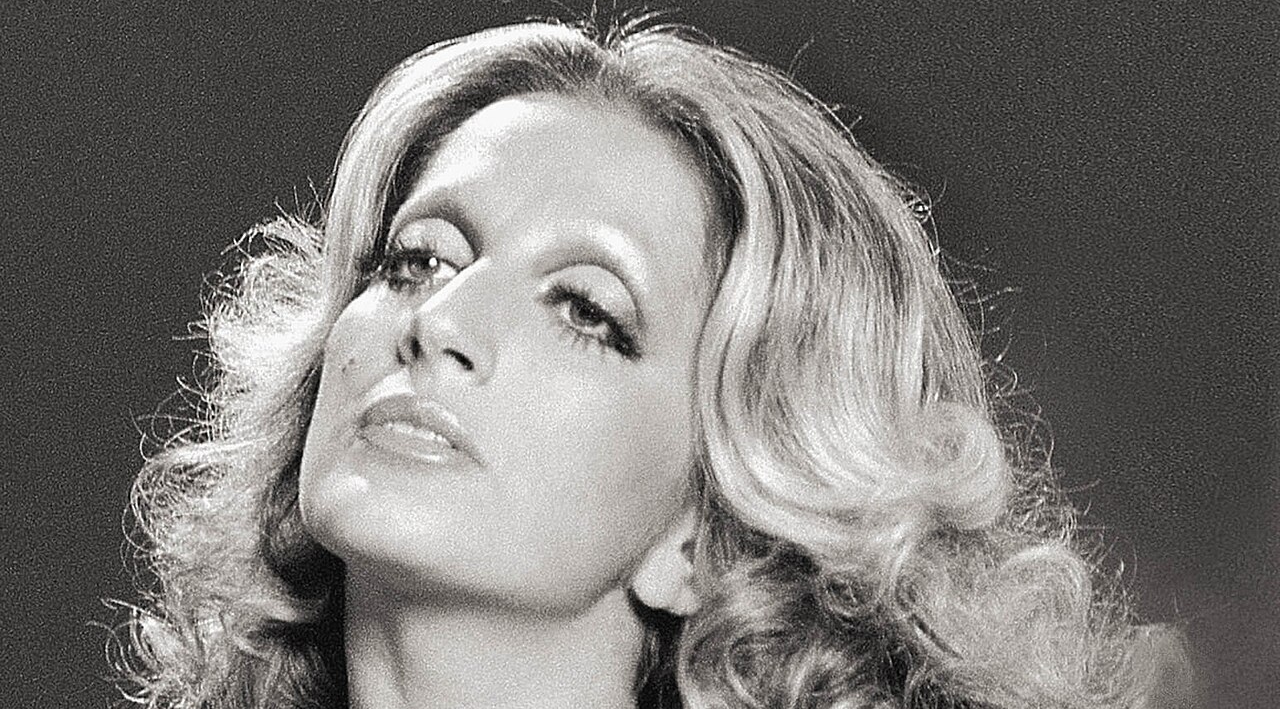
Italy’s greatest female singers are more than successful recording artists. Their voices accompany weddings, summer holidays, family celebrations, heartbreaks and unforgettable moments in Italian life.
Some, such as Mina and Ornella Vanoni, have been admired for more than half a century. Others, including Laura Pausini, Giorgia and Elisa, brought Italian pop to international audiences. A younger generation—represented by Annalisa, Elodie, Madame, Angelina Mango and Anna—is now reshaping the sound of contemporary Italy.
Popularity is difficult to measure across different generations. Record sales, streaming numbers, concerts, awards and cultural influence tell different stories. This guide therefore does not present a rigid ranking. Instead, it introduces the women whose voices have had the greatest impact on Italian popular music.
Mina: Italy’s Most Iconic Female Voice
For many Italians, any discussion of the country’s greatest female singers begins with Mina.
Born Anna Maria Mazzini, Mina became a national phenomenon during the late 1950s and 1960s. Her extraordinary vocal control allowed her to move naturally between pop, jazz, soul, blues and traditional Italian song.
Songs such as Se telefonando, Grande grande grande, Parole parole, Amor mio and Ancora, ancora, ancora remain essential parts of the Italian musical repertoire. Younger listeners continue to discover her recordings through films, television programs, streaming platforms and contemporary remixes.
Mina stopped appearing in public concerts and television shows in the late 1970s, but she never stopped recording. Her absence from public life has strengthened her mystique while her unmistakable voice has kept her present in Italian culture.
Start with: Se telefonando, Grande grande grande and Ancora, ancora, ancora.
Ornella Vanoni: Elegance, Jazz and Bossa Nova
Ornella Vanoni possesses one of the most recognizable voices in Italian music. Intimate, sophisticated and slightly smoky, it is ideally suited to songs about desire, solitude and complicated relationships.
Her career began in the world of theater before expanding into chanson, jazz, pop and Brazilian music. Her interpretations of L’appuntamento, Senza fine and Domani è un altro giorno demonstrate how much emotion she can communicate without relying on vocal excess.
Vanoni’s collaborations with composers and musicians from Italy and Brazil helped introduce Italian audiences to bossa nova and other international influences. Her style remains elegant, conversational and completely individual.
Start with: L’appuntamento, Senza fine and La voglia, la pazzia.
Patty Pravo: Italian Pop’s Great Nonconformist
Patty Pravo emerged from Rome’s Piper Club in the 1960s and quickly became one of the most glamorous and unconventional figures in Italian pop.
Her breakthrough hit, La bambola, transformed her into a star, but she refused to remain confined to the image created by that song. Throughout her career, she experimented with rock, orchestral pop, electronic music and theatrical performance.
Songs such as Pazza idea and Pensiero stupendo made her a symbol of independence and sensuality. Her distinctive low voice, dramatic appearance and willingness to take artistic risks have influenced generations of Italian performers.
Start with: La bambola, Pazza idea and Pensiero stupendo.
Mia Martini: Emotion Without Compromise
Mia Martini is remembered as one of the most emotionally powerful interpreters in Italian music.
Her voice could sound fragile, wounded and explosive within the same song. Performances of Piccolo uomo, Minuetto, Almeno tu nell’universo and Gli uomini non cambiano remain deeply moving decades after their release.
Her career was marked by personal difficulties and periods of exclusion from the music industry, but her reputation continued to grow after her death in 1995. Today she is widely regarded as an artist of exceptional honesty and intensity.
Her sister, Loredana Bertè, followed a very different artistic path while becoming an equally important figure in Italian popular music.
Start with: Almeno tu nell’universo, Minuetto and Gli uomini non cambiano.
Loredana Bertè: Rebellion, Rock and Reinvention
Loredana Bertè brought a rebellious personality and rock attitude to Italian music at a time when female performers were often expected to appear restrained and conventional.
With her raspy voice, provocative image and confrontational lyrics, she challenged expectations surrounding women in the entertainment industry. Sei bellissima, Non sono una signora and Il mare d’inverno became enduring classics.
Bertè has repeatedly reinvented herself while maintaining the defiant personality that made her famous. Her influence can be heard in many contemporary Italian singers who combine vulnerability with independence.
Start with: Sei bellissima, Non sono una signora and Il mare d’inverno.
Gianna Nannini: The Voice of Italian Rock
Few Italian voices are as immediately recognizable as Gianna Nannini’s. Her rough, urgent delivery gave Italian rock a powerful female presence beginning in the late 1970s.
Her international breakthrough came with Bello e impossibile, while songs such as Fotoromanza, I maschi and Meravigliosa creatura became radio staples across Europe.
Nannini combines rock energy with melodic songwriting and emotionally direct lyrics. Her songs work equally well in intimate acoustic arrangements and large stadium concerts, helping her maintain a loyal following across several generations.
Start with: Bello e impossibile, Fotoromanza and Meravigliosa creatura.
Fiorella Mannoia: The Interpreter of Italian Songwriters
Fiorella Mannoia is admired for her warm, expressive voice and exceptional ability to interpret the work of Italy’s leading songwriters.
Her signature songs include Quello che le donne non dicono, written by Enrico Ruggeri and Luigi Schiavone, and her memorable interpretation of Vasco Rossi’s Sally. Her repertoire frequently explores women’s experiences, social justice, dignity and personal transformation.
Mannoia does not need theatrical vocal displays to make a song compelling. Her strength lies in phrasing, storytelling and the impression that she understands every word she sings.
Start with: Quello che le donne non dicono, Sally and Le parole perdute.
Laura Pausini: Italy’s International Pop Ambassador
Laura Pausini became famous after winning the newcomers’ section of the Sanremo Music Festival in 1993 with La solitudine.
That song introduced a direct, emotionally accessible style that connected with audiences well beyond Italy. Pausini recorded extensively in Spanish and developed an enormous following in Spain, Latin America and the United States.
Her international achievements include a Grammy Award and multiple Latin Grammy Awards. Songs such as Strani amori, Incancellabile, Vivimi and Io canto made her one of the most recognizable Italian voices in the world.
Her success demonstrates how Italian melodic pop can cross linguistic and cultural borders without losing its identity.
Start with: La solitudine, Strani amori and Vivimi.
Giorgia: A Vocal Powerhouse
Giorgia is often praised by musicians and vocal coaches for her range, precision and instinctive sense of rhythm.
Her victory at Sanremo with Come saprei established her as one of Italy’s leading singers. Other defining performances include E poi, Gocce di memoria, Di sole e d’azzurro and Quando una stella muore.
Influenced by soul, R&B, jazz and classic Italian melody, Giorgia can deliver both technically demanding songs and restrained emotional ballads. Even as Italian pop has changed around her, she has remained relevant because her artistry rests on far more than fashion or image.
Start with: Come saprei, E poi and Gocce di memoria.
Elisa: From English-Language Pop to Italian Classics
Elisa began her career singing primarily in English, an unusual choice in the Italian market. Her early work revealed influences from alternative rock, electronic music and international singer-songwriters.
In 2001 she won Sanremo with Luce (Tramonti a nord est), confirming that her expressive voice was equally effective in Italian. Songs including Dancing, Gli ostacoli del cuore, A modo tuo and Eppure sentire demonstrate her versatility.
Elisa is also respected as a songwriter, producer and live performer. Her ability to move between intimate acoustic music, electronic pop and arena-sized arrangements makes her one of Italy’s most complete contemporary artists.
Start with: Luce, Dancing and Eppure sentire.
Alessandra Amoroso: A Voice Built for Big Emotions
Alessandra Amoroso rose to prominence through the television talent show Amici di Maria De Filippi. She soon developed a career that extended well beyond her television origins.
Her warm, slightly husky voice is especially effective in emotional pop ballads. Songs such as Immobile, Stupida, Vivere a colori and Comunque andare helped her build a large and loyal audience.
Amoroso’s popularity reflects her approachable personality as much as her music. Fans often identify with her songs about relationships, personal growth and emotional resilience.
Start with: Immobile, Comunque andare and Vivere a colori.
Emma Marrone: Pop-Rock Energy and Determination
Emma Marrone also emerged from Amici, but quickly established her own identity through a forceful voice and energetic stage presence.
She won Sanremo with Non è l’inferno and represented Italy at the Eurovision Song Contest. Her repertoire combines pop melodies with rock-influenced arrangements, especially in songs such as Amami, L’amore non mi basta and Occhi profondi.
Emma’s public image emphasizes determination, openness and resilience. Those qualities have helped her form a strong connection with listeners who see her as direct and authentic.
Start with: Non è l’inferno, Amami and L’amore non mi basta.
Annalisa: From Talent Show Contestant to Leading Pop Star
Annalisa has experienced one of the most impressive transformations in modern Italian pop.
After beginning her national career on Amici, she gradually refined her musical identity, combining melodic songwriting with polished electronic production. Her later releases introduced a more confident visual style and a succession of highly successful singles.
Songs such as Bellissima, Mon amour, Sinceramente and Maschio established her as one of Italy’s most recognizable contemporary pop performers. Her music combines the immediacy of dance-pop with the precision of a technically accomplished singer.
Annalisa’s career also shows how an artist can evolve patiently rather than being defined forever by a television debut.
Start with: Bellissima, Mon amour and Sinceramente.
Elodie: Music, Fashion and Contemporary Italian Style
Elodie has become one of the most visible personalities in Italian entertainment. Her music mixes pop, dance, R&B and urban influences, while her performances place strong emphasis on movement, fashion and visual presentation.
After appearing on Amici, she developed a distinctive identity through songs including Andromeda, Bagno a mezzanotte, Due and Tribale. Collaborations with leading Italian producers and rappers expanded her audience even further.
Elodie represents a generation of performers for whom music, image, fashion and social media form a single creative language. Beneath the glamorous presentation is a versatile voice capable of moving between dance tracks and more intimate material.
Start with: Andromeda, Bagno a mezzanotte and Due.
Madame: A New Language for Italian Songwriting
Madame emerged as one of the most original voices in Italy’s younger generation.
Her music crosses the boundaries between rap, pop and the tradition of the Italian cantautrice. Instead of relying on conventional romantic language, she often writes with an experimental, intimate and sometimes fragmented style.
Voce, presented at Sanremo, introduced her to a much wider audience, while songs such as Il bene nel male further demonstrated her ability to combine modern production with emotionally complex writing.
Madame is important not simply because she is popular, but because she represents the changing vocabulary of Italian popular music.
Start with: Voce, Il bene nel male and Marea.
Angelina Mango: A New Generation with Musical Roots
Angelina Mango grew up in a musical family as the daughter of singer-songwriter Mango and vocalist Laura Valente. However, her success has been built around a personality and sound of her own.
Her music combines contemporary pop with rhythmic elements influenced by Mediterranean traditions. After gaining national attention through Amici, she won the Sanremo Music Festival with La noia and represented Italy at Eurovision.
Her performances are energetic, spontaneous and rhythmically expressive. She has quickly become one of the clearest examples of how younger Italian artists can respect musical tradition while sounding entirely contemporary.
Start with: La noia, Ci pensiamo domani and Che t’o dico a fa’.
Anna: The Rise of Women in Italian Rap
Italian rap was long dominated by male performers, but artists such as Anna have changed that landscape.
Born in La Spezia, Anna reached a young audience with a direct delivery, memorable hooks and an image closely connected to international hip-hop culture. Her success on streaming platforms and the official Italian charts made her one of the country’s most prominent young rappers.
Her rise illustrates an important change in Italian popular music: female artists are no longer limited to melodic pop or traditional ballads. They are increasingly central to rap, trap, electronic music and other genres that dominate younger audiences.
Start with: Bando, 30°C and Désolée.
Earlier Pioneers Who Should Not Be Forgotten
The success of today’s performers rests on foundations created by earlier generations.
Nilla Pizzi became the first winner of the Sanremo Music Festival and helped define the sound of postwar Italian popular song. Milva developed an international career that encompassed pop, theater, political song and the music of composers such as Ennio Morricone and Astor Piazzolla.
Iva Zanicchi combined a powerful voice with popular appeal, while Caterina Caselli became both a successful singer and an influential record executive. Giuni Russo used her exceptional range to create adventurous music that moved between pop, classical technique and electronic experimentation.
Other essential names include Alice, Nada, Antonella Ruggiero, Carmen Consoli, Irene Grandi and Carmen Villani. Each contributed a different color to the evolving sound of Italian music.
How the Role of Female Singers Has Changed
In the early decades of Italian popular music, female singers often performed material chosen and written by male composers, producers and record executives. Even exceptional artists had limited control over how they were presented.
That situation gradually changed. More women began writing their own songs, participating in production and shaping every part of their public identity. Carmen Consoli, Elisa, Madame and many others helped establish the modern Italian singer-songwriter as a creative author rather than simply an interpreter.
The digital era has opened further possibilities. An artist can now reach listeners through streaming, social media and international collaborations without depending entirely on traditional television exposure.
However, established institutions remain important. Sanremo can still transform a singer’s career in a matter of days, while talent shows such as Amici and X Factor Italia continue to introduce performers to national audiences.
A Playlist for Discovering Italian Female Voices
For listeners beginning their journey through Italian music, this selection offers a concise introduction:
- Mina – Se telefonando
- Ornella Vanoni – L’appuntamento
- Patty Pravo – Pensiero stupendo
- Mia Martini – Almeno tu nell’universo
- Loredana Bertè – Non sono una signora
- Gianna Nannini – Bello e impossibile
- Fiorella Mannoia – Quello che le donne non dicono
- Laura Pausini – La solitudine
- Giorgia – Come saprei
- Elisa – Luce (Tramonti a nord est)
- Alessandra Amoroso – Comunque andare
- Emma – Amami
- Annalisa – Sinceramente
- Elodie – Bagno a mezzanotte
- Madame – Voce
- Angelina Mango – La noia
- Anna – 30°C
For a broader overview, explore Italia Mia’s guide to the most famous Italian singers and bands and its selection of the 100 most famous Italian songs.
Books About Italian Music
Readers who would like to explore the subject more deeply can browse books about Italian popular music, including histories of the Sanremo Festival, biographies of major singers and studies of Italy’s postwar music industry.
Those interested in the language can also explore Italian songbooks and lyric collections. Following the printed lyrics while listening is an enjoyable way to improve Italian vocabulary and pronunciation.
The Enduring Power of Italian Women’s Voices
Italian female singers have never represented a single style. Mina’s sophistication, Mia Martini’s vulnerability, Gianna Nannini’s rock energy, Laura Pausini’s international pop and Madame’s experimental writing belong to very different musical worlds.
What connects them is their ability to make a song feel personal. The finest Italian singers do more than perform a melody: they inhabit its words and persuade the listener that the experience belongs to them.
New stars will continue to emerge, and musical fashions will inevitably change. Yet the voices featured here have already become part of Italy’s cultural memory—heard on radios, festival stages, family playlists and summer evenings throughout the country.
External Links
- FIMI – Official Italian Music Charts
- RAI – Sanremo Music Festival
- Eurovision Song Contest – Italy
- Laura Pausini – Grammy Awards and Nominations