

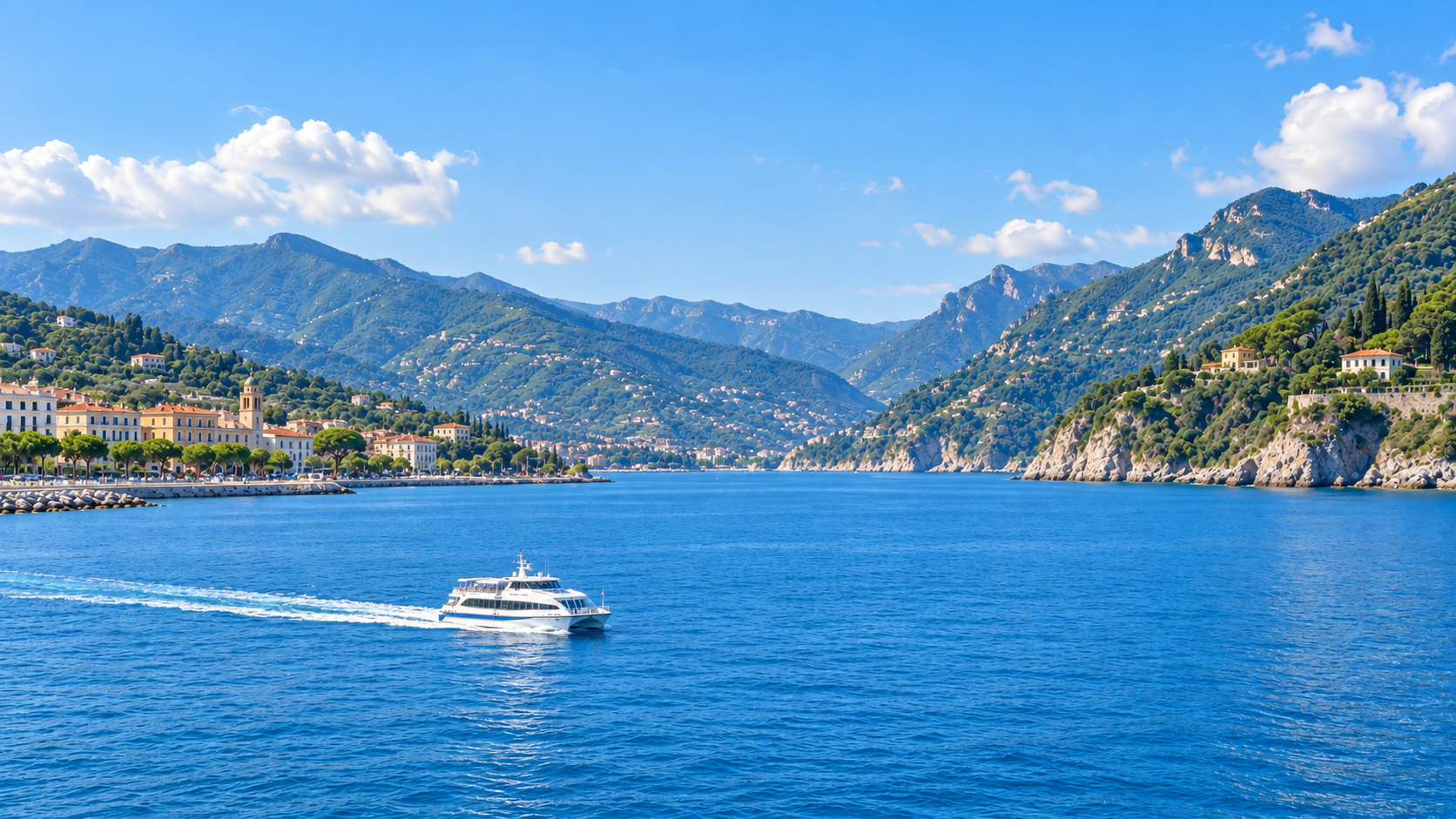
 Salerno has traditionally stood in the shadow of the Amalfi Coast, but that is changing quickly. Interest in the city has grown as travelers discover that it combines a historic center, a long seaside promenade, good restaurants and excellent transportation with significantly more affordable accommodation.
Salerno is not a substitute for the Amalfi Coast. It offers a different experience. The question is whether you prefer to sleep amid the celebrated scenery of Amalfi, Positano or Praiano, or use a less expensive and more practical city as your base.
For many travelers—especially those planning several day trips—Salerno may be the smarter choice.
This article contains affiliate links. If you make a reservation through one of these links, Italia Mia may receive a commission at no additional cost to you.
Salerno or the Amalfi Coast: The Short Answer
Choose Salerno if you want:
• More affordable hotels and apartments
• Direct train connections with Naples, Rome and other Italian cities
• Easy access to ferries during the navigation season
• A lively city with restaurants, shops and local residents
• Convenient day trips to Paestum, Pompeii and Vietri sul Mare
• Fewer stairs and steep pedestrian streets
Choose the Amalfi Coast if you want:
• Dramatic sea views immediately outside your hotel
• A romantic or honeymoon atmosphere
• Beaches, terraces and sunset dinners
• Early mornings and evenings after day-trippers leave
• A slower vacation centered on one coastal town
• A special stay where location matters more than price
Travelers can compare hotels in Salerno on Trip.com before deciding whether the savings justify commuting to the coast.
Why Stay in Salerno?
Salerno is a real southern Italian city rather than a destination that exists primarily for visitors. Its historic center contains medieval streets, small churches, neighborhood restaurants and the impressive Cathedral of San Matteo. Along the waterfront, the Lungomare Trieste provides a broad, level promenade lined with trees and views across the Gulf of Salerno.
The city is also considerably easier to navigate than most Amalfi Coast villages. Salerno’s train station, principal shopping street, waterfront and Concordia ferry pier are all within walking distance of one another.
This makes Salerno especially attractive for older travelers, families with luggage and anyone who would rather avoid hundreds of steps between a hotel, beach and bus stop.
The main disadvantage is that Salerno does not provide the same immediate coastal fantasy as Positano or Amalfi. You must travel each day to reach the most famous towns, and evening ferry departures may finish earlier than you would like.
The Best Areas to Stay in Salerno
The area between Salerno train station, Corso Vittorio Emanuele and Piazza della Concordia is the most convenient for travelers making frequent day trips. You can walk from your accommodation to trains, buses and seasonal ferries.
The historic center is more atmospheric. It is a good choice for restaurants, evening walks and access to the cathedral and Giardino della Minerva. However, check the exact distance from the railway station and ferry terminals before booking.
Accommodation near the western end of the city may be useful for reaching the Manfredi ferry terminal, but it is less convenient for travelers relying primarily on trains.
Compare Salerno hotels and current room rates on Trip.com.
Why Stay on the Amalfi Coast?
Staying on the coast allows you to experience its towns before the day-trip crowds arrive and after they depart. Mornings can be spent watching boats cross the water, while evenings offer dinners on terraces without worrying about catching the last ferry back to Salerno.
The coast is the better choice for a honeymoon, anniversary or short romantic vacation. It can also be worthwhile for travelers who want to spend most of their time swimming, relaxing and exploring only one or two nearby towns.
The disadvantages are higher room rates, steep streets, stairs and more complicated transportation. Some hotels that appear close to the center on a map may involve a demanding uphill walk.
Where to Stay on the Amalfi Coast
Amalfi
Amalfi is the most practical coastal base. It has ferry and bus connections, restaurants, shops and one of the coast’s principal transportation hubs. It is easier to use for day trips than a smaller or more isolated village.
The town can become crowded during the day, but staying overnight lets you enjoy it during its quieter hours.
Compare hotels in Amalfi on Trip.com.
Positano
Positano provides the scenery many visitors imagine when they think of the Amalfi Coast. Its pastel-colored buildings descend toward the sea, and its hotels include some of Italy’s most celebrated luxury properties.
It is also generally the most expensive choice. The town is exceptionally steep, and reaching a hotel can involve numerous stairs. Visitors with limited mobility should verify the hotel’s location, road access and availability of elevators before booking.
Compare hotels in Positano on Trip.com.
Praiano
Praiano is quieter than Positano and can offer better value while retaining wonderful sea views. It suits travelers who want a peaceful coastal stay and do not need extensive nightlife or shopping.
Its accommodations remain spread across a steep landscape, and transportation is less convenient than in Amalfi. Check how far the property is from the nearest bus stop or ferry connection.
Compare hotels in Praiano on Trip.com.
Maiori and Minori
Maiori and Minori are good alternatives for families and travelers seeking somewhat lower coastal prices. Maiori has one of the area’s longest beaches and a relatively level waterfront. Minori is smaller and known for its relaxed atmosphere and culinary traditions.
Both towns are connected to Salerno and Amalfi by buses and seasonal ferries.
How Much Does It Cost to Stay?
Prices fluctuate greatly according to the month, day of the week, room type and cancellation conditions. The following should be treated as planning ranges rather than guaranteed rates.
In Salerno, a simple double room or B&B may cost approximately €70–€130 per night outside the busiest periods. Centrally located hotels and better rooms may range from about €110 to €220 during warmer months and major events.
In Amalfi, Praiano, Maiori and Minori, travelers should often expect approximately €140–€300 for a midrange room during the main travel season. Properties with panoramic views, pools or private beach access can cost considerably more.
Positano is normally the most expensive. Summer rates frequently begin above €250, while prestigious hotels and sea-view rooms may cost €600, €1,000 or more per night.
May, June, September and early October usually provide a better compromise between weather, ferry service and accommodation prices than July and August. November through March can be less expensive, but some hotels, restaurants and ferry routes close or operate reduced schedules.
Always compare the final price, including taxes, breakfast, cancellation conditions and transportation to the property. Tourist taxes are generally charged separately and vary by municipality and accommodation category.
Transportation from Salerno to the Amalfi Coast
By Ferry
For most visitors, the ferry is the most pleasant way to travel between Salerno and the Amalfi Coast. Boats leave from Salerno’s Concordia or Manfredi terminals and connect the city with destinations such as Vietri sul Mare, Cetara, Maiori, Minori, Amalfi and Positano.
A typical trip from Salerno to Amalfi takes approximately 35 to 45 minutes. Positano takes longer, depending on the route and intermediate stops.
Ferries offer beautiful views and avoid the coast road’s traffic. However, services are more frequent during spring, summer and early autumn. Departures can be delayed or canceled because of rough seas, and schedules should always be checked shortly before travel.
By Bus
SITA Sud buses operate between Salerno and towns along the coast. They are inexpensive and run when ferry service is limited, but journeys can be slow during periods of heavy traffic.
Summer buses may be crowded, and a ticket does not necessarily guarantee a seat. Purchase the correct ticket before boarding and validate it when required.
The bus is useful for reaching inland destinations or continuing to towns without convenient ferry service, but it may not be the most comfortable option when traveling with large luggage.
By Car
A rental car provides flexibility but creates other problems. The coastal road is narrow and winding, traffic can be intense, and parking is scarce and expensive. Some accommodations do not have parking or are accessible only through pedestrian lanes and stairs.
A car is rarely necessary if you are staying in central Salerno and plan to visit the principal coastal towns by ferry.
For more information about Italian trains, tickets and validation, read Italy by Train: A First-Time Visitor’s Guide.
Getting to Salerno
Salerno is served by regional, Intercity and high-speed trains. Direct or connecting services make it accessible from Naples, Rome and other major cities.
Fast trains can travel from Naples to Salerno in approximately 35 minutes, while regional services may take longer. Rome to Salerno can take around two hours on a direct high-speed service, depending on the departure selected.
Travelers arriving at Naples International Airport can take transportation to Napoli Centrale and continue to Salerno by train. Depending on current schedules, direct airport buses to Salerno may also be available.
Salerno Costa d’Amalfi Airport has expanded the region’s flight options, but routes are seasonal and may change. Check both Naples and Salerno airports when comparing an itinerary.
Is Commuting from Salerno Every Day Practical?
Yes, provided you understand the limitations.
Salerno works very well for a three- or four-night trip that includes Amalfi, Positano, Vietri sul Mare or Paestum. It is less convenient if you want to remain on the coast late into the evening or return frequently to your room during the day.
A practical itinerary might include:
• One ferry day covering Amalfi and Positano
• One train trip to Paestum
• One visit to Vietri sul Mare, Cetara, Maiori or Minori
• One day exploring Salerno itself
Avoid scheduling a tightly timed connection immediately after the last ferry of the day. Weather, crowds and seasonal timetable changes can interfere with even a carefully prepared plan.
Can You Split the Stay?
A split stay is often the best solution. Spend two or three nights in Salerno for Paestum, Pompeii and city sightseeing, followed by two or three nights in Amalfi, Praiano or Positano.
This arrangement reduces the number of costly nights on the coast while still providing the pleasure of waking up beside the sea. The disadvantage is the need to change hotels and transport luggage.
Final Recommendation
Salerno offers the best overall value for travelers who prioritize affordability, transportation and day trips. It provides a genuine Italian city experience and makes an excellent base for exploring both the Amalfi Coast and the archaeological sites south of Naples.
Amalfi is the best coastal base for travelers who want scenery without giving up too much transportation convenience. Positano is best for romance and iconic views, while Praiano, Maiori and Minori suit visitors looking for a quieter experience.
If your budget allows, splitting the trip between Salerno and one coastal town provides the most complete experience.
Before booking, compare Salerno and Amalfi Coast accommodation on Trip.com, paying particular attention to transportation access, stairs, cancellation conditions and the total price after taxes.
External Sources
Travelmar ferry routes and current schedules
Trenitalia train schedules and tickets
SITA Sud Campania bus schedules
Official Amalfi tourism information
Skyscanner travel-trend report covered by The Sun