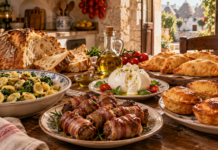
 Milan rewards visitors who give it time beyond the cathedral square. The Duomo and Leonardo da Vinci’s Last Supper deserve their reputations, but the city also offers neighborhood restaurants, major art collections, historic canals, independent shops and some of Italy’s most interesting modern architecture.
This Milan travel guide brings those experiences together, with practical advice on where to stay, how to get around and what to book before arriving. Two full days provide a good introduction. Three days allow a more comfortable balance of museums, neighborhood walks and evenings out.
As the capital of Lombardy, Milan also makes a useful starting point for exploring northern Italy. However, avoid treating it only as the airport stop before the lakes. There is enough here to build a rewarding trip around the city itself.
How Many Days Do You Need in Milan?
Allow two full days for a first visit, especially if you want to see the Duomo, explore Brera and spend an evening around the Navigli. Add a third day for another museum, contemporary architecture or a slower look at the neighborhoods.
One day is enough for a central walking route and one major attraction. It becomes less satisfying when you try to fit in the cathedral terraces, the Last Supper, several museums and shopping.
For a short visit, choose the attraction that matters most and build the day around its reservation. This is particularly important for the Last Supper, where your available entry time may determine the rest of your itinerary.
If Milan is one stop on a longer journey, our guide to Italy for first-time visitors will help you balance cities, travel days and time to relax.
Start with the Duomo and Its Rooftop Terraces
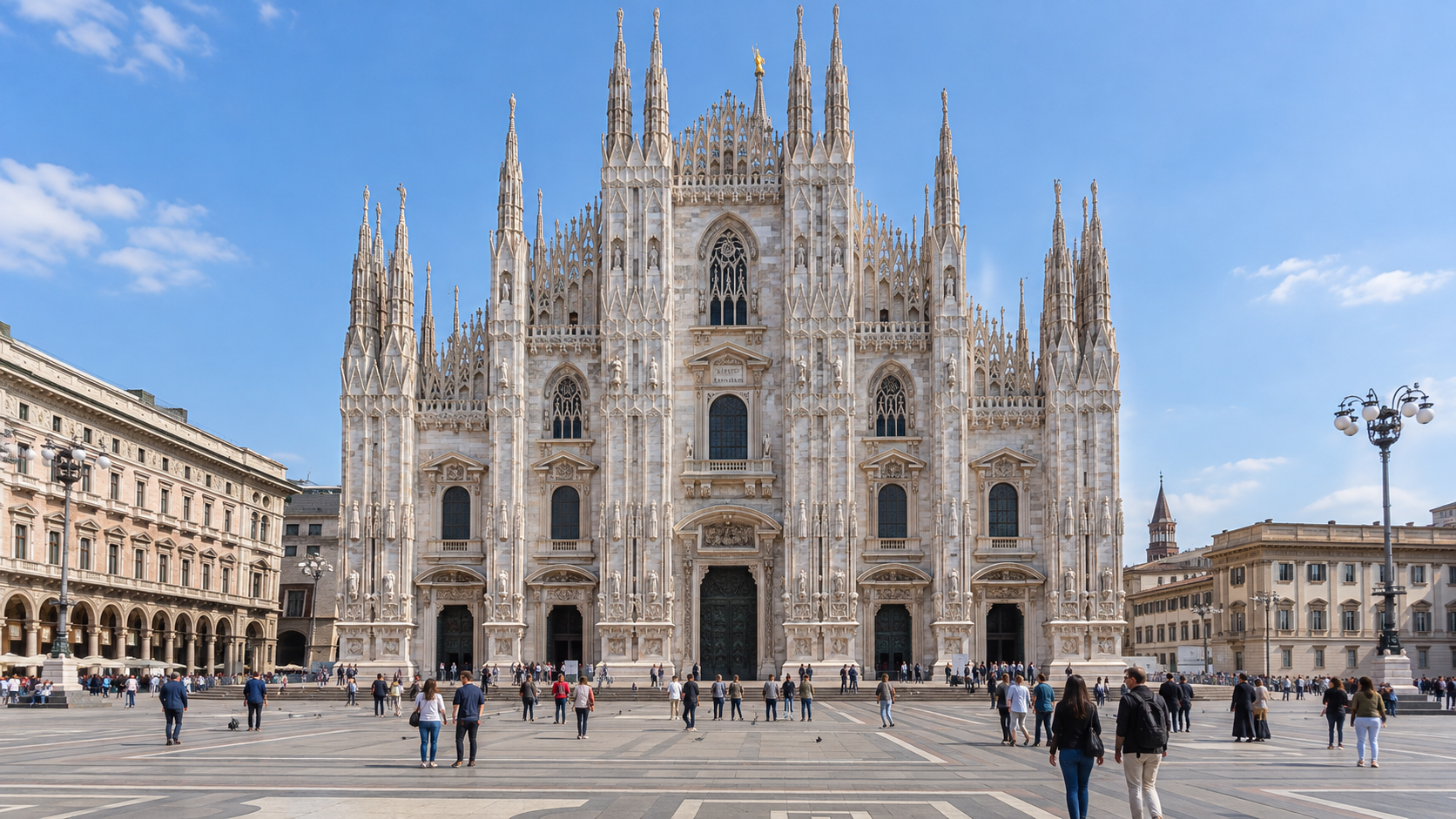
The Duomo is the natural place to begin. Its marble façade dominates the square, while the interior reveals the scale of a cathedral built and modified over centuries.
Allow time to look up at the stained glass and the enormous columns. Then, if it suits your budget and mobility, visit the rooftop terraces. Walking among the spires gives you a much closer view of the building’s sculptural details than you can get from the piazza.
Check exactly what your ticket includes. Cathedral admission, terrace access and combined tickets are different products. Terrace tickets also distinguish between stairs and lift access.
The lift does not make every part of the rooftop route step-free. Visitors with limited mobility should consult the cathedral’s current accessibility information before choosing a ticket.
Reserve through the official Duomo website, and leave enough time for security checks. Dress appropriately for a place of worship and travel with a small bag when possible.
Walk Through the Galleria to La Scala
Beside the cathedral, the Galleria Vittorio Emanuele II connects Piazza del Duomo with Piazza della Scala. Its glass roof, mosaic floors and grand proportions make it worth visiting even if shopping is not part of your plans.
Walk through slowly, then continue to the square outside Teatro alla Scala. The theatre’s restrained exterior gives little indication of its celebrated auditorium.
If opera or ballet interests you, check the performance calendar before your trip. A museum visit and a performance are separate experiences, and access to views of the auditorium may depend on rehearsals and theatre activity.
This central route works well on arrival day. You can see the Duomo square, Galleria and La Scala area without committing to several timed admissions.
For a quieter pause afterward, move into the smaller streets toward Brera instead of choosing the first terrace facing the main tourist route.
Book Leonardo’s Last Supper Before Arriving
Leonardo da Vinci’s Last Supper occupies the refectory of the former Dominican convent beside Santa Maria delle Grazie. It is one of Milan’s most sought-after visits and the attraction that most clearly benefits from advance planning.
Reservations are compulsory, and visits inside the refectory last 15 minutes for conservation reasons. Check the official Cenacolo Vinciano website for ticket releases, entry requirements and arrival instructions.
The church and the Last Supper museum are separate visits. Entering Santa Maria delle Grazie does not give you access to the painting.
If you consider a guided package, read the inclusions carefully. Confirm that admission to the Last Supper is explicitly included, along with the language, meeting point and cancellation conditions.
Our guide to booking museums and attractions in Italy explains how to compare admission tickets, guided tours and combined experiences.
Explore Brera and Its Art Gallery
Brera combines one of Milan’s major museums with streets that invite an unhurried walk. Visit the Pinacoteca di Brera, then spend time around Via Brera, Via Fiori Chiari and the surrounding lanes.
The gallery is a strong choice for visitors who want a substantial art experience. Its collection includes works by Raphael, Mantegna, Caravaggio and other major Italian painters. Reserve a timed visit through the official Pinacoteca di Brera website. The museum currently requires reservations.
Outside the museum, Brera offers shops, restaurants and attractive streetscapes. It is popular and can be expensive, so compare menus before settling down for lunch.
Brera also works well in the evening. You do not need a second museum visit to enjoy returning after the galleries close and the restaurants fill.
For a more personal account of the city’s evening atmosphere, read The Milan I Found After the Shops Closed.
Visit Castello Sforzesco and Parco Sempione
Castello Sforzesco introduces another side of Milan’s history: a city of powerful rulers, fortified residences and ambitious artistic commissions.
You can visit the castle courtyards without buying a museum ticket. The collections inside require separate planning, so decide whether you want a brief architectural stop or a longer museum visit. Check the castle’s official website for current access information.
Continue through Parco Sempione toward the Arco della Pace. This is a useful break between indoor attractions, with room to sit down and change the pace of the day.
Design enthusiasts can also consider Triennale Milano beside the park. Its exhibitions provide a useful connection between Milan’s cultural history and its continuing role in design. Check the program before deciding how much time to allow.
Discover Milan Beyond the Historic Center
Milan becomes more varied when you move beyond the Duomo and its surrounding shopping streets.
Porta Nuova and Isola are good choices for contemporary architecture and an evening meal. Walk around Piazza Gae Aulenti and view the planted residential towers of Bosco Verticale from public spaces. The towers are homes, so treat them as part of a neighborhood rather than a visitor attraction you can enter.
Porta Venezia offers another change of atmosphere, with shops, restaurants and access to the Giardini Indro Montanelli. It can also be a useful accommodation base for travelers who want a lively neighborhood with public transport.
Sant’Ambrogio and the area around San Lorenzo add churches, older streets and traces of the city’s earlier history. They fit naturally into a route toward the Navigli.
Choose one or two areas rather than crossing the city repeatedly. Milan’s neighborhoods are more rewarding when you leave time to stop for coffee, look into a shop or follow a street that was not on your original route.
Spend an Evening Around the Navigli
The Navigli district is one of Milan’s best-known evening destinations. Begin around the Darsena, then walk along the Naviglio Grande and explore the surrounding streets.
The canals are attractive, but the busiest stretches can become crowded and noisy. If you want a quiet conversation over dinner, look beyond the first row of waterfront tables.
Aperitivo is a natural way to begin the evening. However, do not assume every drink comes with enough food to replace dinner. Some bars serve a few snacks; others offer more substantial plates or a separately priced formula.
Check what is included before ordering. You can read more about the custom in our Italian aperitivo guide.
Visit the Navigli in daylight as well if you prefer walking and browsing to nightlife. The same streets can feel quite different before the evening crowds arrive.
What to Eat in Milan
Milan’s restaurant scene extends far beyond traditional Lombard cooking, but several local dishes deserve attention.
Look for risotto alla milanese, flavored with saffron; ossobuco, a slow-cooked veal shank often served with risotto; and cotoletta alla milanese, the city’s celebrated breaded veal cutlet.
In colder weather, cassoeula, made with pork and cabbage, offers a more rustic expression of the regional kitchen. Panettone has its roots in Milan and remains closely associated with Christmas, although some specialist bakers sell versions beyond the festive season.
You do not need to eat an elaborate meal twice a day. Bakeries, casual lunch counters and neighborhood cafés can balance a more substantial dinner.
Read the menu before sitting down, including any stated cover charge. Around major attractions, compare a few places rather than assuming the most visible restaurant offers the best value.
Vegetarian visitors should ask about stock and other ingredients in apparently meat-free dishes. Risotto, for example, may be prepared with meat broth.
Where to Stay in Milan
The best area depends on how you plan to use your time.
| Area | Best suited to | Main consideration |
|---|---|---|
| Duomo and historic center | Short first visits and sightseeing on foot | Central convenience often carries a premium |
| Brera | Art, restaurants and evening walks | Compare prices and check nighttime noise |
| Porta Venezia | Dining, shopping and neighborhood life | Choose a property near a useful transport stop |
| Milano Centrale | Early trains and frequent rail travel | Check the exact street and recent reviews |
| Navigli and Porta Genova | Nightlife and canal-side evenings | Ask about soundproofing and room position |
| Isola and Porta Nuova | Modern Milan, architecture and restaurants | Allow transport time for some historic sights |
Look at the hotel’s position on a map before booking. “Milan” listings may include properties well outside the area you expect to explore.
For a city break, proximity to a useful metro station can matter more than a slightly lower nightly rate. Also compare breakfast, cancellation terms, room size and any city tax payable separately.
Browse Milan hotels on Expedia and Milan hotels on Trip.com to compare neighborhoods and availability.
Our Expedia Italy hotel guide explains what to check before choosing a property.
Getting to Milan from the Airports
Check your airport code before booking transfers. Milan’s airports involve different journeys.
Linate Airport (LIN) connects to the city by metro line M4. This makes public transport a practical option for many central stays, although you may need to change lines or walk from the station.
Malpensa Airport (MXP) has Malpensa Express rail services connecting the airport with Milano Centrale and Milano Cadorna. Choose the route that best suits your accommodation, and check the terminal and departure station carefully.
Milan Bergamo Airport (BGY) has coach connections to Milano Centrale. Another option involves the local bus to Bergamo railway station and an onward train. Allow for road traffic when planning a flight connection.
Airport travel costs should be budgeted separately from ordinary city sightseeing.
Getting Around Milan
Walking and public transport are usually the most practical combination for a first visit. The metro covers longer distances, while trams and buses help connect neighborhoods.
At the time of checking, ATM lists the following fares for the Mi1–Mi3 area:
| Ticket | Price | Validity |
|---|---|---|
| Standard ticket | €2.20 | 90 minutes from first validation |
| Single-day ticket | €7.60 | 24 hours from first validation |
| Three-day ticket | €15.50 | Three consecutive service days |
The three-day ticket is not a rolling 72-hour pass. Check the service-day rules when deciding whether it suits your arrival time.
Contactless payment is available on ATM services. Follow the operator’s tapping instructions and use the same card or device consistently throughout your journeys. Consult the ATM website for current fares and service notices.
You are unlikely to need a rental car for the city itself. If your wider trip requires one, consider collecting it when you leave Milan.
A Practical Two-Day Milan Itinerary
Day one: the cathedral, central Milan and Brera
Start with a booked Duomo visit and the terraces if you choose to include them. Walk through the Galleria to Piazza della Scala, then stop for lunch.
Spend the afternoon in Brera. Choose between a proper gallery visit and a more relaxed neighborhood walk rather than trying to rush both.
Continue toward Castello Sforzesco and Parco Sempione if you still have energy. Otherwise, save them for the next day and enjoy dinner near your accommodation.
Day two: Leonardo, older neighborhoods and the canals
Build the morning around your Last Supper reservation. If tickets are unavailable, substitute a castle museum visit or another gallery that interests you.
Continue toward Sant’Ambrogio, then make your way through the streets around San Lorenzo. Leave time for lunch and breaks.
Finish around the Darsena and Navigli, with an early evening walk followed by aperitivo or dinner.
With a third day, explore Porta Nuova and Isola, visit a design museum or devote more time to shopping. Keep a day trip for a longer stay unless the lakes or another city are your main reason for coming.
Shopping and the Best Time to Visit
The Quadrilatero della Moda is Milan’s famous luxury shopping district, centered on streets such as Via Montenapoleone and Via della Spiga. You can enjoy its window displays without planning a major purchase.
For a broader shopping day, combine it with Brera, Corso Buenos Aires or independent shops elsewhere in the city. Our Shopping in Milano guide explores the main areas in more detail.
Spring and autumn are appealing for walking, although rain is possible and temperatures vary. Summer can be hot and humid; winter suits visitors who are happy to spend more time in museums, cafés and restaurants.
Check major event dates before reserving accommodation. Fashion weeks, design events and trade fairs can affect hotel availability and prices. Our Milan Fashion Week guide explains that side of the city.
Book Your Milan Stay and Experiences
Some links below are affiliate links. Italia Mia may earn a commission if you book through them, at no additional cost to you.
Compare accommodation through Expedia and Trip.com. Enter your actual dates and compare the full price, cancellation conditions and location before booking.
For destination-specific browsing, use the Expedia Milan hotel listings or Trip.com Milan hotel listings.
Explore tickets and guided visits through Weekend in Italy, and browse its Milan tours and museum tickets. Availability depends on your dates and the individual experience. For Last Supper packages, confirm that the painting’s admission is included before paying.
Book your hardest-to-secure attraction first, then arrange the surrounding day. Leaving room between reservations makes Milan much easier to enjoy.
External Sources
- YesMilano — official city tourism information
- Duomo di Milano — official visits and tickets
- Cenacolo Vinciano — official Last Supper reservations
- Pinacoteca di Brera — visits and booking
- Castello Sforzesco — official visitor information
- ATM — Milan public transport tickets
- Malpensa Express — airport rail connections
- Milan Bergamo Airport — bus connections