 Autumn in Puglia: When the Region Finds Its Natural Rhythm
I have always believed that some of the best journeys through Italy happen after the summer crowds have gone home. Puglia is a perfect example.
September, October and even November reveal a different side of this extraordinary region. The sea remains beautiful, the countryside returns to its agricultural rhythms, and the whitewashed towns become places where you can wander without constantly navigating crowds of visitors.
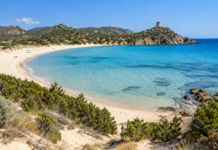
Summer in Puglia is understandably popular. The beaches are spectacular, the evenings are lively, and the warm Mediterranean climate attracts travelers from around the world.
But I would argue that autumn offers something equally valuable: the opportunity to experience Puglia as a living region rather than simply a summer holiday destination.
For visitors interested in food, history, architecture, countryside walks and authentic local experiences, autumn may actually be the better season.
And spring, as I will explain later, offers its own remarkable advantages.
If you are unfamiliar with the region, begin with our complete guide to Puglia. Here, I want to focus specifically on the places and experiences that make spring and autumn so rewarding.
September in Puglia: The Summer That Refuses to End
September is perhaps the easiest month to recommend to travelers who want a little of everything.
The sea has been warming throughout the summer, and swimming conditions can remain excellent. Beaches are generally less crowded once the main Italian holiday period ends, although weekends and popular destinations can still be busy.
I particularly like the idea of spending September along the Adriatic coast, visiting Monopoli and Polignano a Mare.
Polignano is famous for its dramatic limestone cliffs, white buildings and terraces overlooking the sea. Its historic center becomes much more enjoyable when the streets are less congested.
Monopoli offers something different. It has a working harbor, fishing boats, historic churches and a beautiful old town that feels genuinely connected to everyday life.
I would spend a morning exploring Polignano and then continue to Monopoli for a leisurely lunch near the harbor.
September is also an excellent time to visit the Salento peninsula. Towns such as Otranto and Gallipoli remain attractive well beyond the peak holiday season.
However, I would check local beach services before making plans. Some privately operated beach establishments begin reducing their activities as the season progresses.
The public coastline, of course, remains accessible where permitted.
For more ideas, see our guide to the best beaches in Puglia.
October in Puglia: My Favorite Month for Villages and Food
October changes the experience considerably.
The days become shorter, evenings are cooler, and the countryside takes on softer colors. The heat that can make sightseeing exhausting in August generally gives way to more comfortable walking conditions.
For me, October is particularly appealing in the Valle d’Itria.
This is the region of trulli, dry-stone walls, vineyards, olive groves and elegant white towns.
It is also where some of Puglia’s most distinctive rural traditions remain visible.
Alberobello Without the Summer Crowds
Alberobello is one of Italy’s most recognizable destinations.
Its extraordinary collection of trulli—traditional limestone buildings with conical roofs—has been recognized as a UNESCO World Heritage Site since 1996.
The town is beautiful, but it can become extremely crowded during summer.
In October, particularly on weekdays and early in the morning, it is often easier to appreciate the architecture and explore the historic neighborhoods at a comfortable pace.
I would begin in Rione Monti, then continue toward the more residential Aia Piccola district.
The contrast between the two areas helps visitors understand that Alberobello is more than a collection of picturesque buildings.
The trulli are an expression of the region’s rural history, agricultural economy and traditional construction techniques.
Locorotondo: One of Puglia’s Most Charming Towns
A short journey from Alberobello brings you to Locorotondo.
Its compact historic center is built around narrow streets, pale stone houses, flower-filled balconies and small churches.
I find it one of those Italian towns that rewards visitors who arrive without an elaborate schedule.
Walk through the old center, stop for coffee, admire the countryside from the viewpoints and enjoy the atmosphere.
Locorotondo is especially pleasant in autumn because its quiet streets and surrounding landscape invite slow exploration.
The town is also associated with local white wines, making it a good place to discover Puglia’s wine traditions.
Cisternino: A Village for Food Lovers
Cisternino is another favorite in the Valle d’Itria.
Its historic center is attractive in every season, but cooler evenings make it particularly enjoyable to settle into a traditional restaurant.
The town is known for its fornelli pronti, butcher shops where customers can select meat that is then cooked, often over charcoal.
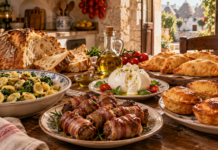
One regional specialty worth trying is bombette, small rolls of meat, typically pork, wrapped around a filling and grilled.
October is an ideal month to combine countryside exploration with this kind of substantial local meal.
I would spend the afternoon walking through Cisternino, then remain for dinner rather than rushing to another destination.
Ostuni: The White City in Autumn Light
Ostuni is another place that looks particularly beautiful outside midsummer.
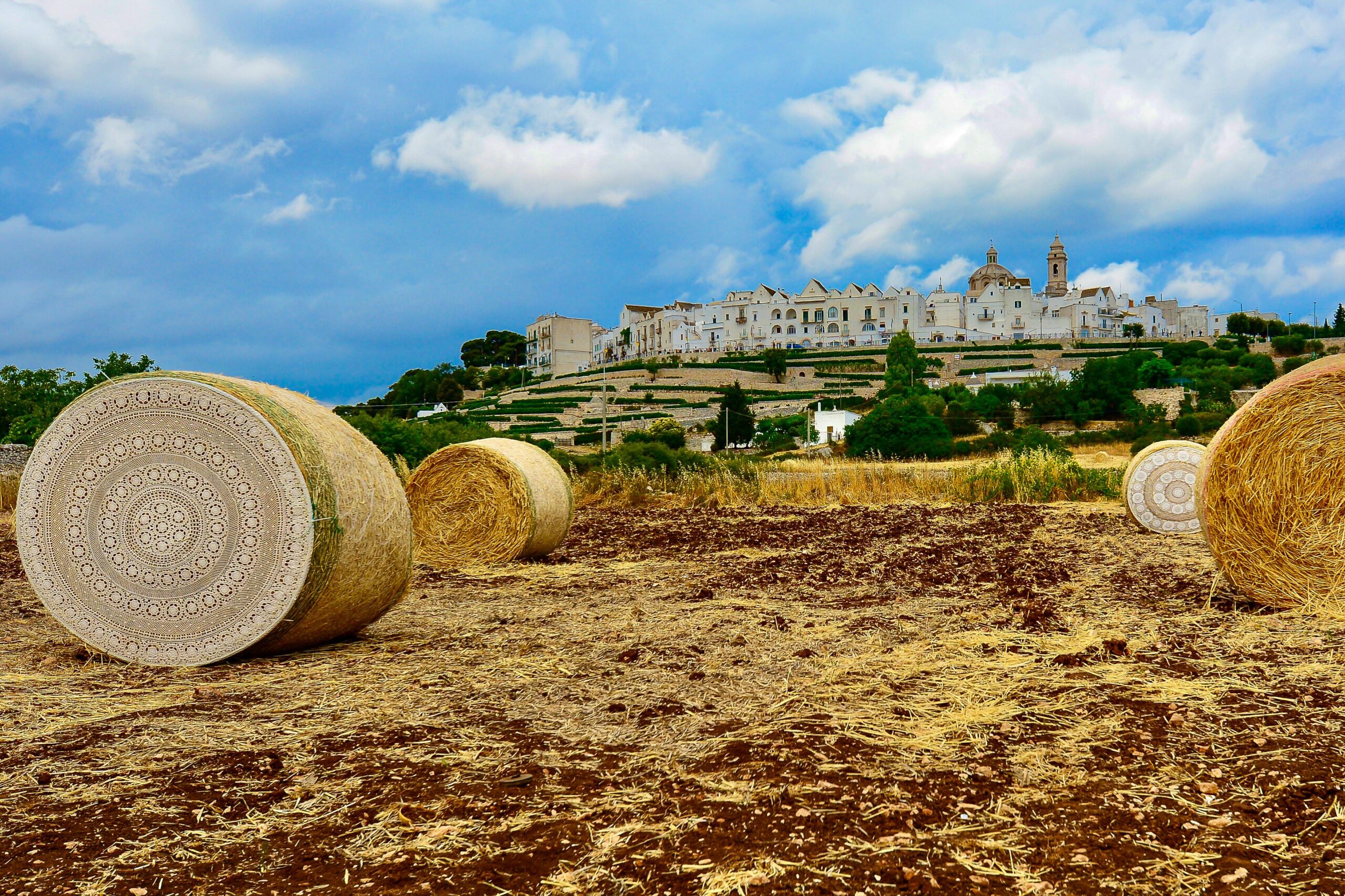
The town rises above an agricultural landscape of olive trees and fields, its whitewashed buildings visible from a considerable distance.
Walking through Ostuni involves narrow passages, stairways, small squares and unexpected viewpoints.
In autumn, the softer sunlight can make the pale buildings and surrounding countryside especially attractive.
I would allow at least half a day and ideally stay overnight.
Evenings in Ostuni offer an opportunity to enjoy the historic center after many day visitors have departed.
For a broader selection of destinations, consult our 20 best places to visit in Puglia.
November in Puglia: Olive Harvests and Rural Traditions
November is not the month I would choose for a conventional beach holiday.
However, it can be fascinating for travelers interested in food, agriculture and traditional Italian life.
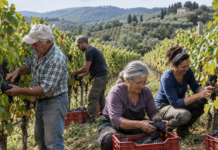
Puglia is one of Italy’s principal olive-growing regions. Across much of the countryside, the autumn olive harvest is an important seasonal activity.
Harvest timing varies according to the location, cultivar, weather and intended oil characteristics, but October and November are particularly relevant months.
Visiting an olive oil producer can be one of the most rewarding experiences of an autumn trip.
You may learn how olives are collected, transported and milled, and how the resulting extra virgin olive oil is evaluated.
Freshly produced oil, often called olio nuovo, can have an intense fragrance and a distinctive peppery finish.
I would look for a producer offering a genuine mill visit and guided tasting rather than simply purchasing a bottle from a souvenir shop.
A countryside masseria can make an excellent base for this experience.
These traditional agricultural estates range from working farms to carefully restored rural accommodations.
Some offer cooking classes, olive oil tastings, farm visits or dinners featuring local ingredients. Experiences and opening dates should always be confirmed in advance.
November also brings a quieter atmosphere to smaller towns.
That can be wonderful if you enjoy peaceful travel, but it comes with an important limitation: some seasonal hotels, restaurants and tourism services will already have closed.
For a late-autumn trip, I would favor established towns and accommodations operating throughout the year.
Spring in Puglia: Flowers, Green Countryside and New Beginnings
If autumn is the season of harvests and mature landscapes, spring is the season of renewal.
March, April and May reveal a Puglia that summer travelers rarely see.
The countryside becomes greener, wildflowers appear along rural roads, and temperatures gradually become more comfortable for cycling, walking and sightseeing.
The most important difference is that spring is not necessarily beach season.
Even when the sun is shining, the sea can remain cool, particularly in March and April.
I would therefore plan a spring journey around historic towns, countryside activities, local food and nature rather than assuming that every day will involve swimming.
March: Quiet Towns and Cultural Discovery
March is best suited to travelers who appreciate peaceful surroundings and do not mind unpredictable weather.
Rain, wind and cooler evenings are possible.
I would concentrate on places with interesting cultural attractions, churches, museums and good restaurants.
Bari and Lecce are particularly suitable because they remain active cities throughout the year.
They do not depend exclusively on the tourist season.
March can also be a good time to discover lesser-known towns, although outdoor activities should remain flexible.
April: The Countryside Comes Alive
April is one of the most attractive months for exploring inland Puglia.
Fields become greener, wildflowers add color to the landscape, and the countryside around the Valle d’Itria can be especially appealing.
This is an excellent period for photography, short hikes and leisurely drives between small villages.
However, Easter can bring an increase in domestic visitors, religious celebrations and accommodation demand.
I would check the dates carefully, particularly when planning visits to popular towns or attending local Holy Week processions.
May: Perhaps the Best Spring Month
For someone visiting Puglia for the first time, May would be my preferred spring month.
Days are generally longer and warmer than in early spring, and the conditions are often excellent for sightseeing.
Restaurants and tourism services are increasingly active as the summer season approaches.
May is particularly well suited to travelers who want to combine the countryside with coastal towns.
You may find opportunities for swimming during warm spells, although sea temperatures will not always satisfy those accustomed to warmer Mediterranean water.
For walking, driving and exploring villages, however, May is difficult to beat.
The Best Places to Explore in Spring
Valle d’Itria: Cycling Between Trulli and Olive Groves
The Valle d’Itria deserves attention in both seasons, but its spring landscape is especially appealing.
The area around Alberobello, Locorotondo, Martina Franca and Cisternino offers a network of country roads passing olive groves, vineyards, stone walls and traditional rural buildings.
Spring is an excellent time to explore by bicycle, provided you choose routes appropriate to your fitness and cycling experience.
I would select quieter secondary roads and avoid heavily trafficked routes.
Electric bicycles can make longer countryside excursions more accessible, particularly on hilly sections.
A guided cycling experience may also help visitors discover small villages and rural landscapes they would otherwise overlook.
For a more relaxed alternative, a short countryside walk followed by lunch in a masseria can be equally satisfying.
Lecce: Baroque Architecture Without the Summer Heat
Lecce is one of the finest cultural destinations in southern Italy.
Its churches, palaces and monumental squares demonstrate the extraordinary richness of Salento’s Baroque architecture.
The Basilica di Santa Croce is particularly remarkable, with its elaborate stone façade.
Piazza del Duomo is another essential stop.
In spring, I would spend at least two full days in Lecce.
Rather than rushing between monuments, I would leave time to explore the small streets, visit artisan workshops and enjoy the city’s café culture.
Lecce is also a good destination for travelers without a car.
It has rail connections with major Puglian cities and provides a convenient base for exploring southern parts of the region, although some coastal excursions require additional transport.
Before leaving, I would certainly stop for a pasticciotto, the local pastry traditionally filled with custard.
Otranto: History and Sea Views
Otranto is one of my preferred recommendations for spring in Salento.
Its historic center overlooks the Adriatic, and its cathedral contains an extraordinary medieval floor mosaic.
The castle and defensive walls recall the town’s long and complicated history.
In summer, Otranto attracts significant numbers of beach visitors.
In spring, the emphasis shifts toward architecture, coastal walks and the sea itself.
I would spend a morning exploring the old town and then take a short drive along the coast, stopping at viewpoints when weather conditions permit.
The contrast between the blue sea, rocky shoreline and spring vegetation can be beautiful.
Gargano: Forests, Coastal Villages and Nature
Northern Puglia deserves more attention from travelers who associate the region exclusively with the white towns and beaches of the south.
The Gargano promontory offers a remarkably different landscape.
Here, wooded hills rise above the Adriatic, and traditional towns overlook a coastline of cliffs, beaches and small coves.
One of its most interesting natural attractions is the Foresta Umbra, part of Gargano National Park.
Spring can be excellent for woodland walks and nature observation, although conditions may be cooler than along the coast.
Vieste is a convenient base for exploring parts of the peninsula.
Its historic center, white buildings and dramatic coastal setting make it attractive even before the main beach season begins.
I would allow at least two or three days for Gargano rather than attempting a hurried excursion from Bari or Lecce.
Trani: An Elegant Coastal Stop
Trani is another excellent choice for spring or autumn.
Its cathedral stands in an extraordinary position beside the Adriatic, while the harbor is lined with restaurants and historic buildings.
Trani feels different from the heavily visited destinations of the Valle d’Itria.
I particularly appreciate its combination of monumental architecture and everyday waterfront life.
A visit can include the cathedral, the historic center and a long lunch overlooking the harbor.
Because Trani has rail connections, it can also fit into a journey without a rental car.
Smaller Places Worth Discovering Beyond Summer
Not every memorable visit needs to involve one of Puglia’s famous destinations.
I would also consider Ceglie Messapica, a historic inland town known for its food traditions and atmospheric old streets. It is a rewarding addition to a Valle d’Itria itinerary, especially for visitors interested in local restaurants.
Martina Franca deserves time for its elegant historic architecture, churches and palaces. Its more urban character contrasts beautifully with the smaller white villages nearby.
Around the Alta Murgia, travelers can discover a different inland landscape of limestone plateaus, agricultural fields and historic settlements. Spring is particularly appealing for nature-oriented excursions, while autumn suits walks and visits to local producers.
These destinations are most enjoyable when you resist the temptation to see everything in one day.
I prefer selecting two nearby towns and spending time in each rather than collecting photographs from six places without really experiencing any of them.
What to Eat in Puglia in Spring and Autumn
Seasonal food is one of my strongest reasons for recommending Puglia outside summer.
Autumn brings the opportunity to explore grape and olive harvest traditions, new olive oil, mushrooms and hearty vegetable dishes.
Depending on the weather and growing conditions, local markets can offer an appealing selection of seasonal produce.
During the cooler months, I would look for orecchiette con cime di rapa, one of Puglia’s signature dishes.
The slightly bitter greens, olive oil, garlic and often anchovies create a wonderful combination.
Other favorites include fave e cicoria, made with puréed broad beans and bitter greens, and ciceri e tria, a traditional Salento pasta dish with chickpeas and fried pasta.
Spring brings its own seasonal vegetables, including fresh broad beans, peas, asparagus and artichokes.
Both seasons are excellent for discovering Puglia’s cheeses, breads and regional wines.
I would also visit a traditional bakery for focaccia barese, particularly while exploring Bari.
You can find a much more extensive introduction to local specialties in our Puglia Food Guide: What to Eat from Bari to Salento.
Spring or Autumn: Which Season Should You Choose?
The answer depends on what you want from your holiday.
| Month | Best for | What to expect |
|---|---|---|
| March | Museums, cities, quiet travel | Cool evenings, variable weather |
| April | Countryside, flowers, walking | Mild conditions, Easter demand |
| May | Road trips, villages, outdoor dining | Longer days, increasingly warm weather |
| September | Beaches, swimming, coastal towns | Warm sea, lingering summer activity |
| October | Valle d’Itria, food, sightseeing | Comfortable walking, harvest atmosphere |
| November | Olive oil, villages, cultural travel | Cooler weather, fewer seasonal services |
My recommendation: choose May for a spring trip focused on nature and historic towns. Choose late September or early October if you want the possibility of swimming combined with cultural exploration.
November can be exceptional for food-oriented travel, provided you accept the quieter seasonal atmosphere.
A Seven-Day Puglia Itinerary for Spring or Autumn
I would avoid changing hotels every night.
Instead, choose two or three bases and explore the surrounding areas.
Here is a balanced itinerary:
- Day 1 – Bari: Explore Bari Vecchia, the waterfront and local food traditions.
- Day 2 – Polignano a Mare and Monopoli: Visit the clifftop viewpoints, historic harbor and coastal streets.
- Day 3 – Alberobello and Locorotondo: Discover the trulli and the landscape of the Valle d’Itria.
- Day 4 – Cisternino and Ostuni: Enjoy traditional food, countryside views and the White City.
- Day 5 – Travel to Lecce: Explore the Baroque historic center and settle into Salento.
- Day 6 – Lecce: Visit churches, monuments, markets and local restaurants without rushing.
- Day 7 – Otranto: Discover the cathedral, castle and Adriatic coastline.
For an autumn trip, I would replace some coastal time with an olive mill visit or a guided tasting.
In spring, I would add a cycling excursion or countryside walk.
If you have ten days or more, consider adding Gargano as a separate northern extension.
Our Puglia Road Trip: The Perfect 7-Day Itinerary from Bari to Lecce provides a more detailed route.
Where to Stay in Puglia Outside Summer
Accommodation choices matter particularly during the shoulder seasons.
In September and May, most of the main tourism areas offer a wide selection of hotels, guesthouses and holiday apartments.
October usually offers a good range of possibilities, although some seasonal properties start to close.
In November and early spring, I would pay particular attention to whether a property operates year-round.
For a countryside experience, consider staying in a masseria near Ostuni, Cisternino or Locorotondo.
These traditional estates can provide a wonderful connection with the rural landscape.
However, I would check whether the restaurant, swimming pool and other facilities will actually be operating during the intended dates.
For travelers without a car, I would generally prefer Bari, Monopoli or Lecce.
They offer a more practical combination of restaurants, transport connections and year-round services.
For additional advice, read Where to Stay in Puglia: Bari, Monopoli, Ostuni, Lecce or Salento?.
Book Your Puglia Stay
You can compare accommodation options directly through these hotel searches:
- Hotels in Monopoli – Trip.com
- Hotels in Ostuni – Trip.com
- Hotels in Lecce – Trip.com
- Hotels throughout Puglia – Expedia
For a spring or autumn journey, I would compare properties with flexible cancellation conditions and verify heating or air conditioning, parking arrangements and seasonal opening dates.
Affiliate disclosure: Italia Mia may earn a commission from qualifying bookings made through some partner links, at no additional cost to you.
Practical Tips for Traveling Beyond Summer
Do You Need a Rental Car?
A car is extremely useful for exploring the countryside, particularly the Valle d’Itria, Gargano and smaller Salento villages.
However, a car is not essential for every itinerary.
Bari, Polignano a Mare, Monopoli, Trani and Lecce can be incorporated into rail-based travel plans.
For rural accommodations and smaller villages, transport becomes more complicated.
I would always verify regional train and bus timetables, especially on Sundays, public holidays and outside the summer season.
What Should You Pack?
For September, I would bring light clothing, comfortable walking shoes, sunscreen and a swimsuit.
October calls for additional layers, including a light jacket and protection against rain.
For March and November, I would include warmer clothing and a waterproof outer layer.
Even when daytime temperatures are pleasant, evenings can feel quite cool, particularly in exposed coastal towns or inland villages.
Are Restaurants and Attractions Open?
Major cities remain active throughout the year.
Smaller coastal communities may have more limited tourism services between late autumn and early spring.
Museums, archaeological sites and churches may operate on reduced schedules.
Never assume that a restaurant or attraction will have the same opening hours in November as in August.
Is Puglia Less Expensive Outside Summer?
Accommodation can often be more affordable outside peak summer dates, especially away from holidays and special events.
However, prices vary considerably according to the destination, property and booking period.
Luxury masserie, popular boutique hotels and accommodations in particularly attractive locations can remain expensive.
I would compare actual dates rather than assuming that every shoulder-season booking represents a bargain.
Final Thoughts: Discover Puglia Beyond the Beach Season
Puglia is often presented through images of turquoise water, white sand, beach umbrellas and summer evenings.
Those images are beautiful, but they tell only part of the story.
The region also belongs to farmers tending olive groves, artisans working with stone, bakers preparing bread in the early morning and families gathering around traditional meals.
Spring reveals Puglia through green fields, flowers, longer days and the pleasure of exploring outdoors.
Autumn reveals another personality: slower villages, olive harvests, changing light and the warmth of traditional cooking.
I would choose either season without hesitation.
For someone visiting Puglia primarily for swimming and beach life, September has a clear advantage.
For countryside exploration, photography and cycling, I would lean toward May.
And for the pleasure of wandering through white towns, tasting new olive oil and enjoying long lunches without the pressure of summer crowds, October would be my choice.
The great advantage of visiting Puglia beyond summer is that you can appreciate more than its coastline.
You begin to understand the landscape, the food, the architecture and the rhythms of everyday life.
That is the Puglia I find most interesting.
External Sources and Further Reading
- Italia.it – Puglia in Autumn: Towns, Nature and Local Traditions
- Italia.it – Official Puglia Tourism Guide
- UNESCO – The Trulli of Alberobello
- Italia.it – Gargano National Park
- Visit Puglia – Travel Itineraries
- Trenitalia – Train Schedules and Tickets