
Puglia, Sicily and Sardinia all promise beaches, memorable food and a slower Mediterranean rhythm, but they produce three very different vacations. The simplest answer is this: choose Puglia for an easygoing road trip through attractive towns and countryside, Sicily for the richest combination of history, cities, food and landscapes, or Sardinia when exceptional beaches and outdoor beauty are the main purpose of the trip.
That quick answer still leaves important questions. How much time do you have? Will you rent a car? Do you want archaeological sites every day, or would you rather spend afternoons swimming? Are you traveling in August, when crowds and prices can change the experience?
This Puglia vs Sicily vs Sardinia comparison looks at those practical differences so you can choose the destination that fits your trip rather than the one with the most seductive photographs.
Puglia, Sicily and Sardinia at a Glance
| Decision factor | Puglia | Sicily | Sardinia |
|---|---|---|---|
| Best for | Towns, food, masserie and a relaxed road trip | History, cities, archaeology and variety | Beaches, coves, nature and a coastal escape |
| Ideal first visit | 7–10 days | 10–14 days, or one half in 7 days | 7–10 days in one part of the island |
| Main gateways | Bari and Brindisi | Palermo, Catania, Trapani and Comiso | Cagliari, Olbia and Alghero |
| Car needed? | Helpful; avoidable on selected routes | Helpful outside major city corridors | Strongly recommended for beach exploration |
| Cultural depth | Strong | Exceptional | Distinctive, with major prehistoric heritage |
| Beach experience | Varied and easy to combine with towns | Extremely varied | The strongest choice for a beach-centered trip |
| Typical cost pattern | Moderate, with expensive summer hotspots | Often the best overall value | Can be costly in peak season, especially the northeast |
| Easiest mainland add-on | Yes | No, although linked by flights, ferries and trains | No; best treated as a separate island trip |
Choose Puglia for Towns, Food and an Easygoing Road Trip
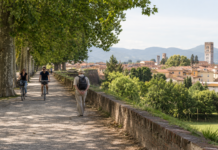
Puglia forms the heel of the Italian peninsula. Unlike Sicily and Sardinia, it is part of the mainland, which makes it easier to combine with Rome, Naples, the Amalfi Coast or nearby Matera. Its appeal comes from the rhythm of the journey: a morning in a whitewashed hill town, lunch at a countryside masseria, an afternoon swim and an evening passeggiata in a lively historic center.
The region is long and more varied than it first appears. Central Puglia offers Bari, Polignano a Mare, Monopoli, Alberobello and the Valle d’Itria. Farther south, Lecce makes a handsome base for Salento, with access to Otranto, Gallipoli and both the Adriatic and Ionian coasts. Gargano, in the north, feels like a separate trip of forests, cliffs and coves.
Italia Mia’s complete guide to the Region of Puglia provides a broad introduction, while the best places to visit in Puglia helps narrow down the towns and coastal stops.
What Puglia does best
- Compact historic centers with a strong evening atmosphere
- Distinctive lodging in masserie, trulli and small hotels
- A road-trip format that mixes countryside, towns and two coastlines
- Food that feels direct and regional: orecchiette, burrata, focaccia barese, olive oil, seafood and vegetables
- A relatively simple introduction to southern Italy for travelers who do not want the scale of Sicily
Puglia is particularly good for couples, food-oriented travelers and repeat visitors to Italy. Families can also do well in a masseria or coastal rental rather than moving hotels every night.
Where Puglia may disappoint
Puglia is not one small cluster of postcard villages. Driving from Gargano to southern Salento takes hours, and public transportation becomes less convenient when you leave the principal railway corridor. Alberobello, Polignano a Mare and the most famous beaches can feel crowded in summer. Travelers expecting every beach to have powdery white sand will also find a more varied coastline of rock shelves, coves, cliffs and sandy stretches.
Choose Puglia if you want a balanced vacation and enjoy the journey between places as much as the major sights.
Choose Sicily for History, Cities and the Greatest Variety
Sicily is the largest island in the Mediterranean, and it feels less like a single destination than a small country of its own. Greek temples, Roman mosaics, Arab-Norman churches, Baroque towns, active volcanoes, fishing communities, vineyards and major cities all compete for time.
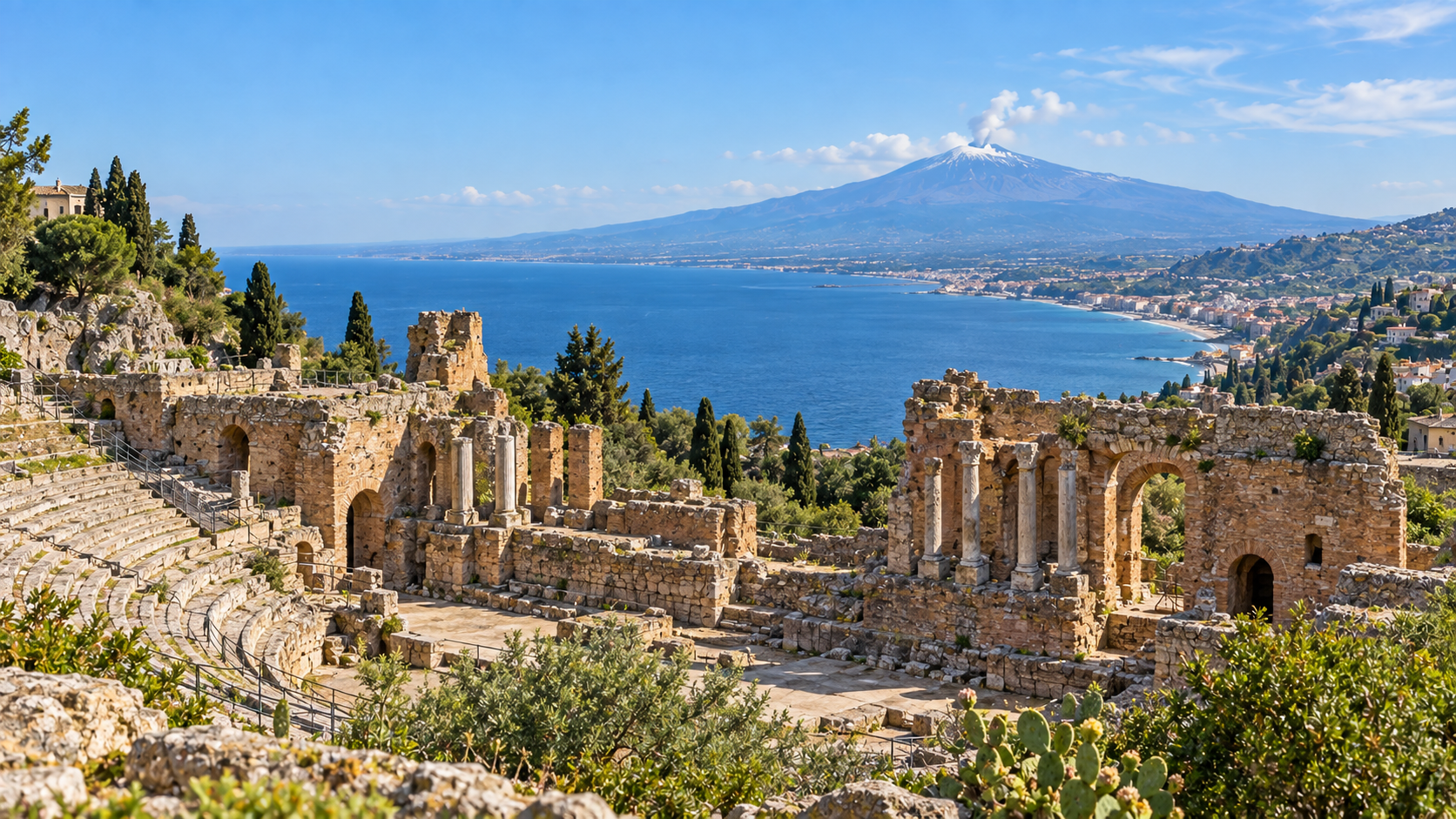
For cultural depth, Sicily is the clear winner. Palermo and nearby Monreale reveal the island’s Arab-Norman heritage. Agrigento and Selinunte preserve monumental Greek sites. Syracuse combines archaeology with the beautiful island district of Ortigia. The southeastern towns of Noto, Modica and Ragusa display the theatrical Baroque architecture rebuilt after the 1693 earthquake. Eastern Sicily adds Catania, Taormina and Mount Etna.
Read Italia Mia’s guide to the Region of Sicily and its deeper look at Sicilian art, architecture, traditions and food before deciding which half of the island to visit.
What Sicily does best
- The strongest concentration of architecture, archaeology and layered history
- Real cities with street life, markets, theaters and year-round energy
- The widest range of landscapes, from Etna to salt pans, vineyards and beaches
- A culinary identity that changes across the island
- Enough depth for a two-week vacation without repetition
Sicilian food is reason enough to come. Depending on where you travel, you may encounter arancine or arancini, pasta alla Norma, caponata, panelle, couscous in the west, swordfish, pistachios, granita, cannoli and cassata. The differences between Palermo, Catania, Trapani and southeastern Sicily are part of the experience.
Where Sicily may disappoint
Sicily rewards time and punishes overambitious planning. Palermo, Agrigento, Ragusa, Syracuse, Taormina and the Aeolian Islands do not belong in a rushed seven-day circuit. Roads and rail lines do not always connect destinations as efficiently as the map suggests, while entering large cities by car can be stressful.
The solution is to choose a side. For a first one-week visit, focus on eastern Sicily around Catania, Etna, Taormina and Syracuse, or western Sicily around Palermo, Monreale, Cefalù, Trapani and nearby archaeological sites. Save the rest for another trip.
Choose Sicily if museums, ruins, architecture, cities and food matter at least as much as the beach.
Choose Sardinia for Beaches, Nature and a True Island Escape
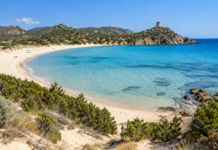
Sardinia is Italy’s best choice among these three for travelers whose first question is, “Where is the most beautiful water?” Granite coves, pale sand, rugged headlands and clear turquoise sea define much of the coast. Yet reducing Sardinia to the Costa Smeralda misses its Nuragic towers, mountain landscapes, pastoral traditions, archaeological sites and distinctive regional culture.
The island works best when you choose one area. Olbia is the principal gateway to the northeast and Costa Smeralda. Alghero suits the northwest, combining an attractive Catalan-influenced old town with beaches and excursions. Cagliari is the best urban base, with restaurants, archaeology and access to southern beaches. Italia Mia’s guide to the Region of Sardinia gives the island-wide overview, while Sardinia beyond the Costa Smeralda focuses on Cagliari, Chia and the south.
What Sardinia does best
- The most consistently impressive beaches of the three destinations
- Clear water for swimming, snorkeling, sailing and boat excursions
- Wild coastal scenery and a strong sense of physical space
- A relaxing resort, villa or small-town vacation with fewer compulsory sights
- Distinctive archaeology, especially nuraghi and other prehistoric sites
Sardinian cooking has its own identity. Look for pane carasau, culurgiones, fregola, malloreddus, bottarga, pecorino and porceddu. Coastal menus can be seafood-focused, while inland cooking reflects the island’s pastoral traditions.
Where Sardinia may disappoint
Sardinia is the least convenient option without a car if you want to explore remote beaches. Distances are significant, roads can be winding, and a beach that looks close on a map may require a long drive. The northeast can also be very expensive in July and August. Famous beaches may have limited parking, controlled access or seasonal reservation systems, so local rules should be checked shortly before visiting.
Travelers who want famous art cities and a long checklist of monuments may find Sicily more rewarding. Sardinia excels when nature, swimming and unstructured time are the priorities.
Which Destination Has the Best Beaches?
Sardinia wins for a vacation built primarily around the sea. Its combination of pale sand, transparent water, sculpted granite and protected coves is difficult to match. The northeast is the glamorous choice, but the Gulf of Orosei, the northwest, Sinis Peninsula and southern coast all offer compelling alternatives.
Puglia is the best choice for combining beaches with towns and countryside. Salento offers both Adriatic and Ionian shores, while Gargano provides cliffs, sea stacks and coves. Italia Mia’s guide to Puglia’s best beaches and coastal towns explains how the different coastal areas compare.
Sicily offers the greatest variety rather than the most consistently resort-like beach experience. Cefalù and San Vito Lo Capo have famous sandy beaches; Vendicari combines nature and swimming; the coast around Syracuse and southeastern Sicily alternates between sand and rock; and the smaller Sicilian islands create entirely different seaside trips.
The verdict:
- Best pure beach vacation: Sardinia
- Best beach-and-town combination: Puglia
- Best beaches within a culture-heavy itinerary: Sicily
Which Is Best for History and Culture?
Sicily is the strongest choice. Few Mediterranean destinations present so many civilizations in such a concentrated area. A single trip can include Greek temples, Roman villas, Byzantine mosaics, Arab-Norman architecture, Spanish-influenced cities and elaborate Sicilian Baroque.
Puglia is not culturally lightweight. Lecce’s Baroque churches, Bari’s old city, Castel del Monte, Romanesque cathedrals and Alberobello’s trulli give the region a recognizable visual identity. The experience, however, is usually more about towns and landscapes than major museum collections.
Sardinia offers something different: Nuragic archaeology, Phoenician and Roman sites, Romanesque churches, Catalan heritage in Alghero and living folk traditions. It is ideal for travelers interested in ancient Mediterranean cultures, but its important sites are more dispersed.
Puglia vs Sicily vs Sardinia Without a Car
Puglia is the easiest of the three to combine with a mainland Italy itinerary, and trains work well for selected stops along the Bari–Lecce axis. Bari, Polignano a Mare, Monopoli and Lecce can form the basis of a car-free trip. Reaching rural masserie, remote beaches, Gargano and smaller inland towns is more difficult.
Sicily can work without a car if you build the itinerary around connected cities. The eastern corridor linking Messina, Taormina, Catania and Syracuse is one practical choice; Palermo and Cefalù work well in the north. Buses fill some gaps, but a multi-region island circuit requires careful schedule planning.
Sardinia is the hardest choice for a car-free beach tour. Cagliari, Alghero and Olbia can each support a city-based stay, and organized excursions can reach selected sites. A rental car gives far more freedom when beaches and rural landscapes are the goal.
Before making the decision, read Italy without a car. Anyone planning to drive should also review Italia Mia’s guide to ZTL zones, speed cameras, tolls and parking.
Which Destination Costs Less?
Sicily often provides the best value across accommodations, restaurant meals and cultural sightseeing, particularly away from Taormina and the most fashionable coastal resorts. Palermo, Catania and smaller inland towns can offer a wide range of lodging and dining choices.
Puglia sits in the middle. It can be reasonably priced, but sought-after masserie, trulli, Polignano a Mare and the most popular parts of Salento command high summer rates. Staying in a less famous town and driving to the coast can reduce costs.
Sardinia has the widest price extremes. Cagliari, Alghero and less-publicized coastal areas can be manageable, while Costa Smeralda and prime August beach locations can be among Italy’s most expensive vacation choices. A rental car, beach parking and boat excursions should be included in the budget.
For all three, May, June, September and early October usually offer a better balance of weather, availability and cost than the peak weeks of July and August. Sea temperatures and seasonal services vary, so travelers visiting at the edges of the season should check local conditions.
Best Choice for Couples, Families and Solo Travelers
Couples
Choose Puglia for a romantic masseria stay, leisurely dinners and short drives between photogenic towns. Choose Sardinia for a secluded beach hotel or villa. Choose Sicily when shared interests center on history, food and active sightseeing.
Families
Puglia and Sardinia are the easiest choices for a settled family vacation. A countryside property in Puglia can combine a pool, towns and beaches; a coastal base in Sardinia reduces daily packing. Sicily suits curious older children and teenagers, but frequent hotel changes can make the trip tiring.
Solo travelers
Sicily offers the greatest urban energy and the most varied days without depending entirely on beach life. Palermo, Catania and Syracuse provide restaurants, markets, public spaces and organized excursions. Puglia can also work well from Bari or Lecce. Sardinia is best for an independent solo traveler comfortable driving or planning activities in advance.
Travelers who prefer a slower pace
All three can be slow-travel destinations if you resist the urge to cover the entire map. Puglia is particularly well suited to a two- or three-base itinerary. In Sicily, rent an apartment in Palermo or Ortigia and take selected day trips. In Sardinia, choose one coast and allow entire days with no plan beyond a beach and dinner.
Three Practical One-Week Itineraries
One week in Puglia
- Two nights in Bari or Monopoli
- Two nights in the Valle d’Itria, near Ostuni, Alberobello or Locorotondo
- Three nights in Lecce or elsewhere in Salento
This route balances towns, countryside and both coastal environments. Do not add Gargano unless you have more time.
One week in eastern Sicily
- Two nights in Catania, with an Etna excursion
- Two nights around Taormina or the Ionian coast
- Three nights in Syracuse or Ortigia, with a day trip toward Noto
Alternatively, devote the entire week to western Sicily rather than trying to cross the island repeatedly.
One week in Sardinia
- Three nights in Cagliari
- Four nights near Chia, Villasimius or another southern coastal base
For northern Sardinia, fly into Olbia or Alghero and remain in that half of the island. Crossing from north to south merely to collect famous names wastes valuable beach time.
Planning and Booking Your Southern Italy Vacation
Some links in this article are affiliate links. Italia Mia may earn a commission if you make a purchase or booking, at no additional cost to you.
Accommodation should follow the geography of the trip. Compare hotels throughout Puglia on Trip.com, hotels throughout Sicily on Trip.com or hotels throughout Sardinia on Trip.com after deciding which part of the region you will explore. These destination pages are more useful than beginning with a generic hotel search.
For offline maps, background reading and itinerary ideas, browse southern Italy travel guidebooks on Amazon.com. Check the publication date before buying because transportation and admission details age quickly.
Italia Mia’s guide to the best bases in every Italian region can help you choose between Bari and Lecce, Palermo and Catania, or Cagliari, Alghero and Olbia.
The Final Verdict: Puglia, Sicily or Sardinia?
Choose Puglia if you want a relaxed, food-centered road trip with attractive towns, countryside lodging and beaches. It is the easiest of the three to add to a broader mainland vacation and the most approachable choice for travelers who want variety without Sicily’s scale.
Choose Sicily if this may be your only trip to southern Italy and you want the greatest cultural return. It asks for more time and planning, but no other choice offers the same combination of cities, archaeology, architecture, volcanic scenery, cuisine and coastline.
Choose Sardinia if the beach is not an extra but the central event. Accept that a car and a carefully chosen coastal base are usually part of the experience, and avoid crossing the island simply to say you have seen more of it.
Still undecided? Use one final question: at the end of the trip, would you most regret missing whitewashed towns, world-class historical sites or extraordinary turquoise coves? Your answer points to Puglia, Sicily or Sardinia.
Frequently Asked Questions
Is Puglia better than Sicily for a first trip to southern Italy?
Puglia is easier for a relaxed one-week road trip, while Sicily is better for travelers who prioritize history, cities and cultural variety. Sicily is the more ambitious destination; Puglia is the gentler introduction.
Is Sicily or Sardinia better for beaches?
Sardinia is generally the stronger choice for a beach-centered vacation. Sicily offers excellent beaches, but its greatest advantage is the ability to combine the coast with major cities, archaeological sites and Mount Etna.
Which is better without a car: Puglia, Sicily or Sardinia?
Puglia and Sicily both support carefully designed car-free itineraries along their main rail corridors. Sardinia is the least convenient without a car when remote beaches are the priority.
Can I combine Puglia and Sicily in one trip?
You can, but it only makes sense with enough time and a flight or carefully planned overland connection. For a trip shorter than two weeks, concentrating on one region usually creates a more satisfying vacation.
How many days do I need?
Allow at least seven days for a focused Puglia or Sardinia itinerary. Sicily deserves ten to fourteen days for a broad first trip, although either its eastern or western side can fill one week comfortably.
External Sources
- Italia.it official tourism guide to Puglia
- Italia.it official tourism guide to Sicily
- Visit Sicily: official arrival and transportation information
- Italia.it official tourism guide to Sardinia
- Italia.it practical information for traveling in Italy
- Trenitalia official website