 Choosing Italian cheese becomes easier when you start with what you want it to do. A cheese for grating over pasta needs different qualities from one served with tomatoes, melted into polenta or spooned into a dessert.
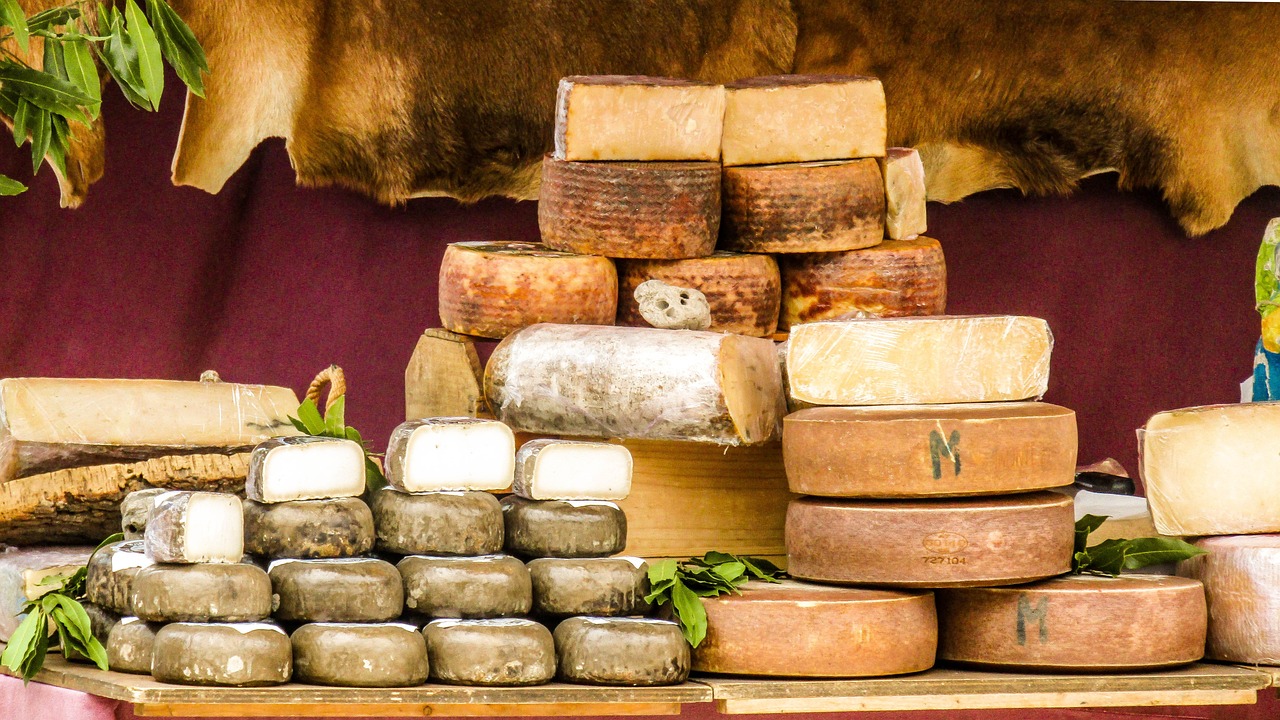
Names matter, but so do milk type, maturity, moisture and the way you store the cheese after opening it. A young pecorino can be supple and mild; an aged version may be firm, crumbly and much more assertive. Fresh mozzarella and scamorza both belong to the stretched-curd family, yet they behave differently in the oven.
This guide focuses on buying and using Italian cheese at home. For individual varieties, their origins and tasting suggestions, see our guide to 20 famous Italian cheeses.
Start with the Dish You Want to Make
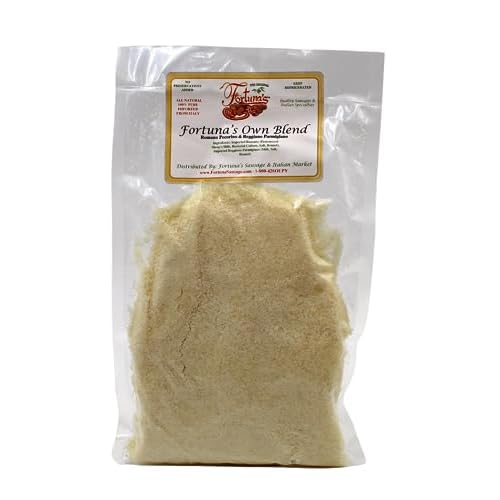
For grating, consider Parmigiano Reggiano, Grana Padano or Pecorino Romano. Parmigiano Reggiano and Grana Padano are cow’s-milk cheeses with granular textures; Pecorino Romano is made from sheep’s milk and brings a more pronounced salty, piquant character. Taste before adding extra salt to a dish.
For melting, Fontina, Taleggio, scamorza and suitable varieties of provolone are useful choices. Choose according to the result you want: a smooth sauce, a creamy filling or a topping with more structure.
For salads and simple starters, fresh mozzarella and burrata are especially appealing. They are best purchased close to the day you intend to serve them.
For fillings and desserts, ricotta and mascarpone have different roles. Ricotta provides a soft, lightly granular texture, while mascarpone contributes a rich, smooth creaminess. They should not be treated as automatic substitutes for one another.
Read the Label Before Buying
Look beyond the Italian flag or an Italian-sounding brand name. Check the product’s full name, country of production, milk type, ingredients, maturity and storage instructions.
DOP is the Italian abbreviation for Protected Designation of Origin, called PDO in English. It identifies products made within a defined geographical area under a specified production system.
IGP, or PGI in English, also protects a geographical connection, but its requirements differ: at least one production, processing or preparation stage must take place in the designated area.
These marks help you identify protected products. They are not a personal taste ranking, and an excellent local cheese does not necessarily carry either designation.
When buying Parmigiano Reggiano, look for the full protected name rather than relying on “Parmesan” alone, especially in the United States. Similarly, mozzarella is a broad cheese category; Mozzarella di Bufala Campana DOP identifies a particular protected buffalo-milk product.
If you avoid animal rennet, check the ingredients or ask the producer. Italian cheese is not automatically suitable for a vegetarian diet.
Choose the Right Maturity and Quantity
Older does not always mean better for every purpose. A younger cheese can suit sandwiches or gentle melting, while a mature version may work better in small pieces or grated over food.
Ask a cheesemonger to explain the differences between the maturities available. If tasting is offered, compare them before buying a large piece.
Buy fresh cheeses in quantities you can use promptly. For aged cheeses, a smaller wedge bought regularly can be more practical than a large piece that spends weeks drying in the refrigerator.
Compare prices by weight, too. Packages that look similar may contain substantially different amounts. When ordering fresh cheese online, check how the seller handles chilled delivery and arrange to receive it promptly.
Use Cheese According to the Recipe
Lasagna is a good example of why the style of a dish matters. Many Italian-American versions combine ricotta, mozzarella and grated Parmesan. Lasagne alla bolognese follows a different tradition, layering green egg pasta with meat ragù, béchamel and Parmigiano Reggiano. Neither description should stand for every lasagna recipe.
For pizza, moisture matters as much as flavor. Fresh mozzarella can release liquid during baking, so drain it appropriately for the recipe. Lower-moisture mozzarella and scamorza produce different textures and can be useful for particular preparations.
For pasta, use the cheese named in the recipe when its flavor is central to the dish. Pecorino Romano gives cacio e pepe its distinctive character; replacing it with a milder cow’s-milk cheese changes the result.
For risotto, grated aged cheese adds savory depth, while Gorgonzola or Taleggio can become a defining flavor. Add assertive cheeses gradually and taste as you go.
Store Different Cheeses Differently
There is no single wrapping method or storage period suitable for every Italian cheese. Follow the manufacturer’s instructions, including any directions that apply after opening.
For general household food safety, keep your refrigerator at 4°C or below. Return cheese to refrigeration promptly after serving or cooking.
Fresh mozzarella and burrata should generally remain in their original packaging and liquid until needed, following the label. Do not replace their liquid with plain water unless the producer specifically instructs you to do so.
Keep ricotta, mascarpone and other fresh cheeses in their original covered containers. Use clean utensils and follow the stated period for consumption after opening.
For cut Parmigiano Reggiano, the consortium recommends a glass or plastic container, or food-grade plastic film, to protect the cheese from drying and absorbing other odors. Its guidance estimates about 15 days for opened pieces aged 12–18 months and about one month for pieces aged at least 24 months, under appropriate storage conditions. These are cheese-specific estimates, not rules for every hard cheese.
Other cheeses may benefit from cheese paper or their original wrapping. Ask the seller for advice rather than assuming that all cheeses should be wrapped identically.
Serve a Small, Varied Selection
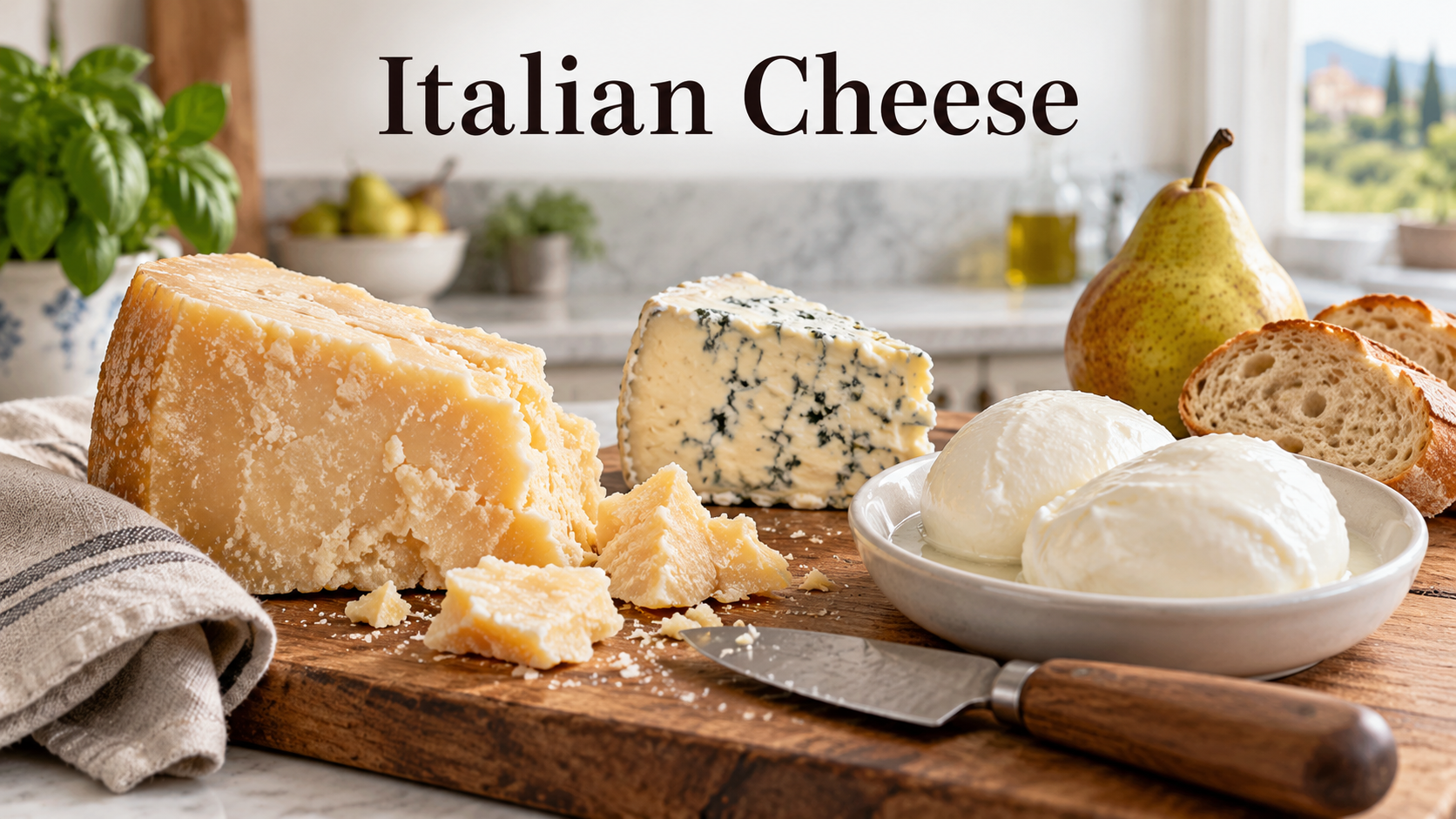
A satisfying cheese board does not need ten varieties. Three contrasting choices can be enough: a firm aged cheese, a soft or creamy cheese and a blue or more assertive cheese.
Serve them with good bread and a few simple accompaniments. Pears, grapes, walnuts or a little honey can provide contrast without overwhelming the cheese.
Take out only what you expect to serve. Some aged cheeses reveal more aroma after a short time out of the refrigerator, but fresh cheeses should not be left standing for hours, particularly in warm weather.
Taste the cheeses on their own before adding preserves or condiments. Wine pairings are suggestions rather than fixed rules; bread, fruit and water are equally welcome at the table.
A Practical Italian Cheese Shopping List
For everyday cooking, begin with one cheese for grating and one chosen for a specific meal. Add fresh mozzarella for a tomato salad, ricotta for a filling or scamorza for a baked dish when you need them.
This approach makes cheese shopping more useful and reduces waste. Once you know which textures and flavors you enjoy, use our regional Italian cheese guide to try something different.
External Sources
European Commission: Geographical Indications and Quality Schemes Explained
Parmigiano Reggiano Consortium: Cutting and Storage
Bologna Welcome: Lasagne Verdi alla Bolognese
Qualigeo: Mozzarella di Bufala Campana PDO
U.S. Food and Drug Administration: Are You Storing Food Safely?