
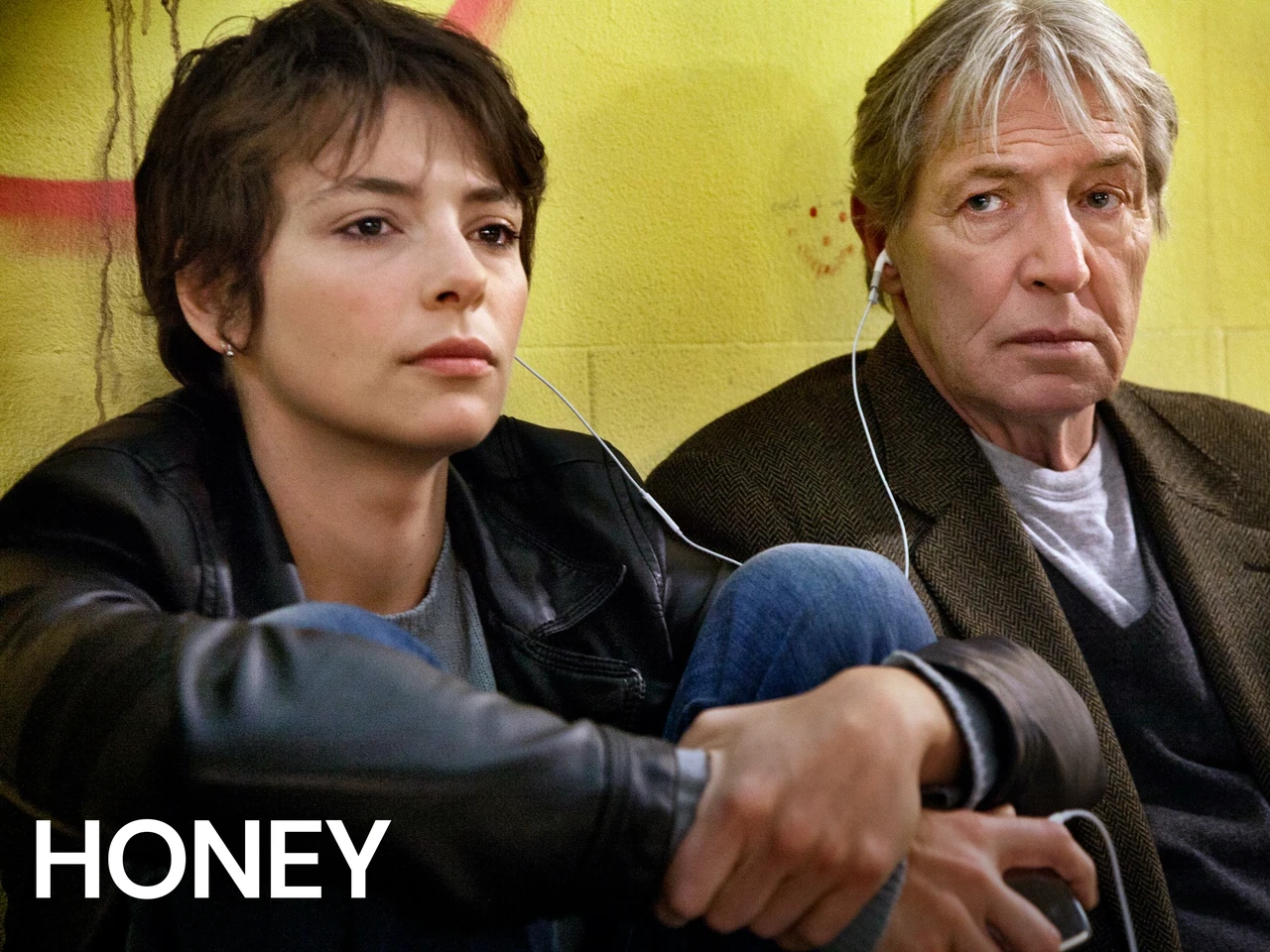
 Honey, released in Italy as Miele, marked Valeria Golino’s feature directing debut in 2013. Starring Jasmine Trinca and Carlo Cecchi, this Italian-French drama follows a young woman whose secret work brings her into intimate contact with suffering—and eventually unsettles her understanding of compassion. The film was selected for Un Certain Regard at Cannes.
Its subject is difficult, but its appeal lies in the people at its centre. Irene believes she understands the boundaries of her work. An encounter with an older man forces her to question those boundaries, and herself.
For readers moving beyond the most familiar classics in our Italian movies collection, Miele offers an absorbing example of contemporary Italian cinema: intimate, morally complicated, and built around two compelling performances.
The Story
Plot notice: this section explains the central conflict without revealing the ending. The film deals with assisted dying, suicide, terminal illness, and emotional distress.
Irene lives on the coast outside Rome and keeps much of her life hidden. Her father and married lover believe she is a student. Under the name Miele—Italian for “honey”—she secretly assists terminally ill people who want to end their suffering.
She sees a purpose in what she does. That conviction begins to fracture when she encounters Grimaldi, an older man who wants her assistance despite having no terminal illness. Irene refuses to accept his request on the same terms as those of her other clients.
Their subsequent relationship becomes the film’s central struggle. Grimaldi challenges her assumptions, while Irene tries to understand a despair that does not fit the distinction she has drawn between physical suffering and the wish to die.
The drama develops through conversations, resistance, and an increasingly complicated attachment. Neither character can comfortably reduce the other to a case or a principle. That uncertainty gives the story its emotional force.
Cast and Characters
Jasmine Trinca plays Irene, also known as Miele. Her character carries the film’s central contradiction: she enters other people’s most vulnerable moments while keeping her own life compartmentalized. The role requires both determination and uncertainty, often within the same scene.
Carlo Cecchi plays Grimaldi, the older man whose request disrupts Irene’s convictions. His presence gives their exchanges an edge: he challenges the authority she has assumed without making it easy for her—or the audience—to understand him.
The principal supporting cast includes Libero De Rienzo as Rocco, Vinicio Marchioni as Stefano, and Iaia Forte as Clelia.
Trinca and Cecchi anchor the film through the changing balance between their characters. What begins as a disagreement becomes a relationship in which concern, frustration, and emotional dependence are difficult to separate.
Awards and Recognition
Miele received significant recognition during its release year.
At the 2013 Cannes Film Festival, it screened in Un Certain Regard and received a special mention from the Ecumenical Jury. Filmitalia also records its participation in the Venice festival’s Giornate degli Autori programme through the LUX Prize selection, and Jasmine Trinca’s Best Actress award at the Stockholm International Film Festival.
At Italy’s 2013 Nastri d’Argento, Valeria Golino won Best New Director. Jasmine Trinca won Best Leading Actress for both Miele and Un giorno devi andare, while Emanuele Cecere received the direct sound award for Miele and La grande bellezza.
The film was also nominated for European Discovery – Prix FIPRESCI at the 2013 European Film Awards. This was a nomination, rather than a win.
Together, these honours recognized both Golino’s arrival as a feature director and the performances and craft supporting her debut.
How the Film Was Made
Golino wrote the screenplay with Francesca Marciano and Valia Santella. The film is an Italian-French production, with cinematography by Gergely Pohárnok and editing by Giogiò Franchini. Its producers included Viola Prestieri, Riccardo Scamarcio, Anne-Dominique Toussaint, and Raphaël Berdugo.
The literary background needs a little explanation. In her Cannes interview, Golino described finding Mauro Covacich’s Vi perdono and developing the adaptation with Marciano and Santella. Filmitalia’s production credits identify the source as Covacich’s A nome tuo. Both titles therefore appear in authoritative accounts of the film’s origins.
One production anecdote provides an unexpectedly close connection between the story and its setting. Golino recalled choosing a modest beach house for Irene because it felt right for the character. She later learned that Covacich had lived in that same house while writing the story.
Golino’s stated intention was to raise questions rather than turn the film into a manifesto. She was also drawn to Irene’s vitality and its contrast with the suffering surrounding her work. That tension helps explain why Miele follows the protagonist’s emotional life as closely as its ethical conflict.
Why It Still Matters
Miele asks how confidently one person can claim to understand another person’s suffering. Irene begins with a distinction that makes her work bearable. Grimaldi exposes the uncertainty within it.
The film’s lasting interest comes from allowing that uncertainty to remain uncomfortable. Compassion does not automatically bring understanding, and strong convictions do not protect Irene from doubt.
It also gives its young female protagonist room to be contradictory. Irene is neither an uncomplicated heroine nor merely the vehicle for a debate. Her secrecy, attachments, and need to maintain control are part of the drama.
My reason for including Miele in this series is its scale. Italian cinema’s achievements include quiet films about private encounters as well as the grand historical dramas and celebrated comedies. Here, a conversation between two people can carry the weight of the whole film.
Readers interested in that wider context can continue with our Italian cinema coverage.
Where to Watch or Buy
Viewing information reviewed on September 30, 2026. Catalogues change, and a searchable title page does not always mean the film can currently be played.
United States: streaming
JustWatch’s U.S. listing for Honey currently identifies Kanopy as the viewing option. Its displayed availability check is dated September 24, 2026. Access through Kanopy depends on a participating library or institution and its catalogue; confirm that your account includes the film.
United States: rental and digital purchase
The U.S. listing checked for this update does not show a separate rental or digital purchase option. Search using the director’s name and the year, because several unrelated films share the English title Honey.
Italy: subscription streaming
JustWatch’s Italian listing for Miele lists MUBI and MUBI Amazon Channel. Its displayed check is dated September 3, 2026, so confirm availability in your account before subscribing specifically for the film.
Italy: rental and digital purchase
The same listing identifies Apple TV Store, Rakuten TV, and Amazon Video for rental or purchase. However, the Prime Video page checked during this update displayed an unavailable message. Treat the Amazon option as requiring confirmation. The Italian Apple TV title page lists Italian audio and English subtitles; check the offer shown in your account.
DVD and other physical editions
Use these affiliate searches to look for editions currently offered by sellers:
Search Amazon.com for Honey by Valeria Golino on DVD
Search Amazon.it for Miele by Valeria Golino on DVD
These are search links, rather than verified in-stock editions. Before ordering, check the film’s year and director, subtitle languages, disc region, and compatibility with your player.
Affiliate disclosure: Italia Mia may earn a commission from qualifying purchases made through the Amazon links above.
External Sources
Festival de Cannes: Miele, official selection and credits
Festival de Cannes: interview with Valeria Golino
Filmitalia: production details and festival recognition
Nastri d’Argento: 2013 winners
European Film Academy: European Discovery 2013 nominations
JustWatch: U.S. viewing options
JustWatch: Italian viewing options