Acciaroli is a fishing village on the Cilento coast of southern Campania, where narrow lanes lead down to a harbor marked by a square stone watchtower. It also hosts meetings of an international research project on exceptional longevity. That connection has made the village famous well beyond Italy, even though the people at the center of the research live in communities across Cilento.
A good first visit takes in both sides of the story. Spend the morning around Acciaroli’s old harbor and sandy beach, then continue to nearby Pioppi, where a waterfront museum explains how the area’s fishing, farming and cooking traditions helped shape the modern idea of the Mediterranean diet.
Where Is Acciaroli?
Acciaroli is a coastal hamlet of the municipality of Pollica, in the province of Salerno. It lies south of Santa Maria di Castellabate and west of Pioppi on the Tyrrhenian coast. The name Pollica can refer to both the municipality and the hill town inland, so use Acciaroli Porto when looking for directions to the harbor. Pioppi has its own waterfront and is a separate stop.
The village is compact enough to explore on foot once you arrive. The old center and harbor make a natural starting point, with sandy stretches of coast for a longer break. If you are building a trip around several stops, use the Cilento coast and national park guide for beaches, inland towns and archaeological sites.
Why Is Acciaroli Famous for Longevity?
In 2016, researchers launched the Cilento Initiative on Aging Outcomes, known as CIAO, to study why some people in the area reach very advanced ages and how their health changes as they grow older. The project brings together institutions including Sapienza University of Rome, UC San Diego and Sanford Burnham Prebys. Acciaroli has hosted research meetings, which helps explain why the village’s name became linked with the wider study.
In May 2025, Sanford Burnham Prebys put the number of people over 100 at roughly 300 across the wider Cilento national park area, a region that includes many villages and towns. A pilot study illustrates that geographic spread. Researchers visited 29 participants aged 90 and over in homes across 11 Cilento communities, including Acciaroli, as part of a project that also enrolled younger people living with them.
The researchers collect information on diet, medical history and cognitive function alongside biological samples and social assessments. Some participants live with dementia, making cognitive health an important part of the research. The comparisons can reveal patterns and point to questions worth testing further. The available evidence leaves open how much diet, biology and circumstances over a lifetime each contribute to exceptional longevity in Cilento.
What to See in Acciaroli
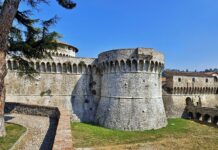
Start at the harbor by the Church of the Annunziata and the Norman tower. The square tower served as a coastal defense and was altered over the centuries. You can appreciate how close it stands to the church and the water from the harbor itself. From there, turn into the paved lanes of the old village before circling back along the waterfront.
If the weather suits a swim, spend an hour or two on the sandy shore. Choose the part of the beach that works for your plans and check what is open if you need a lounger, shade or a place for lunch. On a cooler day, leave the beach for a walk and give yourself more time to see Pioppi or the inland village of Pollica.
With only a few hours, the harbor, old lanes and lunch make a satisfying visit. If you arrive by bus, check the return departure before deciding how far to walk or whether to add a second village.
What Pioppi Adds to the Mediterranean Diet Story
At Palazzo Vinciprova in Pioppi, the Living Museum of the Mediterranean Diet occupies the upper floor, with the Museo Vivo del Mare downstairs. The diet museum includes displays on local seeds and plants, home pasta making and the work of Ancel Keys, the American researcher who lived in the area and studied the relationship between diet and cardiovascular health. The marine museum gives you a look at the organisms found in the waters off Cilento.
UNESCO includes Cilento among the communities that represent the Mediterranean diet on its Intangible Cultural Heritage list. Its entry describes a tradition that extends from growing and catching food to preserving it, cooking it and sharing it around a table. That helps explain why the museum gives space to seeds, tools and everyday skills. For more context, see Italia Mia’s guide to Italy’s UNESCO-listed living traditions.
At lunch, ask what fish is available that day, how the kitchen prepares its beans or greens, or which olive oil it serves. White figs are another Cilento specialty to look for, especially in dried form. If you want to try alici di menaica, the anchovies traditionally caught with a specialized net, nearby Pisciotta is particularly associated with that fishery. Let the menu and season guide the meal.
How to Get to Acciaroli
By public transport. Check trains to Salerno or Agropoli-Castellabate, then check Busitalia Campania’s line 34 for the onward trip to Acciaroli. Match the specific bus stop with your train arrival and check the return trip before you go. If you plan to continue to Pioppi or the hill villages, check Pollica Mobility’s seasonal timetables separately. A connection that worked in summer may be unavailable on your dates. Italia Mia’s guide to traveling in Italy without a car can help you plan the rest of the journey through Campania.
By car. Driving is the easiest way to combine the coast with Pollica and its neighboring hill villages in one day. On busy summer weekends, aim to arrive in Acciaroli early and ask your accommodation about parking if you are staying overnight. Once parked, explore the harbor and old center on foot.
One Day or a Weekend in Acciaroli
One day. Start at the harbor and walk through Acciaroli’s old lanes in the morning. Leave time for lunch and a little time on the beach, then head to Pioppi for Palazzo Vinciprova. Check the museum’s opening hours first so you can reverse the order if needed. With a tight bus connection, make Acciaroli the main stop and save Pioppi for another day.
Two days. Stay in Acciaroli and leave the first day for the two coastal villages. On the second, go inland to Pollica and nearby Celso, or head toward Ascea to visit Velia, the ancient Greek city of Elea. The archaeological area includes Roman baths, a theater and the stone arch known as Porta Rosa. For a longer trip, add Paestum and its Greek temples on the way to or from Salerno. Both archaeological sites form part of the wider Campania itinerary you can build around the coast.
For walking and sightseeing, consider late spring or September. If beach services are a priority, confirm their opening dates before you book. Outside summer, checking restaurant hours and the onward bus matters more than choosing which stretch of beach to visit.
Book Your Acciaroli Stay and Experiences
Stay near Acciaroli’s harbor if you want to walk to dinner and start the next morning by the water. For a beach-focused stay, look at properties near the sandy shore and check the walking route back to the old village. Compare hotels and other stays in Acciaroli on Expedia, checking the map because results can include nearby towns. For Pioppi, use the museum’s visitor information below to plan your visit to Palazzo Vinciprova.
External Links
- Sanford Burnham Prebys — CIAO study and the regional centenarian estimate
- Medicina — Published CIAO pilot study on cognitive health in Cilento
- Visit Cilento — Acciaroli’s harbor, tower and old village
- UNESCO — Mediterranean diet and the participating communities
- Ecomuseum of the Mediterranean Diet — Visiting Palazzo Vinciprova in Pioppi
- Busitalia Campania — Regional bus timetables
- Comune di Pollica — Seasonal Pollica Mobility timetables
- Archaeological Parks of Paestum and Velia — Visiting ancient Velia