
Part of Unexpected Italy: Stories from My Recent Travels
 There are places in Italy where the accommodation is simply part of the trip, and then there are places where it changes the way you understand the destination. Apella belongs to the second category.
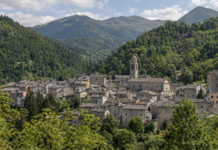
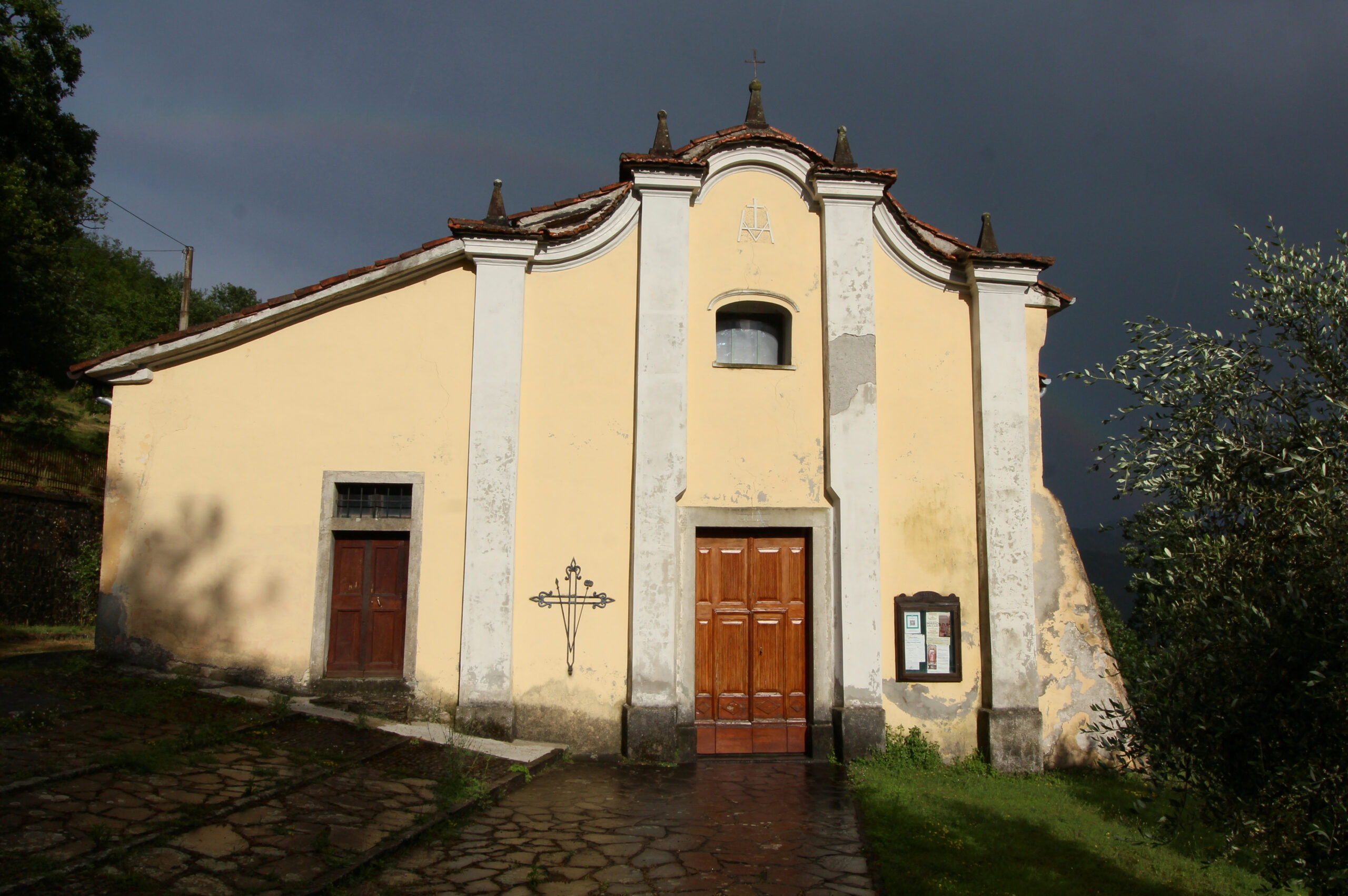
High in the hills of Lunigiana, in the municipality of Licciana Nardi, Apella is a small stone village surrounded by chestnut woods. It is not a town arranged for visitors, with a hotel at one end and a historic center at the other. Here, the village itself has become the place where you stay. Restored houses have been turned into rooms and apartments, while the lanes, courtyards and old walls remain part of everyday life.
I came expecting a quiet country stay. What I found was a convincing example of how tourism can help preserve a nearly abandoned borgo without turning it into a stage set.
Arriving in a Different Lunigiana
The road to Apella leaves behind the wider valley and climbs into a landscape of woods, small settlements and sudden views. The final stretch makes the village feel more remote than it really is. By the time I arrived, the noise and movement of the main roads had disappeared.
This is an important part of the experience. Apella is not a destination for anyone who wants a full schedule, late-night entertainment or a long list of attractions within walking distance. Its appeal is more specific: silence, clean mountain air, old stone houses and the freedom to let the day develop without forcing it.
The village stands at about 660 meters above sea level, within the landscape of the Tuscan-Emilian Apennines. Even in summer, the air can feel noticeably fresher than it does along the coast or on the floor of the Lunigiana valley. Chestnut trees surround the borgo, and the mountains are always present without overwhelming it.
A Village Recovered House by House
Agriturismo Montagna Verde operates as a form of albergo diffuso, or scattered hotel. Instead of placing every guest in one purpose-built structure, the owners restored houses in different parts of Apella and gave them a shared reception, restaurant and services.
The apartments are not replicas of rural life. They occupy the village’s actual buildings, restored with local materials and adapted for modern use. You may have your own kitchen and living space, step outside directly onto a stone lane, and pass through the borgo on the way to breakfast or dinner. That small separation between the apartment, restaurant and other facilities is exactly what makes the arrangement work: you are not confined inside a resort.
The result feels private without feeling isolated. Renting an entire apartment makes particular sense for a longer stay, for friends travelling together or for anyone who prefers to prepare an occasional meal rather than eat out every time. Yet the restaurant and common facilities remain close enough to make the stay easy.
Apella is still extremely quiet. That quietness is not an invented luxury feature; it is the natural condition of a small mountain village. In the morning, the soundscape is made up of birds, footsteps and the occasional car. In the evening, activity gathers around dinner rather than shops or bars.
The Pool, the Bicycles and the Pleasure of Staying Put
Montagna Verde has a seasonal panoramic swimming pool set among the greenery. It gives the borgo something that many historic villages cannot offer: a reason to spend part of the afternoon doing absolutely nothing. After driving through Lunigiana or walking the local paths, returning to the pool changes the rhythm of the day.
Mountain bikes are also available, with e-bikes obtainable on advance request. The terrain is hilly, so a bicycle ride here is not the same as a gentle spin through a flat Tuscan vineyard. It is better suited to exploring nearby lanes, woods and small villages at a pace that allows you to notice the landscape. Less experienced riders may find an e-bike the more sensible choice.
There are walking routes as well, and the surrounding territory rewards short, unhurried outings. But Apella also makes a good argument for staying where you are. A morning walk, a swim, a long lunch and a few hours reading outside can be a complete day rather than time left over between attractions.
Dinner in the Old Tower
The center of the Montagna Verde experience is Ristorante La Torre, located in the historic tower complex between Apella and nearby Taponecco. The agriturismo began here in 1995, after the abandoned building was restored, and later expanded its hospitality into the village.
La Torre became known beyond Lunigiana when Montagna Verde won the local episode of Alessandro Borghese’s television program 4 Ristoranti. Television recognition can create the wrong expectations, especially when people arrive looking for spectacle. The real reason to eat here is simpler: the kitchen is tied to the place.
The menu is based on traditional Lunigiana cooking and on products from the farm and nearby territory. This is food from a border region, where Tuscany meets Liguria and Emilia. It does not resemble the polished stereotype of Tuscan cuisine served in many tourist centers.
Depending on the season and the menu, you may encounter testaroli with pesto, herb-filled torta d’erbi, chestnut flour, local cheeses, cured meats, mushrooms, game or slow-cooked meat dishes. The ingredients and preparations are substantial without being needlessly elaborate. Chestnuts are especially important to the area’s history; for generations they were not a decorative autumn ingredient but a basic source of food.
Dinner is best approached as part of the stay, not merely as a restaurant reservation. Once the daytime visitors have gone and the woods become dark, the old tower and dining rooms feel connected to the isolated landscape around them. There is no need to drive elsewhere afterward. You simply walk back through the borgo to your apartment.
A Quick Stop in Bagnone
Apella’s calm is the main event, but a short excursion gives the stay some contrast. Bagnone is an excellent choice for a quick stop.
The old center developed beside the Bagnone torrent, beneath a castle settlement that once controlled routes through the valley. Water, stone houses, small bridges and the steep rise toward the upper borgo give the town a strong visual identity without requiring an entire day.
I would not treat Bagnone as a checklist. Park, walk through the lower streets, cross the old bridge and look toward the castle and its cylindrical tower. If time and access permit, continue uphill toward the castle village and the Church of San Nicolò. Otherwise, a coffee and a short walk beside the torrent are enough to understand why Bagnone deserves the detour.
The town also provides a useful reminder that Lunigiana is not one single landscape. Apella is enclosed by woods and mountain air; Bagnone is shaped by water, trade routes and the relationship between its lower settlement and fortified heights.
Why Apella Works
Many Italian villages face the same problem: too few permanent residents, houses left empty and a historic center that slowly loses its purpose. The albergo diffuso model offers one possible response. It brings visitors into existing buildings and directs income toward restoration, local food and the surrounding territory.
That approach can become artificial if an entire village is reduced to accommodation. In Apella, the balance feels more convincing because the buildings retain their individuality and the hospitality grew from an agricultural business rooted in the area. The place does not pretend to offer urban life. It offers a temporary share in the quiet life that remains.
The experience also changes the usual relationship between guest and hotel. There is no single corridor lined with identical doors. Your route to dinner may pass old walls, gardens and houses. The pool lies apart from the apartment. The restaurant occupies its own historic structure. Moving between them makes the borgo legible.
Practical Advice for a Stay in Apella
A car is the most practical way to reach Apella and explore Lunigiana. The final roads are winding, so it is better to arrive in daylight, particularly on a first visit.
Book dinner at La Torre rather than assuming a table will be available, especially on weekends. If the swimming pool matters to you, confirm its seasonal opening dates. Guests interested in e-bikes should request them ahead of time.
An apartment is the best choice when staying for more than one night or travelling with friends. Bring a few provisions if you plan to cook, since Apella is not a village where you can step outside and find a supermarket. The property sells some local products, while larger shops are farther down in the valley.
Comfortable shoes are useful even if you are not planning a hike. Stone lanes, slopes and rural paths are part of the setting. Temperatures can also drop after sunset, so a light jacket is sensible even during warmer months.
Most importantly, do not overfill the itinerary. One day can include Bagnone or another nearby village, but leave enough time for Apella itself. The purpose of coming here is not to use the borgo only as a base from which to rush elsewhere.
The Unexpected Part
The unexpected part of Apella was not the pool, the old tower or even the meal that had earned national television attention. It was realizing that the accommodation was not separate from the destination.
By sleeping in one of the restored houses, walking through the village for breakfast, borrowing a bicycle and returning to the tower for dinner, I was following the internal geography of the borgo. What might have been a collection of abandoned buildings had become useful again.
Apella does not need a dramatic story imposed upon it. Its story is already visible in the stonework: a small Lunigiana village found a way to remain alive by becoming a place where outsiders could stay, eat and slow down for a few days. That is enough—and it is precisely what makes the visit memorable.
Book Your Apella Stay and Experiences
Some links in this section are affiliate links. Italia Mia may earn a commission if you make a booking through them, at no additional cost to you.
Find Accommodation in Apella and Lunigiana with Trip.com
Montagna Verde is the accommodation described in this story and can be reserved through its official website. If it is unavailable, or if you are planning a wider journey through Lunigiana, you can compare hotels and country stays throughout the Province of Massa-Carrara on Trip.com. The results include properties in and around Villafranca in Lunigiana, Fivizzano, Pontremoli and Licciana Nardi, so check the map carefully before booking.
For an alternative within the municipality of Licciana Nardi, view rooms and current availability at Castello di Pontebosio Luxury Resort on Trip.com. A car is still strongly recommended for reaching Apella, Bagnone and the surrounding villages.
Reserve a Nearby Cultural Experience with Weekend in Italy
Weekend in Italy does not currently list a ticket specifically for Apella or Bagnone. For travelers extending their Lunigiana stay toward Pisa, the Leaning Tower of Pisa advance ticket is a useful destination-specific option. Confirm the entrance time, inclusions and cancellation conditions before purchasing.
External Sources
Agriturismo Montagna Verde official website
Montagna Verde apartments and albergo diffuso
Montagna Verde services, pool and activities
Visit Lunigiana: Agriturismo Montagna Verde
Municipality of Bagnone: history and territory