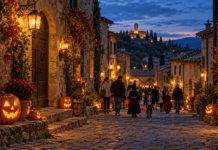
 Sunday morning in Italy has its own unmistakable rhythm. Church bells sound across towns and villages, pastry shops fill boxes with freshly made cakes, kitchens become fragrant with simmering sauces, and relatives begin asking the most important question of the day: A che ora si mangia? What time are we eating?
The answer may be one o’clock, but everyone understands that lunch will not be a hurried affair.
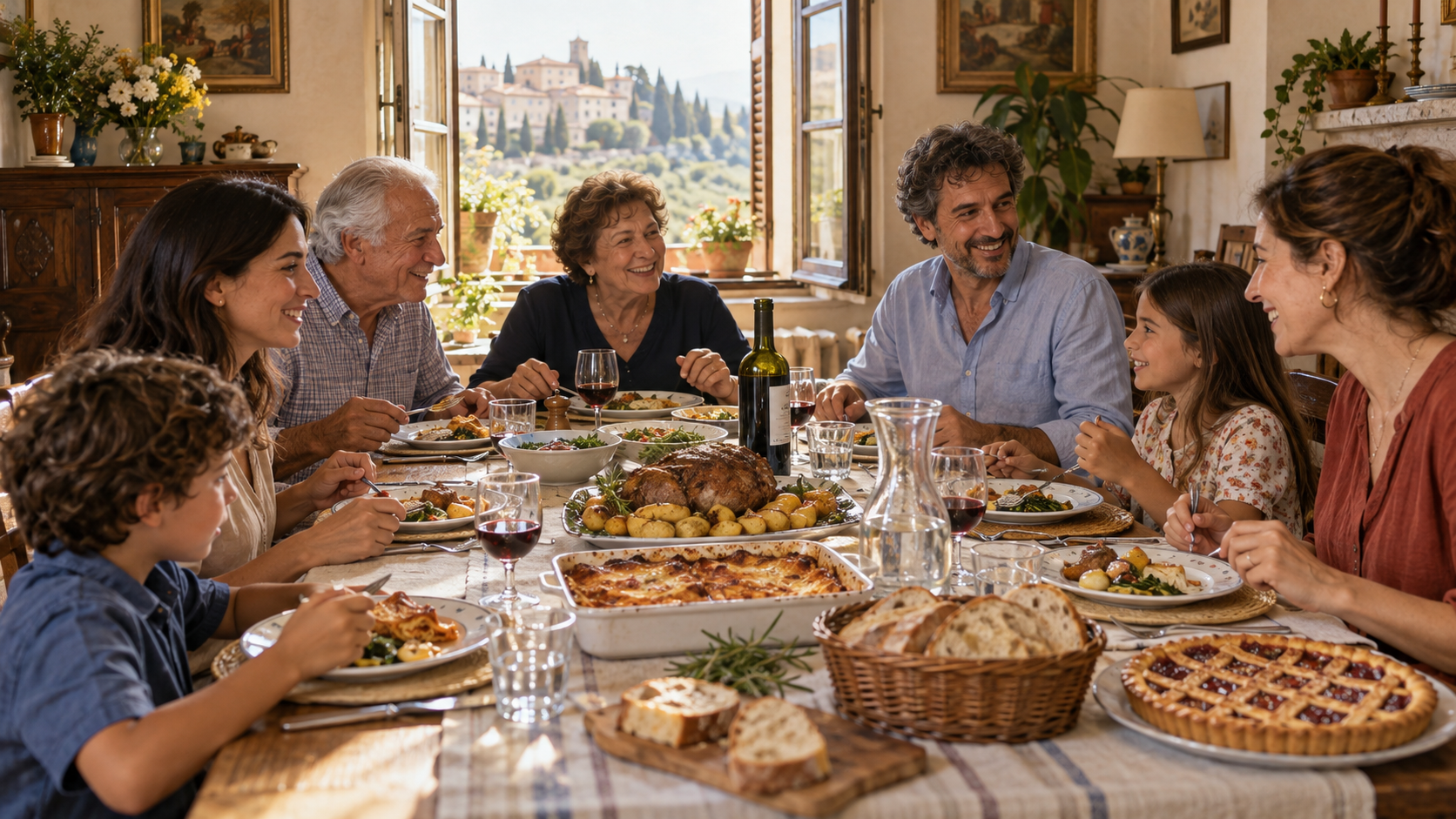
The Italian Sunday lunch—il pranzo della domenica—is one of the country’s most enduring family rituals. It can unfold around a grandmother’s dining table, inside a country restaurant, beneath a pergola or in a city apartment where extra chairs have been squeezed around the table. The dishes vary enormously from one region and household to another, but the purpose remains remarkably consistent: to bring people together.
For visitors accustomed to treating lunch as a quick midday break, the Italian Sunday meal can be a revelation. It is not merely about eating more food than usual. It is about making time for family, conversation, memory and the pleasures of the table.
What Is the Italian Sunday Lunch?
Pranzo della domenica literally means “Sunday lunch.” Traditionally, it is the week’s most important shared family meal, often beginning between 12:30 and 1:30 in the afternoon and continuing for several hours.
Not every Italian family gathers for a large lunch every Sunday, and modern schedules have inevitably changed the custom. Nevertheless, the tradition remains deeply familiar throughout the country. Birthdays, anniversaries, baptisms, communions and other celebrations are frequently incorporated into the Sunday gathering, but the meal does not need a special occasion. Being Sunday can be reason enough.
A traditional Sunday lunch generally differs from an ordinary weekday meal in several ways:
- More people are invited.
- Additional courses are served.
- The dishes require longer preparation.
- The table is more carefully set.
- Wine is more likely to be opened.
- Nobody is expected to leave immediately after eating.
The gathering may include grandparents, children, grandchildren, aunts, uncles, cousins and family friends. In many homes, one person—often, but certainly not always, the grandmother or mother—has historically directed the cooking. Other relatives arrive carrying bread, wine, pastries or a dish prepared in their own kitchen.
The result is both a meal and a weekly reunion.
Why Sunday Lunch Matters in Italian Culture
The cultural importance of Sunday lunch cannot be understood simply by counting its courses. Its real value lies in what happens between them.
Italian families, like families everywhere, may live in different towns, work demanding hours and disagree about politics, relationships, money or football. The Sunday table creates a recurring place where those separate lives meet again. News is exchanged, children are fussed over, old stories are repeated, and family decisions may be discussed—sometimes peacefully and sometimes with considerable animation.
Meals also transmit knowledge. Children observe how pasta is made, how vegetables are cleaned and how a particular sauce should taste. Recipes are rarely passed down through precise written instructions. They are learned by watching, tasting and hearing phrases such as “until the dough feels right” or “add enough flour.”
This relationship among cooking, memory and community helps explain why Italian food cannot be reduced to a list of famous recipes. In 2025, UNESCO inscribed Italian cooking, between sustainability and biocultural diversity on its Representative List of the Intangible Cultural Heritage of Humanity. The recognition concerns Italian cooking as a cultural and social practice—not the Sunday lunch by itself—but the values UNESCO describes are clearly visible around the Sunday table: knowledge shared across generations, respect for ingredients, regional diversity and food as a means of strengthening social relationships.
The meal belongs to the same broader culture celebrated in Italia Mia’s guides to Italian coffee culture, the Italian passeggiata and la bella figura: everyday rituals through which Italians turn ordinary moments into expressions of identity.
The Traditional Courses of an Italian Sunday Lunch
A full Italian Sunday lunch may include antipasti, a first course, a second course with side dishes, fruit, dessert, coffee and a digestif. However, this is not a fixed national menu. Some families serve every course, while others prepare only a substantial primo, a secondo and dessert.
The guiding principle is progression. Each dish has its place, and portions are generally smaller than those served when a single plate constitutes the entire meal.
Aperitivo
The gathering may begin with an aperitivo while the final preparations are completed. Guests might receive prosecco, a Spritz, vermouth or a nonalcoholic drink accompanied by olives, nuts, potato chips or small savory bites.
This stage is informal and sociable. People greet one another, inspect what is happening in the kitchen and attempt to sample food before it officially reaches the table. Anyone interested in the wider custom can read Italia Mia’s guide to the Italian aperitivo.
Antipasto
The antipasto opens the meal and is intended to stimulate the appetite rather than satisfy it completely. Its contents depend heavily on the region and season.
A typical antipasto might include:
- Prosciutto, salami or other regional cured meats
- Local cheeses
- Olives and vegetables preserved in oil
- Bruschette or crostini
- Marinated anchovies
- Seafood salad
- Fried zucchini flowers
- Small slices of savory pie
In Piedmont, the table might feature vitello tonnato or peppers with anchovy sauce. In Tuscany, crostini topped with chicken-liver spread are common. Coastal families may begin with mussels, octopus or marinated fish, while southern tables frequently include an abundant selection of fried and preserved vegetables.
Primo Piatto
The primo is the first substantial course. It normally consists of pasta, risotto, gnocchi, polenta or soup rather than meat or fish.
Sunday primi are often more elaborate than weekday pasta dishes. Fresh egg pasta may be rolled and filled by hand. Ragù may simmer for hours. Lasagne and other baked dishes can be assembled in advance, making them especially suitable for feeding a large family.
Popular Sunday first courses include:
- Lasagne alla Bolognese
- Tagliatelle al ragù
- Tortellini or cappelletti in broth
- Cannelloni filled with meat or ricotta and spinach
- Ravioli with butter and sage
- Pasta al forno
- Gnocchi with ragù or tomato sauce
- Risotto with mushrooms, saffron or seasonal vegetables
- Timballo di pasta
- Baked anelletti in Sicily
Pasta portions are usually calibrated with the rest of the meal in mind. A guest who accepts a third helping of lasagne may discover too late that roast meat, potatoes, fruit and dessert are still to come.
Secondo Piatto
The secondo is based on meat, poultry, fish or, less traditionally, a substantial vegetarian preparation. It is served after the first course and usually arrives without pasta or rice.
Common Sunday second courses include:
- Roasted chicken with herbs
- Veal roast
- Beef braised in wine
- Rabbit with olives or herbs
- Pollo alla cacciatora
- Lamb with garlic and rosemary
- Stuffed meat rolls
- Fried or roasted fish
- Saltimbocca alla Romana
- Polpette cooked in sauce
Italian-American readers may be surprised by the position of meatballs. In Italy, polpette are normally served as a second course or home-style dish rather than piled on top of spaghetti. Regional and family exceptions naturally exist, but “spaghetti and meatballs” as a single oversized plate is primarily associated with the Italian diaspora.
Contorni
Vegetables and other side dishes are known as contorni. They generally accompany the secondo and are served on a separate plate rather than mixed into the pasta course.
Depending on the season, the table might offer:
- Rosemary-roasted potatoes
- Sautéed spinach
- Grilled zucchini, peppers or eggplant
- Artichokes
- Fennel salad
- Peas with onions
- Wild greens
- Green salad dressed with olive oil and vinegar
- Oven-roasted seasonal vegetables
The contorno provides balance after the richness of baked pasta, ragù or roasted meat. Seasonal produce also roots the meal in a specific place and time of year.
Bread
Bread is present throughout the meal, but it has particular uses. It accompanies antipasti, vegetables and meat, and it may be used at the end to collect a delicious sauce from the plate—a gesture known as fare la scarpetta.
The expression literally evokes making a “little shoe” from a piece of bread. Although etiquette varies according to the setting, la scarpetta is widely accepted at an informal family table, especially when the cook considers a clean plate the highest compliment.
Bread is generally not eaten alongside pasta merely as an additional starch, and butter is rarely placed on an everyday Italian table.
Fruit
A bowl or platter of seasonal fruit often arrives before dessert. Oranges, mandarins, grapes, figs, peaches, cherries or melon may be peeled and shared while the conversation continues.
To visitors already expecting cake, the appearance of fruit can suggest that the meal is ending. It usually is not.
Dolce
Sunday dessert may be homemade, purchased from a trusted pasticceria or brought by a guest. It could be a regional cake, a fruit tart, pastries, semifreddo, panna cotta or Italy’s internationally beloved tiramisu.
Typical choices include:
- Crostata filled with jam or pastry cream
- Torta della nonna
- Tiramisù
- Cannoli or cassata in Sicily
- Pastiera during the Easter season
- Panettone or pandoro at Christmas
- Zeppole around Saint Joseph’s Day
- Gelato during warmer months
- A tray of assorted paste from the local pastry shop
Bringing dessert is usually a welcome gesture when invited to someone’s home, but it is wise to ask first. The host may already have planned a particular sweet for the occasion.
Coffee and Digestivo
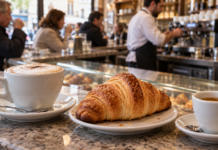
The meal closes with espresso. Italian coffee after lunch is generally short, strong and unsweetened or lightly sweetened. Cappuccino is associated with breakfast and is rarely the natural conclusion to a large meal.
After coffee, adults may be offered a digestivo: amaro, grappa, limoncello, sambuca or another regional liqueur. Despite the name, these drinks should be enjoyed for flavor and tradition rather than regarded as medically necessary digestive remedies.
Conversation often continues after the cups have been cleared. Cards may appear, children may return to playing, and someone will eventually ask whether anybody wants another slice of cake.
Regional Sunday Lunch Traditions
There is no single authentic Sunday lunch for all of Italy. The country’s culinary identity is profoundly regional, shaped by climate, agriculture, history and local ingredients.
Even neighboring towns can disagree about how a traditional dish should be prepared. The following examples are therefore possibilities rather than rigid regional rules.
Piedmont
A Piedmontese Sunday table may begin with vitello tonnato, Russian salad or peppers with bagna càuda. The primo could be agnolotti del plin, followed by brasato al Barolo, beef slowly braised in wine. Hazelnut desserts or bonet, a chocolate and amaretti pudding, may complete the meal.
Lombardy
Risotto is more likely to take center stage in Lombardy, particularly risotto alla Milanese. Other possibilities include casoncelli, polenta, ossobuco and slow-cooked meat dishes. Panettone appears during the Christmas season, but local cakes and simple pastries are served throughout the year.
Emilia-Romagna
Emilia-Romagna offers some of the most recognizable Sunday dishes in Italy. Handmade tagliatelle with ragù, lasagne, tortellini in broth and cappelletti are natural choices for the primo. The meal may continue with bollito misto, roasted meats or cotoletta alla Bolognese.
The preparation of fresh pasta can become part of the gathering itself, with relatives rolling dough and shaping tortellini before sitting down to eat.
Liguria
A Ligurian meal may feature focaccia, vegetable pies, pansotti with walnut sauce, ravioli or pasta dressed with pesto. Stuffed vegetables, rabbit alla Ligure and local fish reflect the region’s relationship with both the mountains and the sea.
Tuscany
Tuscan Sunday cooking is direct, seasonal and deeply connected to the countryside. Crostini di fegatini may precede pappardelle with wild-boar sauce, ribollita or another substantial primo. Roast meats, arista di maiale and grilled steak may follow, accompanied by beans or roasted potatoes.
Lazio
In Rome and the surrounding region, the Sunday table might include fettuccine with ragù, baked pasta, gnocchi, cannelloni or one of the city’s famous pasta dishes. Abbacchio, saltimbocca, oxtail or chicken alla Romana may serve as the secondo. Artichokes are essential when in season.
Campania
Campanian Sunday lunch is closely associated with long-cooked ragù, which perfumes the house for hours. The sauce dresses pasta first, while the meat is served separately as the secondo.
Other possibilities include lasagne Napoletane, pasta al forno, mozzarella, parmigiana di melanzane and rich pastries from the region’s celebrated confectionery tradition. In Naples, the Sunday ragù is not simply tomato sauce with meat; it is a slow ritual that rewards patience.
Puglia
In Puglia, baked pasta, orecchiette, stuffed vegetables, lamb, braciole and seasonal greens may appear. The meal reflects the region’s agricultural abundance, with excellent olive oil, bread, vegetables and cheeses playing roles as important as meat.
Calabria
A Calabrian family might serve baked pasta, fileja with a rich sauce, eggplant dishes, spicy sausage or meat cooked with peppers. Preserved vegetables and foods seasoned with peperoncino frequently enliven the antipasto.
Sicily
Sicilian Sunday tables vary dramatically across the island. Pasta alla Norma, baked anelletti, pasta con le sarde, involtini, caponata, meat rolls and seafood are among the many possibilities. Dessert could mean cannoli, cassata, almond pastries or seasonal sweets tied to a religious feast.
When cooking for a large group is impractical, some families choose an agriturismo, where numerous antipasti and regional dishes may arrive over the course of a long rural lunch.
Sardinia
In Sardinia, a Sunday meal may include malloreddus, culurgiones, fregola, lamb or porceddu, depending on the area and occasion. Pane carasau, pecorino and local sweets further express the island’s distinct pastoral heritage.
Sunday Lunch at Home, in a Trattoria or at an Agriturismo
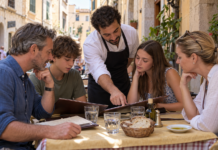
The classic image of Sunday lunch centers on the family home, but Italians also gather in restaurants. A neighborhood trattoria may offer traditional dishes without the formality of fine dining, while a countryside agriturismo can transform lunch into an afternoon excursion.
Agriturismi are particularly attractive to extended families. They often provide generous fixed menus, regional ingredients and outdoor space where children can play between courses. Reservations are advisable, especially on holidays such as Easter, Mother’s Day and during popular local festivals.
Travelers hoping to experience a genuine Sunday lunch should look beyond restaurants that advertise continuous all-day service. Traditional establishments generally have defined lunch hours, and the best family-run places may fill quickly.
A good approach is to ask a hotel owner, host or local shopkeeper: Dove andreste voi per il pranzo della domenica?—Where would you go for Sunday lunch?
Etiquette When Invited to an Italian Sunday Lunch
An invitation to Sunday lunch is an invitation into family life. Guests do not need to memorize complicated rules, but a few gestures are appreciated.
Arrive Close to the Agreed Time
Extreme punctuality is not always expected at an informal gathering, but arriving very late can disrupt carefully timed dishes. If lunch is at one, appearing between one and one-fifteen may be acceptable, depending on the family. Arriving at two without warning is not.
Bring Something—but Ask First
Wine, flowers, chocolates or pastries are thoughtful choices. Ask whether dessert has already been arranged before arriving with a large cake. If bringing wine, do not assume that the bottle will necessarily be opened during the meal; the host may already have selected wines for the menu.
Compliment the Cook
Sincere appreciation matters. Ask how a dish was made, notice a special ingredient or accept a modest second helping if you genuinely want one. Food is often an expression of hospitality and affection, so a completely indifferent response may seem colder than intended.
Pace Yourself
A Sunday lunch is a marathon disguised as a meal. Begin with small portions, particularly when several antipasti appear. Refusing a little food politely is easier than leaving half a plate untouched.
Useful phrases include:
- Era tutto buonissimo, ma sono pieno. — Everything was delicious, but I’m full.
- Solo un pochino, grazie. — Just a little, thank you.
- Posso assaggiarne un po’? — May I taste a little?
- Complimenti alla cuoca! — Compliments to the cook!
Do Not Rush Away
Unless you have explained your schedule in advance, leaving immediately after dessert can feel abrupt. Coffee and conversation are part of the invitation. The post-meal period may last almost as long as the formal meal.
Offer to Help
Offering to clear the table is considerate, even if the host refuses. In some families, guests are firmly instructed to remain seated; in others, the kitchen becomes the liveliest room in the house.
A Sample Italian Sunday Lunch Menu
For readers who would like to recreate the tradition at home, the following menu is festive without requiring an impossible number of dishes.
Aperitivo
Prosecco or sparkling water with olives and toasted almonds
Antipasto
Bruschetta with tomatoes and basil
Prosciutto with seasonal fruit
Marinated vegetables
Primo
Lasagne alla Bolognese or baked pasta with tomato, mozzarella and eggplant
Secondo
Chicken roasted with rosemary, garlic and lemon
Contorni
Rosemary potatoes
Green salad with extra-virgin olive oil and wine vinegar
Dolce
Tiramisù or a jam-filled crostata
To Finish
Espresso
Limoncello or amaro, if desired
The goal is not to prepare the maximum possible amount of food. It is to select dishes that can be prepared partly in advance so that the host can sit at the table instead of spending the entire afternoon in the kitchen.
How to Recreate the Tradition Outside Italy
An authentic Sunday lunch does not require imported tableware, a formal dining room or a grandmother who began making ragù at six in the morning. Its most important ingredient is unhurried time.
Choose a menu connected to one region rather than combining famous dishes from across Italy indiscriminately. A coherent Emilian meal of antipasto, lasagne and roast meat will feel more rooted than a menu that places Roman carbonara beside Sicilian arancini and Venetian seafood simply because all three are Italian.
Use seasonal ingredients, serve modest portions and allow pauses between courses. Set out water and wine, put phones away and invite guests who enjoy conversation. Children do not need to remain perfectly silent; their presence and movement are part of the atmosphere of a family gathering.
Most importantly, sit down. The host should participate in the meal rather than treating it as a catering performance.
Is the Italian Sunday Lunch Disappearing?
The tradition is changing, but that does not necessarily mean it is disappearing.
Smaller families, work schedules, migration and modern lifestyles make it difficult for every generation to assemble each week. Younger Italians may alternate between parents and in-laws, meet at a restaurant or reserve the large gathering for once or twice a month. Some prepare lighter menus, accommodate vegetarian diets or replace the classic multi-course format with a single elaborate dish.
The people doing the cooking have changed as well. The Sunday kitchen is no longer automatically the responsibility of the family matriarch. Men, younger relatives and guests increasingly share the work, while restaurant meals allow everyone to enjoy the gathering without assigning one person an exhausting day of preparation.
Yet the central desire remains recognizable: to stop, gather and eat together. Traditions survive not by remaining frozen but by adapting without losing their meaning.
More Than a Meal
The Italian Sunday lunch is sometimes romanticized as a perfect scene: a long table beneath the vines, a pot of sauce on the stove and several generations laughing together. Real family meals are more complicated. People interrupt one another, recipes provoke disagreement, children complain, and someone invariably mentions a subject everyone else hoped to avoid.
That imperfection is precisely what makes the ritual authentic.
Pranzo della domenica is not a staged performance of Italian life. It is Italian life compressed around a table—regional, affectionate, noisy, generous and occasionally chaotic. Its courses provide the structure, but its true substance is time willingly given to other people.
For travelers, understanding Sunday lunch offers a deeper view of Italy than any list of famous foods. For Italian descendants abroad, recreating it can reconnect family members with memories and traditions carried across generations. For everyone else, it offers a simple and valuable lesson: a meal becomes meaningful when nobody is in a hurry for it to end.
Related Italia Mia Articles
- Italian Coffee Culture: Espresso, Cappuccino and the Italian Bar
- The Italian Passeggiata: The Art of the Evening Stroll
- La Bella Figura: The Italian Art of Making a Good Impression
- Italian Culture: An Introduction
- Explore More Italian Cuisine on Italia Mia
External Links
- UNESCO: Italian Cooking, Between Sustainability and Biocultural Diversity
- Italia.it: Official Tourism Website of Italy
- Accademia Italiana della Cucina
- Slow Food International