 When Is the Best Time to Visit Italy?
Ask ten experienced travelers for the best time to visit Italy and you may receive ten different answers.
That’s because there really isn’t one perfect month for the entire country.
Italy stretches from the Alps to islands deep in the Mediterranean. While visitors may be skiing beneath the Dolomites, people in Sicily can be sitting outside enjoying a mild afternoon.
The best time to visit therefore depends on where you’re going and what you want to do.
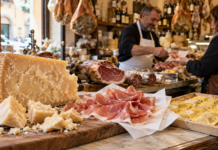
For a food-focused trip, combine Florence with a Tuscan hill town, or choose Bologna as a base for visits to Parma and Modena. Cinque Terre can also be rewarding for hiking, but check trail conditions after rain.
For sightseeing in Rome, Florence and Venice, April, May, September and October are generally among the most attractive months.
For beaches, consider June through September.
For skiing, look toward December through March.
For food, wine and harvest experiences, September through November can be exceptional.
For fewer tourists and potentially lower accommodation prices in the great art cities, November through February deserves much more consideration than it normally receives.
And if you’re traveling on a limited budget, season can make an enormous difference. See our Italy on a Budget guide for more ways to reduce the cost of an Italian vacation.
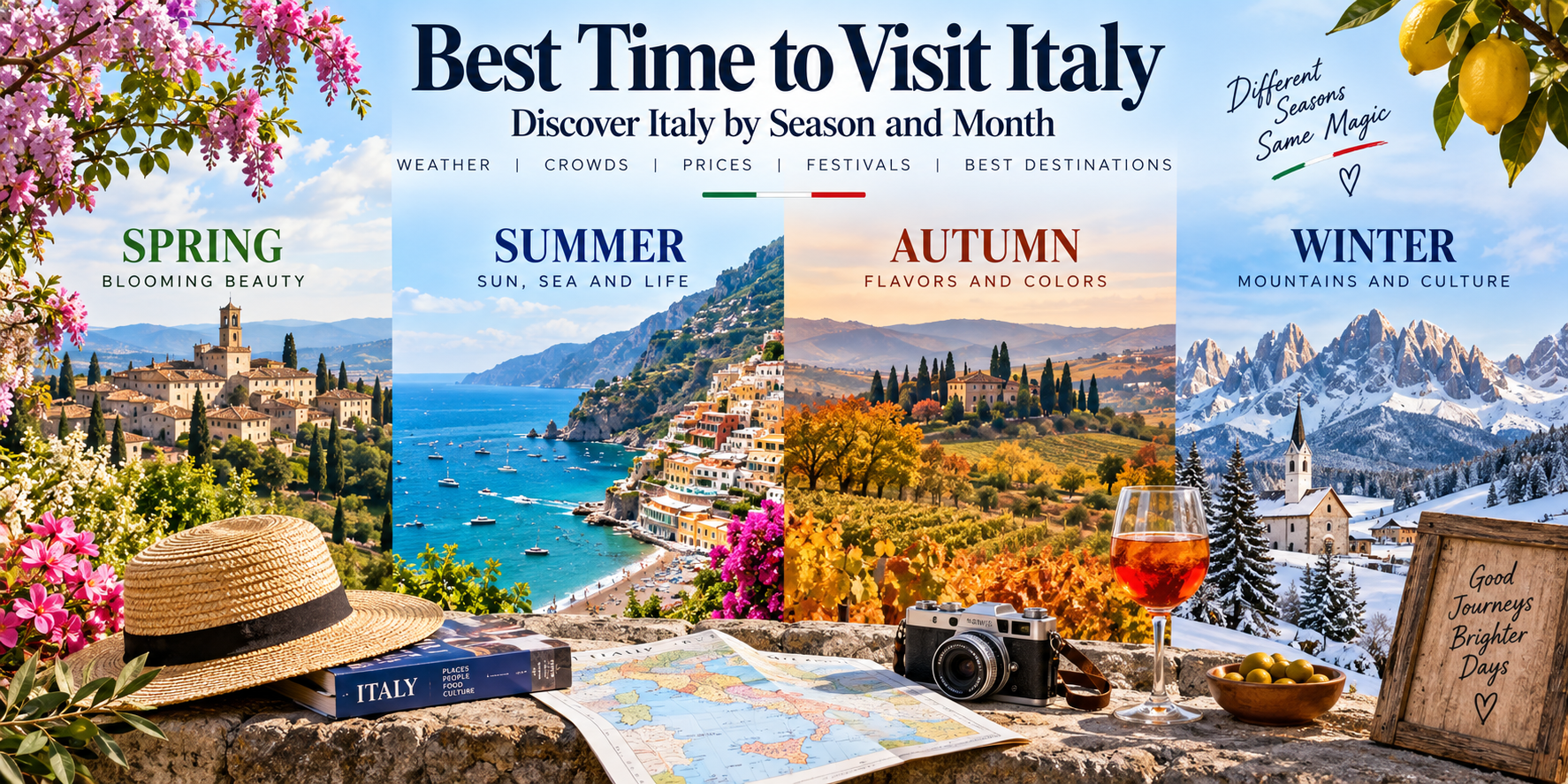
Italy’s Four Travel Seasons at a Glance
| Season | Best For | Main Advantages | Main Disadvantages |
|---|---|---|---|
| Spring | Cities, countryside, hiking | Mild weather, green landscapes | Easter crowds, variable rain |
| Summer | Beaches, islands, mountains | Long days, warm sea, festivals | Heat, crowds, higher prices |
| Autumn | Food, wine, cities, countryside | Harvests, pleasant weather | Increasing rain later in season |
| Winter | Skiing, museums, city breaks | Fewer crowds in cities | Short days, cold/rain in many areas |
For many first-time visitors, late April through May and September through early October offer the best overall compromise.
But those aren’t necessarily the best months for everyone.
Spring in Italy: March, April and May
Spring is one of Italy’s great travel seasons.
The countryside becomes green, flowers appear, outdoor cafés return to life and temperatures become increasingly comfortable for walking.
It’s particularly attractive for travelers planning a cultural vacation involving cities and countryside.
March
March is a transitional month.
Northern Italy can still feel decidedly wintry, particularly near the Alps, while southern Italy begins moving toward spring.
Rome and Florence can experience beautiful sunny days mixed with rain and cooler periods.
The advantage is that many destinations remain less crowded than they will become later in spring.
Good destinations in March:
- Rome
- Florence
- Naples
- Sicily
- Bologna
- Turin
March can also work well for museum-focused trips.
April
April is one of the best months for sightseeing in Italy.
Temperatures become more comfortable, the countryside is green and the intense summer heat hasn’t arrived.
Tuscany, Umbria and central Italy can be especially attractive.
However, Easter can create a substantial spike in visitors, particularly in Rome and Vatican City.
If Easter falls during your travel dates, book transportation and accommodation well in advance.
Good destinations in April:
- Rome
- Florence
- Tuscany
- Umbria
- Venice
- Naples
- Sicily
- Puglia
May
May is arguably one of Italy’s finest all-around travel months.
Days are longer, temperatures are usually pleasant and most destinations are fully active for the tourism season.
It’s warm enough to enjoy coastal destinations, although sea temperatures may still feel cool to some swimmers.
The disadvantage?
The secret is out.
May is no longer an obscure shoulder-season bargain in famous destinations. Rome, Florence, Venice and the Amalfi Coast can already be busy.
Good destinations in May:
- Almost all major cities
- Tuscany
- Umbria
- Puglia
- Sicily
- Sardinia
- Cinque Terre
- Amalfi Coast
- Italian Lakes
Best Reasons to Visit Italy in Spring
Spring is particularly good for:
- Walking and sightseeing
- Gardens
- Cycling
- Hiking at lower elevations
- Tuscany and Umbria
- Archaeological sites
- City breaks
- Outdoor dining
If you’re planning your first Italian vacation, spring is difficult to beat. Our Italy for First-Time Visitors guide can help you build the rest of your itinerary.
Summer in Italy: June, July and August
Summer is Italy’s classic vacation season.
The days are long. Beaches are active. Restaurants spill onto terraces. Outdoor festivals, concerts and village celebrations fill the calendar.
It’s also the season that requires the most strategic planning.
June
June may be the best summer month for travelers who want warm weather without necessarily encountering the extremes of July and August.
Beach destinations come alive, mountain hiking becomes increasingly accessible and evenings are wonderfully long.
June can nevertheless be very busy in major destinations.
Good destinations in June:
- Sardinia
- Sicily
- Puglia
- Amalfi Coast
- Liguria
- Tuscany
- Italian Lakes
- Dolomites
- Rome, Florence and Venice
July
July means summer in earnest.
Expect hot conditions in much of central and southern Italy.
Rome, Florence and other inland cities can become uncomfortable during the hottest part of the afternoon.
This is the time to adopt a more Italian rhythm:
Sightsee early.
Have a long lunch.
Slow down during the hottest hours.
Go out again in late afternoon and evening.
July is excellent for:
- Beaches
- Islands
- Lakes
- Mountains
- Outdoor events
It’s less ideal for travelers who dislike heat and crowds.
August
August is unusual because international and Italian vacation patterns collide.
Ferragosto on August 15 sits at the heart of the traditional Italian summer holiday period.
Coastal resorts, islands and mountain destinations can be extremely busy.
Some businesses in major cities may close for vacation, although tourist areas remain active.
August can also bring intense heat to cities such as Rome and Florence.
For beaches and mountain vacations, however, August is peak season for a reason.
Good destinations in August:
- Dolomites
- Alps
- Sardinia
- Sicily’s coastal areas
- Puglia
- Calabria
- Italian Lakes
- Mountain villages
For a primarily museum-and-monuments vacation in Rome and Florence, I would choose another month if your schedule allows.
Is Italy Too Hot in Summer?
Sometimes, yes.
Heat waves can push temperatures considerably above seasonal averages.
Cities with extensive stone paving and limited shade can feel particularly hot.
If traveling in summer:
- Book accommodation with air conditioning
- Carry water
- Plan outdoor sightseeing for mornings and evenings
- Wear sun protection
- Allow more rest time
- Avoid excessively ambitious itineraries
Italy shouldn’t be treated like an amusement park where every waking hour must be filled with attractions.
Sometimes the best decision at 2:00 p.m. in July is lunch followed by absolutely nothing.
Italy’s Beaches: When Should You Go?
For a traditional beach vacation, June through September is the principal period.
July and August offer the warmest classic summer atmosphere but also the largest crowds.
June can provide a good balance.
September is particularly appealing because the sea retains summer warmth while many destinations begin becoming less crowded after the August peak.
Excellent beach regions include:
- Sardinia
- Sicily
- Puglia
- Calabria
- Campania
- Liguria
- Tuscany
- Marche
For destination ideas, browse our 25 Best Places to Visit in Italy.
Autumn in Italy: September, October and November
Autumn may be Italy’s most rewarding season for travelers interested in food, wine and countryside.
Vineyards change color. Grapes are harvested. Truffles appear. Chestnuts return. Olive harvests begin in many areas.
Meanwhile, the oppressive heat of midsummer retreats.
September
September is one of my strongest recommendations for Italy.
The beginning of the month can still feel very much like summer.
Beaches remain attractive, the sea is warm and coastal destinations continue operating at full pace.
As the month progresses, conditions often become increasingly pleasant for city sightseeing.
Good destinations in September:
- Rome
- Florence
- Venice
- Tuscany
- Sicily
- Sardinia
- Puglia
- Amalfi Coast
- Cinque Terre
- Italian Lakes
The downside is that September is now extremely popular. Don’t assume it automatically means empty attractions or bargain hotels.
October
October can be superb.
The weather is cooler, autumn colors begin transforming the countryside and harvest-related food experiences become a major attraction.
Tuscany, Umbria, Emilia-Romagna and Piedmont are particularly rewarding.
Piedmont becomes especially interesting during truffle season.
Good destinations in October:
- Tuscany
- Piedmont
- Umbria
- Bologna and Emilia-Romagna
- Rome
- Florence
- Venice
- Sicily
Pack layers and be prepared for rain.
November
November is one of Italy’s quieter travel months.
Weather becomes less predictable and daylight hours shorten, but there are significant advantages.
Major cultural destinations can be considerably more manageable than during peak season.
November is particularly suitable for travelers interested in:
- Museums
- Food
- Art
- Churches
- Archaeology
- City life
It is less suitable for someone dreaming primarily of beaches and outdoor coastal living.
Good destinations in November:
- Rome
- Florence
- Bologna
- Turin
- Naples
- Palermo
- Venice for cultural travel
Food and Wine: Why Autumn Is Special
Italy’s cuisine is deeply seasonal.
Autumn brings some of the country’s most celebrated ingredients and traditions.
Depending on region and timing, travelers may encounter:
- Grape harvests
- New wine
- White truffles
- Porcini mushrooms
- Chestnuts
- Pumpkins
- Game dishes
- New olive oil
Piedmont is famous for truffles and wine.
Tuscany enters harvest season.
Umbria produces celebrated olive oil.
Emilia-Romagna is wonderful for food-focused city travel.
Sicily has its own autumn harvest traditions.
If food determines where you travel, October and November deserve serious consideration.
Winter in Italy: December, January and February
Winter is frequently overlooked by international visitors.
That can be a mistake.
Italy essentially becomes two different winter destinations.
In the mountains, it’s ski season.
In the art cities, it’s quieter cultural season.
December
December brings Christmas markets, lights, Nativity scenes and seasonal traditions.
Northern mountain destinations become increasingly busy as ski season develops.
Cities such as Rome, Florence and Bologna take on a festive atmosphere.
Christmas and New Year themselves can be busy and expensive, so don’t assume the entire month represents low season.
Good destinations in December:
- Rome
- Florence
- Naples
- Bologna
- Turin
- Dolomites
- South Tyrol
- Milan
January
After the Christmas and New Year period, January can be an excellent month for museum-oriented city travel.
It’s cold, daylight is limited and weather can be wet.
But you’ll experience a very different Italy from the one seen in July.
January is also prime time for winter sports.
Good destinations in January:
- Dolomites
- Alps
- Turin
- Rome
- Florence
- Bologna
- Naples
February
February continues winter conditions, but it also brings one of Italy’s most famous seasonal events:
Carnevale.
Venice is internationally famous for its elaborate Carnival celebrations, while towns and cities throughout Italy hold their own events.
February can therefore alternate between very quiet periods and intense local tourism around Carnival.
Good destinations in February:
- Venice for Carnevale
- Dolomites
- Alps
- Rome
- Florence
- Sicily for a milder winter experience
Italy for Skiing: When to Go
Italy has outstanding winter-sports destinations across the Alps and Dolomites.
The main ski season generally runs through the winter months, although exact conditions vary considerably by altitude, resort and year.
Major areas include:
- Dolomites
- Cortina d’Ampezzo
- Val Gardena
- Alta Badia
- Madonna di Campiglio
- Cervinia
- Courmayeur
- Livigno
Always check current snow and lift conditions before booking a ski trip.
Best Time to Visit Rome
Best overall: April–May and September–October.
Rome can be visited year-round.
Spring and autumn generally provide the best combination of comfortable sightseeing weather and long enough days.
July and August can be extremely hot.
January and February can be excellent for travelers whose priority is museums, churches, archaeology and food rather than outdoor café weather.
Best Time to Visit Florence and Tuscany
Best overall: April–May and September–October.
Spring brings green landscapes.
Early autumn offers harvest atmosphere and comfortable sightseeing.
Summer is beautiful but Florence can become hot, while famous Tuscan destinations receive large numbers of visitors.
For countryside travel, a rental car can be useful. Read our Driving in Italy for Tourists guide before renting.
Best Time to Visit Venice
Best overall: April–May and September–October.
Venice can become extremely crowded during summer.
Winter offers a fascinating alternative for visitors who don’t mind cold, damp conditions and shorter days.
Carnevale creates its own high-demand period in February or early March, depending on the year’s calendar.
Best Time to Visit the Amalfi Coast
Best overall: May–June and September.
July and August provide classic Mediterranean summer conditions but also heavy tourism.
May and June offer beautiful weather before the height of the season, while September combines warm sea temperatures with the beginning of a slower atmosphere.
Many hotels and tourism businesses operate seasonally, so very late autumn and winter provide a substantially different experience.
Best Time to Visit Sicily
Best overall: April–June and September–October.
Sicily’s long warm season makes it particularly attractive outside July and August.
Spring is excellent for archaeological sites and cities.
September remains excellent for swimming.
Autumn can be wonderful for food and cultural travel.
Winter is much quieter and generally milder than northern Italy, although it is not a conventional beach season.
Best Time to Visit Sardinia
Best overall: June and September for a beach-oriented trip.
July and August are peak beach season and can be expensive in the most fashionable areas.
May can be beautiful for exploring the island, although swimming conditions vary.
September is particularly attractive because the sea remains warm.
Best Time to Visit Puglia
Best overall: May–June and September–October.
Puglia can become extremely hot during high summer.
Spring and early autumn are excellent for combining beaches, towns, food and road trips.
July and August are best for travelers whose priority is a full Mediterranean summer experience.
Best Time to Visit the Dolomites
There are essentially two best times, depending on what you want.
Summer: hiking and outdoor activities.
Winter: skiing and snow sports.
The periods between major summer and winter seasons can involve reduced tourism services and lift closures, so check the specific destination before traveling.
Best Time to Visit the Italian Lakes
Best overall: May–June and September.
Spring gardens can be spectacular.
Summer brings boating, swimming and outdoor activities but also larger crowds.
Early autumn can be particularly pleasant around Como, Garda and Maggiore.
Best Time to Visit Cinque Terre
Best overall: April–May and September–October.
Summer brings beautiful coastal weather but substantial visitor numbers.
Spring and autumn are particularly attractive for hiking, although trails can close because of weather or maintenance.
Always check current trail conditions.
Best Month for First-Time Visitors
If I had to recommend only two months for a first visit to Italy, I would choose:
May
or
September.
Both provide enough warmth for outdoor life while remaining more suitable for sightseeing than the hottest part of summer.
But neither should now be considered truly “uncrowded.”
Italy’s major destinations attract visitors across much of the year.
Best Time to Visit Italy on a Budget
For the lowest costs, look outside peak demand periods.
November, January and February can provide excellent value in many cities, excluding holidays, special events and ski destinations.
Late autumn and winter aren’t appropriate for every itinerary, but they’re excellent for cultural travel.
Shoulder periods can provide a better compromise between price and weather.
Our complete Italy on a Budget guide covers accommodation, trains, restaurants and daily travel costs in much greater detail.
Best Time to Avoid Crowds
There is no longer a magical month when Rome, Florence and Venice are completely empty.
However, generally quieter periods include:
- November
- January
- February outside Carnevale and ski destinations
- Early December before Christmas travel peaks
Even during busy months, timing matters.
Visit major outdoor attractions early in the morning.
Stay overnight in destinations overwhelmed by day-trippers.
Explore neighborhoods beyond the famous landmarks.
And consider less obvious Italian cities.
Best Time for a Road Trip
For most Italian road trips, spring and autumn are ideal.
Temperatures are more comfortable and rural landscapes can be spectacular.
May is excellent for Tuscany and Umbria.
September and October are wonderful for wine regions.
Southern Italy can work particularly well in spring and autumn.
If driving, familiarize yourself with ZTL zones, parking rules and Italian motorways through our Driving in Italy for Tourists and Italian Autostrade Guide.
Italy Month by Month: Quick Guide
| Month | Best For | Considerations |
|---|---|---|
| January | Skiing, museums, lower-season cities | Cold, short days |
| February | Skiing, Carnevale, city breaks | Cold; Venice busy around Carnevale |
| March | Cities, early spring, Sicily | Changeable weather |
| April | Cities, countryside, culture | Easter can be busy |
| May | Almost everything | Increasing visitor numbers |
| June | Beaches, cities, mountains | Busy but excellent weather |
| July | Beaches, islands, mountains | Heat and crowds |
| August | Beaches, mountains, Ferragosto | Peak domestic holiday season |
| September | Beaches, cities, countryside | Popular; book ahead |
| October | Food, wine, cities, autumn | More variable weather |
| November | Food, museums, quieter cities | Rain and shorter days |
| December | Christmas, skiing, cities | Holiday price spikes |
So, What Is the Best Time to Visit Italy?
For the broadest range of travelers:
May and September are the strongest all-around choices.
For sightseeing:
April–May and September–October.
For beaches:
June–September.
For skiing:
Winter.
For food and wine:
September–November.
For budget city travel:
November–February outside major holidays and events.
For avoiding the worst summer heat:
Spring and autumn.
But perhaps the most useful answer is this:
The best time to visit Italy is the time that matches the Italy you want to experience.
Someone dreaming about swimming off Sardinia and someone dreaming about skiing beneath the Dolomites shouldn’t receive the same recommendation.
Nor should someone planning a museum trip to Florence and someone hoping to hike through Tuscany.
Choose the experience first.
Then choose the season.
Related Italia Mia Guides
- Italy for First-Time Visitors
- 25 Best Places to Visit in Italy
- 10 Must-See Destinations in Italy
- Italy on a Budget
- Driving in Italy for Tourists
- Italy’s Best-Kept Secret Places Season by Season
External Links
For current weather, transportation, events and official tourism information:
- Italia.it — Official Italian Tourism Website
- Italian Air Force Meteorological Service
- Trenitalia — Official Rail Information
- Italian Ministry of Culture
- Musei Italiani — Official Italian Museum Portal