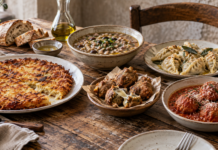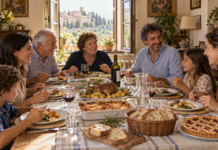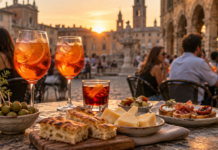

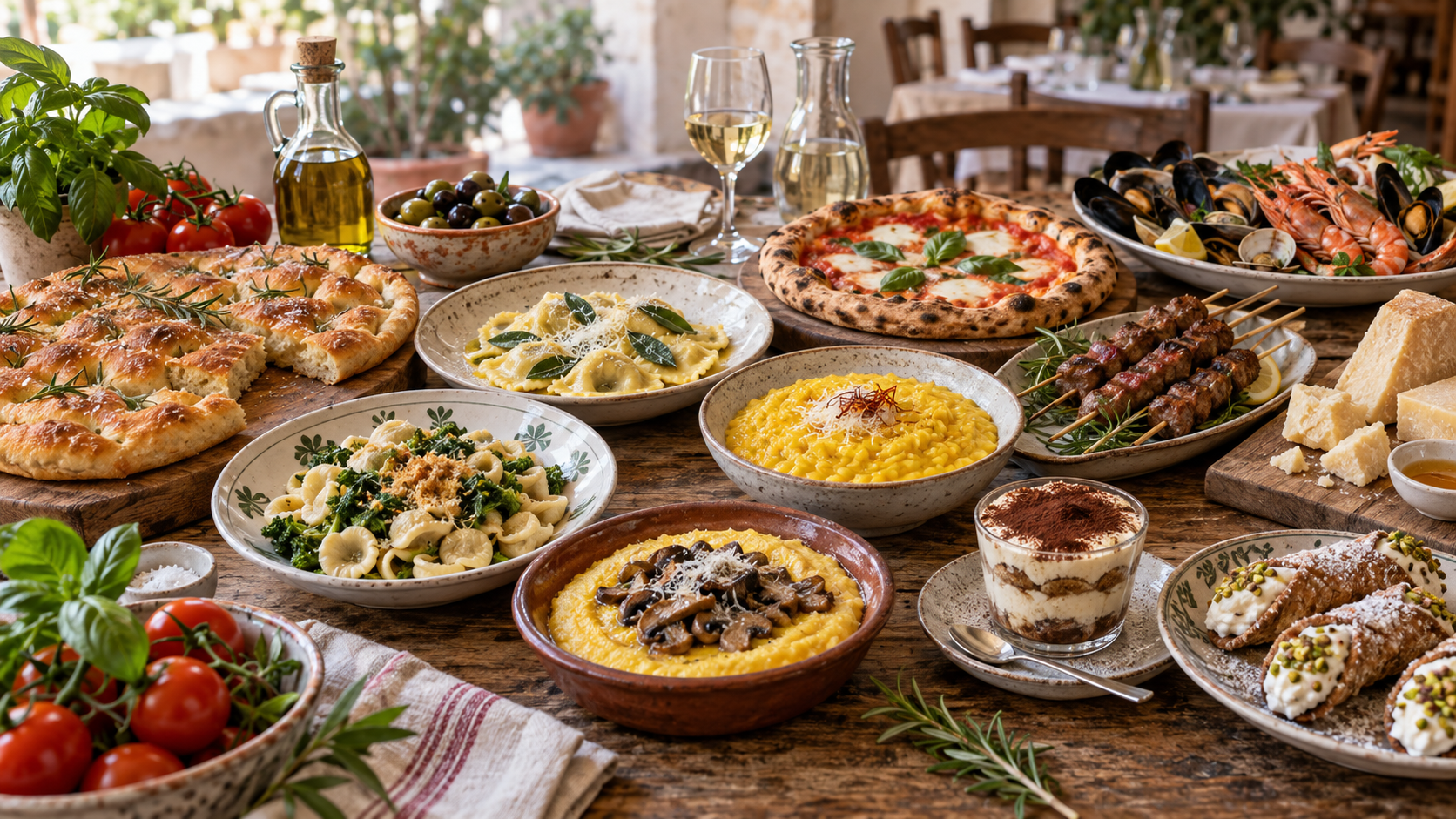
 Italy does not have just one national cuisine. Its cooking changes dramatically from the Alps to Sicily, shaped by climate, geography, agriculture, history and local identity.
Northern kitchens make generous use of butter, rice, polenta, filled pasta and mountain cheeses. Central Italy is known for handmade pasta, legumes, grilled meat and simple recipes rooted in rural life. Southern Italy and the islands bring tomatoes, durum-wheat pasta, olive oil, seafood, citrus fruit and bold Mediterranean flavors to the table.
The following guide introduces five specialties from each of Italy’s 20 regions—100 foods and dishes worth seeking out while traveling. It is not intended as a definitive ranking: every province, town and village could easily add dozens more.
For additional culinary inspiration, browse Italia Mia’s guides to Italian food and cuisine, the regions of Italy and Italian pasta traditions.
1. Valle d’Aosta
Italy’s smallest region sits among some of Europe’s highest mountains. Its substantial Alpine cooking relies on cheese, rye bread, polenta, butter and slow-cooked meat.
- Fonduta valdostana — A smooth fondue prepared with Fontina cheese, milk, butter and egg yolks, commonly served with toasted bread.
- Carbonade valdostana — Beef slowly braised with onions, spices and red wine until dark, tender and intensely flavorful.
- Polenta concia — Hot polenta enriched with melted Fontina cheese and butter, making it one of the region’s most comforting mountain dishes.
- Zuppa alla valpellinentze — A layered soup from Valpelline made with bread, cabbage, broth and Fontina, then baked until bubbling.
- Tegole valdostane — Thin, crisp biscuits traditionally made with almonds or hazelnuts and named “roof tiles” because of their shape.
2. Piedmont
Piedmontese cuisine combines country cooking with the sophisticated traditions of Turin’s historic courts. Hazelnuts, truffles, wine, beef and filled pasta are recurring ingredients.
- Bagna càuda — A warm dip made with anchovies, garlic and olive oil, served communally with raw or cooked seasonal vegetables.
- Vitello tonnato — Thin slices of chilled veal covered with a creamy tuna, anchovy and caper sauce.
- Agnolotti del plin — Small pinched pasta parcels filled with roasted meat and often served with butter, sage or meat juices.
- Brasato al Barolo — Beef slowly braised in Barolo wine with vegetables, herbs and spices.
- Bonet — A soft chocolate and amaretti pudding flavored with cocoa and sometimes a splash of rum.
3. Liguria
The narrow Ligurian coast produces a fragrant cuisine based on herbs, olive oil, vegetables, seafood and flatbreads. Its food is lighter than that of many neighboring northern regions.
- Trofie al pesto — Twisted pasta served with pesto Genovese, traditionally made from basil, garlic, pine nuts, cheese and olive oil.
- Focaccia genovese — A soft, dimpled flatbread generously seasoned with olive oil and salt, frequently eaten for breakfast or as a snack.
- Farinata — A thin, savory pancake made with chickpea flour, water, salt and olive oil, baked in a very hot oven.
- Pansoti con salsa di noci — Herb-filled pasta served with a creamy walnut, bread, garlic and cheese sauce.
- Coniglio alla ligure — Rabbit slowly cooked with olives, pine nuts, herbs and white wine.
4. Lombardy
Rice, butter, freshwater fish, polenta and cheese play important roles in Lombard cooking. The region includes the refined cuisine of Milan as well as the hearty dishes of its lakes, valleys and mountains.
- Risotto alla milanese — Creamy risotto colored and flavored with saffron, often served alongside ossobuco.
- Ossobuco alla milanese — Cross-cut veal shanks slowly braised with vegetables, wine and broth, traditionally finished with gremolata.
- Pizzoccheri — Buckwheat pasta from Valtellina layered with potatoes, cabbage, butter and melted local cheese.
- Casoncelli — Filled pasta associated especially with Bergamo and Brescia, usually served with melted butter, sage and cheese.
- Panettone — Milan’s tall, airy Christmas cake containing candied citrus peel and raisins.
5. Trentino-Alto Adige/Südtirol
This mountain region brings together Italian, Tyrolean and Central European influences. Apples, smoked meat, dumplings, rye bread and Alpine cheeses are widely used.
- Canederli — Bread dumplings mixed with ingredients such as speck, cheese or herbs and served in broth or with melted butter.
- Speck Alto Adige — Lightly smoked and cured pork with a distinctive balance of salt, herbs and wood smoke.
- Strangolapreti — Soft dumplings generally made with stale bread, spinach, egg and cheese, served with butter and sage.
- Carne salada — Lean beef cured with salt and spices, eaten raw in thin slices or lightly cooked.
- Strudel di mele — Thin pastry rolled around apples, raisins, cinnamon and breadcrumbs, reflecting the region’s Austrian heritage.
6. Veneto
Venetian cuisine stretches far beyond the city of Venice. The region’s tables feature rice, polenta, lagoon seafood, salt cod, handmade pasta and celebrated desserts.
- Baccalà mantecato — Salt cod whipped with oil until creamy and served on crostini or slices of grilled polenta.
- Sarde in saor — Fried sardines marinated with sweet-and-sour onions, vinegar, raisins and pine nuts.
- Risi e bisi — A traditional springtime dish halfway between risotto and soup, made with rice and fresh peas.
- Bigoli in salsa — Thick strands of pasta dressed with a deeply savory sauce of slowly cooked onions and salted fish.
- Tiramisù — Layers of coffee-soaked ladyfingers and mascarpone cream dusted with cocoa. Learn more about its story in Italia Mia’s complete tiramisù guide.
7. Friuli-Venezia Giulia
Located between the Adriatic and Central Europe, Friuli-Venezia Giulia blends Italian, Slavic and Austrian culinary traditions.
- Frico — A crisp or softly centered preparation of melted Montasio cheese, sometimes combined with potatoes and onions.
- Cjarsons — Filled pasta from Carnia whose stuffing may combine herbs, potato, dried fruit, spices or chocolate.
- Jota — A robust soup of beans, potatoes and sauerkraut associated particularly with Trieste and the Karst area.
- Brovada e muset — Fermented turnips served with a rich local pork sausage, traditionally during the colder months.
- Gubana — A spiral-shaped festive cake filled with walnuts, raisins, pine nuts, spices and liqueur.
8. Emilia-Romagna
Often considered one of Italy’s great food destinations, Emilia-Romagna is the home of elaborate egg pasta, cured meats, aged cheese and slow-cooked sauces.
- Tagliatelle al ragù — Fresh ribbons of egg pasta served with a long-cooked meat sauce containing only a restrained amount of tomato.
- Tortellini in brodo — Tiny filled pasta rings traditionally served in a clear meat broth.
- Lasagne verdi — Green spinach pasta sheets layered with ragù, béchamel and Parmigiano Reggiano.
- Piadina romagnola — A thin flatbread cooked on a griddle and folded around cheese, vegetables or cured meat.
- Erbazzone — A savory pastry from the Reggio Emilia area filled with leafy greens, herbs and cheese.
9. Tuscany
Tuscan cooking is famous for direct flavors and excellent ingredients. Bread, beans, vegetables, olive oil and grilled meat frequently take center stage.
- Bistecca alla fiorentina — A very thick bone-in steak grilled over high heat and traditionally served rare.
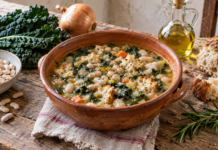
- Ribollita — A substantial soup of beans, kale, vegetables and stale bread, reheated to deepen its flavor.
- Pappa al pomodoro — A thick bread and tomato dish scented with garlic, basil and Tuscan olive oil.
- Panzanella — A summer salad of stale bread, ripe tomatoes, onion, cucumber, basil, vinegar and olive oil.
- Cantucci with Vin Santo — Firm almond biscuits traditionally dipped into Tuscany’s sweet Vin Santo wine.
The region’s bread soups and vegetable dishes are classic expressions of cucina povera, the resourceful cooking tradition that transformed modest ingredients into memorable meals.
10. Umbria
Landlocked Umbria is associated with truffles, woodland mushrooms, legumes, pork, game and rustic handmade pasta.
- Strangozzi al tartufo — Thick handmade pasta dressed simply with olive oil, garlic and fragrant black truffle.
- Torta al testo — A round, unleavened flatbread cooked on a hot stone or griddle and filled with vegetables, cheese or cured meat.
- Porchetta umbra — Pork seasoned with garlic, herbs and wild fennel, slowly roasted and sliced.
- Ciriole alla ternana — Thick, hand-rolled pasta from the Terni area, often served with a tomato, garlic and chili sauce.
- Rocciata — A rolled pastry from around Assisi and Foligno filled with apples, nuts, raisins, cocoa and spices.
11. Marche
The Marchigiano table connects the mountains and countryside with a long Adriatic coastline. Meat-filled pasta, seafood stews and savory snacks all have a place.
- Olive all’ascolana — Large green olives stuffed with seasoned meat, breaded and fried until crisp.
- Vincisgrassi — A rich baked pasta layered with ragù, béchamel and cheese, with recipes varying among families and towns.
- Brodetto marchigiano — Adriatic fish stew prepared in several local versions, particularly around Ancona, Fano and San Benedetto del Tronto.
- Crescia sfogliata — A layered, flaky flatbread associated with the Urbino area and often filled with cheese, greens or cured meats.
- Ciauscolo — A soft, spreadable pork salami seasoned with garlic and pepper.
12. Lazio
Lazio’s best-known dishes come from Rome, but the region also has strong rural, Jewish-Roman and pastoral traditions.
- Spaghetti alla carbonara — Pasta coated with egg, Pecorino Romano, guanciale and black pepper—without cream.
- Bucatini all’amatriciana — Pasta dressed with guanciale, tomato, Pecorino Romano and chili.
- Cacio e pepe — Pasta made creamy with Pecorino Romano, black pepper and starchy cooking water.
- Saltimbocca alla romana — Thin veal cutlets topped with prosciutto and sage, then quickly cooked with wine.
- Carciofi alla giudia — Artichokes opened like flowers and fried until crisp, one of the emblematic dishes of Roman Jewish cuisine.
13. Abruzzo
Abruzzo’s food reflects both its Adriatic coast and the pastoral traditions of the Apennines. Lamb, sheep’s cheese, handmade pasta and saffron are among its signature ingredients.
- Arrosticini — Small skewers of mutton or lamb grilled over a narrow charcoal brazier.
- Spaghetti alla chitarra — Square-edged pasta cut using a traditional stringed wooden tool known as a chitarra.
- Pallotte cacio e ova — Bread, egg and cheese balls that are fried and then simmered in tomato sauce.
- Scrippelle ’mbusse — Thin crepes rolled with cheese and served “wet” in hot chicken broth.
- Confetti di Sulmona — Colorful sugar-coated almonds made in Sulmona and traditionally given at weddings, baptisms and other celebrations.
14. Molise
Small and often overlooked, Molise preserves a deeply local cooking tradition built around pasta, lamb, pork, vegetables and mountain cheeses.
- Cavatelli al ragù — Small hand-shaped pasta served with a substantial meat and tomato sauce.
- Pampanella — Pork seasoned generously with garlic and sweet or hot red pepper, then slowly roasted.
- Brodetto alla termolese — A fish stew from Termoli prepared with a changing selection of Adriatic seafood.
- Pizza e minestra — A humble dish combining cooked greens or vegetable soup with pieces of cornmeal flatbread.
- Caciocavallo di Agnone — A firm, pear-shaped stretched-curd cheese made in and around Agnone.
15. Campania
Campanian cooking has had an enormous influence on how the world imagines Italian food. Tomatoes, pasta, fresh cheese, seafood and fried street food define many of its best-known dishes.
- Pizza napoletana — Soft, elastic dough baked rapidly at very high heat, producing a blistered, raised crust.
- Spaghetti alle vongole — Pasta with clams, garlic, olive oil and parsley, usually prepared without tomato in its most familiar Neapolitan version.
- Parmigiana di melanzane — Layers of fried eggplant, tomato sauce, cheese and basil baked until bubbling.
- Mozzarella di bufala campana — Fresh cheese made from buffalo milk, prized for its delicate skin, milky interior and tangy flavor.
- Sfogliatella — A Neapolitan pastry with a sweet filling typically based on ricotta, semolina and candied citrus.
16. Puglia
Puglia’s cooking makes superb use of durum wheat, olive oil, vegetables, legumes and seafood. Many of its finest dishes are simple examples of rural home cooking.
- Orecchiette con cime di rapa — Ear-shaped pasta served with broccoli rabe, garlic, chili and anchovy.
- Focaccia barese — A thick, soft focaccia topped with tomatoes, olives, oregano and olive oil.
- Tiella barese — A baked dish layering rice, potatoes and mussels, usually finished with breadcrumbs and cheese.
- Bombette pugliesi — Small rolls of pork wrapped around cheese and seasonings, then roasted or grilled.
- Pasticciotto leccese — A shortcrust pastry filled with custard, traditionally eaten warm in Salento.
17. Basilicata
The food of Basilicata, also known historically as Lucania, is bold and economical. Dried peppers, pork, legumes, breadcrumbs and handmade pasta are recurring elements.
- Pasta with peperoni cruschi — Pasta topped with aromatic dried peppers fried until crisp, often with breadcrumbs and local cheese.
- Lagane e ceci — Broad strips of handmade pasta cooked with chickpeas, garlic and olive oil.
- Rafanata — A baked or pan-cooked mixture of eggs, cheese, potatoes and strongly flavored horseradish.
- Baccalà alla lucana — Salt cod served with local peppers, often including crisp peperoni cruschi.
- Strazzata — A round, peppery focaccia that may be eaten plain or filled with cheese and cured meat.
18. Calabria
Calabrian cooking is known for preserved vegetables, pork products, chili peppers, handmade pasta and strong flavors. Its food reflects both mountain communities and long coastlines.
- ’Nduja — A spicy, spreadable pork salume from the area of Spilinga, flavored with abundant Calabrian chili.
- Fileja — Twisted handmade pasta commonly served with tomato sauce, sausage, beans or ’nduja.
- Morzeddhu — A Catanzaro specialty of slowly cooked veal offal in a spicy tomato sauce, traditionally served inside bread.
- Patate ’mpacchiuse — Sliced potatoes cooked slowly with olive oil until they stick together and develop crisp edges.
- Tartufo di Pizzo — A molded gelato dessert with contrasting flavors and a soft chocolate center.
19. Sicily
Sicilian cuisine reflects Greek, Arab, Norman, Spanish and other Mediterranean influences. Sweet-and-sour flavors, citrus, eggplant, seafood, almonds and pistachios appear throughout the island.
- Arancine or arancini — Breaded and fried rice balls or cones filled with ragù, cheese or other ingredients; names and shapes vary across Sicily.
- Pasta alla Norma — Pasta with tomato, fried eggplant, basil and grated ricotta salata, closely associated with Catania.
- Caponata — A sweet-and-sour preparation of eggplant, celery, tomato, olives and capers.
- Sarde a beccafico — Sardines rolled around a filling that may include breadcrumbs, raisins, pine nuts and herbs.
- Cannoli siciliani — Crisp pastry tubes filled shortly before serving with sweetened ricotta cream.
20. Sardinia
Sardinian food developed through a combination of pastoral, agricultural and coastal traditions. Its pasta shapes, breads and cheeses differ noticeably from those found on the Italian mainland.
- Culurgiones — Decoratively sealed pasta parcels generally filled with potato, pecorino and mint.
- Malloreddus alla campidanese — Small ridged semolina pasta served with a tomato and sausage sauce flavored with saffron.
- Porceddu — Suckling pig slowly roasted until the meat becomes tender and the skin crisp.
- Fregula con arselle — Small toasted pasta beads cooked with clams, broth, tomato and parsley.
- Seadas — Fried pastry filled with fresh cheese, then covered with warm honey.
How to Experience Regional Italian Food
The best place to try a regional specialty is not always a famous restaurant. Look for family-run trattorias, bakeries, markets, agriturismi and shops selling products from nearby farms.
Ask which dishes are typical of the town rather than simply requesting “Italian food.” A specialty associated with an entire region may have a particularly important version in one province, while a recipe can change noticeably from one village to the next.
Seasonality matters as well. Artichokes, fresh peas, truffles, mushrooms, chestnuts and particular varieties of seafood may appear only at certain times of year. Daily menus often provide a better reflection of local cooking than long tourist menus containing dishes from every part of Italy.
Protected names such as DOP and IGP can help identify foods connected to a particular territory and production method. However, many meaningful local recipes have no formal certification. They survive because families, cooks, farmers and artisans continue to prepare them.
Italy Is Best Understood One Region at a Time
Pizza, pasta and gelato may be recognized everywhere, but they represent only a small part of Italy’s culinary heritage. The country’s most revealing foods are often strongly local: a mountain soup found in one Alpine valley, a pasta shape made in a handful of towns or a pastry associated with a particular religious festival.
These 100 specialties provide a starting point rather than a completed checklist. Every journey through Italy offers another cheese, bread, sauce, dessert or family recipe capable of expanding the map.
External Sources
Accademia Italiana della Cucina – Week of Italian Cuisine in the World
European Commission – eAmbrosia Geographical Indications Register
Slow Food Foundation – Ark of Taste