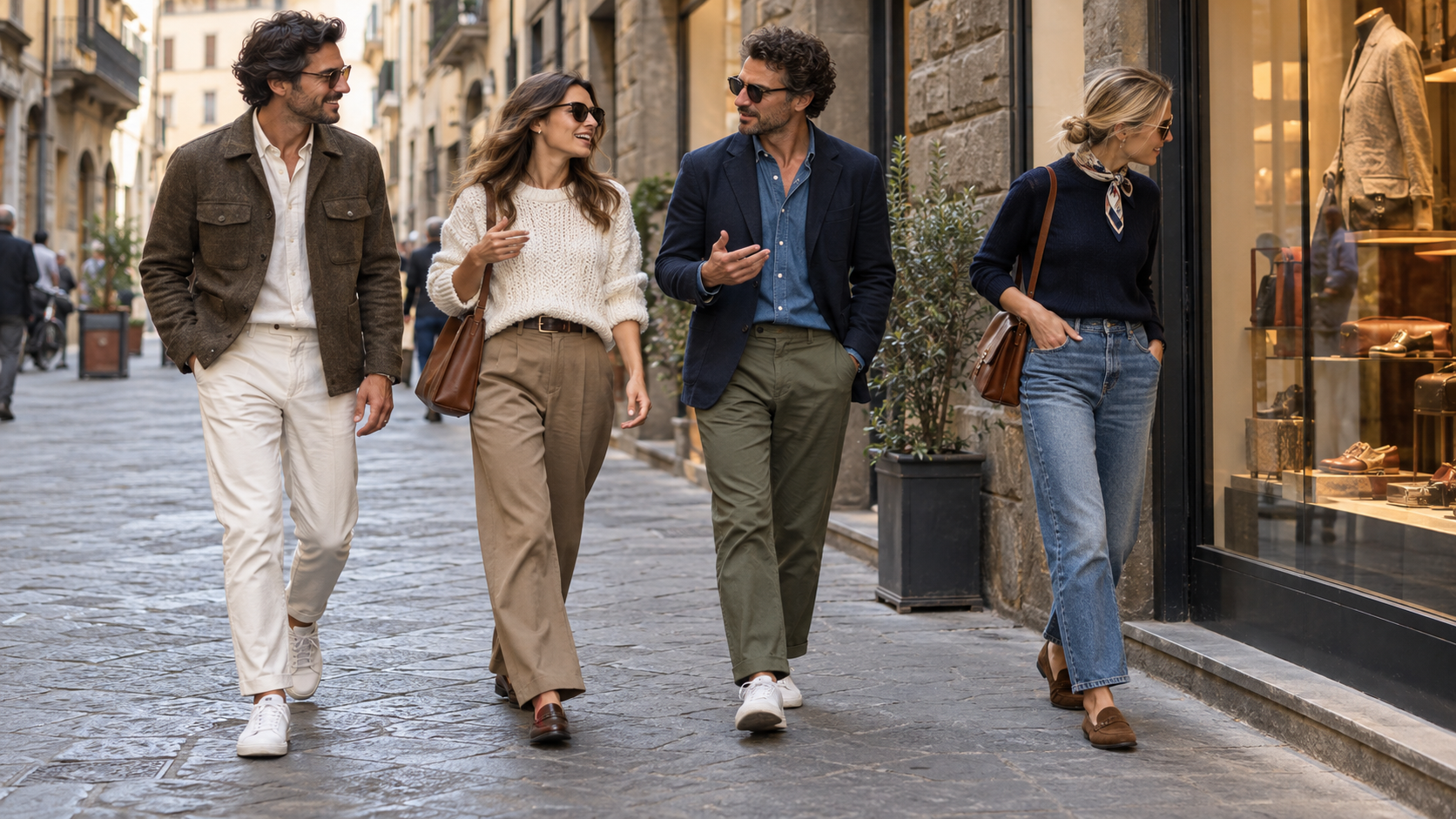
You have packed comfortable shoes, saved your restaurant reservations, and learned how to order a coffee. Then someone tells you that Italians never wear shorts, sneakers will expose you as a tourist, and ordering a cappuccino after breakfast is practically a diplomatic incident.
Relax. Italy is a country where people go to university, commute to work, walk dogs, buy groceries, and wear whatever gets them through the day. There is no single Italian look, and nobody needs a designer wardrobe to enjoy a holiday.
Still, a few choices can help you feel more comfortable and less conspicuous. If you are wondering how not to look like a tourist in Italy, start with clothes that suit your surroundings, accessories that make your day easier, and an awareness of the people around you.
The aim is to feel at ease while being a thoughtful guest.
This article contains affiliate links. Italia Mia may earn a commission if you make a purchase through these links, at no additional cost to you.
Dress for the Day You Are Actually Having
The most useful question is not “Would an Italian wear this?” It is “Does this work for where I am going?”
An afternoon walking around Bologna, a coastal lunch, a mountain excursion, and an evening at a formal restaurant call for different clothes. Dressing for the occasion helps more than following a supposed national uniform.
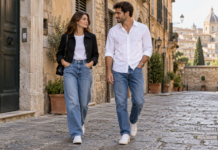
For an ordinary city day, start with a simple combination: comfortable trousers or jeans, a T-shirt or shirt, shoes you can walk in, and a layer appropriate to the weather. A dress or skirt can work equally well if it lets you move comfortably.
Pay attention to proportions and condition. Clothes do not need to be expensive or tightly fitted. Relaxed trousers, oversized shirts, and loose silhouettes can look intentional. What matters is that you like the combination and are not constantly adjusting it.
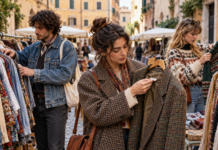
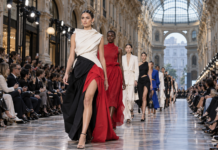
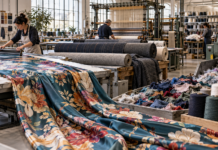
For the wider story behind the country’s style, explore our guide to Italian fashion and the meaning of Made in Italy.
Yes, You Can Wear Sneakers, Shorts, and Color
Some travel advice describes Italy as though everyone leaves home in a tailored jacket and polished loafers. Everyday life is much more varied.
Sneakers are a practical choice for sightseeing. Choose a pair you have already tested on long walks. A simple design is easy to combine with several outfits, but you do not need white leather sneakers if running shoes suit your feet better.
Shorts can be perfectly reasonable in hot weather and casual settings. Their suitability changes when you enter a religious site, attend a formal event, or visit a restaurant with a dress code.
Color is also welcome. Neutral shades make packing easier because they mix readily, but there is no reason to abandon a favorite patterned shirt, bright dress, or colorful jacket.
The same goes for baseball caps, backpacks, and sportswear. None automatically makes you badly dressed. Consider the whole outfit and the setting instead of treating individual items as forbidden.
Choose Shoes for Pavements, Stairs, and Long Days
Shoes deserve more attention than almost anything else in your suitcase.
Historic centers can involve uneven paving, steps, slopes, and long stretches on foot. A beautiful pair of shoes becomes a poor choice when it makes you cut the afternoon short.
For most city trips, bring one dependable walking pair and, if needed, a second option for evenings. That might mean cushioned sneakers and comfortable loafers, supportive sandals and trainers, or walking shoes and ankle boots.
Avoid debuting new shoes on your first full sightseeing day. Test them at home with the socks you intend to wear.
Flip-flops are convenient for the beach or pool, but they are rarely the most comfortable choice for hours of urban walking. Equally, there is no need to wear delicate shoes simply because you have booked dinner.
Comfortable movement looks more natural than struggling to maintain an outfit.
Keep Accessories Useful and Easy to Manage
A good accessory earns its place by helping you enjoy the day.
A zipped crossbody bag keeps essentials close and leaves your hands free. A small backpack is useful when you need water, an extra layer, medication, or children’s supplies. Neither needs to carry a luxury label.
Choose a size that matches what you actually carry. An overfilled bag is awkward in a crowded shop, on public transport, or beside a restaurant table.
Sunglasses, a hat, and a lightweight scarf can also be useful, depending on the season. A scarf can add warmth or provide shoulder coverage when appropriate, but there is no need to wear one solely to create an “Italian” look.
If you are shopping for eyewear, you can browse Otticanet, or read our guide to buying designer eyewear online first.
Keep valuable items secure and avoid leaving your phone unattended on a café table. Looking less conspicuous is not a substitute for paying attention to your belongings.
Pack for the Forecast, Not the Postcard
Italy does not have one climate, and an attractive holiday photograph tells you little about the weather you will encounter.
Check the forecast for each destination shortly before departure. Consider elevation, evening temperatures, rain, and how much time you will spend outdoors.
In warmer weather, breathable clothes and sun protection matter more than looking polished in a heavy outfit. During cooler months, useful layers let you adjust between outdoor walks, transport, and heated interiors.
A practical starting wardrobe might include:
- Two or three bottoms that work with several tops.
- Comfortable everyday tops and one slightly dressier option.
- A sweater, overshirt, or other adaptable layer.
- Outerwear appropriate to the forecast.
- Walking shoes you already trust.
- A compact bag and any sun or rain protection you need.
You can repeat outfits. A smaller suitcase that you can manage comfortably is often more useful than a different look for every photograph.
Make One Small Change for the Evening
You rarely need an entirely separate evening wardrobe for a casual trip.
A fresh shirt, a different top, a light jacket, or a change of shoes can take an everyday outfit into dinner or aperitivo. Choose something that still feels comfortable after a long day.
For a special restaurant, club, or formal performance, check the venue’s own guidance. “Dinner in Italy” is too broad a category to have one universal dress code.
If you need an extra item during your trip, our guide to affordable fashion shops in Italy offers alternatives to luxury shopping.
Readers interested in designer clothing and accessories can also browse Italist. Check the individual product’s materials, manufacturing information, sizing, and return conditions rather than assuming an Italian brand means every item was made in Italy.
Treat Church Dress Codes as Part of Planning
Religious sites are where clothing advice can become an actual entry requirement.
Carry suitable coverage if churches are on your itinerary. Clothing that covers shoulders and knees is a sensible starting point, but check the rules of the specific attraction.
The Vatican Museums’ published guidance excludes sleeveless or low-cut garments, shorts above the knee, miniskirts, and hats. Plan your outfit before arriving instead of assuming a small scarf will solve every issue.
Inside places of worship, pay attention to services, silence notices, and photography restrictions. Leave space for people who are there to pray.
Respect for the setting matters far more than whether your outfit resembles anyone else’s.
Start With a Greeting
Clothing makes a first impression, but a greeting often shapes the interaction that follows.
When entering a small shop, approaching a counter, or asking for assistance, begin with buongiorno or buonasera. Add per favore when making a request and grazie afterward.
Ciao is friendly and informal. With someone you do not know, a more neutral greeting is an easy choice.
A few phrases are especially useful:
| Italian | Meaning |
|---|---|
| Buongiorno | Good morning / good day |
| Buonasera | Good evening |
| Per favore | Please |
| Grazie | Thank you |
| Mi scusi | Excuse me |
| Parla inglese? | Do you speak English? |
| Arrivederci | Goodbye |
You do not need a convincing accent. Speak clearly, give the other person time to respond, and avoid raising your voice if they do not understand.
Learn the Coffee Bar’s Routine
An Italian bar can be a place for breakfast, coffee, a quick snack, or an evening drink.
Before ordering, notice how the establishment works. Some ask customers to pay first and bring the receipt to the counter; others take payment afterward. If it is unclear, ask.
Also distinguish between drinking at the counter and sitting down for table service. Prices can differ, so check the displayed menu before choosing a seat.
A caffè generally means an espresso. Ask for a caffè latte if you want coffee with milk; latte alone means milk.
As for cappuccino, it is commonly associated with breakfast. Ordering one later does not require an apology. Understanding a custom can help you navigate a place without turning your holiday into a test.
At Restaurants, Ask Instead of Assuming
You will feel more confident at restaurants if you treat the menu as information rather than a set of expectations you must somehow already know.
Ask about unfamiliar dishes, portion sizes, and ingredients. Explain allergies or dietary requirements clearly. You do not need to order every course listed on the menu.
Check whether side dishes are included and look for any listed coperto or service charge. When you are ready to leave, ask for il conto, per favore.
Tipping is voluntary in Italy; there is no universal compulsory percentage. You can leave something for service you appreciated without automatically applying the habits of another country.
At aperitivo, ask what comes with your drink. A few snacks, a platter, and a buffet are different arrangements. Do not assume every aperitivo includes enough food to replace dinner.
For reservations, arrive on time or call if you are delayed. Being on holiday does not make an empty booked table less significant to the restaurant.
Be Aware of the Space Around You
One of the easiest ways to appear comfortable in Italy is to move through everyday spaces considerately.
Step aside before checking your map. Avoid stopping at the top of stairs, immediately outside a shop entrance, or in the middle of a narrow pavement.
On public transport, let passengers leave before boarding. Keep bags off seats when others need them, and use headphones instead of playing videos aloud.
In shops, ask before unfolding an elaborate display or photographing staff and customers. At food counters, follow the queue or ticket system rather than assuming the person closest to the counter is next.
Keep your voice appropriate to the surroundings. Italy can be lively, but a busy outdoor square and a quiet train carriage call for different behavior.
These habits help you fit into the day around you more effectively than any particular brand of sunglasses.
Take Photographs Without Taking Over
Of course you want photographs of your trip. You can take them while leaving room for other people to enjoy the same place.
Keep doorways, bridges, and pedestrian routes clear. Take your picture, then make space. Ask before taking a close portrait of someone, and avoid treating private homes or people’s laundry as an invitation to enter or rearrange anything.
Follow posted rules in museums and religious sites. At the Vatican Museums, for example, photography is prohibited in the Sistine Chapel, while flash photography is prohibited throughout the museum visit.
A camera or a folded map does not make you an unwelcome visitor. The problem starts when getting the image becomes more important than everyone else’s access.
What You Can Stop Worrying About
You do not need to hide your nationality, buy an expensive handbag, or pretend to understand a conversation.
You can wear practical shoes. You can ask for directions. You can enjoy a famous attraction and take a photograph in front of it. Italians travel, get lost, and visit tourist sights too.
For broader planning advice, see our guide to Italy for first-time visitors.
Choose clothes that let you enjoy your surroundings, learn a few courteous words, and pay attention to how each place works. You will be free to spend less time monitoring your appearance and more time enjoying the street, the conversation, or the meal in front of you.
External Sources
- Vatican Museums: visitor information, clothing requirements, and photography rules
- Italia.it: currency, payments, and tipping in Italy
- Michelin Guide: ordering coffee in Italy