 Ten days in Italy can give you ancient Rome, Renaissance Florence and the canals of Venice without ever collecting a rental car. The secret is choosing three bases, booking the right stations and leaving enough room between the famous sights to enjoy the cities themselves.
This itinerary includes your arrival and departure days. It assumes nine nights in Italy: four in Rome, three in Florence and two in Venice. You travel north on two direct high-speed trains and finish in Venice instead of returning to Rome.
If possible, book flights into Rome and home from Venice. You can also reverse the route if that produces better flight times or a lower total cost.
Your 10-Day Italy Itinerary at a Glance
| Day | Base | Suggested plan |
|---|---|---|
| 1 | Rome | Arrive, settle in and take a gentle evening walk |
| 2 | Rome | Colosseum, Roman Forum and Monti |
| 3 | Rome | Vatican area and Prati |
| 4 | Rome | Historic center and Trastevere |
| 5 | Florence | Train from Rome; Duomo area and riverside walk |
| 6 | Florence | Renaissance art and the historic center |
| 7 | Florence | Oltrarno or an optional Tuscan day trip |
| 8 | Venice | Train from Florence; explore your neighborhood |
| 9 | Venice | St. Mark’s area and quieter canals |
| 10 | Departure | Transfer to the airport or onward destination |
This is an active first visit, with time for breaks. Travelers who want two full sightseeing days in Venice should add a night or move one night from Rome.
Why This Route Works Without a Car
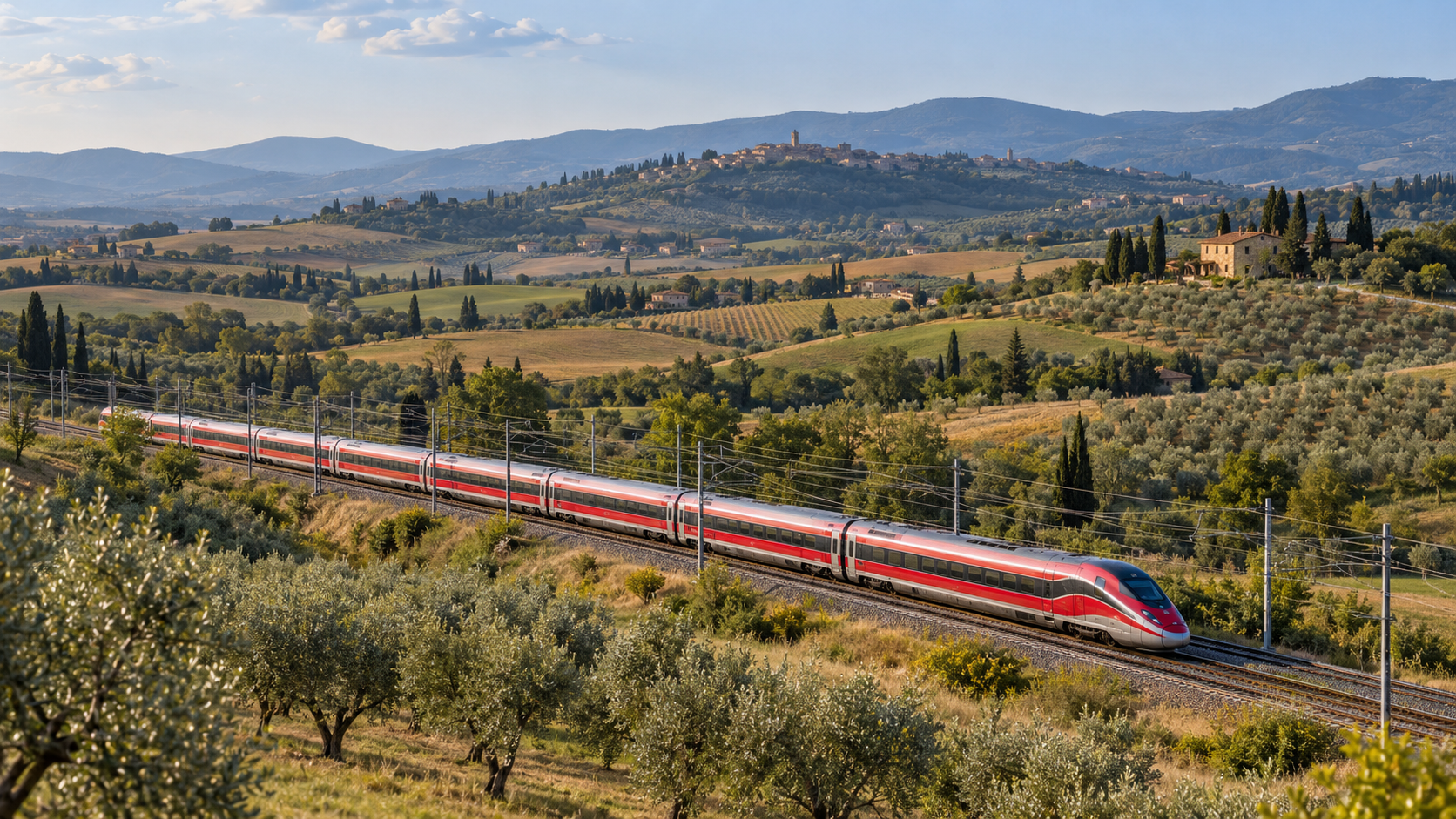
Rome, Florence and Venice sit on Italy’s high-speed rail network. You can travel between their central stations without dealing with motorway tolls, city parking or restricted traffic zones.
Frecciarossa and Italo are the principal high-speed options to compare. Rome to Florence takes roughly an hour and a half on fast direct services. For Florence to Venice, allow approximately two to two and a half hours, depending on the service and whether you arrive at Mestre or Santa Lucia.
Those are train journey times. Your actual transfer also includes reaching the station, finding the platform and traveling to your next hotel. Keep each transfer morning fairly open.
If you want a longer route covering more of the country, see Italia Mia’s Italy North to South itinerary.
Day 1: Arrive in Rome and Find Your Feet
Give yourself a light arrival day, especially after an overnight flight. Reach your hotel, leave your bags and have something to eat before deciding how far to walk.
If you arrive at Fiumicino Airport, compare the train connections with your hotel’s location. Roma Termini is useful for many travelers, but it is not automatically the closest arrival point to every neighborhood.
For your first evening, choose one small area. Around the Pantheon and Piazza Navona, you can enjoy a satisfying introduction to Rome without rushing between distant sights. If you are staying in Monti, explore its streets and have dinner nearby instead.
Avoid a prepaid museum reservation immediately after landing. A delayed flight or slow airport arrival can turn that first afternoon into an unnecessary race.
Day 2: Ancient Rome and Monti
Make the Colosseum and Roman Forum the focus of your first full day. Book through the official Colosseum ticket website and read what your chosen ticket includes.
The archaeological area deserves several hours. Bring water, wear shoes with good grip and allow for uneven ground and exposure to the sun.
Afterward, stop for lunch and take a proper break. You can continue toward the Capitoline area if you still have energy, or spend the afternoon in Monti.
For dinner, look for Roman dishes such as carbonara, amatriciana or cacio e pepe. Choose a restaurant because its menu and atmosphere appeal to you, rather than because it stands beside the monument you have just visited.
Day 3: The Vatican Area and Prati
If the Vatican Museums are a priority, reserve a timed visit through the official Vatican Museums website. Check the opening calendar for your actual dates before assigning this day.
The museums and St. Peter’s Basilica have separate access arrangements. Do not assume one reservation covers both or removes every security queue.
Keep the rest of your plan flexible. After the museums, have lunch in Prati and decide whether to visit the basilica or walk toward Castel Sant’Angelo and the river.
Travelers who are less interested in the Vatican can use the day for another museum, churches or neighborhood walks. There is no obligation to spend a whole morning somewhere simply because it appears on every itinerary.
Day 4: Rome’s Historic Center and Trastevere
Use your last full day in Rome for its streets and squares. Build a walk around the Trevi Fountain, the Pantheon area, Piazza Navona and the lanes between them.
Start early if you want a calmer experience around the most famous landmarks. Then slow down: stop for coffee, step into a church or return to somewhere you enjoyed on your arrival evening.
Later, cross the Tiber toward Trastevere. Its quieter lanes are often more rewarding than the busiest restaurant streets. Choose somewhere for dinner and leave time to enjoy the evening.
I would keep this day in Rome rather than add a long excursion. You have already devoted two days to major attractions; this is your chance to see how the city feels between them.
Day 5: Take the Train to Florence
Book a direct train from Roma Termini to Firenze Santa Maria Novella, commonly abbreviated to Firenze S.M.N. Some services use Roma Tiburtina, so check the departure station before paying.
A midmorning departure gives you time for breakfast and an unhurried hotel checkout. Aim to reach the station around 30 minutes before departure, allowing more if you need assistance or are unfamiliar with the building.
In Florence, leave your bags at the hotel and spend the afternoon getting oriented. Walk around the Duomo, Piazza della Signoria and the Arno. Cross Ponte Vecchio if it fits your route, but save major museum visits for tomorrow.
Choose accommodation within a manageable walk of Santa Maria Novella or arrange a short transfer. A beautiful room loses some appeal when reaching it requires dragging luggage across the entire center.
Day 6: Florence’s Art and Historic Streets
Choose one major museum as the anchor of your day. The Uffizi is ideal for travelers drawn to Renaissance painting; the Accademia is the obvious choice if seeing Michelangelo’s David is your priority.
You can visit both, but that makes the day more structured and leaves less room for Florence’s streets, churches and cafés.
Book through the official Uffizi Galleries website or the official Accademia website. Check weekly closures and timed-entry conditions, then rearrange this itinerary around the available dates.
If you want to climb the cathedral dome, investigate the official Florence Duomo tickets separately. Consider the stairs and confined passages before booking.
Leave the evening free for dinner and a walk by the river. Florence is compact enough that returning to your hotel for a rest can be part of the day.
Day 7: Oltrarno or a Tuscan Day Trip
My first choice would be another day in Florence. Cross into Oltrarno, explore around Santo Spirito and choose between a garden visit, artisan shops and an afternoon with no timed reservation.
Piazzale Michelangelo is a rewarding viewpoint if the uphill journey suits you. Consider public transport if you prefer to save your energy for walking elsewhere.
If you want a day trip, choose one destination. Pisa, Lucca and Arezzo are possibilities by rail, although the station-to-center walk and journey length differ. Check the complete return journey before buying tickets.
Rural vineyards and hill villages require more planning. A guided excursion with confirmed transport can work well, but check its pickup point and duration. Train travel does not make every part of Tuscany equally accessible.
Trying to combine several Tuscan towns in one day usually means spending more time transferring than exploring.
Day 8: Arrive in Venice by Train
For a stay in historic Venice, book Firenze Santa Maria Novella to Venezia Santa Lucia. Venezia Mestre is on the mainland. It can be useful for a mainland hotel, but it is a different arrival point.
Leaving Santa Lucia station brings you directly to the Grand Canal. Before arriving, ask your hotel for the easiest route with luggage. The shortest walking route may include several stepped bridges.
After checking in, explore the neighborhood where you are staying. Cannaregio and Dorsoduro are good areas to consider if you enjoy wandering away from the busiest sightseeing routes.
Do not turn this transfer day into a full Venice checklist. Have lunch, learn the route back to your hotel and enjoy an evening beside the canals.
Day 9: St. Mark’s and a Quieter Venice
Begin with the St. Mark’s area. If you want to enter the basilica or Doge’s Palace, check their official admission arrangements before arriving.
Then leave the main sightseeing corridor. Walk toward Castello or explore a quieter part of Cannaregio. Stop for cicchetti, Venice’s small bar snacks, and choose a canal-side pause without feeling obliged to keep moving.
A vaporetto ride can be a useful part of your sightseeing. Compare individual tickets with time passes according to the journeys you will actually make. Airport boats may have separate fares and conditions.
With only one full day, I would avoid trying to cover St. Mark’s, Murano and Burano together. If the lagoon islands matter most, give them the day and reduce your central sightseeing plan.
Before traveling, check the official Venice access-fee portal for your dates and circumstances. Do not confuse the access fee with the tourist tax charged on accommodation; ask your hotel about any exemption documentation you need.
Day 10: Leave Enough Time to Depart
Check which airport your flight uses. Venice Marco Polo and Treviso are different airports, with different transfers.
From historic Venice, your departure may involve walking to a boat stop or reaching Piazzale Roma for a road connection. Ask your hotel about the best route at the hour you need to leave, especially for an early flight.
Treat this primarily as a departure day. A final coffee or short walk is possible with a late flight, but a major morning reservation creates avoidable pressure.
If you must fly home from Rome, reconsider the schedule before booking. Returning south consumes time and adds another connection. For an early or important flight, I would sleep in Rome the night before and adjust the itinerary accordingly.
Booking Trains, Handling Tickets and Packing
Compare Trenitalia and Italo once your hotel dates are settled. Review the final price, departure station and change conditions together.
High-speed tickets normally include an assigned seat and are tied to the booked service. Read the fare conditions before choosing a restrictive discount. For only two intercity journeys, compare ordinary tickets with the full cost of any rail pass, including required reservations.
Regional tickets work differently. Trenitalia’s current Digital Regional Ticket validates automatically at the scheduled departure of the chosen train. Paper regional tickets may require station validation. Follow the instructions for the actual ticket you hold.
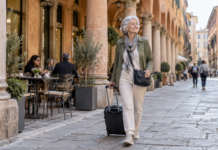
Pack a bag you can lift and carry yourself. You will handle it on the train, through stations and possibly across Venetian bridges. Keep passports, medication and valuables close, and check the operator’s baggage conditions for your fare.
How to Budget for the Trip
Build your budget from nine nights of accommodation, two intercity trains, airport transfers, local transport, meals and the attractions you actually want to visit.
Keep room prices separate from per-person expenses. A €180 double room costs €90 per person when shared by two people; a traveler alone may pay most of that room cost themselves.
As an illustrative calculation, nine nights at €180 per room total €1,620 per room, or €810 each for two travelers. Adding a hypothetical €70 daily allowance per person for ten days brings the subtotal to €1,510 each before intercity trains, flights and any expenses outside that allowance. These are arithmetic examples, not current price quotes.
Price your actual dates before committing, particularly for Venice. For broader saving strategies, read Italia Mia’s Italy on a Budget guide.
External Sources
- Trenitalia: Frecciarossa routes
- Italo: Florence–Venice trains
- Trenitalia: Digital Regional Ticket
- Official Colosseum tickets
- Vatican Museums
- Uffizi Galleries
- Galleria dell’Accademia
- Florence Duomo
- Venezia Unica: visitor and transport information
- Venice access-fee portal
- Venice Marco Polo Airport