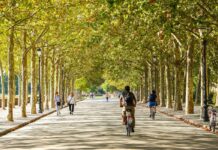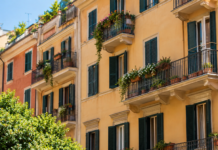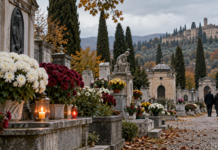

 The romantic image of life in an Italian village is easy to understand: stone houses clustered around a medieval church, neighbors greeting one another in the piazza, fresh bread from a family-run bakery and long views across vineyards, mountains or olive groves.
That picture is real—but it is only part of the story.
Living in a small Italian community can offer tranquility, beauty, lower housing costs and a powerful sense of belonging. It can also mean limited public transportation, fewer healthcare services, declining populations, unreliable internet and a dependence on the car.
The experience varies enormously. A Tuscan hill town visited by thousands of tourists is very different from an isolated village in the Apennines. A coastal community in Puglia changes dramatically between winter and summer, while an Alpine village must organize daily life around snow, steep roads and seasonal tourism.
Before imagining a permanent move, it is essential to understand what everyday village life actually involves.
What Is an Italian Village?
The Italian word borgo is often translated as “village,” but it usually describes more than population size. A borgo commonly has a historic center, a recognizable local identity and an architectural connection with the landscape surrounding it.
Some borghi are tiny medieval settlements with only a few hundred permanent residents. Others are technically districts of larger municipalities. Some have become prosperous tourist destinations, while others face depopulation and the disappearance of essential services.
The difference between a village and a small town can be subjective. For practical purposes, the most important questions are not what the community is called, but what it provides:
- Is there a grocery store?
- Is a pharmacy open throughout the year?
- How far away is the nearest hospital?
- Is there a train station or dependable bus service?
- Can you obtain fast internet?
- Are restaurants and shops open during winter?
- Is the road accessible in bad weather?
- Are there other permanent residents nearby?
A beautiful village may be delightful for a weekend yet difficult as a full-time home.
The Main Benefits of Living in an Italian Village
1. A Slower and More Human Daily Rhythm
Village life often follows a rhythm shaped by familiar places and recurring encounters. Residents use the same café, bakery, pharmacy and small shops. The person serving your morning coffee may know your usual order, while the shopkeeper may ask about a relative who has been ill.
This familiarity can make daily life feel less anonymous. Simple errands become social interactions rather than purely commercial transactions.
The rhythm is not necessarily lazy. Farmers, tradespeople, restaurant owners and commuters may work long hours. The difference is that the community remains visible around them. Work, family, meals and local relationships are more closely interconnected than they tend to be in a large city.
This balance relates to the broader patterns discussed in Italia Mia’s guide to Italian work-life balance.
2. A Stronger Sense of Community
In a village, people notice newcomers. This may initially feel uncomfortable, but it can eventually lead to a genuine sense of inclusion.
Relationships develop through repetition: drinking coffee at the same bar, shopping locally, attending a village festival or greeting neighbors every day. Participation matters more than grand gestures.
A newcomer who makes an effort to speak Italian and support local businesses is generally in a better position to form relationships than someone who remains socially connected only to other foreign residents.
Community becomes especially valuable during practical difficulties. A neighbor may recommend a reliable plumber, explain a municipal notice, collect a parcel or check the house while you are away.
The other side of this intimacy is reduced privacy. News travels quickly, and personal disagreements may become widely known. Anyone accustomed to urban anonymity may need time to adjust.
3. Lower Property Prices in Many Areas
Housing in less fashionable villages may cost substantially less than comparable property in Rome, Florence, Milan or popular coastal resorts.
This does not apply everywhere. Famous villages in Tuscany, Umbria, the Italian Lakes and the most desirable coastal areas can be extremely expensive. In lesser-known parts of Abruzzo, Molise, Calabria, Sicily, Sardinia and the central Apennines, however, buyers may find houses at prices unimaginable in major cities.
Low purchase prices must be treated cautiously. An inexpensive historic property may require:
- Structural reinforcement
- Roof repairs
- New plumbing or electrical systems
- Heating installation
- Seismic improvements
- Damp treatment
- Window replacement
- Professional and municipal fees
- Restrictions related to historic buildings
The purchase price is only the beginning. Read Italia Mia’s guide to buying property in Italy as a foreigner before committing to a village home.
The widely promoted one-euro-house programs also carry conditions, deadlines and renovation expenses. Our article about buying a one-euro house in Italy explains what these offers really involve.
4. Nature Is Part of Everyday Life
Many Italian villages sit close to forests, mountains, agricultural land or the sea. Walking routes can begin near the front door rather than requiring a special excursion.
Seasons also feel more visible. Spring brings wildflowers and garden work. Summer moves social life outdoors. Autumn may revolve around grapes, olives, mushrooms or chestnuts. Winter quietens the streets and exposes the practical realities of heating an old house.
The surrounding landscape is not simply decorative. It often influences food, work, celebrations and local identity.
5. Local Food and Seasonal Traditions
Village food culture tends to be strongly regional. A few kilometers can separate communities with different pasta shapes, breads, cheeses or festival dishes.
Weekly markets, small producers and direct relationships with farmers may provide excellent ingredients. Residents learn when particular vegetables, fruits, mushrooms, fish or local specialties are in season.
Traditional festivals remain important. A sagra may celebrate chestnuts, truffles, wine, olive oil, beans, polenta or a local pasta. Patron-saint celebrations can include religious processions, music, food stalls and fireworks.
These events are not simply tourist entertainment. They often bring together residents who have moved away, preserve community traditions and raise money for local organizations.
For a broader look at everyday customs, see The Italian Lifestyle: 20 Everyday Habits That Define Life in Italy.
6. Less Traffic, Noise and Urban Pressure
A village can provide relief from traffic congestion, crowded public transportation and the constant commercial activity of city life.
The benefits are especially noticeable early in the morning and during the evening, when many communities become remarkably quiet.
There are exceptions. Church bells may begin early, dogs can bark at night, agricultural machinery may operate near homes and summer festivals can fill a small piazza with music until late. A supposedly peaceful property beside a busy provincial road may be noisier than expected.
Visit at different hours before buying or signing a long rental contract.
A Typical Day in an Italian Village
There is no universal village routine, but certain patterns remain familiar across much of Italy.
Early Morning
The village starts quietly. Delivery vans arrive, shutters open and the first customers enter the local bar.
Breakfast is normally simple: an espresso or cappuccino, perhaps accompanied by a cornetto. Regular customers exchange news with the barista and one another. These brief conversations help maintain the social network of the village.
Older residents may complete their errands early, particularly during hot weather. Farmers, builders and tradespeople often begin work before offices open.
The Morning Errands
Small shops remain central where they have survived. Residents may visit the bakery, butcher, greengrocer or weekly market instead of completing one large supermarket trip.
The post office can be especially important, handling savings accounts, pensions, bills and administrative services as well as mail. On certain days, queues form before opening.
Municipal offices may keep limited public hours. A simple administrative task can therefore require planning rather than a spontaneous visit.
Lunchtime and the Early Afternoon
Lunch remains an important pause, although working patterns vary. People who commute may eat near work, while retirees and home-based workers are more likely to eat at home.
Some independent shops close for several hours around lunchtime and reopen later in the afternoon. The traditional long closure is becoming less universal, but visitors and newcomers should never assume that every business will remain open continuously.
During summer, streets may become almost empty in the hottest part of the afternoon. In winter, bad weather can produce the same effect for completely different reasons.
Late Afternoon and Evening
The village becomes more active again when shops reopen, children finish school and residents complete their evening errands.
The passeggiata—a leisurely walk through the center—remains visible in many communities. It gives residents an opportunity to meet friends, exchange news and see what is happening without making a formal appointment.
Learn more about this custom in Italia Mia’s guide to the Italian passeggiata.
Dinner usually takes place later than in northern Europe or North America, especially during summer and in southern Italy. Evening activity may center on a pizzeria, bar, social club or village square.
Sundays and Holidays
Sunday often has a different atmosphere. Families gather for lunch, church bells mark religious services and shops may close or keep reduced hours.
Villages can become livelier when relatives return from nearby cities. Conversely, communities without restaurants or tourism may become extremely quiet.
National holidays, patron-saint days and local festivals can completely change the routine. Roads may close for processions or markets, and the piazza may become the center of community life.
The Main Challenges of Village Life
1. A Car May Be Essential
Transportation is one of the most important differences between visiting and living in a village.
Some communities have a railway station or useful bus connections. Others receive only a few buses per day, with reduced service on Sundays and holidays. The timetable may suit schoolchildren but not commuters, hospital appointments or evening activities.
A car may be necessary for:
- Supermarket shopping
- Medical appointments
- Reaching the train station
- Administrative services
- Visiting friends
- Airport transfers
- Evening restaurants and events
Before choosing a village, test the route to the nearest town, railway station and hospital. Consider what would happen if you could no longer drive.
2. Healthcare Can Be Farther Away
A village may have a pharmacy and a general practitioner but no specialist care. The nearest emergency department could be 30 minutes or more away, particularly in mountainous or sparsely populated areas.
This matters for everyone but is especially important for retirees, people with chronic conditions and families with young children.
Verify the following before moving:
- Distance to the nearest hospital
- Availability of a local family doctor
- Pharmacy opening hours
- After-hours medical services
- Ambulance access
- Public transportation for appointments
- Availability of home assistance
Foreign residents should also understand their eligibility and registration obligations within Italy’s National Health Service. Italia Mia’s guide to healthcare in Italy for expats provides a practical introduction.
3. Shops and Services May Be Limited
A village may have only a bar, pharmacy and small grocery store—or no permanent shops at all.
Banks have closed branches in many smaller communities. ATMs, post offices and fuel stations may be several kilometers away. Tradespeople can be difficult to find quickly, and a specialist repair may require someone traveling from another town.
Online shopping solves some problems but creates others. Couriers may struggle with historic streets, incomplete addresses or isolated rural properties. Large deliveries may not reach a house that can be accessed only through a narrow lane.
4. Internet and Mobile Coverage Require Testing
Fast internet is expanding across Italy, but availability still varies from one street or property to another.
A coverage map is useful but not sufficient. Ask the current resident what connection is installed, request a recent speed test and check mobile reception inside the house.
Stone walls can weaken mobile and Wi-Fi signals. A property that appears suitable for remote work may require upgraded equipment, a different provider or a fixed wireless connection.
Never rely exclusively on an estate agent’s assurance that “internet is available.”
5. Language Matters More Than in Tourist Centers
English may be widely understood in a famous destination but rarely used in a small, non-touristic village.
Doctors, tradespeople, municipal employees and elderly neighbors may communicate only in Italian or in a regional dialect. Translation applications are helpful, but they cannot replace basic language skills during emergencies, negotiations or complex administrative procedures.
Learning Italian also changes the social experience. It allows a newcomer to understand humor, local concerns and the conversations taking place around the bar or piazza.
6. Privacy Is Limited
In a small community, residents often know who owns each house, who has arrived, who has left and which family has lived there for generations.
This social visibility can feel supportive or intrusive. A newcomer’s habits may attract curiosity, particularly at first.
Acceptance usually develops gradually. Reliability, courtesy and participation matter. Greeting people, learning names and respecting local customs accomplish more than trying to impress everyone immediately.
7. Winters Can Feel Isolated
A village that looks vibrant in August may be almost empty in January.
Seasonal restaurants close, public transportation becomes less frequent and second-home owners disappear. Damp, snow or persistent rain can expose weaknesses in a property that were invisible during summer.
Historic houses may be expensive to heat. Thick stone walls can remain cold, while poorly insulated windows and high ceilings increase energy consumption.
Visit during the least attractive season before making a permanent decision.
8. Bureaucracy Does Not Disappear in the Countryside
Moving to a small village does not simplify Italy’s national immigration, tax and residency rules.
Foreign residents may need to arrange a codice fiscale, residency registration, healthcare coverage, utilities and other administrative matters. Property ownership does not automatically provide immigration rights.
Start with Italia Mia’s guides to:
- Obtaining a codice fiscale in Italy
- Registering your residence in Italy
- Taxes in Italy for expats and foreign residents
- Moving to Italy as an expat
Requirements depend on citizenship, residency status and personal circumstances, so obtain qualified professional advice where necessary.
Tourist Village or Working Village?
One of the most important choices is whether to live in a tourist-oriented village or a community supported primarily by local residents.
A tourist village may offer:
- More restaurants and accommodation
- Better-maintained historic areas
- Cultural events
- More English speakers
- Higher property values
- Seasonal employment opportunities
It may also bring crowds, parking problems, noise and inflated prices.
A less-touristic village may offer deeper immersion in local life, lower housing costs and quieter surroundings. However, it may have fewer shops, weaker transportation and a rapidly aging population.
Neither option is automatically better. The right choice depends on whether you value convenience, quiet, social integration, investment potential or immediate access to services.
Renting Before Buying
The most sensible way to evaluate village life is to experience it before purchasing property.
Rent for several weeks or months if possible. Stay during winter as well as summer. Shop locally, drive the surrounding roads, test the internet and attempt ordinary tasks rather than treating the stay as a vacation.
Use the village as a resident would:
- Buy groceries
- Visit the pharmacy
- Use public transportation
- Drive after dark
- Work online
- Experience bad weather
- Check evening noise
- Ask about heating expenses
- Visit the nearest hospital and larger town
You can compare accommodation in Italy through Trip.com before choosing a village for a trial stay.
A temporary base in or near several candidate communities can reveal differences that are impossible to understand from property photographs.
Choosing the Right Village
Create a practical checklist before becoming emotionally attached to a house.
Location and Access
Check driving times rather than distances. Ten kilometers along a winding mountain road can take longer than expected.
Investigate access to airports, railway stations, hospitals and major roads. Ask whether snow, flooding, landslides or summer traffic ever affect the route.
Year-Round Population
Find out how many people remain during winter. A village with 2,000 registered residents may feel much smaller if many houses are second homes.
Visit on an ordinary weekday rather than only during a festival or weekend.
Essential Services
Look for a grocery store, pharmacy, doctor, post office, ATM and fuel station. Confirm opening hours instead of merely noting their presence on a map.
Housing Condition
Hire an independent surveyor or other qualified professional before purchasing. Historic charm can conceal serious structural, moisture or compliance problems.
Climate and Orientation
A sunny hillside house may be comfortable in winter but hot in summer. A shaded stone house may remain pleasantly cool in July yet cold and damp for months.
Ask where the sun falls at different times of the year.
Social Life
Spend time in the local café and shops. Notice whether residents use the center or leave for everything. Ask about associations, classes, festivals, volunteering and recreational groups.
Useful Books for Understanding Italian Village Life
Reading about everyday life can provide cultural context, but memoirs should not be treated as substitutes for legal or financial research.
Under the Tuscan Sun by Frances Mayes
This well-known memoir helped shape the international dream of restoring a home in the Italian countryside. It is atmospheric and personal rather than a practical relocation manual.
Find Under the Tuscan Sun on Amazon.com
A Small Place in Italy by Eric Newby
Newby’s account of restoring a rural house provides an affectionate view of local characters, community relationships and the unpredictability of country life.
Find A Small Place in Italy on Amazon.com
Extra Virgin by Annie Hawes
This memoir follows two sisters adapting to life in a Ligurian village and learning the logic of its traditions, agricultural routines and close-knit community.
Find Extra Virgin by Annie Hawes on Amazon.com
Italy Travel Guides
A current regional guide can help identify transportation connections, local services and worthwhile villages beyond the most famous destinations.
Browse Italy travel guides on Amazon.com
Italian Language Books
Even a basic working knowledge of Italian can make village life more independent and rewarding.
Browse Italian language-learning books on Amazon.com
As an Amazon Associate, Italia Mia may earn from qualifying purchases.
Who Is Village Life Best Suited To?
An Italian village may suit people who:
- Appreciate quiet and routine
- Enjoy becoming part of a small community
- Speak Italian or genuinely want to learn
- Can drive and maintain a car
- Do not require constant entertainment
- Are comfortable planning errands
- Enjoy nature and regional traditions
- Can tolerate slower administrative processes
- Have verified access to healthcare and internet
It may be less suitable for people who need frequent specialist healthcare, rely entirely on public transportation, expect extensive English-language services or become uncomfortable when everyone knows their business.
Frequently Asked Questions
Is living in an Italian village inexpensive?
It can be, especially where housing costs are low. However, transportation, heating, renovations and maintenance may offset part of the saving. Famous tourist villages can be more expensive than ordinary towns.
Can foreigners buy houses in Italian villages?
Many foreigners can purchase property in Italy, but the rules can depend on nationality and reciprocity arrangements. Buying property does not automatically provide residency or visa rights.
Do people speak English in Italian villages?
English proficiency varies. It is generally lower in small, non-touristic communities and among older residents. Italian is particularly important when dealing with healthcare, tradespeople and municipal administration.
Can you live in an Italian village without a car?
Yes, but only in carefully selected communities with a railway station, dependable buses and essential services within walking distance. In many rural and mountain villages, a car is effectively necessary.
Are one-euro houses really available?
Some municipalities offer buildings at symbolic prices, but buyers usually accept renovation deadlines, guarantees and substantial restoration costs. The total project will cost far more than one euro.
Is village life lonely?
It can be, particularly during winter or if the newcomer does not speak Italian. People who participate in local life often build strong relationships, but integration requires time and consistent effort.
Is internet service reliable enough for remote work?
It depends on the exact property. Some villages have fiber connections, while others depend on slower fixed-wireless or mobile services. Verify real speeds and mobile coverage before signing a contract.
Should I rent before buying?
Yes. A trial stay is one of the best ways to evaluate transportation, climate, noise, services, internet reliability and the year-round character of the community.
The Reality Behind the Dream
Life in an Italian village can be deeply rewarding precisely because it is not a permanent vacation.
The appeal lies in repeated daily experiences: recognizing people in the piazza, buying bread from the same shop, following the seasons and gradually becoming familiar with the landscape.
The difficulties are equally real. Services may be distant, bureaucracy can be frustrating and beautiful old houses require constant attention. Privacy is limited, and isolation can become tiring when the weather is poor or the car is unavailable.
The people who adapt most successfully are generally those who arrive with curiosity rather than demands. They learn Italian, observe before judging, support local businesses and accept that integration cannot be rushed.
Choose the community before choosing the house. Test the practical realities before committing. If the village functions well for your health, work, transportation and social needs, its slower rhythm may offer something increasingly rare: a daily life rooted in place.
Related Italia Mia Guides
- The Italian Lifestyle: 20 Everyday Habits That Define Life in Italy
- Italian Work-Life Balance: Myth, Reality and Regional Differences
- Cost of Living in Italy: A Realistic Monthly Budget
- Best Places to Live in Italy for Expats
- Moving to Italy as an Expat: A Comprehensive Guide
- Buying Property in Italy as a Foreigner
- Registering Your Residence in Italy
External Sources
- Italia.it: Villages to Visit in Italy
- ISTAT: Focus on Italy’s Inner Areas
- Agenzia delle Entrate: Tax Identification Number for Foreign Citizens
- Agenzia delle Entrate: Italian Health Insurance Card and Foreign Citizens
Disclosure: This article contains affiliate links. If you book accommodation or make a purchase through one of these links, Italia Mia may earn a commission at no additional cost to you.