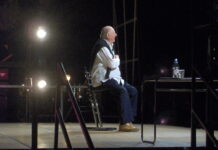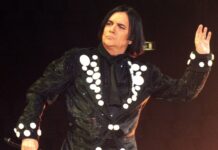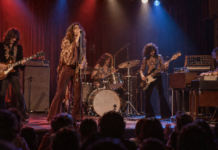

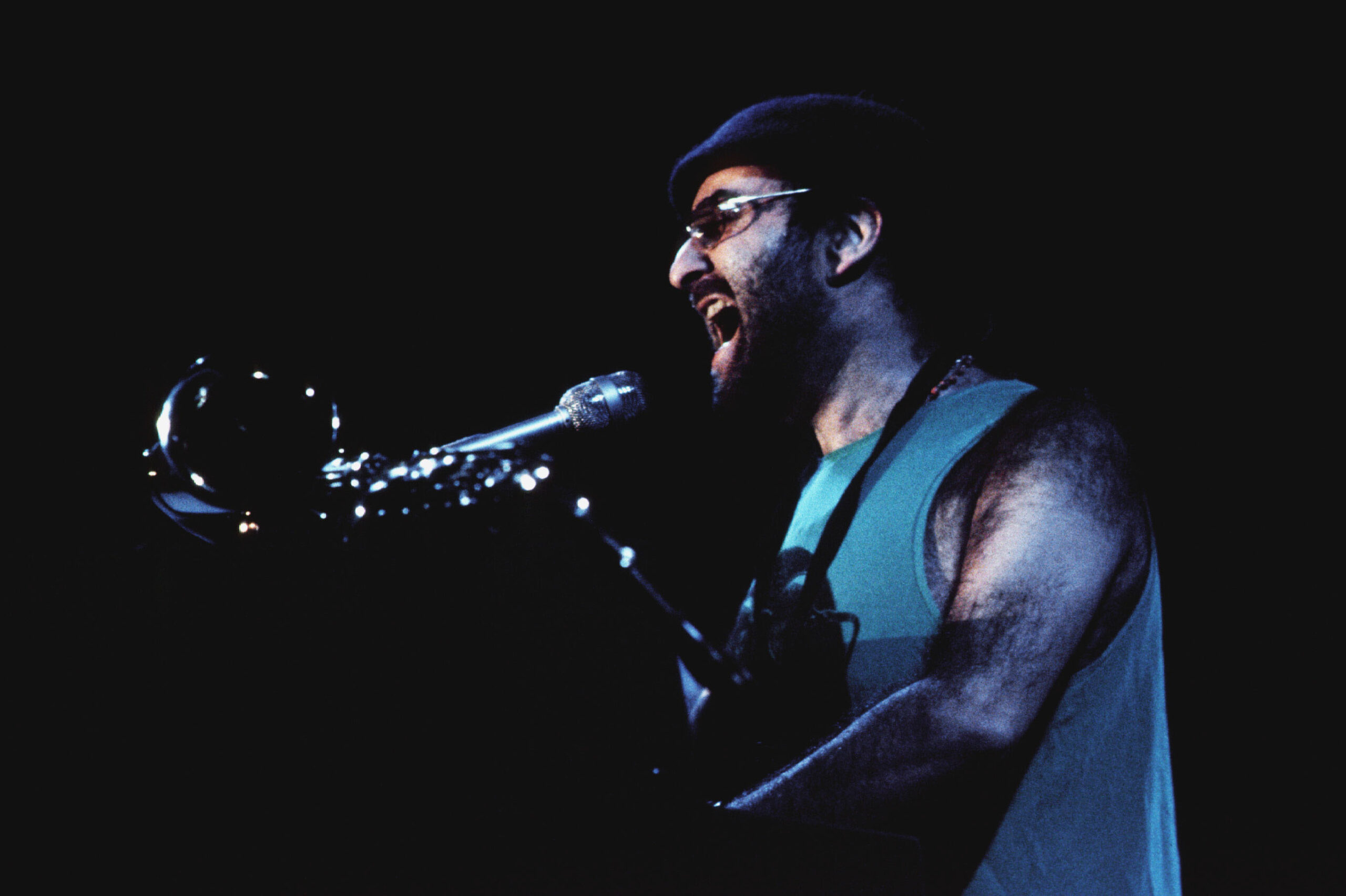
Lucio Dalla could make a song sound like a conversation, a theatrical scene, a jazz improvisation or an aria. Sometimes he moved through all four in a few minutes. His voice could be rough and playful, then suddenly tender. His songs could be funny, politically alert, deeply romantic or difficult to explain. That range made him one of the most distinctive figures in Italian music.
Born in Bologna on March 4, 1943, Dalla spent nearly five decades resisting any narrow definition of what an Italian singer-songwriter should be. He began as a clarinetist with a love of jazz, became an adventurous interpreter of other writers’ words, and eventually wrote songs whose characters and melodies entered Italy’s shared memory. “Caruso” carried his voice around the world, but it represents only one part of his remarkable work.
Bologna, Jazz and an Unusual Voice
Dalla’s connection to Bologna was more than biographical. Its streets, musicians and lively cultural scene remained part of his identity. For another portrait of the city as a place to hear music, read The Night Bologna Became a Concert Hall.
He learned accordion before taking up the clarinet, the instrument that helped establish his early reputation. Jazz gave him room to stretch a phrase, interrupt a rhythm and treat his voice almost like another instrument. Even after he became a major pop artist, he retained that freedom. He might sing a melody directly, break it apart with a strange accent or let a seemingly casual line become the emotional center of a song.
His recording career began in the 1960s. Gino Paoli recognized something unusual in him and encouraged a direction influenced by soul music. Dalla also worked in film and experimented with the beat sounds of the period. Success was gradual. His appearance at the Sanremo Music Festival with “4 marzo 1943” in 1971 brought wider attention, followed by “Piazza Grande” in 1972. These songs revealed how moving he could be as an interpreter, although he had not yet begun writing all his own lyrics.
Roberto Roversi and the Experimental Years
In the 1970s, Dalla formed a demanding creative partnership with the Bolognese poet Roberto Roversi. Their albums Il giorno aveva cinque teste, Anidride solforosa and Automobili explored modern life, industry, migration, power and social change. The words could be dense; the music shifted unexpectedly between acoustic passages, electric sounds and driving rhythms.
These records matter because they show how much Dalla was willing to risk. He did not treat a song as a fixed verse-and-chorus formula. He looked for sounds that could match Roversi’s images and arguments, even when the result was challenging. Listeners who know only “Caruso” or “Attenti al lupo” may find this period surprising. It is also one of the best ways to understand the musical imagination behind his later, more accessible work.
Finding His Own Words
Come è profondo il mare, released in 1977, marked a turning point: Dalla wrote the lyrics as well as the music. The songs were personal and immediate without becoming simple. He followed it with Lucio Dalla in 1979 and Dalla in 1980, a run of records that included “L’anno che verrà,” “Anna e Marco,” “Stella di mare” and “Futura.”
Each song opens a different world. “Anna e Marco” observes two young people with the compassion of a short story. “L’anno che verrà” takes the form of a letter to a friend and holds anxiety beside hope. “Futura” imagines love and a child against a wider atmosphere of uncertainty. Dalla could move from ordinary detail to an enormous feeling without making the transition seem forced.
This is why he belongs in any account of the Italian cantautori. Yet his music also shows the limits of that label. Compared with the elusive arrangements of Franco Battiato or the narrative precision of Fabrizio De André, Dalla often seemed to discover the song while performing it. His timing, vocal changes and unexpected melodic turns were essential to the writing.
Dalla and Francesco De Gregori
Dalla’s partnership with Francesco De Gregori brought together two artists with notably different voices and approaches. De Gregori’s measured, enigmatic writing met Dalla’s theatrical energy. They recorded “Ma come fanno i marinai” and “Cosa sarà,” then took their songs to stadium audiences on the 1979 Banana Republic tour. The tour produced a live album and became a landmark event for Italian popular music.
What made the pairing work was the space each artist gave the other. Their performances allowed a familiar song to change shape when it passed from one voice to the next. “Ma come fanno i marinai,” in particular, sounds like a conversation between two musicians enjoying the possibilities of singing together.
They returned to the stage decades later. Their renewed collaboration was documented on the 2010 live album Work in Progress. Hearing the younger and older versions of their partnership together reveals how their voices changed while their musical connection endured. Italia Mia’s selection of famous Italian songs places both artists within the wider story of modern Italian music.
“Caruso”: A Song That Traveled the World
In 1986, Dalla wrote “Caruso” in Sorrento. The song was inspired by the memory of the tenor Enrico Caruso, who had stayed at the hotel associated with its creation near the end of his life. Dalla did not write a conventional biography of the singer. He imagined a moment of love, longing and vulnerability, set against the sea and carried by a melody with the sweep of an operatic performance.
Dalla’s own recording appeared on the live album DallAmeriCaruso. The song reached listeners far beyond Italy and has been interpreted by singers from different musical traditions. Its international life can sometimes obscure what makes Dalla’s version so powerful: the tension between a voice that sounds almost fragile and a melody that seems to demand everything from it.
Listen to Dalla’s “Caruso” video, then watch a live performance. The contrast shows how much feeling he could draw from the same song without treating every performance as a copy.
Pop, Jazz, Theatre and New Artists
Dalla never settled into one sound after “Caruso.” “Attenti al lupo,” from the 1990 album Cambio, became an enormous popular success. Other records gave him room for quieter reflection, electronic textures and renewed experiments with jazz. He composed for film, worked in television and theatre, and presented his songs with orchestral musicians.
He also helped create opportunities for younger artists. Samuele Bersani performed on Dalla’s tour early in his career, and the two later worked together on “Canzone.” Dalla’s musical circle included performers who went on to establish careers of their own, among them Ron and members of Stadio. His willingness to collaborate made Bologna’s musical world feel connected across generations.
A Few Performances to Start With
“L’anno che verrà” — official video captures the directness beneath Dalla’s unusual phrasing.
“Caruso” — video is the essential introduction to his best-known song.
“Ma come fanno i marinai” — with Francesco De Gregori offers a way into their partnership.
To hear the full breadth of his music, continue with the Roversi albums, Come è profondo il mare, Lucio Dalla and Dalla. The familiar songs become richer when heard alongside the restless experiments that preceded them.
Remembering Lucio Dalla
Dalla died in Montreux, Switzerland, on March 1, 2012, just three days before his 69th birthday. His songs remain present in Italian homes, concerts and public celebrations. In Bologna, his memory also belongs to the city’s cultural life.
No single song can explain him. “Caruso” shows his gift for emotional grandeur; “L’anno che verrà” his mixture of worry and hope; the Roversi records his appetite for experiment; and the concerts with De Gregori his generosity as a musical partner. Together they reveal an artist who kept changing while always sounding unmistakably like Lucio Dalla.
Explore more music on Amazon
Browse Lucio Dalla albums on Amazon.com, including DallAmeriCaruso, or look for Banana Republic with Francesco De Gregori. These are search links because editions and availability change. Italia Mia may earn a commission from qualifying purchases.
External Sources
Lucio Dalla’s official biography · Official discography · Treccani biographical entry · Rai Cultura profile · Banana Republic album history