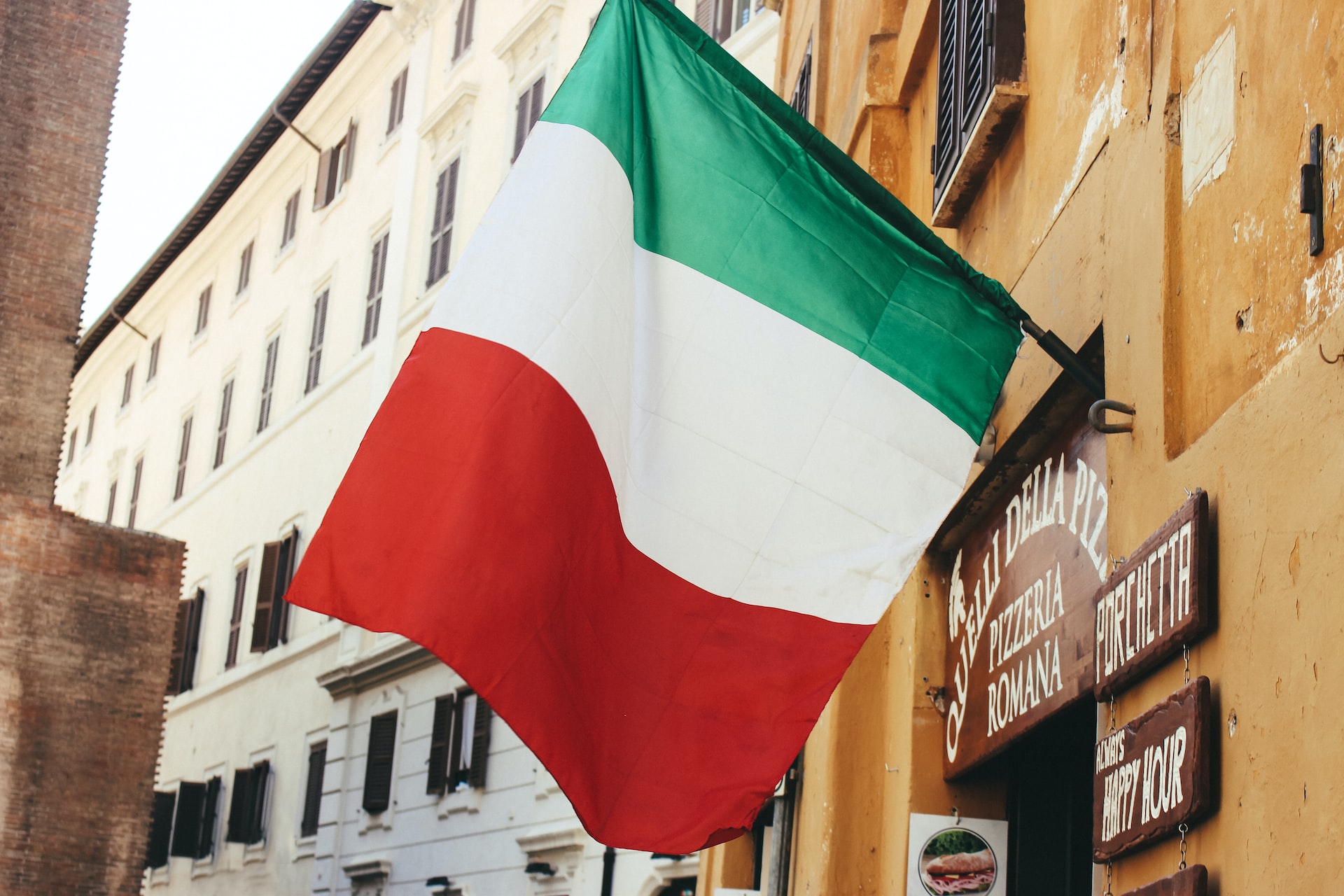
Pizza is one of the simplest pleasures of Italian life, but there is more to enjoying it than choosing your favorite toppings. From the way Italians order their pizzas to the customs surrounding the table, a visit to a traditional pizzeria reveals much about Italian food culture.
If you have ever ordered pizza in Italy, you may have noticed a few differences. Your pizza probably arrived whole rather than sliced. Everyone at the table may have ordered an individual pizza. And instead of garlic bread, you might have been offered a plate of fried appetizers before the main event.
These details reflect a broader Italian approach to food: appreciate good ingredients, respect regional traditions, and enjoy the meal without unnecessary complications.
Whether you are visiting Naples, Rome, Florence, or a small Italian town, here is how to eat pizza like an Italian.
Pizza Is a Complete Meal in Italy
One of the first things visitors discover is that pizza is generally considered a complete meal.
In a traditional Italian pizzeria, each person usually orders an individual round pizza. Unlike the large pizzas commonly shared by families and groups in the United States, Italian restaurant pizzas are typically designed for one person.
A Margherita, Marinara, or Capricciosa is often substantial enough to satisfy your appetite without additional courses.
This does not mean sharing is forbidden. Couples and families sometimes share a pizza, especially when accompanied by appetizers or other dishes. However, ordering one pizza per person remains the normal practice in many traditional pizzerias.
Pizza is also strongly associated with casual evening dining. Although you can find pizza for lunch throughout Italy, many neighborhood pizzerias traditionally become busiest in the evening.
If you want to understand how pizza fits into the wider culinary tradition, explore our guide to 20 iconic Italian dishes to try.
Should You Eat Pizza with a Knife and Fork?
One of the most common questions visitors ask is whether Italians eat pizza with their hands or with utensils.
The answer is both.
When a round pizza arrives at your table, it will often be unsliced. Many Italians begin by cutting it into manageable portions with a knife and fork.
This is particularly practical with Neapolitan pizza, which has a soft, flexible center. Fresh mozzarella, tomato sauce, and olive oil can make the middle delicate enough that lifting a large slice causes the toppings to slide off.
Some people continue eating with utensils throughout the meal. Others cut a slice, fold it slightly, and eat it with their hands.
Neither method is inherently incorrect.
The situation changes with street food.
In Naples, pizza a portafoglio is a smaller pizza folded over itself so it can be eaten while walking. The name refers to the way the pizza folds like a wallet.
In Rome, pizza al taglio is cut into rectangular portions and commonly eaten by hand.
The practical rule is simple: use a knife and fork when they make eating easier, and your hands when they are more convenient.
You do not need to worry about performing a complicated ritual to appear Italian.
Start with a Classic Margherita or Marinara
When visiting a good pizzeria for the first time, I recommend starting with one of the simplest pizzas on the menu.
A classic Margherita combines tomato, mozzarella, fresh basil, and olive oil. These ingredients create a balanced combination of sweetness, acidity, creaminess, and freshness.
Its simplicity also makes it an excellent test of a pizzeria’s quality.
With relatively few toppings, there is nowhere for poor dough, bland tomato sauce, or disappointing mozzarella to hide.
The other great Neapolitan classic is the Marinara.
Despite its name, the traditional Pizza Marinara contains no seafood. It is prepared with tomato, garlic, oregano, and olive oil.
There is no mozzarella, making it a useful option for people avoiding dairy, although anyone with allergies should confirm the ingredients and preparation methods.
The name can be confusing because marinara is sometimes associated with seafood or tomato sauces outside Italy.
Both Margherita and Marinara demonstrate an important principle of Italian cooking: a few carefully selected ingredients can produce an exceptional dish.
The quality of the olive oil matters, too. Our guide to Italian extra virgin olive oil explains how regional oils differ and what to look for when buying them.
Understand the Different Styles of Italian Pizza
Not every Italian pizza looks or tastes the same.
Italy has several regional pizza traditions, and the differences can be considerable.
Neapolitan Pizza
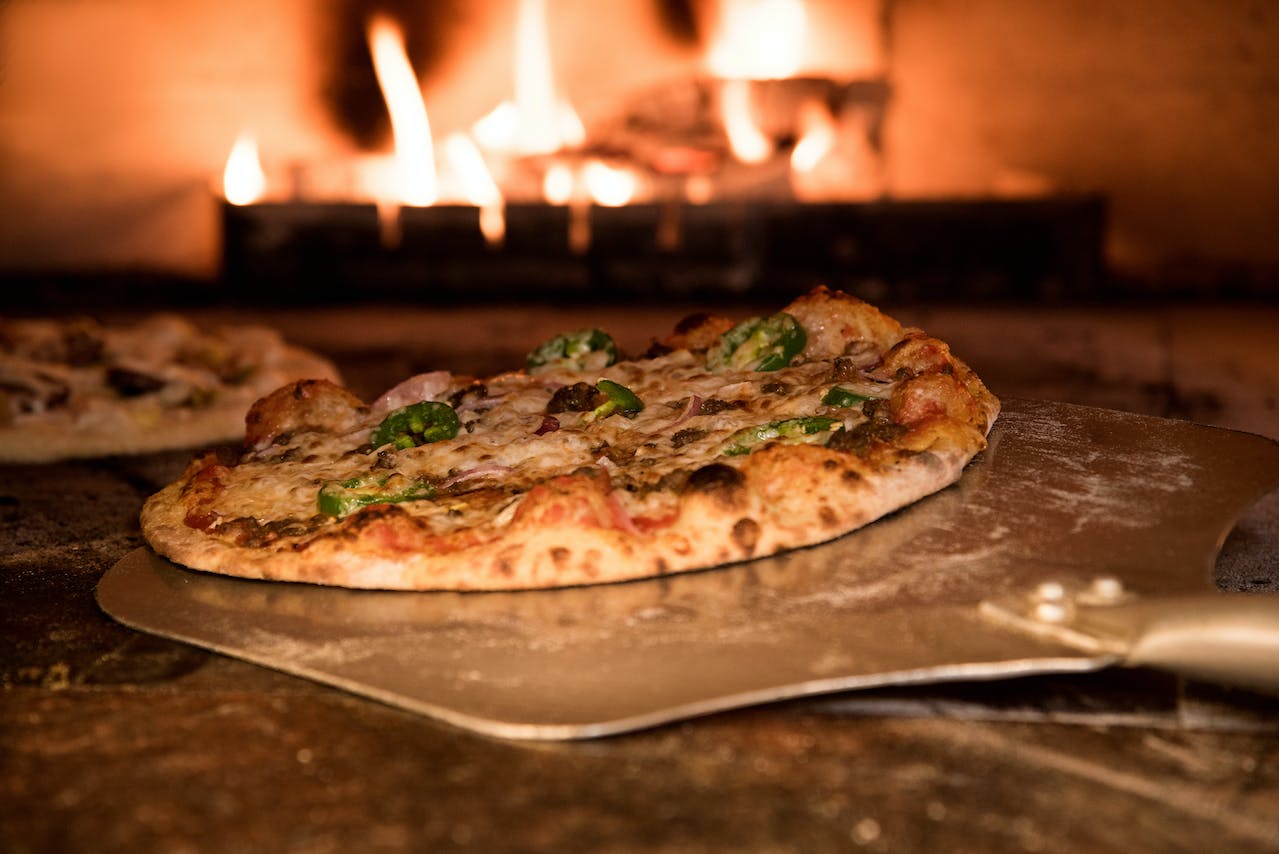
Pizza Napoletana is famous for its soft center and raised, airy crust, known as the cornicione.
Traditional versions are baked very quickly at extremely high temperatures. The result is a flexible pizza with a tender interior and lightly browned or spotted edges.
In 2017, UNESCO recognized the art of the Neapolitan pizzaiuolo as intangible cultural heritage.
The recognition concerns the craft, knowledge, and social traditions of Neapolitan pizza-making, rather than every pizza produced in Naples.
Roman Pizza
Rome offers a different experience.
Traditional pizza romana tonda is generally thinner and crispier than Neapolitan pizza. Some Roman pizzerias serve an especially thin, almost cracker-like crust.
Rome is also famous for pizza al taglio, baked in large rectangular trays and sold in portions, often priced by weight.
It is ideal for a quick lunch or an inexpensive snack while sightseeing.
Sicilian Pizza
Sicily has its own distinctive traditions.
In Palermo, sfincione is a thick, soft pizza-like bread commonly topped with tomato, onions, anchovies, cheese, and breadcrumbs.
Other parts of Sicily prepare different baked specialties, including stuffed and folded variations.
Contemporary Italian Pizza
Modern Italian pizzaioli are constantly experimenting with different flours, longer fermentation, creative ingredients, and new baking techniques.
You may encounter gourmet pizzas topped with burrata, seasonal vegetables, truffles, or regional cured meats.
There is no reason to reject contemporary pizza simply because it differs from older traditions.
For a deeper exploration, read The Ultimate Guide to Italian Pizza: From Naples to Rome and Beyond.
Choose Your Toppings Without Overcomplicating the Pizza
Italians enjoy a wide range of pizza toppings, but traditional combinations often emphasize balance rather than quantity.
A pizza covered with too many ingredients can become heavy, difficult to eat, and less enjoyable.
Some popular choices include:
- Margherita: Tomato, mozzarella, basil, and olive oil.
- Marinara: Tomato, garlic, oregano, and olive oil.
- Diavola: Tomato, mozzarella, and spicy salami.
- Quattro Formaggi: A combination of four cheeses.
- Capricciosa: Typically includes tomato, mozzarella, mushrooms, artichokes, and ham, sometimes with olives or other ingredients.
- Prosciutto e Funghi: Ham and mushrooms, often with tomato and mozzarella.
- Salsiccia e Friarielli: Sausage and sautéed bitter greens, particularly associated with Naples.
- Tonno e Cipolla: Tuna and onions, a combination that surprises some visitors but is familiar in Italian pizzerias.
An important detail for American visitors: ordering a pepperoni pizza in Italy may not produce the result you expect.
The Italian word peperoni refers to bell peppers. If you want spicy salami, look for Diavola or ask about the type of salami available.
Also, pizza rossa simply indicates a tomato-based pizza, while pizza bianca generally refers to pizza without tomato sauce. Neither term guarantees a particular set of toppings.
Italian cheese deserves special attention. Mozzarella made from cow’s milk, known as fior di latte, is common on pizza, while buffalo mozzarella offers a richer, more delicate alternative.
Learn about these ingredients in our guide to Italian cheeses.
Should You Add Parmesan, Ketchup, or Other Condiments?
In a traditional pizzeria, the pizza usually arrives ready to eat.
The pizzaiolo has selected the ingredients and their proportions to create a particular result.
You generally do not need ketchup, extra cheese, or additional sauces.
Sprinkling grated Parmesan over every pizza is not a universal Italian custom, although certain recipes include grated cheese, and some establishments make it available.
Likewise, chili oil or dried chili flakes may be offered, especially for customers who enjoy spicy food.
Adding something to your pizza is not automatically an insult to the chef. However, if you are visiting a pizzeria known for its traditional recipes, I suggest tasting the pizza before modifying it.
A well-prepared Margherita should not need much assistance.
What Do Italians Drink with Pizza?
Beer is one of the most popular drinks to accompany pizza in Italy.
A cold lager works particularly well with the combination of bread, tomato, cheese, and olive oil.
You will often see Italian and international beers on the menu, including smaller craft breweries offering more distinctive styles.
However, beer is not the only acceptable choice.
Wine can be excellent with pizza.
A light Italian red, such as Barbera or a young Chianti, can complement tomato-based pizzas. A crisp white wine may work beautifully with vegetable or seafood toppings.
Sparkling water, soft drinks, and alcohol-free beer are also common choices.
Many Italians enjoy a Coca-Cola with pizza, especially during casual meals.
There is no strict rule that requires drinking beer.
If you enjoy exploring Italian drinking traditions, our Italian aperitivo guide explains the customs surrounding drinks, snacks, and social gatherings before dinner.
What About Appetizers and Side Dishes?
Pizza usually arrives as the main dish, but Italian pizzerias frequently offer appetizers.
In Naples, you may find crocchè, fried potato croquettes, along with small fried pizzas and other specialties.
In Rome, supplì are particularly popular. These fried rice croquettes traditionally contain a tomato-seasoned rice filling with melting mozzarella.
Other possibilities include bruschetta, fried vegetables, small portions of focaccia, or a selection of regional appetizers.
You do not need to order an appetizer, especially if you are planning to eat an entire pizza.
A large salad alongside pizza is less standard in traditional Italian pizzerias than in some other countries, but salads and vegetables are often available.
Garlic bread as a separate side dish is not a typical Italian pizzeria tradition. You are more likely to encounter bruschetta, focaccia, or another regional bread preparation.
Personally, I prefer to keep the meal simple. An excellent pizza and a drink are usually enough.
For a broader explanation of Italian restaurant habits, see our guide to Italian food etiquette and what to order at a restaurant.
How to Recognize a Good Italian Pizzeria
A good pizza begins with the dough.
Look for a crust that has been properly fermented and baked according to its regional style.
Neapolitan pizza should have a soft, flexible center and an airy, well-developed rim. Roman pizza may be crispier, with a thinner base.
A few dark spots from high-temperature baking are normal, particularly on Neapolitan pizza. Large areas of unpleasantly burnt dough, however, are not a sign of superior quality.
The toppings should be balanced.
A pizza overwhelmed by excessive cheese or moisture may become difficult to eat. Tomato sauce should complement the dough rather than dominate every bite.
Fresh ingredients are important, but so is technical skill.
An expensive pizza is not necessarily better than a modestly priced Margherita from a neighborhood pizzeria.
I would also avoid judging a restaurant exclusively by its location or decorations.
Some outstanding pizzas are served in simple establishments with basic tables and paper placemats.
Local recommendations, consistent quality, and a focused menu are often more useful indicators than elaborate marketing.
Ordering Pizza in Italian: Useful Expressions
You do not need to speak fluent Italian to enjoy a traditional pizzeria.
A few simple phrases can make ordering easier.
“Vorrei una pizza Margherita, per favore.”
I would like a Margherita pizza, please.
“Per me una Marinara.”
A Marinara for me.
“Avete la pizza senza glutine?”
Do you have gluten-free pizza?
“Senza mozzarella, per favore.”
Without mozzarella, please.
“Una birra media, per favore.”
A medium-sized beer, please.
“Possiamo avere il conto?”
May we have the bill?
If you have a food allergy or celiac disease, explain it clearly rather than relying on a general dietary request. Gluten-free dough does not automatically mean the kitchen prevents cross-contact.
It is also useful to remember that the Italian menu may describe ingredients differently from English-language menus.
Prosciutto cotto is cooked ham, while prosciutto crudo is cured ham.
Funghi means mushrooms, melanzane means eggplant, and rucola is arugula or rocket.
Learning a few of these words helps you explore beyond familiar combinations.
Italian Pizzeria Etiquette: Timing, Service, and the Bill
Italian pizzerias are usually informal places.
You do not need to dress elegantly, although some fashionable restaurants have a more sophisticated atmosphere.
Dinner often starts later than American visitors expect. Some traditional pizzerias do not open for evening service until around 7 p.m., although schedules vary by city and establishment.
Popular pizzerias can become crowded on Friday and Saturday evenings. A reservation may be advisable, especially for a larger group.
When you sit down, you may notice a charge called coperto on the menu or bill.
This is a cover charge charged per person by some restaurants. It is not the same as a tip.
Tipping in Italy is generally optional. A small amount for particularly good service is appreciated, but the large percentage-based tips customary in the United States are not normally expected.
Service may also feel less intrusive.
A waiter might not repeatedly return to ask whether everything is satisfactory. This is usually a different service style, not a sign of indifference.
When you are finished, ask for the bill rather than expecting it to appear automatically.
The idea is to enjoy the meal at a comfortable pace while respecting the restaurant’s arrangements, especially if other customers have reserved the table.
Pizza in Naples: An Experience Worth Having
If you love pizza, Naples deserves a place on your travel itinerary.
The city has preserved and developed a remarkable pizza-making tradition, supported by generations of skilled pizzaioli.
Watching an experienced pizza maker shape the dough, add tomato and mozzarella, and move the pizza through a blazing oven is part of the experience.
The connection between pizza and Naples goes beyond restaurants.
Pizza is part of the city’s daily rhythm, neighborhood identity, street-food culture, and culinary history.
Some of the best experiences involve standing at a small counter with a folded pizza or sitting in a lively pizzeria surrounded by local families.
When visiting Naples, I suggest trying at least two different preparations: a classic Margherita in a traditional pizzeria and a folded or fried pizza from a street-food establishment.
For more ideas about the city and its culinary traditions, explore our Naples travel guide and our guide to the Campania region.
Common Mistakes Tourists Make When Eating Pizza in Italy
Most Italian pizzerias welcome international visitors, and restaurant staff are accustomed to different dining habits.
Still, understanding a few differences will make the experience easier.
First, do not assume your pizza will arrive precut. In a sit-down pizzeria, you will often cut it yourself.
Second, remember that traditional pizzas are frequently individual portions. A menu price may refer to one complete round pizza rather than a slice.
Third, do not expect every pizzeria to serve the same kind of crust. A soft Neapolitan pizza and a crisp Roman pizza are both legitimate traditions.
Fourth, avoid judging a pizza solely by the quantity of toppings. Simplicity is often intentional.
Fifth, remember that restaurant customs vary. What is typical in Naples may differ from what you encounter in Milan, Palermo, or Florence.
Finally, do not become so concerned about eating correctly that you forget to enjoy yourself.
There is no official Italian pizza police.
How to Enjoy Italian Pizza at Home
If you want to make your own pizza, our Authentic Italian Pizza guide explains the essential ingredients, dough fermentation, baking techniques, and how to produce excellent results at home.
You can bring some of the Italian approach to pizza into your own kitchen.
Start with good ingredients rather than an excessive number of toppings.
A simple tomato sauce, fresh mozzarella, basil, and extra virgin olive oil can produce excellent results when combined with properly prepared dough.
Give the dough adequate time to develop flavor and structure.
Bake at the highest suitable temperature your equipment and recipe allow, following the manufacturer’s safety guidance.
A domestic oven will not reproduce every characteristic of a professional Neapolitan wood-fired oven, but it can still produce very good pizza.
Serve the pizza promptly, while the cheese is warm and the crust retains its intended texture.
And if you want to create a complete Italian evening, begin with a few olives or another modest appetizer, share a drink, and sit down together for the main course.
Our Italian pantry essentials guide will help you select many of the ingredients that make Italian home cooking so rewarding.
The Italian Secret: Enjoy Pizza Without Complicating It
Ultimately, eating pizza like an Italian is less about following rigid rules than understanding the spirit of the meal.
Choose a good pizzeria. Appreciate the craftsmanship behind the dough. Try traditional combinations before covering your pizza with unnecessary extras.
Use a knife and fork if the pizza is too delicate to lift. Eat with your hands when it makes sense.
Order a beer, a glass of wine, or sparkling water, whichever you prefer.
Above all, remember that Italian pizza is intended to be enjoyed.
Whether it is a classic Margherita in Naples, a crisp Roman pizza, or a slice eaten while walking through an Italian town, the combination of good food and good company is what makes the experience memorable.
Buon appetito!
External Sources
- Associazione Verace Pizza Napoletana — Official Traditional Pizza Guidelines
- UNESCO — Art of Neapolitan Pizzaiuolo
![Flour Water Salt Yeast: The Fundamentals of Artisan Bread and Pizza [A Cookbook]](https://m.media-amazon.com/images/I/51u9oR5Yr4L._SS500_.jpg)
![Mastering Pizza: The Art and Practice of Handmade Pizza, Focaccia, and Calzone [A Cookbook]](https://m.media-amazon.com/images/I/61s+vTX2a4L._SS500_.jpg)
![The Elements of Pizza: Unlocking the Secrets to World-Class Pies at Home [A Cookbook]](https://m.media-amazon.com/images/I/41b2lVg5uLL._SS500_.jpg)