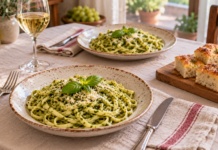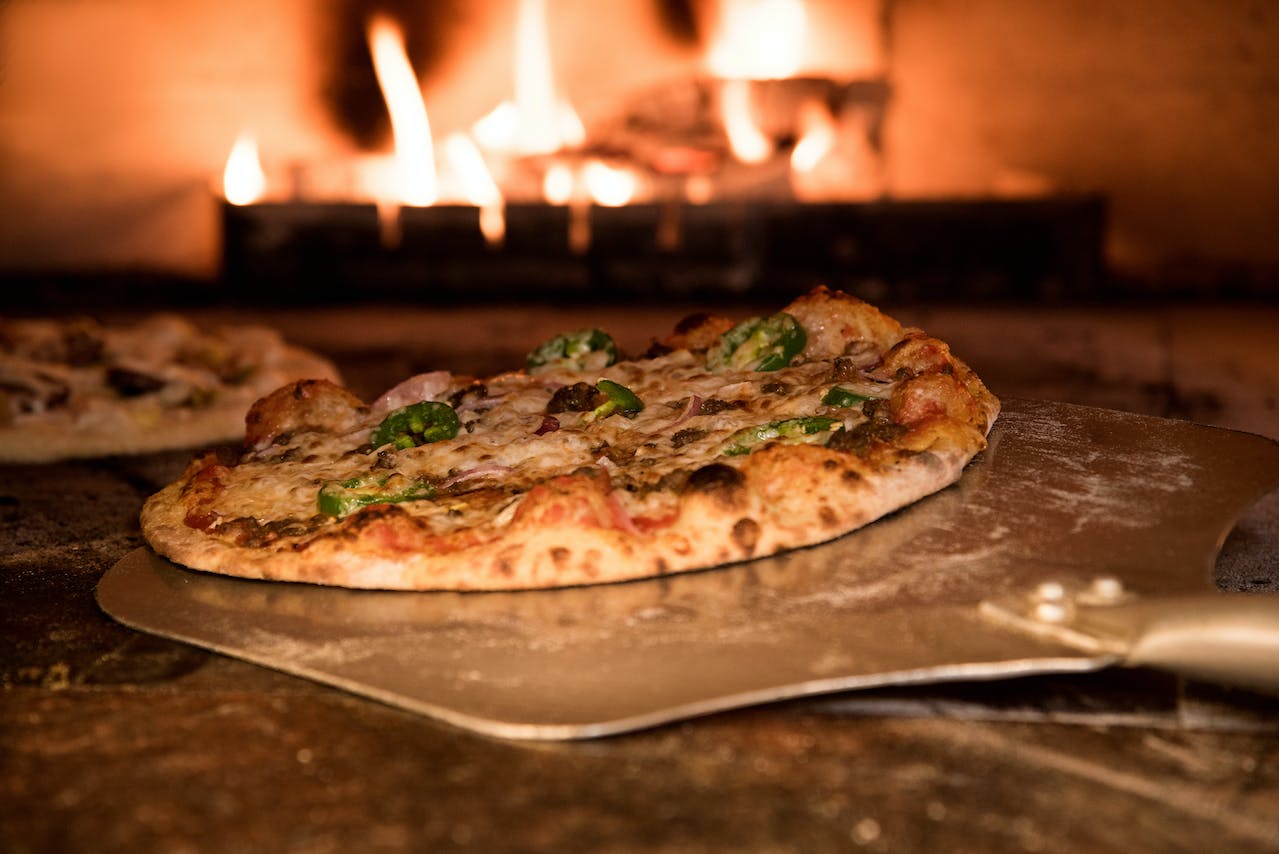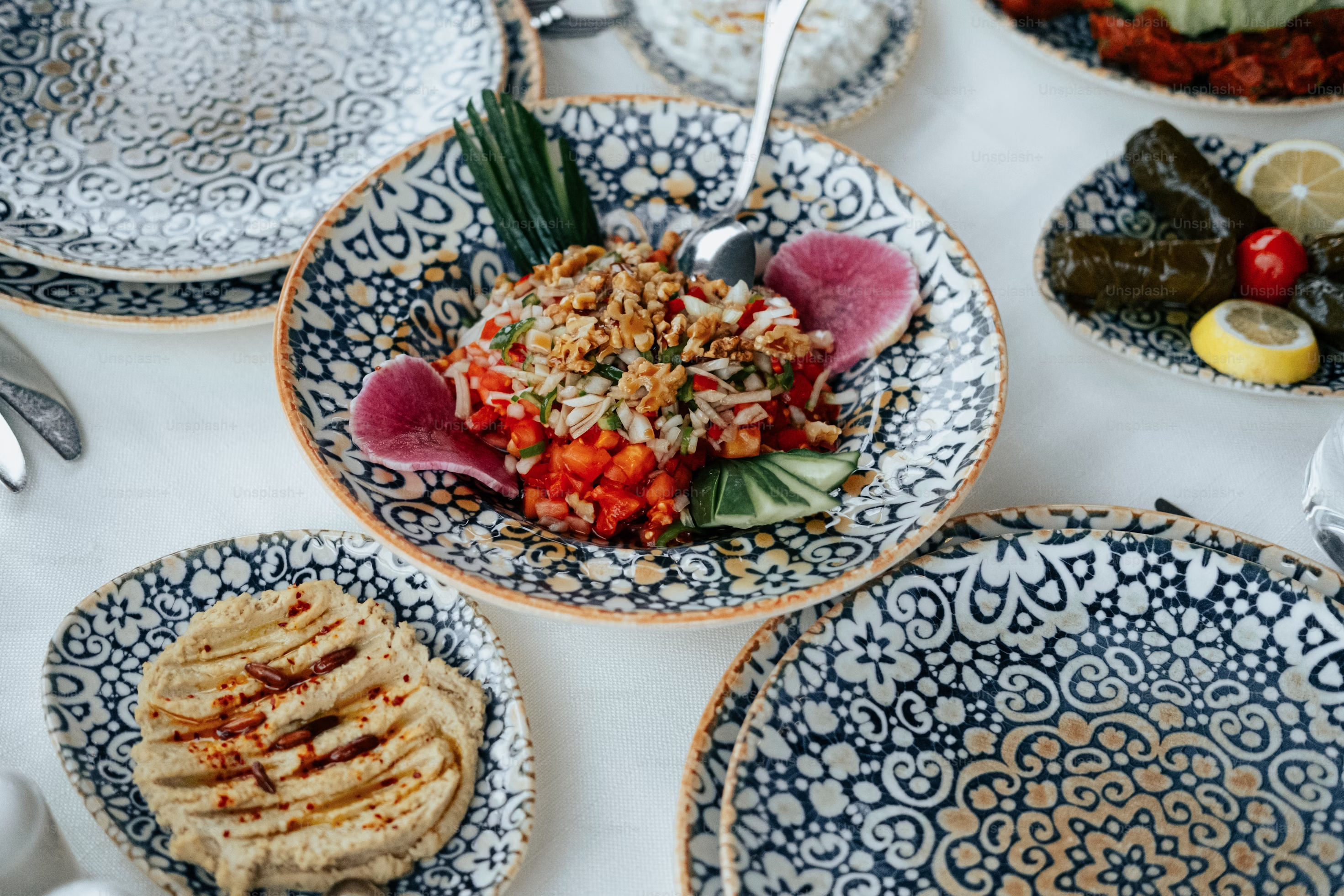
 Most Italian restaurants abroad serve a familiar collection of dishes: pizza, lasagna, spaghetti with tomato sauce, risotto, tiramisù and perhaps a few regional specialties. These foods are genuinely Italian, but they represent only a small part of the country’s culinary heritage.
Italian cuisine is intensely local. Recipes developed around ingredients that were available within a particular valley, coastal town or farming community. Some dishes remain virtually unknown outside their home provinces—and occasionally outside the villages where they originated.
This explains why traveling through Italy can produce so many culinary surprises. A dish considered perfectly ordinary in Trieste, Bari or Palermo may be unfamiliar to someone from Milan or Florence, let alone to diners in London, Sydney or New York.
If you want to understand the remarkable differences among the country’s culinary traditions, begin with our guide to Italian delicacies by region.
Why So Much Italian Food Never Travels Abroad
Some regional dishes are difficult to reproduce outside Italy because they depend on intensely local ingredients. Others require slow preparation, attract only adventurous diners or simply lack the international recognition needed to earn a place on restaurant menus.
Italian-American cuisine also developed as a separate tradition. Immigrants adapted their recipes to the ingredients, prices and expectations of their new countries. Meat became more plentiful, portions grew larger and several regional traditions gradually blended together.
Meanwhile, thousands of everyday Italian dishes remained at home.
Many of these foods belong to cucina povera, the resourceful cooking of rural families, fishermen and urban workers. Stale bread, inexpensive vegetables, legumes, organ meats and preserved fish were transformed into deeply satisfying meals. These recipes are now valued as part of Italy’s cultural identity rather than merely remembered as food associated with poverty.
The following specialties reveal an Italy rarely represented by the standard international restaurant menu.
1. Bagna Cauda — Piedmont
Bagna cauda is a warm sauce made with garlic, anchovies and olive oil, sometimes enriched with butter. It is served communally and kept warm at the table while diners dip raw or cooked vegetables into it.
The dish comes from Piedmont and is particularly associated with the autumn and winter months. Traditional accompaniments include peppers, cardoons, Jerusalem artichokes, cabbage, onions and potatoes.
Bagna cauda is not often offered abroad because its assertive combination of anchovies and garlic is difficult to soften without changing the character of the dish. It is also a social ritual rather than a conventional appetizer: everyone eats from the same pot, slowly and generously.
In Piedmont, it is something to share rather than rush.
2. Finanziera — Piedmont
Finanziera is one of Turin’s most distinctive and least internationally known dishes. It is a rich preparation traditionally made with assorted organ meats, including sweetbreads, liver, kidneys, combs and wattles from chickens.
The ingredients are cooked in a slightly acidic sauce that may contain vinegar, Marsala or wine. The contrast between rich meat and sharp seasoning gives the dish its unusual character.
Its origins are debated, although it has long been associated with Piedmontese cooking and the city’s nineteenth-century financial and commercial world. Modern tastes have made organ-based recipes less common, which helps explain why finanziera rarely appears outside the region.
3. Seupa à la Vapelenentse — Aosta Valley
This substantial baked soup comes from Valpelline in the Aosta Valley. Layers of stale bread, cabbage and Fontina cheese are moistened with broth and baked until the top becomes golden.
The result sits somewhere between a soup, a casserole and a savory bread pudding. It reflects the practical mountain cooking of a region where bread, preserved cheese, cabbage and meat broth helped families through long winters.
Fontina may be available abroad, but seupa remains strongly connected to the Alpine climate and communal dining traditions of its birthplace.
4. Capunet — Piedmont
Capunet are cabbage rolls filled with a mixture that may include leftover roasted meat, sausage, breadcrumbs, egg and cheese. The exact recipe changes from one household to another.
They are a fine example of Italian home cooking based on avoiding waste. Rather than serving leftovers unchanged, cooks transformed them into a completely new dish.
Similar stuffed cabbage recipes exist elsewhere in Europe, but capunet retain a distinctly Piedmontese identity through their filling, seasoning and use of local cheese.
5. Sciatt — Lombardy
Sciatt are crisp buckwheat fritters from Valtellina filled with melting local cheese, traditionally Casera. Their name means “toads” in the local dialect, probably because of their irregular shape.
They are usually served hot over a bed of dressed chicory. The contrast between the crunchy exterior, molten cheese and slightly bitter salad makes them far more refined than their rustic appearance suggests.
Sciatt are uncommon abroad because authentic preparation requires the right buckwheat flour, local cheese and immediate service. They are best eaten only moments after leaving the frying pan.
6. Nervetti — Lombardy
Nervetti are pieces of cooked calf cartilage, usually dressed with onions, parsley, vinegar and oil. Once common in Milanese taverns, they were traditionally eaten as an antipasto or accompanied by a glass of wine.
The texture may surprise visitors accustomed to lean cuts of meat. Yet the dish represents an older Italian approach in which nearly every edible part of an animal was used.
Nervetti are now less visible even in Milan, although traditional establishments and specialty food shops sometimes preserve the custom.
7. Brovada e Muset — Friuli Venezia Giulia
Brovada consists of turnips fermented in grape marc and then slowly cooked. It is traditionally served with muset, a seasoned pork sausage related to cotechino.
The turnips have a sour, earthy flavor that cuts through the richness of the meat. This combination is deeply rooted in the agricultural and Central European influences of Friuli Venezia Giulia.
Because genuine brovada depends on a specific fermentation process, the dish is difficult to reproduce authentically outside its region. It is precisely the kind of food that rewards travelers who look beyond internationally famous Italian recipes.
Friuli’s cuisine also includes dishes with Austrian, Hungarian, Venetian and Slovenian influences, making it one of Italy’s most culturally layered food traditions.
8. Cjarsòns — Friuli Venezia Giulia
Cjarsòns are filled pasta parcels from Carnia, a mountainous area of Friuli. There is no single definitive filling. Recipes can combine potatoes, ricotta, herbs, raisins, dried fruit, cinnamon, cocoa or even crushed biscuits.
The mixture of sweet and savory flavors may seem unusual to diners who associate Italian pasta exclusively with tomato, meat or cheese sauces. Cjarsòns are generally served with melted butter and smoked ricotta.
Historically, families developed their own versions according to the ingredients they possessed. As a result, one village’s cjarsòns may taste quite different from those prepared a few kilometers away.
9. Risi e Bisi — Veneto
Risi e bisi—rice and peas—is a Venetian springtime specialty with a consistency between risotto and soup. It is traditionally prepared with fresh peas, rice, broth, onion, butter, parsley and grated cheese.
Although the ingredients appear simple, its characteristic texture is often lost in recipes outside Veneto. It should be soft and fluid, not as dry as risotto and not as liquid as soup.
Fresh young peas are essential. Traditionally, even the pods could be used to flavor the broth, making the dish an elegant demonstration of economical seasonal cooking.
10. Pearà — Veneto
Pearà is a peppery bread sauce from Verona, usually served with boiled meats. Its principal ingredients are breadcrumbs, broth, beef marrow, black pepper and grated cheese.
The name is connected to pearo, a local word for pepper, and a proper version should have a noticeable peppery warmth.
Pearà remains rare abroad because it is not designed to stand alone. It belongs to the ritual of the Veronese bollito misto, a selection of slowly boiled meats accompanied by sauces and condiments.
11. Mesciua — Liguria
Mesciua is a thick soup associated with La Spezia. It is made with a mixture of chickpeas, beans and wheat berries, dressed simply with olive oil and black pepper.
The name is linked to the idea of mixing. According to local tradition, the dish emerged from the port, where working-class families collected small quantities of legumes and grains that had escaped from sacks during unloading.
Whether every detail of that story can be documented or not, the recipe clearly reflects the frugal maritime culture of La Spezia. It is filling, nutritious and strikingly different from the pesto-centered image of Ligurian cuisine found abroad.
12. Panigacci — Tuscany
Panigacci come from Podenzana and the Lunigiana area of northern Tuscany. A simple batter of flour, water and salt is cooked between red-hot terracotta dishes called testi.
They emerge as thin, irregular rounds that can be served with cured meats and soft cheese or boiled briefly and dressed with pesto or sauce.
Their preparation depends heavily on the traditional terracotta equipment and the intense heat of an open fire. This makes authentic panigacci difficult to reproduce in a standard restaurant kitchen.
For travelers exploring beyond Florence and Siena, Lunigiana offers a very different side of Tuscan food and culture.
13. Acquacotta — Tuscany
Literally meaning “cooked water,” acquacotta is a rustic soup from the Maremma area. Its ingredients vary but often include onions, tomatoes, celery, leafy vegetables, stale bread, olive oil and an egg.
It was traditionally associated with shepherds, charcoal workers and agricultural laborers who needed to prepare meals from ingredients that were inexpensive and readily available.
The name may sound unpromising, but a well-made acquacotta is deeply flavorful. Its simplicity also illustrates an important principle of Italian cooking: a dish does not need many ingredients when each one is treated properly.
14. Garmugia — Tuscany
Garmugia is a spring soup from Lucca made with fresh peas, artichokes, asparagus, broad beans and small amounts of meat, typically pancetta or veal.
Unlike heavier winter soups, it is delicate, green and seasonal. Its short period of availability is one reason it remains largely unknown abroad. Preparing it with frozen vegetables throughout the year misses much of its purpose.
Garmugia belongs to a cuisine organized around the agricultural calendar. It tastes like a particular moment in spring rather than a standardized recipe available in every season.
15. Frittata con gli Zoccoli — Tuscany
This Tuscan omelet receives its colorful name—“omelet with clogs”—from the pieces of pancetta or cured pork projecting from it.
It was once a substantial meal for farmers and laborers. Eggs provided the base, while small pieces of pork added fat, salt and flavor.
Few travelers know the dish because it is closer to home cooking than restaurant cuisine. Yet it reveals how Italian families historically turned a few inexpensive ingredients into a complete meal.
16. Frascarelli — Marche
Frascarelli are a rustic pasta specialty from the Marche. Traditionally, droplets of water are scattered over flour and worked with the fingers to create small, irregular pieces.
The pasta may be cooked in water or broth and served with tomato sauce, sausage, grated cheese or other local condiments. In some versions, rice is incorporated into the mixture.
Frascarelli are not visually polished, and that is part of their appeal. They preserve the character of handmade food created without specialized equipment.
17. Vincisgrassi — Marche
At first glance, vincisgrassi resemble lasagna, but dismissing them as another form of lasagna would overlook their distinctive history and preparation.
Traditional versions from the Marche use many thin layers of pasta with a rich ragù that may include chicken giblets and several types of meat. Béchamel and grated cheese complete the dish.
The flavor is deeper and more complex than that of the simplified lasagna frequently served abroad. Vincisgrassi are reserved for celebrations and leisurely Sunday meals, when the lengthy preparation becomes part of the occasion.
To understand how dishes like this fit into Italian family life, see our guide to the traditional Italian Sunday lunch.
18. Pallotte Cacio e Ova — Abruzzo
Pallotte cacio e ova look like meatballs but contain no meat. They are made primarily with cheese, eggs and breadcrumbs, fried and then simmered in tomato sauce.
The dish emerged from rural households where meat was expensive but sheep’s-milk cheese and eggs were more accessible. The finished pallotte are soft, savory and remarkably satisfying.
Outside Abruzzo they are often incorrectly presented as a vegetarian imitation of meatballs. In reality, they are an independent traditional dish with their own history and texture.
19. Le Virtù — Abruzzo
Le virtù is an elaborate soup traditionally prepared in Teramo around the beginning of May. It brings together dried legumes remaining from winter with fresh spring vegetables, pasta, herbs and, depending on the recipe, pieces of pork.
The dish celebrates the transition between seasons while ensuring that stored ingredients are not wasted. Families may use dozens of components, each cooked separately before being combined.
Because of its complexity and close connection to a particular date, le virtù rarely travels. It is not simply a bean soup but an annual communal tradition.
20. Ciaudedda — Basilicata
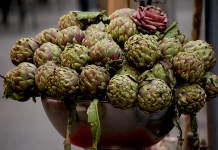
Ciaudedda is a vegetable stew from Basilicata traditionally made with artichokes, potatoes, broad beans and onions. Ingredients vary according to season and household custom.
It may be served warm or at room temperature, sometimes accompanied by bread. The dish demonstrates how the cuisine of Basilicata turns straightforward garden produce into something comforting and substantial.
International Italian restaurants frequently depend on a predictable collection of vegetables—tomatoes, zucchini, eggplant and peppers—while dishes based on broad beans and artichokes remain comparatively rare.
21. Rafanata — Basilicata
Rafanata is a baked preparation associated with Basilicata, especially the area around Matera. It is made with eggs, potatoes, cheese and a generous amount of grated horseradish.
The horseradish gives the dish its distinctive sharpness. Locally it has sometimes been described as the “truffle of the poor” because a small quantity can transform otherwise simple ingredients.
Although it resembles a thick frittata, its flavor is unlike the mild egg dishes typically encountered abroad.
22. Morzeddhu — Calabria
Morzeddhu is a Catanzaro specialty made from slowly cooked veal offal in a spicy tomato sauce. It is traditionally served inside pitta, a ring-shaped Calabrian bread.
Historically associated with workers and inexpensive cuts of meat, it has the intensity expected from Calabrian cooking: rich, spicy and deeply savory.
Its reliance on organ meats limits its international appeal, but for adventurous visitors it offers a direct connection to Catanzaro’s working-class culinary history.
23. Maccu di Fave — Sicily
Maccu is a thick purée or soup made from dried broad beans. Versions are found in Sicily and other parts of southern Italy, often flavored with wild fennel and finished with olive oil.
The dish predates many tomato-based recipes now considered representative of Sicilian cooking. Its principal ingredients are ancient, inexpensive and closely tied to rural life.
Leftover maccu can thicken as it cools and may then be sliced and fried. It is an excellent example of how one preparation could provide more than one meal.
24. Pani câ Meusa — Sicily
Pani câ meusa is one of Palermo’s most distinctive street foods. Slices of spleen and lung are boiled and then fried in lard before being tucked into a soft sesame-topped roll.
It may be ordered schettu, meaning plain with lemon, or maritatu, “married,” with grated cheese or ricotta.
The sandwich is common in Palermo’s markets but seldom found in Italian restaurants abroad. Its ingredients challenge diners who are unfamiliar with offal, while its preparation and cultural setting are difficult to reproduce convincingly elsewhere.
25. Farsu Magru — Sicily
Despite its name—“false lean”—farsu magru is a generously filled meat roll. A flattened piece of beef surrounds a filling that may contain minced meat, eggs, cheese, cured meats and herbs.
The roll is tied, browned, slowly cooked in tomato sauce and sliced to reveal its decorative interior. It was traditionally prepared for festive meals because the filling transformed a limited outer layer of beef into an abundant-looking centerpiece.
Every family has its own version, and the dish remains far less internationally recognized than pasta alla Norma, caponata or arancini.
26. Cordula — Sardinia
Cordula is prepared from lamb or goat intestines carefully cleaned, braided and cooked with peas, onions, tomatoes or other seasonal ingredients.
The braiding technique is part of the dish’s identity and requires considerable skill. Cordula is connected to Sardinia’s pastoral culture, in which slaughtering an animal carried an obligation to use as much of it as possible.
It is one of the clearest examples of a traditional food that rarely survives translation to international restaurant menus.
27. Zuppa Gallurese — Sardinia
Despite its name, zuppa gallurese is not a liquid soup. It is a baked dish made by layering bread, sheep’s cheese and broth, sometimes with herbs or additional cheese.
The bread absorbs the broth while the top becomes browned and aromatic. The result resembles a savory bread casserole and was traditionally served at weddings, holidays and important family gatherings.
Because Sardinian cuisine abroad is often reduced to porceddu, pane carasau and a few pasta dishes, zuppa gallurese remains an unexpected discovery.
What These Dishes Tell Us About Italian Cuisine
These specialties challenge the simplified idea of Italian food as a single national menu.
Traditional cooking in Italy developed from geography and necessity. Mountain families relied on cabbage, cheese, buckwheat and preserved meat. Coastal communities used inexpensive fish and ingredients passing through their ports. Farming households built meals around legumes, bread, seasonal vegetables and the careful use of every part of an animal.
This diversity remains fundamental to Italian culinary identity. The Accademia Italiana della Cucina’s national survey documented approximately 1,730 traditional recipes, showing how much exists beyond the small selection familiar to international diners.
The most authentic food experience in Italy is therefore not always the most famous one. It may be a bowl of soup available only in spring, handmade pasta known within a single valley or an old-fashioned dish absent from the English-language menu.
How to Find These Foods in Italy
Look for restaurants describing themselves as trattoria tipica, osteria, cucina regionale or cucina del territorio. Ask which dishes are actually local rather than simply choosing the most recognizable item on the menu.
Daily specials are often more revealing than permanent menus. Seasonal soups, fresh vegetables, handmade pasta and slow-cooked dishes may only appear when ingredients are available or when the cook has had time to prepare them.
Food markets and village festivals—sagre—are also valuable. A sagra usually celebrates a local ingredient or recipe and may be the best place to encounter foods rarely served in conventional restaurants.
When planning your journey, allow time for smaller towns and provincial capitals. Italy’s culinary culture becomes much more interesting once you travel beyond the handful of cities visited by almost everyone. Our Italy travel guide for first-time visitors provides a useful starting point.
Books for Exploring Lesser-Known Italian Food
La Cucina: The Regional Cooking of Italy
Created from recipes collected by the Accademia Italiana della Cucina, this substantial volume explores home cooking from across Italy and reaches far beyond the dishes normally encountered abroad.
The Silver Spoon
This wide-ranging reference contains hundreds of recipes representing Italian household cooking, including vegetables, soups, meat, fish, pasta and desserts.
Essentials of Classic Italian Cooking by Marcella Hazan
Marcella Hazan’s influential book explains the principles behind traditional Italian cooking and provides important context for readers whose experience is based mainly on restaurant food.
Pasta Grannies: The Official Cookbook
This collection focuses on recipes preserved by Italian home cooks, including regional pasta shapes and preparations seldom seen outside their places of origin.
As an Amazon Associate, Italia Mia may earn from qualifying purchases.
A Different Way to Taste Italy
There is nothing wrong with enjoying pizza in Naples, pesto in Genoa or tagliatelle al ragù in Bologna. These dishes became famous for good reason.
But Italy becomes more rewarding when we also pay attention to the foods that did not become international brands.
Seek out brovada in Friuli, mesciua in La Spezia, garmugia in Lucca, pallotte cacio e ova in Abruzzo or maccu in Sicily. Ask a restaurant owner what people from the area actually eat at home. Visit a market without arriving with a fixed list of famous dishes.
The meals you remember most may be the ones you had never heard of before entering the restaurant.
External Links
- Accademia Italiana della Cucina: Traditional Recipe Archive
- Accademia Italiana della Cucina: Regional Italian Recipe Collections
- Italia.it: Italian Cuisine and Its Regional Diversity
- Italia.it: Food and Wine Traditions of Friuli Venezia Giulia