 Italy’s art is not confined to museum walls. It fills cathedral domes, medieval squares, archaeological sites, palaces, churches and streets that have been continuously reshaped for more than two thousand years.
Rome, Florence and Venice naturally dominate many first itineraries, but the country’s artistic story is much broader. Bologna preserves medieval architecture beneath miles of porticoes; Naples combines ancient archaeology with Baroque drama; Palermo reveals layers of Arab, Norman, Byzantine and Spanish culture. Milan, Siena, Ravenna and Turin add still more chapters.
This guide explores Italy’s most rewarding art cities, the masterpieces to see, where to reserve tickets and how to find accommodation. It also includes selected books for travelers who want to understand the art before or after their journey.
This article contains affiliate links. Italia Mia may earn a commission when you reserve accommodation or purchase tickets and books through these links, at no additional cost to you.
Italy’s Art Cities at a Glance
| City | Artistic identity | Essential sights | Suggested stay |
|---|---|---|---|
| Florence | Renaissance | Uffizi, Accademia, Duomo | 3–4 nights |
| Rome | Ancient, Renaissance and Baroque | Colosseum, Vatican Museums, Borghese Gallery | 4–5 nights |
| Venice | Byzantine, Gothic and Venetian Renaissance | Doge’s Palace, St. Mark’s Basilica, Accademia | 2–3 nights |
| Milan | Gothic, Renaissance and modern design | Duomo, Last Supper, Brera | 2–3 nights |
| Bologna | Medieval architecture and Emilian painting | Piazza Maggiore, San Petronio, Pinacoteca | 2 nights |
| Naples | Archaeology and Baroque art | Archaeological Museum, Capodimonte, historic center | 3 nights |
| Palermo | Arab-Norman and Sicilian Baroque | Palatine Chapel, Cathedral, Monreale | 3 nights |
| Siena | Tuscan Gothic | Cathedral, Palazzo Pubblico, Piazza del Campo | 1–2 nights |
| Ravenna | Early Christian mosaics | San Vitale, Galla Placidia, Sant’Apollinare | 1–2 nights |
| Turin | Baroque architecture and royal collections | Royal Museums, Palazzo Madama, Egyptian Museum | 2 nights |
Florence: The Cradle of the Renaissance
Florence offers one of the greatest concentrations of art and architecture anywhere in the world. Brunelleschi’s dome rises above the Cathedral of Santa Maria del Fiore, while Giotto’s bell tower and the marble-faced Baptistery complete one of Italy’s most recognizable architectural ensembles.
The Uffizi Gallery provides an extraordinary journey through Renaissance painting. Its rooms contain works by Botticelli, Leonardo da Vinci, Raphael, Titian, Caravaggio and many other masters. Because the museum is extremely popular, reserving a timed entrance is strongly recommended.
At the Accademia Gallery, Michelangelo’s David dominates a specially designed gallery. Nearby, the unfinished Prisoners reveal the sculptor’s technique and his ability to suggest figures emerging from solid marble.
Florence’s artistic identity extends beyond its principal museums. Santa Croce contains monuments and works associated with some of Italy’s most important historical figures. Santa Maria Novella combines medieval architecture with masterpieces by Masaccio, Ghirlandaio and Giotto. Across the Arno, Palazzo Pitti and the Boboli Gardens recall the wealth and influence of the Medici court.
The city is compact enough to explore on foot, but its museums deserve time. Three full days provide a reasonable introduction, while four allow for a slower visit or an excursion into Tuscany.
Reserve Uffizi Gallery tickets through Weekend in Italy
Explore Florence museum tickets and tours
Compare Florence hotels on Trip.com
For accommodation recommendations, see Italia Mia’s guide to the top hotels in Florence.
Rome: Two Thousand Years of Art and Architecture
Few cities allow visitors to move so easily between different historical periods. In Rome, ancient ruins, early Christian churches, Renaissance palaces and Baroque fountains coexist within the same urban landscape.
The Colosseum, Roman Forum and Palatine Hill form the archaeological heart of the ancient city. Together, they reveal the political, ceremonial and everyday life of imperial Rome. The Pantheon offers another astonishing connection with antiquity, particularly through its immense unreinforced concrete dome.
Across the Tiber, the Vatican Museums contain one of the world’s most extensive art collections. Highlights include classical sculpture, Raphael’s Rooms, the Gallery of Maps and Michelangelo’s Sistine Chapel ceiling and Last Judgment.
Rome is also the city of Bernini and Caravaggio. Bernini transformed sculpture, architecture and public space through works such as the Ecstasy of Saint Teresa, the fountains of Piazza Navona and the colonnade of St. Peter’s Square. Paintings by Caravaggio can still be viewed inside churches including San Luigi dei Francesi and Santa Maria del Popolo.
The Borghese Gallery is essential for visitors interested in both artists, but admission is limited and normally requires advance booking.
Rome deserves at least four days. Five days will make it possible to combine the ancient city, Vatican, historic center and major galleries without rushing constantly between reservations.
Reserve a Vatican Museums and Colosseum combination ticket
Explore additional Rome tickets and tours
Compare hotels in Rome on Trip.com
Read our complete guide to the Vatican Museums in Rome before planning your visit.
Venice: Art Built on Water
Venice is itself an artistic creation. Its canals, bridges, churches and palaces form an urban landscape unlike any other in Europe.
St. Mark’s Basilica introduces visitors to the city’s deep relationship with Byzantium. Its golden mosaics, marble decoration and eastern architectural influences reflect the maritime republic’s commercial and political connections.
Next door, the Doge’s Palace combines Venetian Gothic architecture with monumental rooms decorated by Tintoretto, Veronese and other leading painters. The visit continues across the Bridge of Sighs into the historic prison complex.
The Gallerie dell’Accademia is the essential museum for Venetian painting, with works by Bellini, Giorgione, Carpaccio, Titian, Tintoretto and Veronese. For modern art, the Peggy Guggenheim Collection occupies a distinctive palace on the Grand Canal and includes works by Picasso, Pollock, Dalí, Magritte and Kandinsky.
Beyond the famous monuments, Venice rewards quiet exploration. The churches of the Frari and San Zaccaria, the Scuola Grande di San Rocco and the less crowded neighborhoods of Cannaregio and Castello reveal a city that cannot be understood only through Piazza San Marco.
Stay for at least two nights. Venice becomes especially atmospheric during the early morning and evening, when many day visitors have departed.
Reserve Doge’s Palace and St. Mark’s Square museum tickets
Explore Venice museum tickets and experiences
Compare Venice hotels on Trip.com
Italia Mia’s selection of Venice’s best hotels includes historic palaces, canal-side properties and quieter island retreats.
Milan: From Leonardo to Contemporary Design
Milan’s reputation for fashion and business sometimes overshadows its remarkable artistic heritage.
The Gothic Duomo dominates the city center with pinnacles, statues and flying buttresses. A visit to the rooftop terraces provides a close view of its elaborate stonework and a panorama across modern Milan.
Leonardo da Vinci’s Last Supper, preserved in the refectory of Santa Maria delle Grazie, is the city’s most sought-after masterpiece. Access is strictly controlled, and reservations should be made well in advance.
The Pinacoteca di Brera contains an exceptional collection of Italian painting, including works by Mantegna, Raphael, Piero della Francesca, Caravaggio and Hayez. The Ambrosiana combines an important art collection with drawings and manuscripts associated with Leonardo.
Milan also offers a bridge between historic and contemporary Italy through the architecture of the Galleria Vittorio Emanuele II, the collections of the Museo del Novecento, the design institutions of the Triennale and the redeveloped Porta Nuova district.
Explore Milan tickets and cultural experiences
Compare Milan hotels on Trip.com
Bologna: Medieval Streets, Porticoes and Painting
Bologna’s beauty is less theatrical than that of Venice or Florence, but the city possesses one of Italy’s most coherent historic centers.
Piazza Maggiore is surrounded by Palazzo d’Accursio, Palazzo dei Notai, Palazzo del Podestà and the enormous Basilica of San Petronio. Nearby, the leaning Asinelli and Garisenda towers recall the medieval families that once competed to dominate the skyline.
Bologna’s porticoes extend across much of the city and are recognized by UNESCO as a distinctive expression of its urban and social history. They make Bologna particularly enjoyable to explore on foot, even in rain or strong summer sun.
The Pinacoteca Nazionale introduces visitors to painters associated with Bologna and Emilia-Romagna, including the Carracci family, Guido Reni and Guercino. The church of San Domenico contains a magnificent tomb to which several sculptors contributed, including the young Michelangelo.
Two nights are sufficient for the principal monuments, although food lovers may want to stay longer.
Compare Bologna hotels on Trip.com
For individual recommendations, consult our guide to the best hotels in Bologna.
Naples: Archaeology, Caravaggio and Baroque Drama
Naples is one of Italy’s most intense art cities. Greek foundations, Roman remains, medieval churches, Spanish palaces and densely decorated Baroque interiors appear throughout its historic center.
The National Archaeological Museum is fundamental to understanding ancient southern Italy. It preserves sculptures, mosaics, frescoes and everyday objects recovered from Pompeii, Herculaneum and other sites around the Bay of Naples.
The Capodimonte Museum occupies a former royal palace and contains works by Titian, Raphael, Caravaggio, Parmigianino and leading Neapolitan painters. Caravaggio’s Seven Works of Mercy remains in the church of Pio Monte della Misericordia, where it was originally commissioned.
Naples is also famous for its Baroque churches. The Cappella Sansevero contains Giuseppe Sanmartino’s astonishing Veiled Christ, while the Certosa di San Martino combines art, architecture and panoramic views over the city.
Visitors should reserve at least three days, especially if they intend to add Pompeii, Herculaneum or the Royal Palace of Caserta.
Reserve tickets for the National Archaeological Museum of Naples
Explore more Naples tickets and cultural experiences
Compare Naples hotels on Trip.com
Palermo: Where Civilizations Meet
Palermo’s art reflects the many civilizations that ruled Sicily. Phoenician, Roman, Arab, Norman, Byzantine, Spanish and Bourbon influences coexist in a city of extraordinary contrasts.
The Palatine Chapel inside the Norman Palace is the city’s greatest treasure. Byzantine mosaics cover its walls and dome, while the wooden ceiling displays Islamic artistic influences. The nearby churches of San Cataldo and La Martorana further illustrate Palermo’s distinctive fusion of cultures.
Palermo Cathedral combines architectural elements from several historical periods. Outside the city, Monreale Cathedral contains one of the most impressive medieval mosaic cycles in Europe.
The city’s later architecture is equally compelling. Baroque churches, stucco interiors by Giacomo Serpotta, aristocratic palaces and theatrical spaces such as Teatro Massimo reveal the cultural ambition of Sicily’s capital.
Palermo requires time and patience. Three nights allow visitors to explore the historic center and make an excursion to Monreale without compressing everything into a single exhausting day.
Compare Palermo hotels on Trip.com
See Italia Mia’s detailed selection of the best hotels in Palermo.
Siena: The Masterpiece of Medieval Tuscany
Siena provides a striking contrast to Renaissance Florence. Its identity remains closely connected to the Middle Ages, when the city was a powerful rival to its Tuscan neighbor.
Piazza del Campo forms the heart of Siena, framed by the Palazzo Pubblico and Torre del Mangia. Inside the civic museum, Ambrogio Lorenzetti’s frescoes examining good and bad government remain among the most important secular paintings of medieval Europe.
Siena Cathedral is an elaborate combination of striped marble, sculpture, mosaics and decorated floors. The complex also includes the Piccolomini Library, Baptistery, crypt and Museo dell’Opera.
Reserve the Siena Cathedral complex pass
Compare Siena hotels on Trip.com
Ravenna: Italy’s Capital of Mosaics
Ravenna is smaller and quieter than Italy’s major art capitals, yet its early Christian monuments are internationally significant.
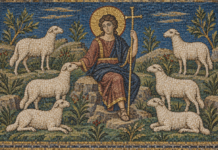
The Basilica of San Vitale and Mausoleum of Galla Placidia contain luminous mosaics created during late antiquity and the Byzantine period. Sant’Apollinare Nuovo and Sant’Apollinare in Classe preserve additional mosaic cycles, while the Neonian Baptistery offers another exceptional interior.
Several of Ravenna’s early Christian monuments form a UNESCO World Heritage site. Because the city center is compact, most principal attractions can be visited on foot over one or two days.
Compare Ravenna hotels on Trip.com
Turin: Baroque Grandeur and Royal Collections
Turin is frequently overlooked by international visitors, but it is one of northern Italy’s most elegant cultural destinations.
The city’s broad avenues, arcaded streets and formal squares reflect its history as the capital of the House of Savoy. Palazzo Reale, Palazzo Madama and the Royal Museums preserve paintings, arms, furnishings and archaeological collections associated with the former dynasty.
The Egyptian Museum houses one of the most important collections of Egyptian antiquities outside Egypt. Turin also offers major cinema, automobile and contemporary-art museums, making it especially rewarding for visitors with varied cultural interests.
Explore Turin museum passes and tickets
Compare Turin hotels on Trip.com
How to Plan an Art-City Itinerary
Travelers visiting Italy for the first time can combine Rome, Florence and Venice by high-speed train. A comfortable itinerary would allow four nights in Rome, three in Florence and two or three in Venice.
Bologna can be added conveniently between Florence and Venice. Milan works well at the beginning or end of a northern itinerary, while Naples can be combined with Rome and reached by high-speed train.
Palermo is better treated as part of a dedicated Sicilian journey rather than squeezed into a short mainland itinerary. Ravenna and Siena have slower rail connections but make rewarding additions for travelers who already know Italy’s most famous cities.
For transportation advice, read our guide to traveling through Italy by train. Travelers planning a broader journey can also consult the complete guide for first-time visitors to Italy.
Practical Advice for Visiting Italian Museums
Reserve famous attractions in advance, particularly the Uffizi Gallery, Accademia, Vatican Museums, Colosseum, Borghese Gallery, Doge’s Palace and Leonardo’s Last Supper.
Check what each ticket includes before paying. Similarly named passes may cover different museums, temporary exhibitions or areas of the same archaeological complex.
Do not schedule every major museum on the same day. Two substantial collections are usually enough, especially during warm weather.
Churches may enforce dress rules, while some museums restrict large bags, tripods, food and beverages. Opening hours can change because of holidays, restoration work, strikes or special events, so verify current conditions shortly before visiting.
Recommended Books About Italian Art
The Story of Art by E. H. Gombrich
An accessible introduction to Western art history that helps readers place Italian medieval, Renaissance and Baroque masterpieces within a broader historical sequence.
Find The Story of Art on Amazon.com
The Renaissance: A Short History by Paul Johnson
A concise overview of the political, cultural and artistic forces that transformed Florence and other Italian centers during the Renaissance.
Find The Renaissance: A Short History on Amazon.com
The Architecture of the Italian Renaissance by Peter Murray
A valuable companion for readers interested in the buildings of Florence, Rome, Venice and other Renaissance cities.
Find The Architecture of the Italian Renaissance on Amazon.com
Blue Guide Italy
Blue Guides are particularly useful for culturally focused travelers because they provide substantial historical, architectural and artistic context.
Browse Blue Guide Italy books on Amazon.com
Italian Art and Architecture
For a broader visual reference, look for illustrated volumes covering Italian painting, sculpture and architecture from antiquity through the modern era.
Browse books about Italian art and architecture on Amazon.com
Final Thoughts
Italy’s art cities are not simply collections of famous museums. Each one expresses a different historical identity.
Florence represents the ambition of the Renaissance. Rome layers antiquity, Christianity and the Baroque. Venice reflects the wealth of a maritime republic. Bologna preserves the intellectual atmosphere of a medieval university city. Naples turns history into theatrical energy, while Palermo demonstrates how different civilizations can create something entirely distinctive.
The best itinerary is therefore not necessarily the one that includes the greatest number of cities. It is the one that leaves enough time to look carefully, enter smaller churches, walk without a schedule and understand how art remains part of everyday Italian life.
External Links
- Weekend in Italy – Museum tickets, tours and cultural attractions
- Trip.com – Hotels and accommodation
- Italia.it – Official Italian tourism website
- UNESCO World Heritage Centre – Italy
- Trenitalia – Official train schedules and tickets