 Italy does not have one uniform national cuisine. It has twenty regional cuisines, each shaped by local agriculture, climate, geography and centuries of history.
Butter, rice, polenta and Alpine cheeses dominate many northern kitchens. Central Italy is celebrated for handmade pasta, legumes, olive oil and roasted meats. Southern cooking draws heavily on durum wheat, tomatoes, vegetables, seafood and bold Mediterranean flavors. Sicily and Sardinia possess culinary traditions distinctive enough to feel like separate countries.
Even familiar foods can change completely when you cross a regional border. Pasta shapes, sauces, cheeses, breads and cooking fats vary from one province—and sometimes one town—to another.
This guide explains what to eat in every Italian region, from the fonduta of Valle d’Aosta to the cannoli of Sicily.
Northern Italy
11. Valle d’Aosta
Italy’s smallest region sits among some of the highest mountains in the Alps. Its cooking is hearty, warming and influenced by neighboring France and Switzerland. Wheat and olive oil historically played smaller roles here than cheese, rye, butter, potatoes and preserved meat.
What to eat in Valle d’Aosta:
- Fonduta valdostana: A rich fondue prepared with Fontina cheese, milk, butter and egg yolks.
- Polenta concia: Polenta layered or mixed with Fontina and melted butter.
- Carbonade valdostana: Beef slowly cooked with onions, spices and red wine.
- Zuppa alla Valpellinentze: A substantial baked soup made with cabbage, bread, broth and Fontina.
- Lardo di Arnad: Delicately seasoned cured pork fat, normally served in thin slices.
- Tegole valdostane: Thin, crisp biscuits traditionally made with hazelnuts and almonds.
Order Fontina only when its flavor is allowed to remain central. The cheese sold locally has far more character than the mild versions often found outside Italy.
22. Piedmont
Piedmont combines elegant court cuisine with deeply rooted country cooking. The region is famous for Barolo and Barbaresco wines, Alba white truffles, hazelnuts and some of Italy’s most accomplished chocolate makers.
What to eat in Piedmont:
- Vitello tonnato: Thin slices of veal covered with a creamy tuna, anchovy and caper sauce.
- Bagna càuda: A warm dip made with garlic, anchovies and olive oil, served with raw and cooked vegetables.
- Agnolotti del plin: Small pinched parcels of pasta filled with roasted meat.
- Tajarin: Extremely fine egg pasta, often served with butter, meat sauce or shaved truffle.
- Brasato al Barolo: Beef braised slowly in Barolo wine.
- Bollito misto: Several cuts of boiled meat served with traditional sauces.
- Bonet: A chocolate and amaretti pudding.
- Gianduiotto: Piedmont’s famous hazelnut-and-chocolate confection.
Autumn is the most exciting season for Piedmontese food. White truffles appear on tajarin, risotto and eggs, while the hills of the Langhe become a destination for wine and seasonal cooking.
33. Liguria
Liguria’s narrow territory is squeezed between mountains and the Mediterranean. Its cuisine uses aromatic herbs, vegetables, olive oil, nuts and seafood with remarkable economy.
What to eat in Liguria:
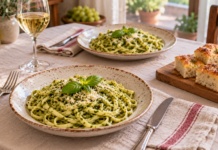
- Pesto Genovese: Basil, pine nuts, garlic, Parmigiano Reggiano, Pecorino and olive oil crushed into a fragrant sauce.
- Trofie al pesto: Short twisted pasta traditionally served with pesto, potatoes and green beans.
- Focaccia Genovese: Soft, salty flatbread with a dimpled surface generously dressed with olive oil.
- Farinata: A thin, crisp-edged chickpea-flour pancake.
- Pansotti con salsa di noci: Herb-filled pasta served with walnut sauce.
- Torta pasqualina: A savory pie filled with greens, herbs, cheese and eggs.
- Coniglio alla Ligure: Rabbit cooked with olives, pine nuts, herbs and wine.
- Fritto misto: A changing assortment of lightly fried local seafood.
In Genoa, try focaccia in the morning as locals do. A piece dipped into cappuccino may seem unusual, but it is an established local habit.
44. Lombardy
Lombardy’s food is much more than Milanese cuisine. Alpine valleys, the rice fields around Pavia and Mantua’s fertile countryside produce very different culinary traditions.
What to eat in Lombardy:
- Risotto alla Milanese: Creamy saffron risotto, frequently paired with ossobuco.
- Ossobuco: Cross-cut veal shanks slowly braised with vegetables, broth and wine.
- Cotoletta alla Milanese: Breaded veal cutlet cooked in butter.
- Pizzoccheri: Buckwheat pasta from Valtellina with potatoes, cabbage, butter and cheese.
- Casoncelli: Stuffed pasta particularly associated with Bergamo and Brescia.
- Polenta taragna: Buckwheat polenta enriched with butter and mountain cheese.
- Tortelli di zucca: Mantuan pasta filled with pumpkin, amaretti and mostarda.
- Panettone: Milan’s celebrated Christmas bread.
Milan is an excellent place for risotto and cotoletta, but some of Lombardy’s most characteristic cooking is found in Bergamo, Brescia, Mantua and the Valtellina valley.
55. Trentino-Alto Adige
This mountainous region has two strongly defined culinary identities. Trentino retains more obvious Italian and Venetian influences, while Alto Adige/Südtirol reflects its Austrian and Tyrolean heritage.
What to eat in Trentino-Alto Adige:
- Canederli: Bread dumplings containing speck, cheese or herbs, served in broth or with melted butter.
- Speck Alto Adige: Lightly smoked and cured ham.
- Strangolapreti: Bread-and-spinach dumplings, usually served with butter and sage.
- Carne salada: Lean beef cured with herbs and spices.
- Spätzle: Small soft dumplings, sometimes made with spinach.
- Schlutzkrapfen: Crescent-shaped pasta filled with spinach and ricotta.
- Gulasch: The regional version of the Central European meat stew.
- Strudel di mele: Apple strudel made with local apples.
The region produces excellent apples, mountain cheeses and aromatic white wines. In colder weather, a plate of canederli or polenta followed by strudel feels entirely at home in the Alpine landscape.
66. Veneto
Veneto stretches from the Dolomites to Venice and the Adriatic, so its food ranges from mountain stews to delicate seafood dishes. Rice and polenta are as important here as pasta.
What to eat in Veneto:
- Sarde in saor: Sardines marinated with onions, vinegar, raisins and pine nuts.
- Baccalà mantecato: Salt cod whipped with oil until creamy, served on bread or polenta.
- Risi e bisi: A soft, soupy combination of rice and peas.
- Bigoli in salsa: Thick pasta with an anchovy-and-onion sauce.
- Risotto al nero di seppia: Risotto colored and flavored with cuttlefish ink.
- Fegato alla Veneziana: Calf’s liver cooked with abundant onions.
- Baccalà alla Vicentina: Salt cod slowly cooked with milk, onions and oil.
- Tiramisù: The coffee-and-mascarpone dessert closely associated with Treviso.
In Venice, step away from the busiest tourist routes and look for a traditional bacaro. Order small snacks called cicchetti with an ombra, a small glass of wine.
77. Friuli-Venezia Giulia
Friuli-Venezia Giulia lies at the meeting point of Italian, Austrian, Slovenian and Central European cultures. Its kitchens combine pasta and polenta with smoked meat, sauerkraut, dumplings and distinctive sweet-savory contrasts.
What to eat in Friuli-Venezia Giulia:
- Frico: A crisp or soft preparation of Montasio cheese, often combined with potatoes and onions.
- Prosciutto di San Daniele: Sweet, delicately cured ham.
- Jota: A robust soup containing beans, potatoes, sauerkraut and sometimes pork.
- Cjarsons: Filled pasta with recipes that may include herbs, potatoes, raisins, cocoa or spices.
- Brovada e muset: Fermented turnips served with a traditional pork sausage.
- Gnocchi di susine: Potato dumplings filled with plums.
- Gubana: A spiral cake filled with nuts, dried fruit and spices.
Trieste has a culinary character of its own. Historic cafés, seafood restaurants and dishes with Austro-Hungarian roots make the city unlike almost anywhere else in Italy.
88. Emilia-Romagna
Emilia-Romagna is often considered Italy’s most influential food region. It gave the world Parmigiano Reggiano, Prosciutto di Parma, traditional balsamic vinegar and many of the country’s best-known fresh pastas.
What to eat in Emilia-Romagna:
- Tagliatelle al ragù: Fresh ribbon pasta with the slow-cooked meat sauce known abroad as Bolognese sauce.
- Tortellini in brodo: Small meat-filled pasta served in broth.
- Lasagne alla Bolognese: Layers of green pasta, ragù, béchamel and Parmigiano Reggiano.
- Cappelletti: Hat-shaped stuffed pasta, commonly served in broth.
- Gnocco fritto: Puffy pieces of fried dough eaten with cured meats.
- Piadina Romagnola: Thin flatbread filled with cheese, cured meat or vegetables.
- Erbazzone: A savory pie filled with greens and cheese.
- Torta Barozzi: A dense chocolate-and-coffee cake from Vignola.
Bologna, Modena, Parma and the Romagna coast each deserve separate culinary exploration. Read the Italia Mia guide to Emilia-Romagna before planning your journey.
Central Italy
99. Tuscany
Tuscan cuisine is based on excellent raw ingredients and economical country traditions. Unsalted bread, beans, vegetables, olive oil and grilled meat appear repeatedly.
What to eat in Tuscany:
- Ribollita: A substantial soup of bread, beans and vegetables, traditionally reheated the following day.
- Pappa al pomodoro: Bread and tomato cooked into a thick, comforting dish.
- Panzanella: Summer salad of bread, tomatoes, onions, cucumber and basil.
- Pici: Thick, hand-rolled pasta particularly associated with the Siena area.
- Pappardelle al cinghiale: Wide pasta ribbons with wild-boar ragù.
- Bistecca alla Fiorentina: A very thick bone-in steak, grilled and served rare.
- Crostini di fegatini: Toast topped with a deeply flavored chicken-liver spread.
- Cantucci and Vin Santo: Almond biscuits traditionally dipped into sweet wine.
Florence is famous for steak and lampredotto, a traditional tripe sandwich. Coastal Tuscany has its own seafood traditions, particularly cacciucco, the robust fish stew associated with Livorno.
For a wider journey, see 25 Best Places to Visit in Tuscany and Where to Stay in Tuscany.
1010. Umbria
Landlocked Umbria is known for pork, wild game, legumes, farro, olive oil and black truffles. Its cooking is direct and intensely connected to the countryside.
What to eat in Umbria:
- Torta al testo: An unleavened flatbread filled with sausage, cheese, ham or cooked greens.
- Strangozzi al tartufo: Thick handmade pasta dressed with black truffle.
- Pasta alla Norcina: Pasta with sausage, often enriched with cream or ricotta.
- Porchetta: Herb-seasoned roast pork with crisp skin.
- Zuppa di lenticchie: Lentil soup, especially associated with Castelluccio.
- Piccione alla ghiotta: Pigeon cooked in a deeply flavored sauce.
- Fagiolina del Trasimeno: A small traditional legume grown around Lake Trasimeno.
- Rocciata: A rolled pastry filled with apples, nuts and dried fruit.
Norcia is one of the region’s great food destinations. Its name gave rise to norcineria, a term used for the craft and shop tradition associated with pork butchery and cured meats.
1111. Marche
Marche is positioned between the Apennines and the Adriatic. Its cuisine combines seafood from the coast with truffles, fresh pasta, mushrooms and meat from the interior.
What to eat in Marche:
- Olive all’Ascolana: Large green olives stuffed with seasoned meat, breaded and fried.
- Vincisgrassi: A rich baked pasta related to lasagna, traditionally made with an elaborate meat sauce.
- Brodetto: Adriatic fish soup with several local versions.
- Crescia: A savory flatbread eaten with cured meats, cheese or cooked greens.
- Passatelli: Soft strands made from breadcrumbs, eggs and Parmigiano, served in broth or with sauce.
- Coniglio in porchetta: Rabbit flavored with fennel, garlic and herbs.
- Ciauscolo: Soft, spreadable salami.
- Calcioni: Sweet or savory pastries commonly filled with cheese.
Do not treat brodetto as one fixed recipe. Ancona, Fano, Porto Recanati and San Benedetto del Tronto maintain different traditions and may defend them passionately.
1212. Lazio
Roman cuisine dominates perceptions of Lazio, but the region also includes the Castelli Romani, the coast, hill towns and rural areas with their own dishes.
What to eat in Lazio:
- Carbonara: Pasta with guanciale, eggs, Pecorino Romano and black pepper—traditionally without cream.
- Cacio e pepe: Pasta emulsified with Pecorino Romano and black pepper.
- Amatriciana: Tomato sauce with guanciale and Pecorino Romano.
- Gricia: The tomato-free relative of amatriciana.
- Saltimbocca alla Romana: Veal with prosciutto and sage.
- Coda alla vaccinara: Oxtail slowly braised with tomato, celery and aromatics.
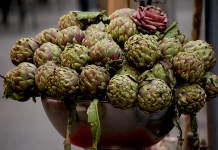
- Carciofi alla Romana: Artichokes cooked with herbs, garlic and olive oil.
- Carciofi alla Giudia: Artichokes fried until crisp, associated with Rome’s Jewish culinary tradition.
- Maritozzo: A soft sweet bun generously filled with whipped cream.
Roman pasta dishes use very few ingredients, which makes technique and ingredient quality essential. A good carbonara should be creamy from the emulsion of egg, cheese, pasta water and rendered guanciale—not from added cream.
Explore the capital further with Italia Mia’s guide to Rome.
1313. Abruzzo
Abruzzo’s mountains, pastoral lands and Adriatic coast create a cuisine that moves naturally between lamb, handmade pasta, cheese and seafood.
What to eat in Abruzzo:
- Arrosticini: Small skewers of mutton or sheep meat cooked over a long, narrow charcoal grill.
- Maccheroni alla chitarra: Square-edged pasta cut over a stringed wooden tool called a chitarra.
- Pallotte cacio e ova: Bread-and-cheese balls cooked in tomato sauce.
- Scrippelle ’mbusse: Thin crêpes rolled with cheese and served in broth.
- Timballo Teramano: Layers of delicate crêpes, meat sauce, cheese and other fillings.
- Brodetto alla Vastese: A tomato-based fish stew from Vasto.
- Pecorino d’Abruzzo: Sheep’s-milk cheese reflecting the region’s pastoral culture.
- Confetti di Sulmona: Sugar-coated almonds traditionally associated with celebrations.
The word arrosticini is plural. They usually arrive several at a time and are eaten directly from the skewer, often with bread dressed with olive oil.
1414. Molise
Small and frequently overlooked, Molise has a rural cuisine based on lamb, pork, handmade pasta, cheese, legumes and seasonal vegetables.
What to eat in Molise:
- Cavatelli: Small hand-shaped pasta commonly served with meat sauce, mushrooms, vegetables or legumes.
- Pampanella: Spicy baked pork strongly associated with San Martino in Pensilis.
- Caciocavallo di Agnone: Pear-shaped cheese traditionally aged while suspended in pairs.
- Fusilli Molisani: Spiral pasta historically shaped around a thin metal rod.
- Pezzata: A slow-cooked sheep stew linked to pastoral traditions.
- Pizza e minestra: Cornmeal-based bread or pizza combined with cooked field greens.
- Baccalà arracanato: Baked salt cod with breadcrumbs and other seasonings.
- Milk Pan: A regional dome-shaped cake covered with a sweet glaze.
Molise is a rewarding region for travelers who value village bakeries, family restaurants and food that has not been redesigned for mass tourism.
Southern Italy
1515. Campania
Campania has given the world some of Italy’s most recognizable foods. Its volcanic soil, fertile countryside and long coastline supply exceptional tomatoes, vegetables, fruit, cheese and seafood.
What to eat in Campania:
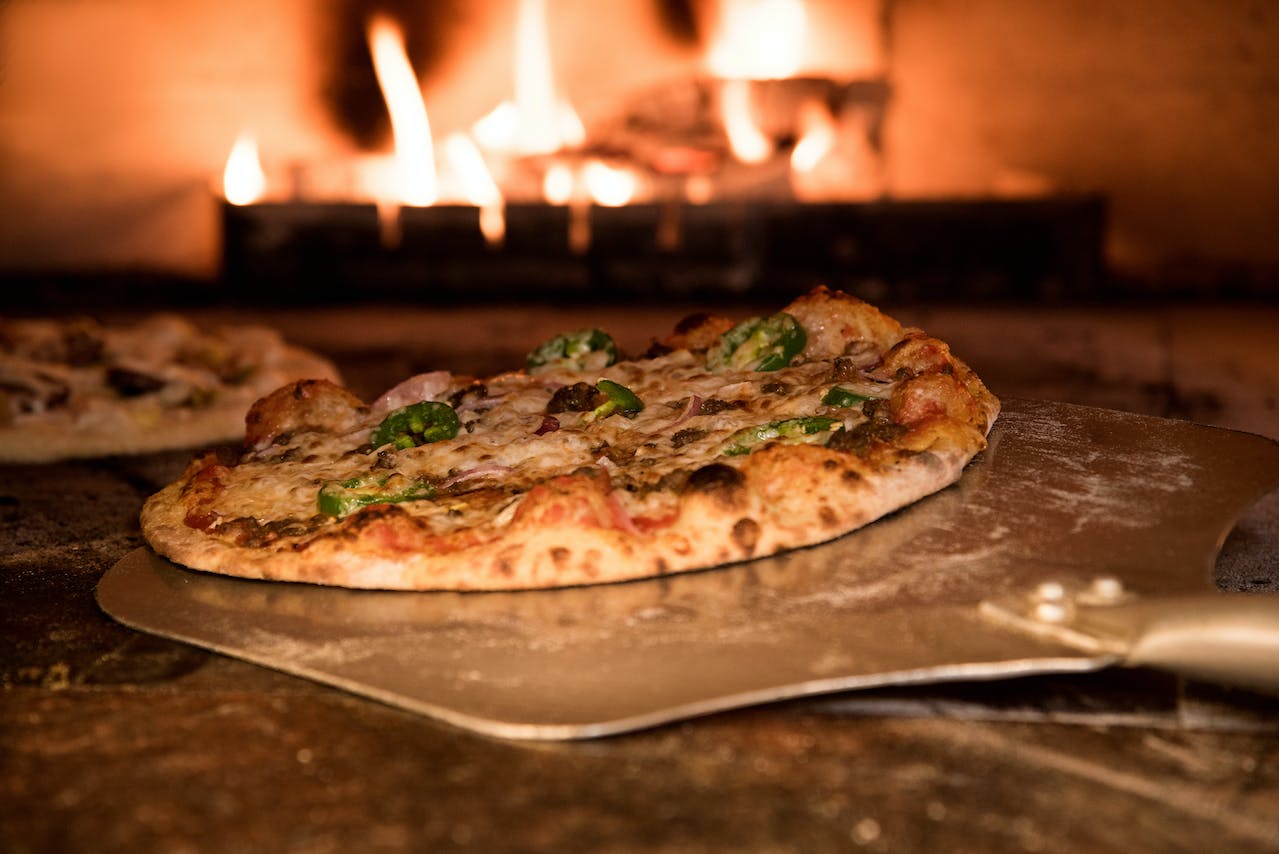
- Pizza Napoletana: Soft, elastic pizza with a raised, lightly charred crust.
- Pasta alla Genovese: Despite its name, a Neapolitan sauce made by slowly cooking abundant onions with meat.
- Ragù Napoletano: Tomato and meat sauce simmered for many hours.
- Spaghetti alle vongole: Pasta with clams, garlic, olive oil and parsley.
- Parmigiana di melanzane: Layers of fried eggplant, tomato, cheese and basil.
- Mozzarella di bufala Campana: Delicate buffalo-milk cheese best eaten extremely fresh.
- Cuoppo fritto: A paper cone filled with fried seafood or other savory bites.
- Pastiera Napoletana: Easter tart made with cooked wheat, ricotta and orange-blossom water.
- Sfogliatella: Crisp or soft shell-shaped pastry filled with sweetened ricotta and semolina.
- Babà: Rum-soaked yeast cake.
Naples is essential for pizza, street food and pastries, but Campania’s culinary map also includes the Amalfi Coast, Cilento, Caserta and inland Benevento and Avellino.
1616. Puglia
Puglia’s cuisine is founded on durum-wheat pasta, bread, olive oil, vegetables, legumes, cheese and seafood. Many of its finest dishes grew from cucina povera, the resourceful cooking of ordinary families.
What to eat in Puglia:
- Orecchiette con cime di rapa: Ear-shaped pasta with broccoli rabe, garlic, chili and often anchovy.
- Focaccia Barese: Thick focaccia topped with tomatoes, olives and olive oil.
- Burrata: A pouch of mozzarella filled with cream and shredded cheese.
- Bombette: Small rolls of pork stuffed with cheese and grilled.
- Tiella Barese: Rice, potatoes and mussels baked together.
- Fave e cicoria: Puréed dried fava beans served with bitter greens.
- Panzerotti: Fried dough pockets commonly filled with tomato and mozzarella.
- Friselle: Twice-baked bread rings softened with water and topped with tomato and olive oil.
- Pasticciotto: Shortcrust pastry filled with custard, closely associated with Lecce.
Puglia changes noticeably from the Gargano to Bari, the Valle d’Itria and Salento. Read Best Places to Visit in Puglia and the complete Puglia travel guide when planning your route.
1717. Basilicata
Basilicata, also known as Lucania, has a robust inland cuisine based on bread, durum wheat, pork, lamb, legumes, vegetables and chili peppers.
What to eat in Basilicata:
- Peperoni cruschi: Sweet Senise peppers dried and quickly fried until crisp.
- Pasta con i peperoni cruschi: Pasta topped with crushed crispy peppers, breadcrumbs and sometimes cheese.
- Lagane e ceci: Wide ribbons of pasta cooked with chickpeas.
- Strascinati: Hand-shaped pasta whose textured surface holds rustic sauces.
- Lucanica: A seasoned pork sausage with ancient associations.
- Agnello alla Lucana: Lamb cooked with regional herbs and vegetables.
- Pane di Matera: Distinctive sourdough bread with a dark crust and irregular shape.
- Crapiata: A Matera dish combining grains and legumes.
Matera’s bread should not be treated merely as an accompaniment. It is part of the region’s identity and the foundation of several recipes designed to avoid wasting even a stale piece.
1818. Calabria
Calabrian cuisine is assertive, frugal and intensely flavored. Chili peppers, preserved vegetables, pork, onions, citrus fruit and seafood are recurring ingredients.
What to eat in Calabria:
- ’Nduja: Soft, spreadable and notably spicy pork salume from the Spilinga area.
- Fileja: Long twisted pasta, frequently served with spicy tomato sauce or ’nduja.
- Morzeddhu: Catanzaro’s robust offal stew, traditionally eaten inside bread.
- Pasta con la mollica: Pasta with toasted breadcrumbs and regional variations.
- Melanzane ripiene: Eggplants filled with breadcrumbs, cheese, herbs and sometimes meat.
- Cipolla rossa di Tropea: Sweet red onions used raw, cooked or preserved.
- Pesce spada alla Calabrese: Swordfish prepared with Mediterranean seasonings.
- Tartufo di Pizzo: A molded gelato dessert with a melting chocolate center.
- Liquirizia di Rossano: Calabria’s celebrated licorice.
Not every Calabrian dish is fiercely hot, but chili is a major component of the regional pantry. Ask about the heat level before ordering if you are sensitive to it.
The Islands
1919. Sicily
Sicilian cuisine reflects Greek, Arab, Norman, Spanish and other Mediterranean influences. Citrus fruit, almonds, pistachios, eggplant, seafood and sweet-and-sour flavors appear throughout the island.
What to eat in Sicily:
- Arancine or arancini: Breaded and fried rice preparations filled with ragù, cheese or other ingredients; their name and shape vary across the island.
- Pasta alla Norma: Pasta with tomato, fried eggplant, basil and salted ricotta.
- Pasta con le sarde: Pasta with sardines, wild fennel, raisins, pine nuts and breadcrumbs.
- Caponata: A sweet-and-sour eggplant preparation with celery, olives and capers.
- Sarde a beccafico: Stuffed sardines with breadcrumbs, raisins, pine nuts and herbs.
- Couscous di pesce: Fish couscous strongly associated with Trapani and western Sicily.
- Pane e panelle: Chickpea fritters served in bread, a Palermo street-food classic.
- Cannoli: Crisp pastry tubes filled with sweetened ricotta.
- Cassata Siciliana: Elaborate ricotta cake decorated with marzipan and candied fruit.
- Granita con brioche: Granita served with a soft brioche, commonly eaten for breakfast in warm weather.
Palermo, Catania, Trapani, Messina, Ragusa and Syracuse have distinct specialties. It would be a mistake to treat Sicilian cuisine as a single fixed menu.
2020. Sardinia
Sardinia’s cooking reflects both its long coastline and its pastoral interior. Bread, sheep’s-milk cheese, roast meat, handmade pasta, bottarga and aromatic herbs define many regional tables.
What to eat in Sardinia:
- Culurgiones: Pasta parcels usually filled with potato, Pecorino and mint, traditionally sealed with an intricate wheat-ear pattern.
- Malloreddus alla Campidanese: Small ridged semolina pasta with sausage, tomato and Pecorino.
- Fregula con arselle: Toasted pasta granules cooked with small clams.
- Porceddu: Suckling pig slowly roasted until the skin becomes crisp.
- Pane carasau: Extremely thin, crisp shepherd’s bread.
- Pane frattau: Pane carasau softened and layered with tomato, Pecorino and egg.
- Bottarga di muggine: Salted and dried grey-mullet roe, shaved or grated over food.
- Seadas: Fried pastry filled with cheese and finished with honey.
- Pardulas: Small pastries filled with sweetened ricotta or fresh cheese.
The island’s coastal resorts provide plenty of seafood, but travelers should also explore Sardinia’s inland cooking. Some of its most representative foods originated among shepherding communities far from the sea.
How to Order Regional Food in Italy
A menu filled only with the same famous national dishes is not necessarily the best sign. Look for references to the town, province, regional ingredients and season.
Useful questions include:
- Qual è la specialità della casa? — What is the house specialty?
- Qual è un piatto tipico della zona? — What is a typical local dish?
- È fatto in casa? — Is it homemade?
- Che cosa mi consiglia? — What do you recommend?
- È molto piccante? — Is it very spicy?
- Avete piatti vegetariani? — Do you have vegetarian dishes?
Restaurants may use terms such as tipico, locale, tradizionale, del territorio or a chilometro zero to emphasize local products. These descriptions are helpful, but the restaurant’s clientele, menu length and seasonal specials often tell you more than promotional language.
Markets, bakeries, cheese shops, food halls and village festivals are also valuable places to taste regional specialties without ordering a formal multi-course meal.
Food Experiences and Culinary Tours
A guided tasting can provide cultural context that is difficult to obtain by ordering alone. Cooking classes, market visits, vineyard excursions and food walks are particularly useful in cities where regional traditions may be hidden among tourist-oriented restaurants.
- Browse Italian food tours and culinary experiences through Weekend in Italy
- Explore wine and food experiences throughout Italy
- Find food and wine experiences in Rome
- Find food and wine experiences in Florence
- Find food and wine experiences in Naples
If your itinerary is organized around food, consider spending several nights in each base rather than rushing through numerous regions. You can compare hotels in Italy through Trip.com.
Italian Regional Cookbooks
A good regional cookbook helps explain why authentic Italian cooking cannot be reduced to pizza and pasta with tomato sauce.
- Browse regional Italian cookbooks on Amazon
- Find books about traditional Italian cooking
- Explore Italian pasta cookbooks
- Browse books about Italian food and wine travel
Purchasing through these links may earn Italia Mia a commission without increasing the price paid by the reader.
What Should You Eat on Your First Trip to Italy?
If you cannot visit all twenty regions, choose foods connected to the places on your itinerary.
In Rome, order carbonara, amatriciana and artichokes. In Florence, try ribollita, pappardelle and bistecca. Bologna calls for tortellini, tagliatelle al ragù and mortadella. Naples is the place for pizza, mozzarella, seafood and pastries. In Sicily, make room for street food, pasta alla Norma, granita and cannoli.
The principle is simple: eat locally rather than working through a generic checklist of “Italian food.” The dishes that belong to the surrounding landscape are usually the ones that will make the strongest impression.
Italy’s regional cuisines are not museum pieces. They are living traditions interpreted daily by families, farmers, bakers, cheesemakers, trattorias and contemporary chefs. Learning what belongs where turns every meal into another way of understanding the country.
Related Italia Mia Articles
- Italian Sunday Lunch: Traditions, Courses and Regional Dishes
- Italy’s Most Popular Dishes: From Primi Piatti to Dolci
- Authentic Italian Cuisine or Italian-American Cuisine?
- Italy for First-Time Visitors
- Best Coastal Cities and Towns in Italy