
 Everyday Italian baking, simple recipes and breakfast traditions.
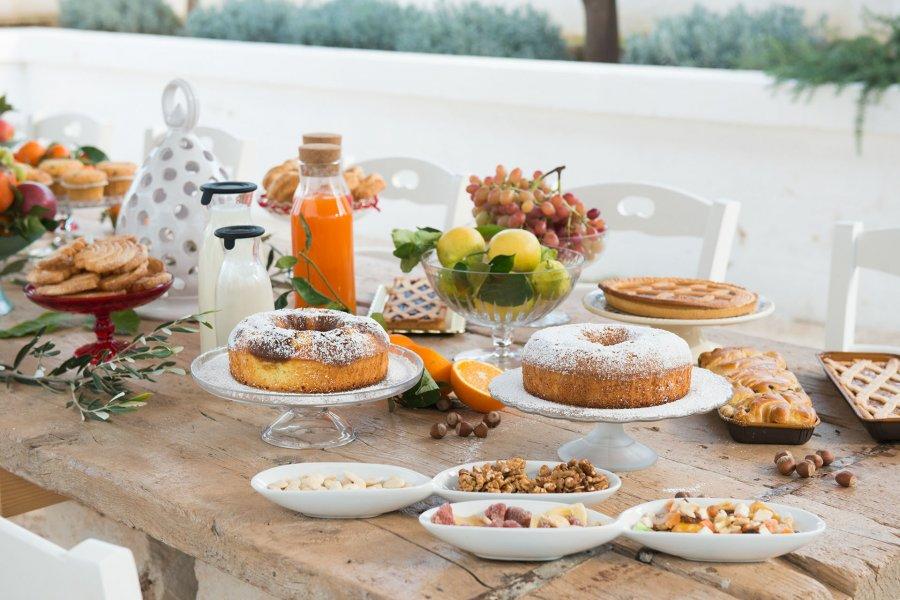
There is something wonderfully comforting about walking into an Italian kitchen in the morning and finding a homemade cake waiting on the table. It might be a golden ciambellone dusted with powdered sugar, a soft plumcake flavored with yogurt and lemon, or a simple apple cake that fills the house with the fragrance of baking fruit.
These are not elaborate desserts reserved for birthdays or special occasions. They are everyday Italian breakfast cakes, made with familiar ingredients and usually prepared without complicated techniques or expensive equipment.
In Italy, breakfast is often a modest affair. A cup of coffee, some biscuits, bread with jam, or a slice of homemade cake may be all that is needed before the day begins.
While the neighborhood bar offers cappuccino and cornetto, the Italian home has its own traditions. A cake prepared the previous afternoon can provide breakfast for several mornings, and the same recipe may serve as an afternoon snack, known as merenda.
I particularly appreciate this practical side of Italian baking. The recipes are forgiving, the flavors are familiar, and there is little pressure to create something visually perfect.
In this guide, I explore the tradition of homemade Italian breakfast cakes, share four approachable recipes, and explain the small techniques that make them successful.
The Italian Tradition of Homemade Breakfast Cakes
Italian breakfasts differ considerably from the large cooked breakfasts associated with Britain or the United States.
For many households, the morning begins with caffellatte, espresso, or cappuccino accompanied by something sweet.
That something might be a packet of biscuits from the supermarket, toasted bread with marmalade, or a freshly purchased pastry. But homemade cakes remain a familiar alternative.
A typical breakfast cake is usually:
- Soft enough to eat without cream or frosting.
- Moderately sweet, with simple flavors such as lemon, vanilla, apple, or cocoa.
- Easy to slice and serve.
- Suitable for preparing the previous day.
- Made from ingredients already available in the kitchen.
These qualities help distinguish an Italian breakfast cake from a more elaborate celebration dessert.
For example, a traditional ciambellone does not need buttercream, filling, or elaborate decoration. It is complete with a little powdered sugar, and even that is optional.
The cake is also flexible. Someone might eat a small slice with coffee in the morning, while another family member enjoys a larger piece with tea in the afternoon.
For a broader look at morning routines, read our guide to Italian coffee culture, espresso, cappuccino and the Italian bar.
Ciambellone: The Classic Italian Ring Cake
Few cakes represent everyday Italian home baking as clearly as ciambellone.
Its name comes from ciambella, meaning a ring-shaped cake or pastry. The larger ciambellone is generally baked in a round mold with a central opening.
The result is a tall, generously sized cake with a golden crust and a soft interior.
There is no single definitive recipe. Some families use butter, others prefer olive oil or sunflower oil. Milk, yogurt, orange zest, lemon zest, and cocoa all appear in different versions.
What matters is the basic character: a simple, pleasantly sweet cake that can be sliced without falling apart.
Easy Homemade Ciambellone Recipe
Preparation: 15 minutes
Baking: 40–50 minutes
Servings: 10–12 slices
Equipment: 22–24 cm (9-inch) ring cake pan
Ingredients
- 300 g (about 2½ cups) all-purpose flour or Italian farina 00
- 180 g (about ¾ cup plus 2 tablespoons) sugar
- 3 large eggs
- 100 ml (about ⅓ cup plus 1 tablespoon) sunflower oil or mild olive oil
- 120 ml (½ cup) milk
- 16 g baking powder
- Grated zest of 1 untreated lemon
- 1 teaspoon vanilla extract
- A pinch of salt
- Powdered sugar for serving, optional
Method
- Preheat the oven to 175°C (350°F), conventional setting. Grease and flour the ring cake pan, making sure to cover the central tube.
- Beat the eggs and sugar in a large bowl until the mixture becomes pale, thick, and slightly fluffy.
- Gradually add the oil, followed by the milk, lemon zest, and vanilla.
- In another bowl, combine the flour, baking powder, and salt.
- Add the dry ingredients to the egg mixture in two or three additions. Mix gently until no dry flour remains.
- Pour the batter into the prepared pan and smooth the surface.
- Bake for approximately 40–50 minutes. Insert a wooden skewer into the thickest part of the cake; it should come out clean or with a few dry crumbs.
- Allow the cake to cool in the pan for about 15 minutes before turning it out onto a rack.
Once completely cool, dust the surface lightly with powdered sugar if desired.
My suggestion: Start with the lemon version before experimenting with other flavors. Lemon zest gives the cake a fresh aroma without overwhelming its gentle sweetness.
Popular Ciambellone Variations
Ciambellone al cacao: Replace approximately 30 g of flour with unsweetened cocoa powder for a chocolate version.
Ciambellone bicolore: Divide the prepared batter into two portions, mix cocoa into one portion, and alternate the batters in the mold. Swirl briefly with a knife to create a marble effect. If the cocoa mixture becomes too thick, add a spoonful of milk.
Ciambellone all’arancia: Replace the lemon zest with orange zest for a warmer citrus aroma.
Ciambellone allo yogurt: Substitute plain yogurt for some of the milk to obtain a slightly different texture and a gentle tang.
A ciambellone can look quite impressive when placed on a table, but the recipe itself remains one of the simplest in Italian home baking.
Plumcake allo Yogurt: Italy’s Favorite Everyday Loaf Cake
The word plumcake can be confusing to English-speaking visitors.
In Italy, plumcake generally refers to a rectangular loaf-shaped cake, often made with yogurt, rather than necessarily containing plums.
You will see individually wrapped plumcakes in supermarkets, particularly among packaged breakfast snacks. Homemade versions are also popular because they require little preparation.
A good Italian yogurt plumcake should have a tender, slightly moist crumb and a lightly browned surface.
It should be flavorful enough to eat plain but not so sweet that it competes with a cup of coffee.
Easy Italian Yogurt Plumcake Recipe
Preparation: 15 minutes
Baking: 40–50 minutes
Servings: 8–10 slices
Equipment: 25 x 11 cm (approximately 10 x 4½ inch) loaf pan
Ingredients
- 250 g (about 2 cups) all-purpose flour
- 160 g (about ¾ cup) sugar
- 3 large eggs
- 150 g (about ⅔ cup) plain whole-milk yogurt
- 80 ml (⅓ cup) sunflower oil
- 16 g baking powder
- Grated zest of 1 untreated lemon
- 1 teaspoon vanilla extract
- A pinch of salt
Method
- Preheat the oven to 175°C (350°F), conventional setting. Line the loaf pan with parchment paper.
- Beat the eggs and sugar together until pale and creamy.
- Add the yogurt, oil, lemon zest, and vanilla, mixing until combined.
- Combine the flour, baking powder, and salt in another bowl.
- Fold the dry ingredients into the liquid mixture without overmixing.
- Transfer the batter to the loaf pan and level the surface.
- Bake for approximately 40–50 minutes, checking the center with a wooden skewer. If the top browns too quickly, cover loosely with foil near the end of baking.
- Cool in the pan for 10–15 minutes, then transfer to a wire rack.
The cake develops a pleasant, compact yet tender texture and slices neatly once fully cooled.
How to Personalize Your Plumcake
One reason this cake is so useful is that the basic mixture accepts many variations.
For a chocolate-chip plumcake, fold about 80 g of chocolate chips into the finished batter.
For a citrus version, combine grated lemon and orange zest.
You can also use apricot, lemon, or vanilla yogurt, but remember that flavored yogurts may already contain sugar.
Another variation is plumcake variegato, in which part of the batter is mixed with cocoa before the two colors are combined in the pan.
I would recommend making the plain yogurt version first. It gives you a reliable starting point and makes it easier to understand the texture before adding other ingredients.
Torta di Mele: The Italian Homemade Apple Cake
If ciambellone represents the classic ring cake and plumcake the practical loaf cake, torta di mele brings fruit into the Italian breakfast tradition.
Apple cake exists in countless variations throughout Italy.
Some versions contain generous amounts of apple and relatively little batter. Others are light sponge cakes decorated with slices of fruit. Cinnamon, lemon, vanilla, raisins, and nuts may all appear.
Unlike an American apple pie, the typical Italian torta di mele is often a soft cake in which apples are incorporated into the batter.
It can be served as dessert, but it is equally appropriate for breakfast or an afternoon snack.
Simple Italian Apple Cake Recipe
Preparation: 20 minutes
Baking: 45–55 minutes
Servings: 8–10 slices
Equipment: 22–24 cm (9-inch) round cake pan
Ingredients
- 250 g (about 2 cups) all-purpose flour
- 150 g (¾ cup) sugar
- 2 large eggs
- 3 medium apples
- 80 ml (⅓ cup) sunflower oil
- 100 ml (about ⅓ cup plus 1 tablespoon) milk
- 16 g baking powder
- Grated zest of 1 untreated lemon
- 1 tablespoon lemon juice
- ½ teaspoon ground cinnamon, optional
- A pinch of salt
Method
- Preheat the oven to 175°C (350°F), conventional setting. Grease and line a round cake pan.
- Peel and core the apples. Cut two into small cubes and the third into thin slices.
- Toss the apples with lemon juice to reduce browning.
- Beat the eggs and sugar until light and creamy.
- Add the oil, milk, and lemon zest.
- Combine the flour, baking powder, salt, and cinnamon in a separate bowl.
- Fold the dry ingredients into the egg mixture until just combined.
- Gently fold the diced apples into the batter.
- Pour into the prepared pan and arrange the remaining apple slices on top.
- Bake for 45–55 minutes, or until the center is set and a skewer inserted into a cake-only section comes out without wet batter.
Allow the cake to cool before slicing.
The apples should remain tender while the surrounding cake becomes soft and lightly golden.
Which Apples Work Best?
I would choose apples that retain some structure during baking rather than varieties that become watery or collapse completely.
Golden Delicious, Fuji, and Renetta can all work well.
A slightly tart apple also helps balance the sweetness of the cake.
For a more rustic variation, replace a small portion of the white flour with whole-wheat flour. The texture will become somewhat denser, but the flavor pairs nicely with apples and cinnamon.
Crostata di Marmellata: A Different Kind of Breakfast Favorite
Not every traditional Italian breakfast cake has a soft sponge texture.
Crostata di marmellata is another familiar homemade favorite, particularly for households that enjoy a slice of jam tart with coffee or tea.
It consists of a pastry base made from pasta frolla, filled with jam and commonly finished with a lattice of pastry strips.
Apricot, cherry, strawberry, and plum jams are popular choices.
A crostata has a more substantial, crumbly texture than ciambellone and is especially suitable for people who prefer something less cake-like.
Simple Homemade Jam Crostata
Preparation: 20 minutes, plus 30 minutes chilling
Baking: 30–40 minutes
Servings: 8–10 slices
Equipment: 24 cm (9½-inch) tart pan
Ingredients
- 300 g all-purpose flour
- 150 g cold unsalted butter
- 120 g sugar
- 1 large egg
- 1 egg yolk
- Grated zest of 1 lemon
- A pinch of salt
- 300 g apricot or other fruit jam
Method
- Combine the flour and cold cubed butter, rubbing them together until the mixture resembles coarse breadcrumbs.
- Add the sugar, whole egg, egg yolk, lemon zest, and salt.
- Mix just until a dough forms. Avoid excessive kneading.
- Wrap and refrigerate for approximately 30 minutes.
- Preheat the oven to 180°C (355°F), conventional setting.
- Roll out about two-thirds of the dough and use it to line the tart pan.
- Spread the jam evenly over the pastry.
- Roll out the remaining dough, cut it into strips, and arrange a lattice over the filling.
- Bake for approximately 30–40 minutes, until the pastry is golden.
- Cool completely before cutting so the filling has time to settle.
The result is a practical tart that can be enjoyed over several days.
For more traditional Italian sweet treats, explore our guide to Italian desserts.
Other Homemade Cakes Worth Discovering
Beyond these four familiar recipes, Italian home baking includes several other cakes that deserve attention.
Torta Margherita
This is a light, delicate sponge cake traditionally made with eggs, sugar, flour, and often potato starch.
Its name, meaning daisy cake, reflects its simple appearance, typically finished with powdered sugar.
It is especially enjoyable with coffee, milk, or tea.
Torta di Ricotta
Ricotta appears frequently in Italian baking, both in fillings and directly in cake batters.
A simple ricotta cake can have a pleasantly moist texture and a delicate flavor. Lemon zest, chocolate chips, or orange zest are natural additions.
Torta alle Carote
Italian carrot cakes are often simpler than the richly frosted versions familiar in the United States.
Some recipes include ground almonds, producing a delicate cake with subtle sweetness.
Small packaged carrot cakes, sometimes called camille, are also familiar breakfast and snack products in Italy.
Torta al Limone
Lemon cake is particularly appealing in spring and summer, although there is no reason not to prepare it year-round.
Italian versions may use olive oil, yogurt, or butter, depending on the desired texture.
A light dusting of powdered sugar is often sufficient.
Torta di Nocciole
Hazelnut cakes are closely associated with Piedmont, where hazelnuts are important to regional pastry traditions.
These cakes may be denser and richer than everyday sponge cakes, but they are wonderful examples of how local ingredients influence Italian baking.
The Essential Ingredients for Italian Breakfast Baking
One of the advantages of these recipes is that they rely on a relatively small group of ingredients.
Flour: Italian recipes frequently specify farina 00. For the simple cakes in this guide, ordinary all-purpose flour is generally a practical substitute, although the texture may differ slightly.
Eggs: Eggs provide structure and help produce a tender crumb. Using eggs at room temperature makes them easier to combine with other ingredients.
Sugar: Ordinary granulated sugar is used in many recipes. Powdered sugar is generally reserved for finishing.
Butter and oil: Butter provides a characteristic richness, while sunflower oil offers a neutral flavor. Mild olive oil is useful in recipes where its taste is welcome.
Milk and yogurt: These add moisture and help create a softer crumb.
Lievito per dolci: This is the Italian baking powder commonly used for cakes. It is not the same as fresh or dried baker’s yeast.
Italian baking powder is often sold in 16 g sachets, sometimes flavored with vanilla. If using plain baking powder, you can add vanilla separately.
Citrus zest: Lemon and orange zest are among the simplest ways to introduce flavor without adding complicated ingredients.
You do not need sophisticated appliances to make these cakes. A mixing bowl, whisk or electric mixer, kitchen scale, and dependable baking pan will handle most recipes.
If you are building your own kitchen collection, our guide to Italian kitchen essentials offers additional suggestions.
Seven Tips for Softer, Better Italian Cakes
Simple cakes leave little room for disguising mistakes, so a few basic techniques are worth remembering.
1. Weigh your ingredients. Italian recipes commonly use grams, and a kitchen scale provides more consistent results than measuring flour by volume.
2. Use room-temperature ingredients when practical. Eggs, yogurt, and milk generally combine more smoothly when they are not refrigerator-cold.
3. Beat the eggs and sugar properly. This step introduces air and can improve the final texture.
4. Avoid overmixing after adding flour. Excessive mixing can make a cake tougher or more compact than intended.
5. Choose the correct pan size. A smaller pan produces a deeper cake that may need more time, while a wider pan can cause the batter to bake more quickly.
6. Do not rely entirely on the clock. Oven temperatures vary, and the time needed depends on the pan, batter, and oven. Use visual clues and the skewer test.
7. Let the cake cool before slicing. A freshly baked cake is delicate. Cooling allows the crumb to become firmer and easier to cut.
I would also suggest becoming comfortable with one reliable basic recipe before trying many substitutions.
Once you understand how a plain ciambellone or yogurt plumcake behaves, variations become much easier.
How Italians Serve Breakfast Cakes
A homemade Italian breakfast cake rarely needs a complicated presentation.
For everyday breakfast, a slice may simply be placed on a small plate beside a cup of coffee.
Some people enjoy dipping pieces of cake into warm milk or caffellatte. Others prefer a slice eaten separately with espresso.
The choice of drink often follows personal habit rather than any strict rule.
A softly flavored ciambellone pairs particularly well with milk-based coffee. An apple cake is enjoyable with tea, while a simple yogurt plumcake accompanies almost anything.
The cake may also appear later in the day.
In Italy, merenda is the familiar afternoon snack, particularly associated with children but enjoyed by adults too.
A piece of cake, some fruit, or a few biscuits can provide a pleasant break between lunch and dinner.
For readers who enjoy comparing homemade cakes with other everyday sweets, our guide to Italian cookies and biscotti explores another important part of Italian food culture.
How to Store Homemade Breakfast Cakes
Because these cakes are often made for several mornings, storage matters.
Ciambellone and plain plumcake: Once completely cool, store in an airtight container at room temperature, ideally for no more than three days for best quality.
Apple cake: Because of its fruit content and moisture, keep it covered in a cool place for a short period. Refrigerate in warm or humid conditions, and use within approximately three to four days.
Crostata: Jam crostata generally keeps well in a covered container for several days, provided the filling does not require refrigeration.
Always follow refrigeration instructions for recipes containing fresh cream, custard, or other perishable fillings.
Plain cakes can also be frozen in individual slices.
Wrap each slice well and freeze for up to two months for best quality. Thaw at room temperature or gently warm before serving.
This is an excellent way to enjoy homemade breakfast cake without baking every few days.
Homemade or Store-Bought: What Is the Italian Reality?
It would be misleading to suggest that every Italian family bakes a fresh cake each week.
Modern schedules are busy, and supermarket breakfast products are extremely common.
Packaged plumcakes, biscuits, rusks, and small sponge cakes are convenient and familiar.
However, homemade baking continues to have an important place in Italian domestic life.
A cake prepared for the weekend may become breakfast on Monday. A crostata made for visiting relatives may provide snacks for the following days.
Sometimes the recipe is carefully written in a family notebook. Other times it comes from a cookbook, a food website, or a handwritten sheet tucked into a kitchen drawer.
There is no contradiction between appreciating traditional homemade cakes and occasionally relying on packaged products.
Both belong to the reality of contemporary Italian breakfasts.
For a wider perspective on food, hospitality, and other routines, explore Italian daily life and everyday habits.
Which Italian Breakfast Cake Should You Bake First?
For someone beginning to explore Italian baking, I would choose according to the kind of cake they enjoy.
If you want a traditional, generously sized family cake, start with ciambellone.
If you prefer a moist loaf cake that is easy to slice and store, prepare a yogurt plumcake.
If fruit is your priority, torta di mele is an excellent option, particularly during the cooler months.
And if you enjoy crumbly pastry with a fruit filling, try crostata di marmellata.
There is no need to master complicated pastry techniques before attempting these recipes.
They are approachable, adaptable, and suited to ordinary home kitchens.
For anyone interested in exploring Italian baking more deeply, our guide to Italian cookbooks includes titles devoted to regional cooking, bread, cakes, and traditional recipes.
The Pleasure of an Ordinary Italian Breakfast
Italian cooking is often celebrated through elaborate pasta dishes, regional specialties, and restaurant experiences.
But some of its most appealing traditions are much quieter.
A homemade cake on a kitchen table, a moka pot preparing coffee, and a few minutes before the day’s obligations begin can be just as representative of Italian life.
Ciambellone, plumcake, torta di mele, and crostata are not designed to impress through complicated decoration.
Their appeal comes from simplicity, familiar flavors, and the pleasure of sharing something prepared at home.
For me, that is the real attraction of everyday Italian baking: a good cake does not have to be extraordinary to become part of a household’s favorite routines.
Sometimes all it takes is flour, eggs, sugar, a little patience, and the comforting smell of something baking in the oven.
External Sources
- GialloZafferano — Classic Italian Ciambella Recipe
- La Cucina Italiana — Homemade Yogurt Plumcake
- GialloZafferano — Italian Apple Cake
- Mulino Bianco — Plumcake allo Yogurt