

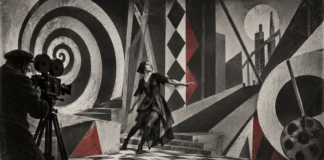
Italian Futurist Cinema and the Avant-Garde (1911–1919)
Italian Futurist cinema imagined film as an independent art of movement, distortion, simultaneity and visual experimentation. This fact-checked history examines its early origins, the 1916 manifesto, the lost Vita futurista, the surviving Thaïs and the difference between documented influence and later speculation.
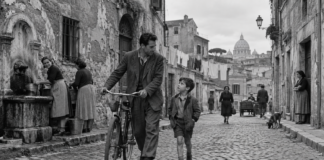
Italian Neorealism: History, Directors and Essential Films
Italian Neorealism brought cameras into streets, villages and working-class neighborhoods, changing cinema forever. This guide examines its origins, directors, defining films and enduring worldwide influence.
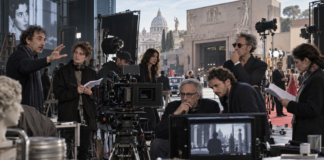
Modern Italian Film Directors: From the 1980s to Today
From Nanni Moretti and Gianni Amelio to Paolo Sorrentino, Matteo Garrone, Luca Guadagnino and Alice Rohrwacher, this guide follows the directors who have reshaped Italian cinema since the 1980s.
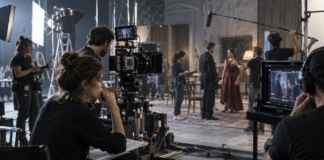
Italian Cinema in the New Millennium: From 2000 to Today
Italian cinema in the new millennium is defined by diversity rather than one dominant movement. This updated history follows its leading directors, women filmmakers, documentaries, genre films, streaming productions and international successes from 2000 through the mid-2020s.
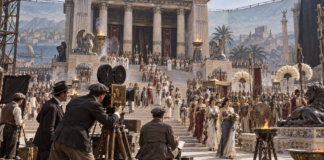
The Golden Age of Italian Silent Cinema: From the Kolossal to Cabiria
Between 1910 and 1914, Italian studios gained worldwide recognition through monumental historical films. From L’Inferno and Quo Vadis? to Giovanni Pastrone’s Cabiria, this was the era in which the Italian kolossal helped transform cinema into a prestigious feature-length art form.
Italian Cinema in the 1980s: Crisis, Television and Creative Survival
Italian cinema experienced a severe industrial crisis during the 1980s as admissions collapsed, production declined and commercial television captured mass audiences. Yet films by Fellini, Moretti, Bertolucci, Olmi, Leone and Tornatore ensured that the decade was also one of creative survival and transition.
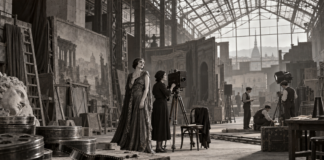
The Great Crisis of Italian Cinema: Decline and Renewal, 1919–1929
After its spectacular prewar success, Italian cinema entered a decade of failing studios, shrinking production and intense foreign competition. Yet Francesca Bertini, Elvira Notari, Alessandro Blasetti and Mario Camerini reveal that the 1920s were also a decisive period of transition and renewal.

Italian Animation: History, Artists, Studios and Essential Films
Italian animation extends far beyond its late-1990s revival. This history follows its development from pioneering postwar artists and Bruno Bozzetto’s satire to Enzo D’Alò, Rainbow, MAD Entertainment, Zerocalcare and today’s international co-productions.
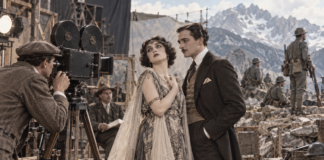
Italian Film Divas, Stars and Wartime Cinema, 1914–1918
Between 1914 and 1918, Italian cinema created an influential star system while responding to the First World War through patriotic adventures, newsreels, documentaries and experimental films.

Telefoni Bianchi: Italian Cinema under Fascism
Telefoni Bianchi films created a glamorous world of romance, modern apartments and social aspiration. This guide explains how these popular comedies differed from direct Fascist propaganda while remaining shaped by censorship, state support and the political culture of Mussolini’s Italy.
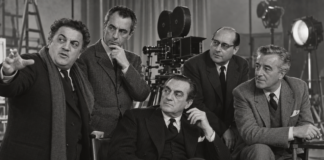
Masters of Postwar Italian Cinema: Fellini, Antonioni, Visconti, Rossellini and De Sica
Fellini, Antonioni, Visconti, Rossellini and De Sica gave postwar Italian cinema five distinctive artistic visions, moving from neorealism to fantasy, modernism, historical drama and deeply personal filmmaking.

Italian Horror and Thriller Cinema: Gothic, Giallo and Splatter
Italian horror cinema encompasses several related but distinct traditions. This guide traces Gothic horror, the development of giallo, Dario Argento’s supernatural films, Lucio Fulci’s splatter cinema and the genre’s later revivals.
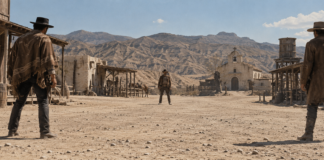
The Spaghetti Western: Directors, Essential Films and Lasting Influence
The spaghetti western transformed a familiar American genre through Italian visual style, morally ambiguous antiheroes, political themes and the revolutionary music of Ennio Morricone. From Sergio Leone’s Dollars Trilogy to Django, The Big Gundown and the Trinity comedies, these films reshaped international cinema.
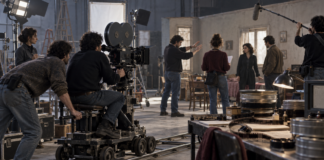
Italian Cinema in the 1990s: Crisis, Renewal and International Success
Italian cinema faced shrinking production, lower attendance and fierce Hollywood competition during the 1990s, but the decade also produced major international successes and a new generation of filmmakers. Tornatore, Salvatores, Amelio, Moretti and Benigni helped transform a period of crisis into one of creative renewal.
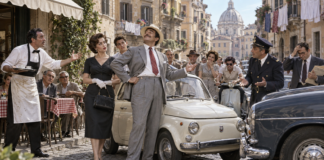
Commedia all’Italiana: History, Directors and Essential Films
Commedia all’Italiana transformed postwar social tensions into sharp, entertaining cinema. Explore the movement’s origins, distinctive themes, major directors, unforgettable performers and essential films.
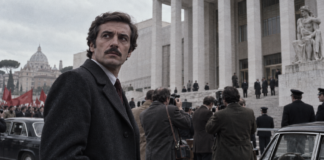
Italian Political Cinema of the 1960s and 1970s
Italian political cinema flourished during the turbulent 1960s and 1970s. Directors including Francesco Rosi, Elio Petri, Gillo Pontecorvo and Lina Wertmüller examined corruption, organized crime, labor conflict, Fascism and the abuse of power through investigative dramas, satires and historical films.
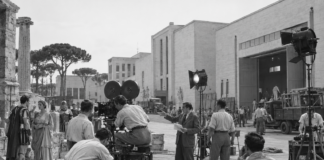
Cinecittà and the Foreign-Film Monopoly, 1937–1939
Cinecittà opened in 1937 as Italy’s principal film-production complex, but the Centro Sperimentale had already begun teaching in 1935. This fact-checked history explains their separate roles, the 1938 ENIC monopoly over imported films and the contradictions of cinema under Fascism.
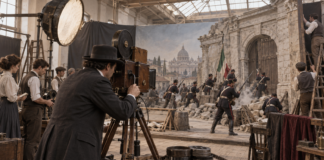
The Beginning of the Italian Film Industry: Origins of Italian Cinema, 1895–1909
Italian cinema developed from the experiments of inventors, photographers and traveling exhibitors into an organized national industry. This fact-checked history explains the first screenings, early filmmakers, La presa di Roma, pioneering studios and the difference between early sound experiments and Italy’s first released sound film.

Cult and Exploitation Cinema in Italy: Splatter, Erotic Comedy and Genre Film
Italian exploitation cinema encompassed splatter, erotic comedy, violent crime films, mondo documentaries and post-apocalyptic adventures. Once dismissed as disposable entertainment, many of these films are now studied for their craftsmanship, cultural context and influence.