
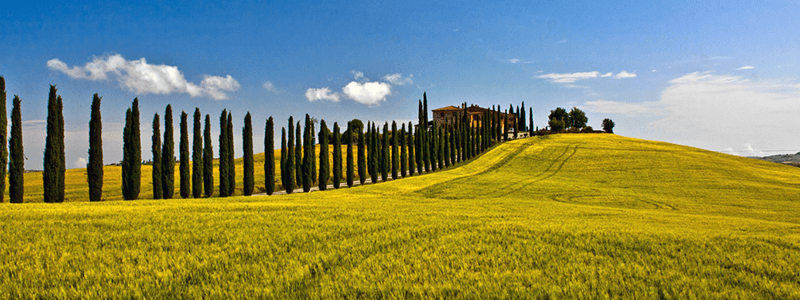
Tuscany harbors the classic landscapes of Italy, familiar from Renaissance paintings, with their backdrop of medieval hill towns, rows of slender cypress trees, vineyards and olive groves, and beautifully situated villas and farmhouses.
The Region of Tuscany is one of Italy’s most beloved destinations, offering visitors an extraordinary combination of stunning landscapes, historic cities, Renaissance masterpieces, traditional cuisine, and world-famous wines. From the artistic treasures of Florence to the medieval streets of Siena, the vineyards of Chianti, and the thermal springs of Saturnia, Tuscany is a destination that rewards both first-time visitors and experienced travelers.
This comprehensive Tuscany travel guide covers the region’s geography, history, principal cities, countryside, food, and attractions. It also provides practical information on transportation, airports, accommodation, museum reservations, guided tours, and travel planning, with useful services to help organize your visit.
If it’s your first trip to Tuscany, start by deciding whether you want to travel by train or rent a car. Florence makes a practical base for visiting Pisa and Lucca by rail. If your trip is more about wineries, hill towns, and farmhouse stays, spend a few nights in Chianti or Val d’Orcia. Below you’ll find routes for three, five, and seven days, plus where to stay and what to book ahead.
Tuscany at a Glance: Essential Travel Information
Planning a Tuscany vacation? Start with these essential facts.
| Travel Essential | What You Need to Know |
|---|---|
| Location | Central Italy |
| Regional Capital | Florence (Firenze) |
| Main Cities | Florence, Siena, Pisa, Lucca, Arezzo |
| Main Airports | Florence (FLR) and Pisa (PSA) |
| Best Time to Visit | April–June and September–October |
| Recommended Stay | 3–4 days for a short visit; 7–10 days for a regional tour |
| Best for Art and History | Florence, Siena, Pisa, Arezzo |
| Best for Wine | Chianti, Montalcino, Montepulciano |
| Best for Countryside | Val d’Orcia, Chianti, Maremma |
| Best for Beaches | Versilia, Maremma, Elba Island |
| Transportation | Trains, buses, rental cars, guided tours |
| Currency | Euro (€) |
| Emergency Number | 112 |
Travel tip: Florence is usually the most practical base for travelers without a car. If your priorities include vineyards, remote villages, and countryside accommodation, renting a car or booking organized excursions will give you more flexibility.
Where Is Tuscany? Geography and Landscape
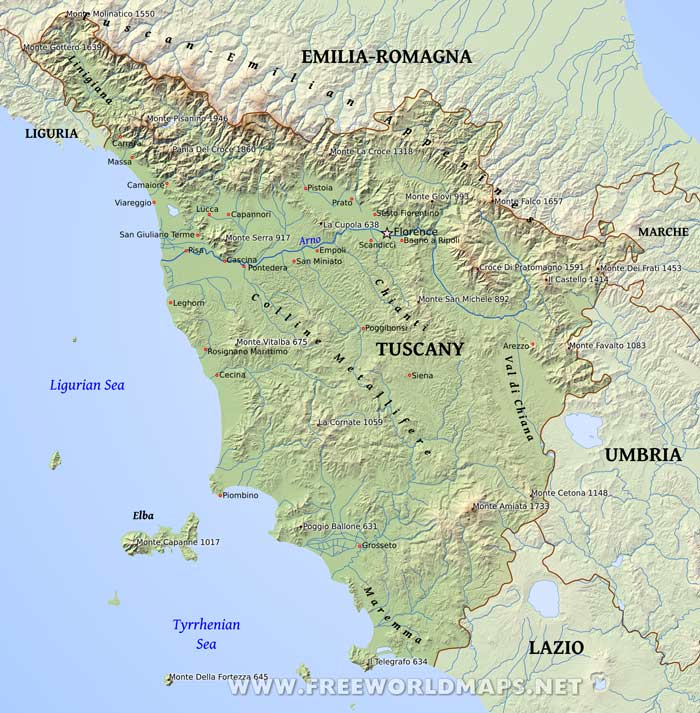
Tuscany is located in central Italy, bordered by Liguria and Emilia-Romagna to the north, Umbria and Marche to the east, and Lazio to the south. Its western coastline faces the Ligurian and Tyrrhenian seas.
The region covers approximately 23,000 square kilometers and offers remarkable geographical diversity, from the Apennine Mountains and the marble peaks of the Apuan Alps to the rolling hills of Chianti and the beaches of the Tuscan coast.
Tuscany’s Breathtaking Landscapes
Chianti Wine Region
Stretching between Florence and Siena, Chianti is famous for vineyards, olive groves, medieval villages, and historic wine estates. Greve, Radda, Castellina, and Gaiole in Chianti are among the best-known places to explore.
The region is particularly attractive for scenic driving, winery visits, and stays in traditional Tuscan farmhouses.
Val d’Orcia
Recognized as a UNESCO World Heritage Site, Val d’Orcia is one of Tuscany’s most photographed landscapes. Cypress-lined roads, rolling hills, isolated farmhouses, and picturesque villages define its appearance.
Pienza, San Quirico d’Orcia, Montalcino, and Bagno Vignoni are excellent starting points for exploring the valley.
Maremma
Southern Tuscany’s Maremma offers a more rugged and less urbanized landscape, with coastal nature reserves, archaeological sites, beaches, forests, and traditional farming communities.
The Apuan Alps and Garfagnana
Northern Tuscany features spectacular mountain scenery, hiking trails, historic villages, and the marble quarries surrounding Carrara.
Natural Hot Springs
Tuscany has a long thermal tradition. Saturnia, Bagno Vignoni, and Bagni San Filippo are among its most famous destinations for thermal waters and spa experiences.
How to Plan Your Tuscany Vacation
The best way to explore Tuscany depends on the length of your visit, your transportation preferences, and whether you are more interested in art cities or the countryside.
How Many Days Do You Need in Tuscany?
| Duration | Recommended Experience |
|---|---|
| 3 days | Florence and a nearby excursion |
| 5 days | Florence, Siena, Pisa or Lucca |
| 7 days | Florence, Chianti, Siena, San Gimignano, Val d’Orcia |
| 10 days | Add Lucca, Pisa, Montepulciano, Montalcino and smaller towns |
| 14 days | Explore the region more slowly, including the coast and southern Tuscany |
For a detailed driving itinerary, see our Tuscany Road Trip: Perfect 7-Day and 10-Day Itineraries.
When Is the Best Time to Visit Tuscany?
Spring (March–May): Green countryside, wildflowers, pleasant sightseeing weather, and generally comfortable temperatures.
Summer (June–August): Long days, outdoor festivals, beach holidays, and lively cities. July and August can be extremely hot inland.
Autumn (September–November): Wine harvests, olive oil production, seasonal food festivals, and beautiful countryside colors.
Winter (December–February): Quieter historic centers, fewer tourists, festive celebrations, and opportunities for less crowded museum visits.
For most travelers, May, June, September, and early October provide an excellent balance of sightseeing conditions and outdoor activities.
The History of the Region of Tuscany: From the Etruscans to the Renaissance
Tuscany has played a central role in Italian and European history for thousands of years.
The Etruscan Civilization (8th–3rd Century BCE)
Long before Roman domination, Tuscany was part of Etruria, the homeland of the Etruscans.
This sophisticated civilization developed advanced metalworking, pottery, religious traditions, and urban settlements.
Important archaeological sites and museums can be found around Volterra, Populonia, Chiusi, and Cortona.
Roman Influence (3rd Century BCE–5th Century CE)
Roman rule brought new roads, public buildings, settlements, and trade networks.
Important Roman remains include the theater in Volterra and the archaeological foundations of Lucca’s Piazza dell’Anfiteatro, which follows the shape of an ancient amphitheater.
The Middle Ages and City-States
During the Middle Ages, Florence, Siena, Pisa, and Lucca became powerful commercial and political centers.
Competition among these city-states contributed to the construction of cathedrals, civic palaces, defensive walls, and medieval towers.
Many of Tuscany’s most famous historic centers preserve the architecture of this period.
The Renaissance: Tuscany’s Golden Age
Florence became one of the great centers of the Renaissance, supported by wealthy merchant families and patrons, particularly the Medici.
Artists such as Leonardo da Vinci, Michelangelo, Botticelli, and many others transformed European painting, sculpture, architecture, and intellectual life.
Today, Florence’s Uffizi Galleries, Accademia Gallery, and Palazzo Pitti preserve some of the most important artistic collections associated with this extraordinary period.
Michelangelo’s David and Botticelli’s The Birth of Venus are among the city’s most celebrated works.
Top Cities and Towns to Visit in the Region of Tuscany
Tuscany contains an exceptional concentration of historic cities, medieval villages, and scenic countryside destinations.
Florence – The Capital of the Renaissance
Florence is Tuscany’s capital and one of the world’s great artistic cities.
Its historic center contains celebrated architecture, churches, museums, squares, and neighborhoods associated with the Renaissance.
Major attractions include:
- Florence Cathedral (Duomo): Famous for Brunelleschi’s monumental dome.
- Uffizi Galleries: One of the world’s most important Renaissance art collections.
- Accademia Gallery: Home to Michelangelo’s David.
- Ponte Vecchio: The historic bridge lined with jewelry shops.
- Palazzo Pitti and Boboli Gardens: A major palace and extensive landscaped gardens.
Allow at least two full days to explore Florence, preferably three if you intend to visit several museums.
Planning your visits: Popular Florence attractions may require advance reservations. Browse museum tickets, guided tours, and cultural experiences through Weekend in Italy, and compare the available experiences with official admission options.
Siena – A Medieval Gem
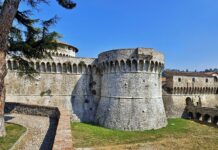
Siena is famous for its remarkably preserved medieval center, Gothic architecture, and Piazza del Campo.
Major attractions include Siena Cathedral, Palazzo Pubblico, Torre del Mangia, and the surrounding medieval streets.
The city’s famous Palio horse race traditionally takes place on July 2 and August 16.
Siena is also an excellent base for exploring Chianti and southern Tuscany.
Pisa – More Than Just the Leaning Tower
Pisa’s Leaning Tower is one of Italy’s most recognizable monuments, but the city offers much more.
The famous Piazza dei Miracoli contains the Cathedral, Baptistery, Leaning Tower, and monumental cemetery.
Beyond these landmarks, Pisa has an attractive historic center, university atmosphere, and pleasant riverside walks.
Lucca – The City of 100 Churches
Lucca is celebrated for its remarkably preserved Renaissance walls, which now form a broad pedestrian and cycling promenade around the historic center.
Inside the walls, visitors discover medieval churches, attractive squares, independent shops, and traditional restaurants.
Highlights include Piazza dell’Anfiteatro, Guinigi Tower, Lucca Cathedral, and San Michele in Foro.
San Gimignano – The Town of Towers
San Gimignano is famous for its medieval skyline, dominated by surviving stone towers.
Its UNESCO-listed historic center contains atmospheric streets, churches, small shops, and panoramic viewpoints.
Consider staying overnight to experience the town after the busiest daytime crowds have departed.
Montepulciano and Montalcino – The Wine Capitals
Montepulciano and Montalcino are among Tuscany’s most celebrated wine destinations.
Montepulciano is associated with Vino Nobile di Montepulciano, while Montalcino produces the internationally renowned Brunello di Montalcino.
Both towns offer historic architecture, wine cellars, panoramic views, and traditional restaurants.
Val d’Orcia – A Postcard-Perfect Countryside
Val d’Orcia is one of Tuscany’s most beautiful landscapes, with rolling hills, cypress-lined roads, vineyards, and medieval villages.
Important destinations include Pienza, San Quirico d’Orcia, Bagno Vignoni, and the surrounding countryside.
A rental car is particularly useful here, although organized day trips are available from some larger cities.
More Beautiful Places to Explore
For travelers with additional time, Tuscany also offers Arezzo, Cortona, Volterra, Pistoia, Pitigliano, and Massa Marittima.
Along the coast, visitors can explore Viareggio, Castiglione della Pescaia, Monte Argentario, and Elba Island.
Discover more destinations in our 25 Best Places to Visit in Tuscany, Italy.
Essential Travel Services in Tuscany
Good transportation planning can make the difference between an enjoyable vacation and a frustrating experience.
Airports: How to Get to Tuscany
Tuscany has two principal passenger airports.
Florence Amerigo Vespucci Airport (FLR)
Florence Airport is convenient for travelers staying in Florence or central Tuscany. The T2 tram provides a public transportation connection to the city.
Pisa Galileo Galilei Airport (PSA)
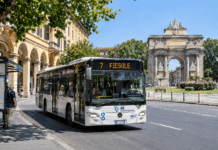
Pisa Airport is convenient for Pisa, Lucca, western Tuscany, and the coast. The PisaMover connects the airport with Pisa Centrale railway station.
Arriving from Rome or Milan
Travelers arriving through Rome or Milan can reach Florence by high-speed train.
Traveling Around Tuscany by Train
Regional trains connect many principal Tuscan cities, including Florence, Pisa, Lucca, and Arezzo.
| Journey | Approximate Travel Time |
|---|---|
| Florence–Pisa | 1 hour |
| Florence–Lucca | 1 hour 20 minutes–1 hour 45 minutes |
| Florence–Siena | 1 hour 30 minutes–2 hours |
| Florence–Arezzo | 40–75 minutes |
| Pisa–Lucca | 25–35 minutes |
These are approximate journey times. Check current schedules before traveling.
Useful services include:
- Trenitalia — Regional trains, schedules, and reservations.
- Italo — High-speed rail connections between major Italian cities.
- Autolinee Toscane — Urban and regional bus services.
Regional Buses and Local Connections
Buses are essential for reaching many towns not directly served by railway lines.
Regional services connect destinations such as Siena and smaller towns throughout Tuscany.
However, frequency can vary, particularly on Sundays, holidays, and in rural areas.
Before planning an excursion, check both outward and return transportation.
Our Tuscany Without a Car guide explains how to choose convenient bases and combine trains with buses.
Renting a Car in Tuscany
A rental car is particularly useful for exploring Chianti, Val d’Orcia, Maremma, and smaller countryside villages.
Driving allows greater freedom when visiting wineries, scenic roads, viewpoints, and rural accommodation.
However, many historic centers have restricted traffic zones known as ZTL (Zona a Traffico Limitato).
These areas may be monitored by automatic cameras, and unauthorized entry can result in fines.
Always confirm parking arrangements with your accommodation and avoid entering historic centers without checking local restrictions.
For many visitors, the best strategy is to explore Florence without a vehicle and rent a car only when leaving for the countryside.
Where to Stay in Tuscany: Choosing the Best Base
The right accommodation location depends on whether your priorities are art, food, wine, beaches, or countryside exploration.
| Destination | Best For | Car Needed? |
|---|---|---|
| Florence | Museums, art, first-time visitors | No |
| Siena | Medieval atmosphere, central location | Helpful |
| Lucca | Relaxed city breaks | No |
| Pisa | Airport connections, short visits | No |
| Chianti | Wine estates, countryside stays | Recommended |
| Val d’Orcia | Scenic landscapes, romantic escapes | Recommended |
| Arezzo | Art, local atmosphere, train connections | No |
| Maremma | Beaches, nature, thermal springs | Recommended |
Hotels, Villas, and Agriturismi
Tuscany offers accommodation ranging from luxury hotels and boutique guesthouses to independent apartments, countryside villas, and traditional agriturismi.
An agriturismo is particularly appealing for travelers seeking peaceful rural surroundings, often with vineyards, olive groves, swimming pools, or local food experiences.
However, countryside properties may be far from restaurants and public transportation, making a car necessary.
For detailed recommendations, read Where to Stay in Tuscany: 12 Best Towns and Countryside Bases.
Compare Tuscany Hotels with Expedia
Find hotels, villas, and countryside accommodation in Tuscany with Expedia.
Expedia allows travelers to compare accommodation in Florence, Siena, Pisa, Lucca, Chianti, and other destinations.
When comparing properties, pay particular attention to location, parking, breakfast, cancellation conditions, and whether local tourist taxes are included in the displayed price.
Compare Accommodation with Trip.com
Search hotels and travel accommodation in Italy with Trip.com.
Trip.com provides another way to compare hotel availability and booking conditions.
When planning a multi-city journey, compare accommodation in each destination rather than booking everything in Florence and spending several hours traveling back and forth.
Booking tip: Compare the total cost rather than the displayed nightly rate alone, and always check cancellation policies before confirming a reservation.
Tuscan Cuisine: A Food Lover’s Paradise
Tuscan cuisine reflects the region’s agricultural traditions, emphasizing fresh seasonal ingredients, olive oil, bread, vegetables, beans, meat, and local wines.
Must-Try Dishes in Tuscany
Ribollita
A traditional vegetable, bean, and bread soup, especially associated with Florence and the surrounding countryside.
Pappardelle al Cinghiale
Wide pasta ribbons served with a rich wild boar ragù.
Bistecca alla Fiorentina
A thick T-bone steak traditionally grilled and served rare.
Pici
Hand-rolled pasta, particularly associated with southern Tuscany, often served with aglione sauce or cheese and pepper.
Cantucci and Vin Santo
Crunchy almond biscuits traditionally served with sweet dessert wine.
Tuscany’s World-Famous Wines
Tuscany produces some of Italy’s most internationally celebrated wines.
Chianti Classico comes from the historic wine-growing area between Florence and Siena.
Brunello di Montalcino is a prestigious red wine produced from Sangiovese grapes.
Vino Nobile di Montepulciano is another important traditional Tuscan wine.
Super Tuscans include influential wines such as Sassicaia and Tignanello.
Many wineries offer guided tours and tastings, but reservations are often required.
If everyone in your group intends to taste wine, consider booking an excursion with transportation rather than driving afterward.
Top Things to Do in the Region of Tuscany
Tuscany offers much more than museums and historic monuments.
Wine Tasting in Chianti and Montalcino
Explore historic wineries, meet local producers, and discover Tuscan grape varieties and winemaking traditions.
Traditional Tuscan Cooking Classes
Learn to prepare fresh pasta, regional sauces, and traditional dishes with local instructors.
Thermal Baths and Spa Experiences
Visit Saturnia, Bagno Vignoni, or other thermal destinations for relaxation and wellness experiences.
Cycling and Hiking
Explore countryside trails, vineyard routes, mountain landscapes, and scenic villages.
Lucca’s historic walls are particularly popular for leisurely cycling.
Truffle Hunting
Join a guided truffle-hunting experience with local experts and trained dogs, where available and in season.
Hot Air Balloon Rides
Experience Tuscany’s countryside from above during a balloon excursion, subject to weather and availability.
Beaches and Coastal Excursions
Discover Maremma’s natural beaches, the resorts of Versilia, and the beautiful coastline of Elba Island.
Book Museums, Tickets, and Guided Tours with Weekend in Italy
Tuscany’s museums, historic monuments, and cultural experiences attract visitors from around the world.
Advance planning is especially important in Florence, Siena, and Pisa during busy travel periods.
Explore Italian museums, tickets, guided tours, and cultural experiences with Weekend in Italy.
Depending on current availability, travelers can look for experiences associated with:
- Florence’s major Renaissance museums
- Guided visits through Florence’s historic center
- Cathedral and architectural attractions
- Siena’s medieval monuments
- Art-focused and cultural itineraries
Before reserving, compare the experience description with the official attraction website. Check whether admission is included, whether the visit is guided, the language offered, the meeting point, and cancellation conditions.
For the Uffizi Galleries, consult the official museum ticket information as well.
Travel tip: Book your most important museum visit first and organize the rest of your sightseeing around the reservation time.
Recommended Tuscany Travel Guidebooks Available on Amazon
Although online resources are convenient, a printed guidebook can be extremely useful when exploring Tuscany.
Guidebooks provide maps, historical background, suggested itineraries, practical advice, and information about smaller destinations that travelers might otherwise overlook.
The following established travel-guide series are worth comparing. Check the edition and publication date before purchasing.
Rick Steves Florence & Tuscany
Particularly useful for American travelers, independent sightseeing, museum visits, practical itineraries, and cultural explanations.
Find Rick Steves Florence & Tuscany guides on Amazon.com
Lonely Planet Florence & Tuscany
A useful choice for independent travelers interested in a broad selection of destinations, transportation information, restaurants, and regional experiences.
Find Lonely Planet Florence & Tuscany guides on Amazon.com
DK Eyewitness Florence and Tuscany
Known for visual presentations, illustrations, maps, architectural explanations, and accessible cultural information.
Find DK Eyewitness Florence and Tuscany guides on Amazon.com
Fodor’s Florence and Tuscany
A useful option for travelers seeking accommodation suggestions, restaurant guidance, sightseeing ideas, and itinerary inspiration.
Find Fodor’s Florence and Tuscany guides on Amazon.com
Michelin Tuscany Road Maps
Paper road maps remain useful when driving through rural areas where mobile reception may be inconsistent.
A detailed regional map can also help identify scenic alternatives and smaller villages.
Find Michelin Tuscany road maps on Amazon.com
Under the Tuscan Sun by Frances Mayes
Although not a conventional travel guide, this celebrated memoir offers an evocative account of life in the Tuscan countryside.
It makes an enjoyable companion for travelers interested in local traditions, landscapes, and the atmosphere of rural Tuscany.
Find Under the Tuscan Sun on Amazon.com
As an Amazon Associate, Italia Mia may earn from qualifying purchases.
Practical Travel Tips for Visiting Tuscany
A little preparation can help make your trip considerably easier.
- Avoid restricted traffic zones: Historic centers often have monitored ZTL areas.
- Book major attractions in advance: Museum tickets can sell out during busy periods.
- Wear comfortable shoes: Many historic streets have cobblestones, slopes, and uneven surfaces.
- Check regional transportation: Rural buses may run infrequently, particularly on Sundays and holidays.
- Allow time for scenic drives: Small countryside roads can take longer than expected.
- Reserve wineries: Some estates accept visitors only by appointment.
- Stay hydrated in summer: Inland Tuscany can experience periods of intense heat.
- Check seasonal opening hours: Some rural accommodation and activities operate reduced schedules during winter.
- Confirm parking arrangements: This is especially important for hotels inside or close to historic centers.
Book Your Tuscany Stay and Experiences
Tuscany offers different experiences depending on where you stay and how you choose to explore.
For a first visit, a combination of Florence and a countryside base provides an excellent introduction to the region.
Start with several days in Florence to discover Renaissance art, architecture, and museums. Continue to Siena, Chianti, or Val d’Orcia for medieval villages, vineyards, and scenic countryside.
Accommodation
Find Tuscany hotels and countryside stays with Expedia.
Compare Italian hotels and accommodation with Trip.com.
Museum Tickets and Guided Experiences
Browse cultural experiences and attractions with Weekend in Italy.
Travel Guides and Maps
Shop Tuscany travel guidebooks and maps on Amazon.com.
Compare prices, availability, cancellation conditions, and what is included before booking or purchasing.
Explore More of Tuscany with Italia Mia
Continue planning your journey with our dedicated regional guides.
- 25 Best Places to Visit in Tuscany, Italy — Discover famous landmarks, medieval villages, countryside destinations, and lesser-known attractions.
- Where to Stay in Tuscany: 12 Best Towns and Countryside Bases — Compare accommodation locations for different travel styles.
- Tuscany Without a Car — Plan train journeys, bus trips, and independent excursions.
- Tuscany Road Trip: Perfect 7-Day and 10-Day Itineraries — Explore the region by car with suggested routes and practical advice.
Frequently Asked Questions About Tuscany
What Is Tuscany Best Known For?
Tuscany is famous for its Renaissance art, historic cities, medieval villages, rolling countryside, vineyards, traditional cuisine, and celebrated wines.
What Is the Best Month to Visit Tuscany?
May, June, September, and early October are among the most attractive periods for sightseeing, although weather conditions and visitor numbers vary.
Is Tuscany Expensive to Visit?
Travel costs vary considerably. Florence and luxury countryside properties can be expensive, particularly during peak season. Smaller towns, regional trains, and independently operated accommodation may offer better value.
Is It Possible to Visit Tuscany Without Renting a Car?
Yes. Florence, Pisa, Lucca, Siena, and Arezzo can be visited using public transportation. A rental car is more useful for remote villages, rural wineries, and countryside accommodation.
How Many Days Should I Spend in Tuscany?
Three or four days provide an introduction to Florence and nearby destinations. Seven to ten days is preferable for travelers wanting to combine art cities, medieval towns, wine regions, and countryside.
What Is the Best Base for Exploring Tuscany?
Florence is usually the most convenient choice for first-time visitors without a car. Siena is a good alternative for exploring central Tuscany, while Chianti and Val d’Orcia are excellent for countryside stays.
Should I Book Tuscany Museums in Advance?
Advance booking is recommended for popular attractions, especially the Uffizi Galleries, Accademia Gallery, and certain monuments in Pisa and Florence.
Is Tuscany Suitable for Families?
Yes. Tuscany offers family-friendly accommodation, historic towns, beaches, outdoor activities, parks, museums, and countryside experiences.
Why You Should Visit the Region of Tuscany
With its breathtaking scenery, historic cities, rich artistic heritage, and remarkable cuisine, Tuscany remains one of Italy’s most rewarding destinations.
Whether you are exploring Florence’s Renaissance masterpieces, walking through Siena’s medieval streets, tasting wine in Chianti, discovering the villages of Val d’Orcia, or relaxing beside the Mediterranean coast, the region offers an exceptional variety of experiences.
Tuscany also rewards returning visitors. Beyond the famous landmarks lie quieter towns, family-run restaurants, traditional markets, and landscapes that reveal a different side of the region with every journey.
Above all, Tuscany invites travelers to slow down, explore thoughtfully, and experience Italy at a more personal pace.
Affiliate disclosure: Some links in this article are affiliate links. Italia Mia may earn a commission from qualifying bookings or purchases at no additional cost to you.
External Links
- Visit Tuscany — Official Regional Tourism Portal
- Trenitalia — Train Tickets and Schedules
- Italo — High-Speed Train Services
- Autolinee Toscane — Regional Bus Transportation
- Uffizi Galleries — Official Museum Information
- UNESCO — Val d’Orcia